



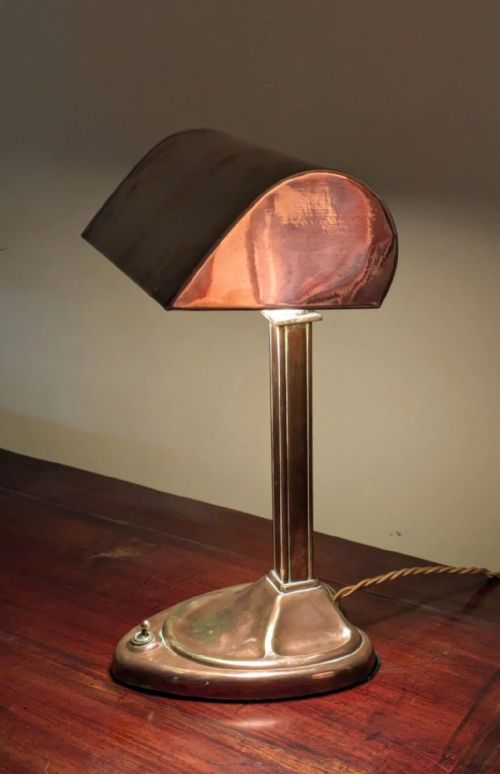
1920s Art Deco Light
These 1920s art deco light pieces bring geometric form and industrial modernity into a room, offering both functional illumination and striking period presence.
1920s Art Deco Light
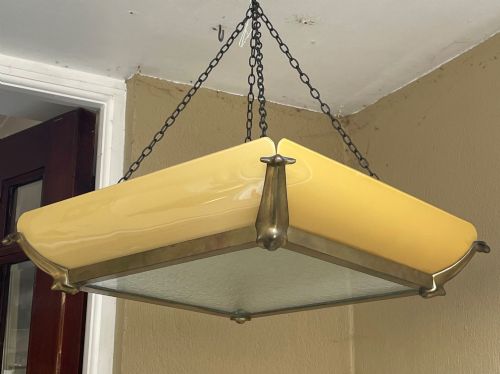
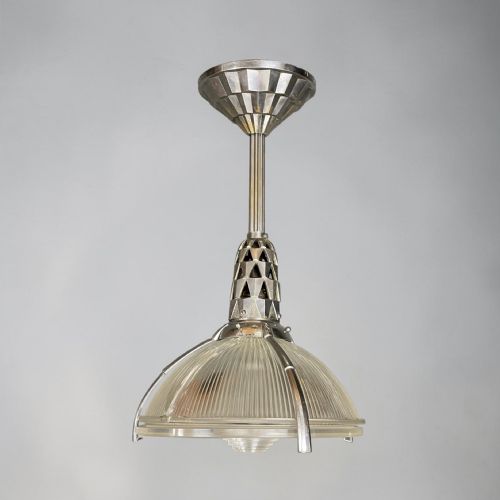
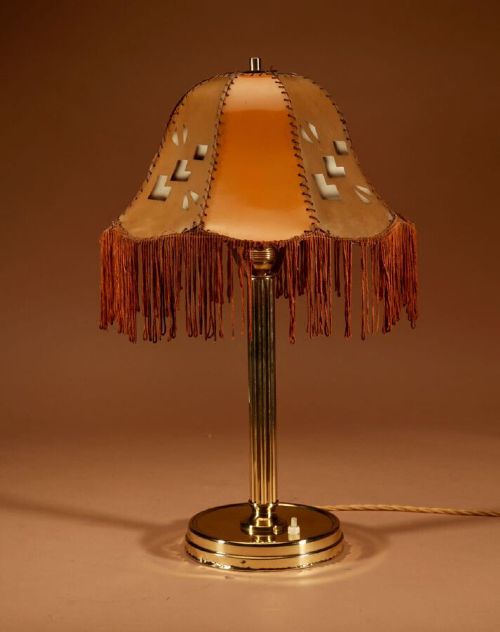
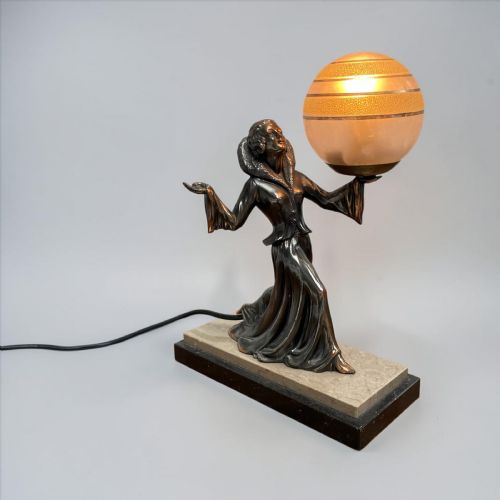
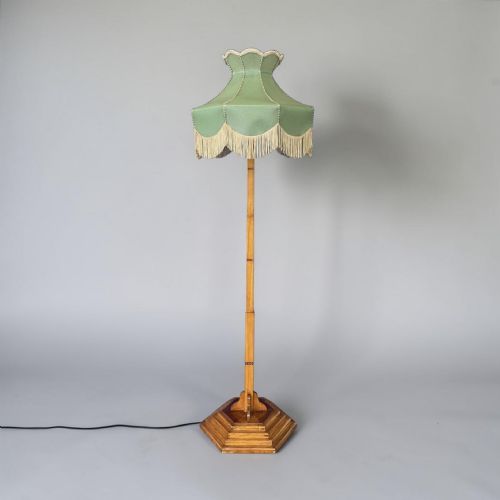
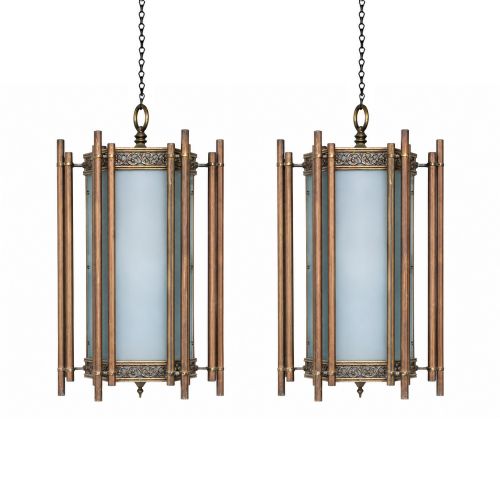
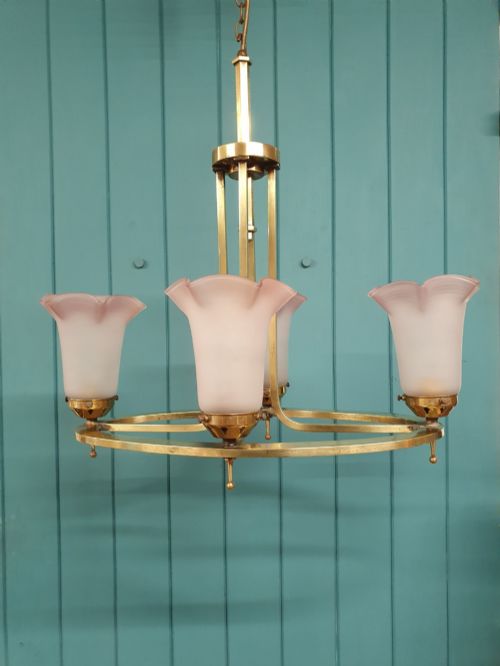
When you search for a 1920s art deco light, you encounter a diverse array of domestic illumination spanning table lamps, floor standards, chandeliers, and pendant lights. The material evidence shows production rooted primarily in the 1920s and 1930s, extending into the 1940s.
The selection ranges from functional adjustable desk lamps and flexible reading lights to monumental hanging lanterns and elaborate multi-arm chandeliers. Alongside electrical lighting, the listings encompass decorative glass shades and specialised forms such as French veilleuses.
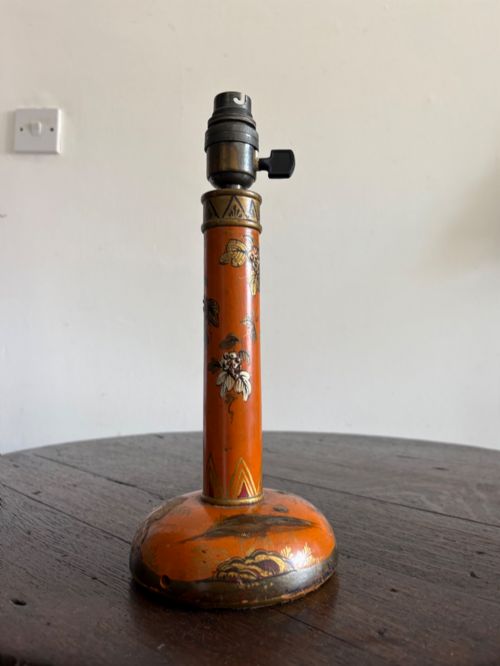
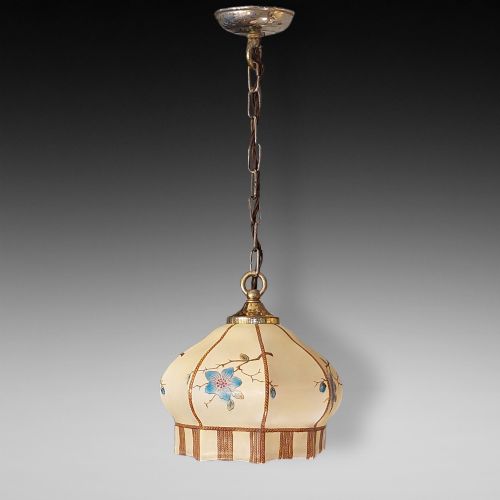
Makers and designers of the period incorporated diverse stylistic influences, touching upon Chinoiserie, Bauhaus design, and Art Nouveau alongside strict Art Deco geometry. Table lamps and standard lamps dominate the domestic objects encountered in this category.
Materials and Construction
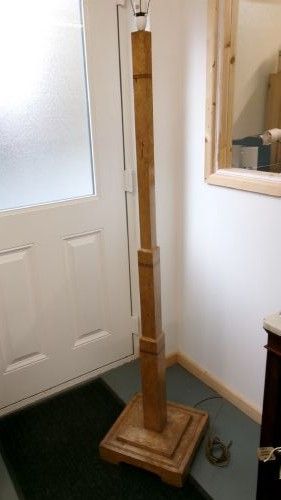
The construction of these pieces relies heavily on metalworking, utilising brass, chrome, copper, wrought iron, and sterling silver for structural frames, adjustable arms, and bases. Wood elements such as limed oak and blond walnut appear alongside lacquered finishes.
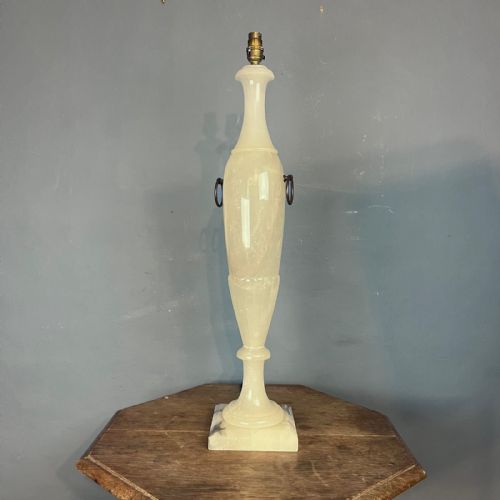
Glass forms a central component, executed in opaline, hand-painted glass, frosted finishes, and rock crystal or alabaster diffusers. Fabric components and leather details complete the construction of shades and adjustable fittings.
Listings feature periods from 1920 to 1940, utilising brass, chrome, alabaster, glass, and wood.
Distinctions in Execution
Quality in these lighting pieces depends upon the integrity of the original metalwork and the sophistication of the glass components. Master glassmakers and recognised workshops produced shades with superior clarity, texture, and hand-painted detail.
The sophistication of mechanical joints in adjustable desk lamps and standard lamps dictates the standard of engineering. Original wiring components, signed glassware, and labeled manufacturer elements elevate the standing of an individual piece.
Émile-Jacques Ruhlmann·R Lalique·Karl Ens·Anton Buschelberger·Schneider·Wilhelm Wagenfeld·Degue
The 1920s Art Deco Light Glossary
- Veilleuses
- A type of small night light or bedside lamp popular in French interiors. These often feature figurative ceramic or glass elements designed to emit a soft, subdued glow.
- Alabaster
- A fine-grained, translucent stone used extensively for carved lamp bodies and hanging bowls. It diffuses light evenly across its surface.
- Opaline glass
- A type of opaque or semi-translucent glass, often white or pastel-toned, used to soften light output in period shades and globes.
- Standard lamp
- A British term for a floor-standing lamp designed to provide ambient or reading light in a domestic interior.
- Bauhaus
- A modernist design movement emphasising functionalism, industrial methods, and clean geometric lines, influencing several metal table lamps of the period.
1920s Art Deco Light: Frequently Asked Questions
How do I identify an authentic 1920s light?
Look for authentic material combinations such as heavy cast brass, chrome plating over iron, and thick frosted or opaline glass shades. Construction methods should reflect early twentieth-century manufacturing techniques rather than modern reproductions.
Examine the electrical fittings, switches, and maker signatures where present. Period pieces frequently exhibit hand-finished details and specific patination consistent with decades of age.
Were these lamps originally electrified?
Many fixtures from this era were manufactured specifically for electricity, reflecting the rapid expansion of domestic power grids during the 1920s and 1930s. Some specialised pieces evolved from earlier oil or gas lighting formats.
Adjustable desk lamps and standard lamps utilised flexible metal tubing or articulated brass arms designed to house insulated wiring safely.
Can I use modern LED bulbs in these fixtures?
Modern low-heat LED bulbs can generally be used provided the physical dimensions fit within the original glass shade or diffuser. Care must be taken not to exceed the original wattage tolerances specified by the historic fittings.
Rewiring is frequently undertaken to ensure compliance with current safety standards while retaining the original external metalwork and lamp holders.
How do I clean alabaster lamp bases?
Alabaster is a soft, porous stone that absorbs moisture and oils easily. Dusting should be performed with a dry, soft cloth without the application of water or chemical solvents.
Specialised stone cleaning methods should be consulted for heavier discoloration to prevent permanent staining of the porous mineral surface.