


18th Century Wine Goblet
When you search for an 18th century wine goblet, you enter a field of lead glass and plated silver shaped by Georgian hands.
18th Century Wine Goblet
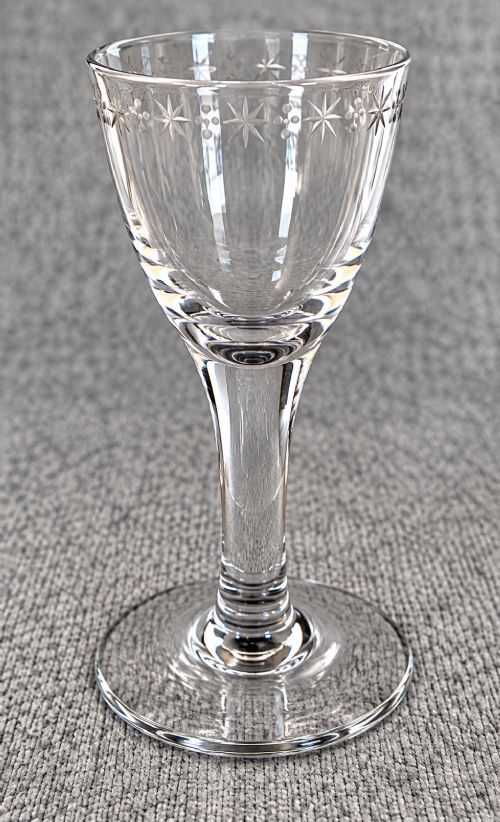
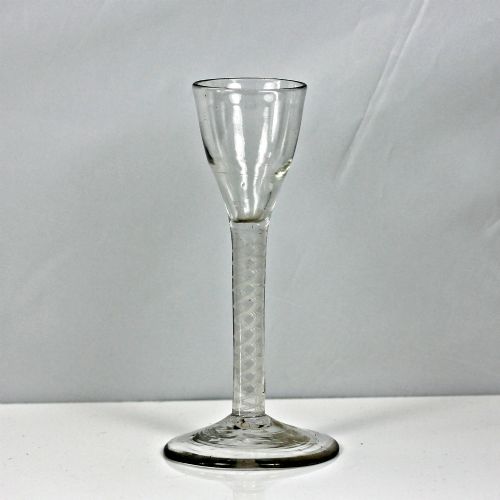
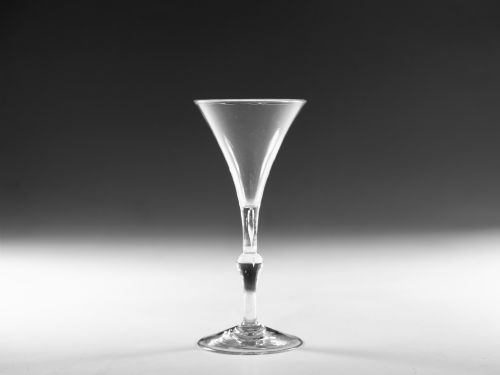
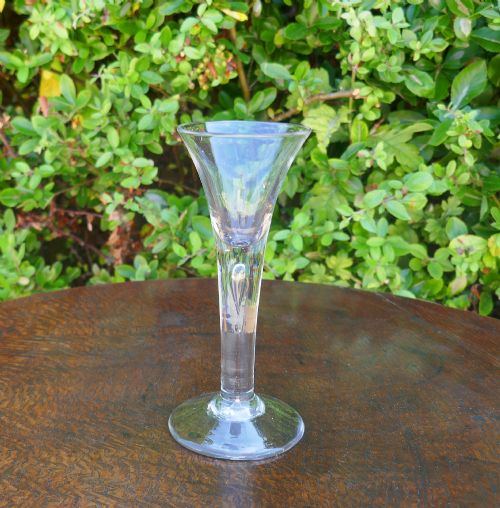
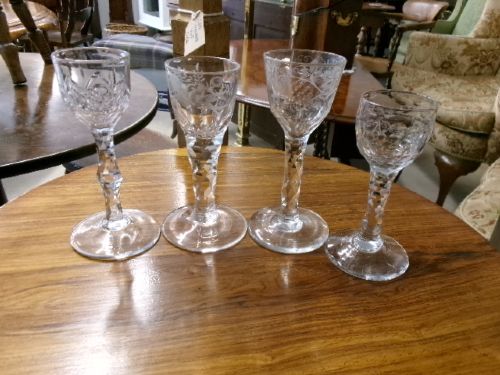
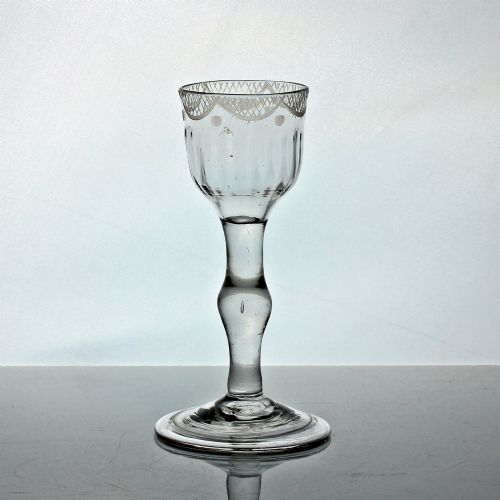
An 18th century wine goblet brings together drinking vessels, rummers, and ceremonial pieces spanning the Georgian era and continental European workshops. A buyer seeking an 18th century wine goblet will encounter diverse forms, from heavy baluster stems to slender air twist and opaque twist glasses, alongside metal vessels.
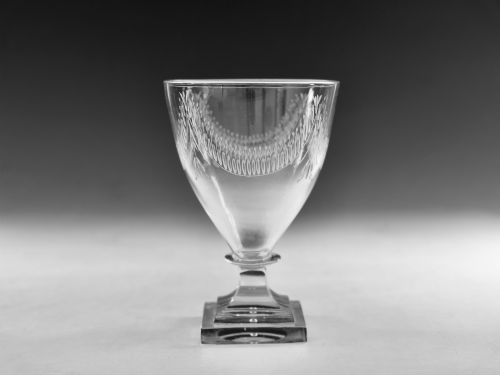
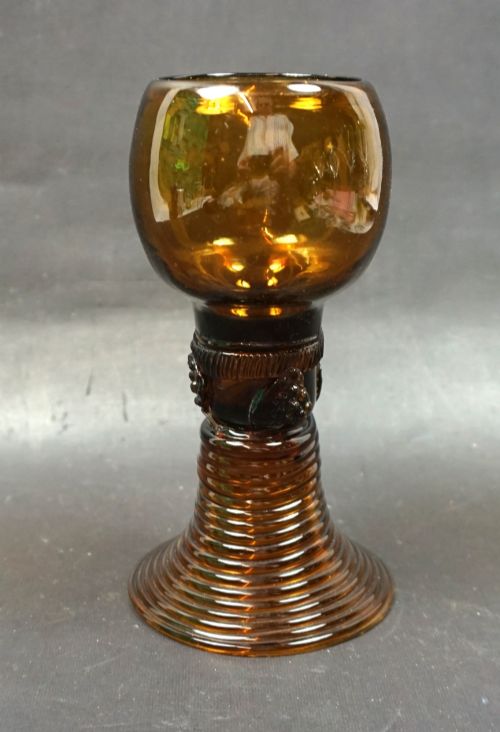
The objects recorded here include English lead glass drinking vessels, German roemers, and Old Sheffield plated goblets mounted with materials like coconut. The most frequent versions on this page are lead glass wine glasses and larger goblets featuring engraved bowls, faceted stems, and folded feet.
Vessels range from modest dram glasses to large ceremonial armorial marriage goblets and silver presentation pieces. Collectors select these items for their distinct stem formations, such as balustroids and knops, and the historical context of their manufacture.
Materials and Techniques of Georgian Glassware and Metalwork
Glassmakers utilised lead glass, flint glass, and clear lead glass, often incorporating white enamel or coloured twists within the stem. Molten metal was blown into moulds or free-blown, then manipulated with tools to form trumpet, ogee, or pan top bowls.
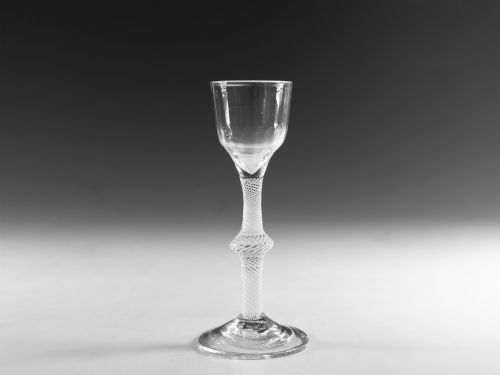
Stem construction involved drawing the metal from the bowl or applying separate knops, air bubbles, and twists using multi-spiral and composite techniques. Metal variants such as Old Sheffield Plate combined silver and copper, while organic materials like lignum vitae and coconut formed turned wooden and mounted vessels.
Recorded forms range from modest dram glasses and ale flutes to large armorial marriage goblets and turned wooden vessels.
Distinctions in Execution and Design
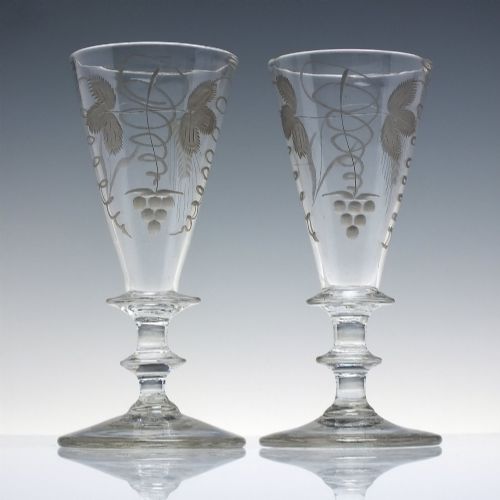
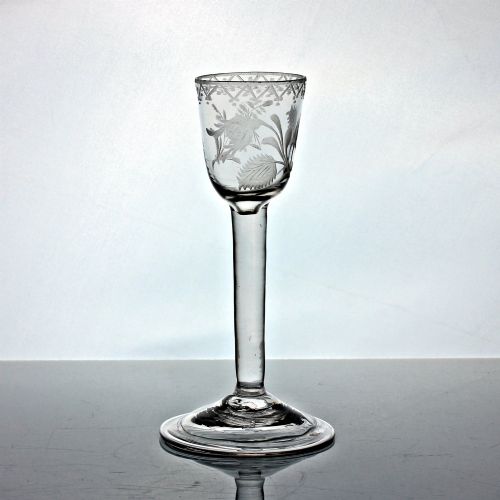
Quality rests in the precision of the glassmaker's manipulation, seen in the regularity of air and opaque twists within the stem and the clarity of the lead metal. Superior examples display finely executed wheel engraving upon the bowl, depicting armorial bearings, floral swags, or Jacobite emblems rather than simple plain forms.
Proportion and balance define the superior vessel, where the weight of the wide foot and the thickness of the knop complement the capacity of the bowl. Metal items demonstrate excellence through the seamless fusion of plated silver over copper bases and the secure fitting of organic mounts.
Richard Morton
The 18th Century Wine Goblet Glossary
- Air Twist
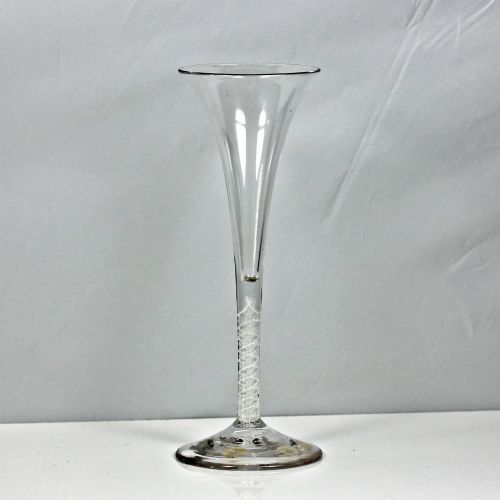
- A stem formation containing elongated spiral channels of trapped air inside the clear glass. This technique required considerable skill from the glassmaker to maintain uniformity.
- Opaque Twist
- A stem enclosing fine white or coloured enamel rods twisted into threads within the clear glass body. Such designs became prominent in English manufacture during the mid-Georgian period.
- Baluster
- A heavy, thick stem form characterised by nodes or knops reminiscent of architectural balusters. These sturdy stems often appear on earlier 18th century drinking vessels.
- Roemer
- A continental Germanic drinking vessel featuring a wide rounded bowl resting on a coiled or studded foot. They are typically produced in green or amber glass.
- Old Sheffield Plate
- A composite material made by fusing a thin sheet of silver to a thicker copper base. The technique allowed makers to produce substantial vessels with the appearance of solid silver.
18th Century Wine Goblet: Frequently Asked Questions
How do I identify a Jacobite wine glass?
A Jacobite wine glass often displays specific engraved symbols such as roses, buds, or portraits associated with the exiled Stuart cause. These clandestine emblems expressed political loyalty among supporters during the 18th century.
Authentication relies on the pairing of these specific motifs with appropriate stem formations like air twists or plain stems of the period.
What is Old Sheffield plate?
Old Sheffield plate is an early form of plated metal created by fusing silver to a copper core under high heat. This method produced durable tableware and drinking vessels that mimic solid silver construction.
Pieces from the 18th century often reveal subtle traces of copper along cut edges or worn high points where the outer silver layer has thinned over generations of use.
What distinguishes a rummer from a wine glass?
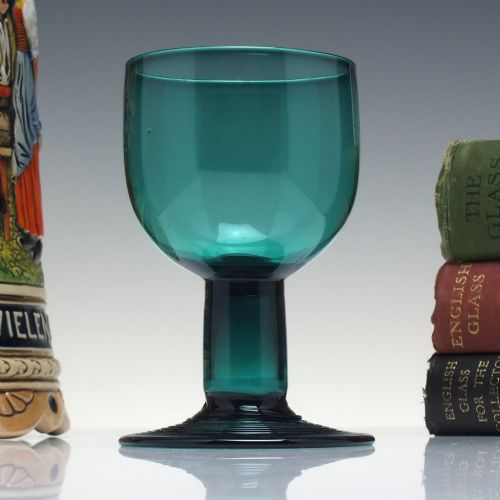
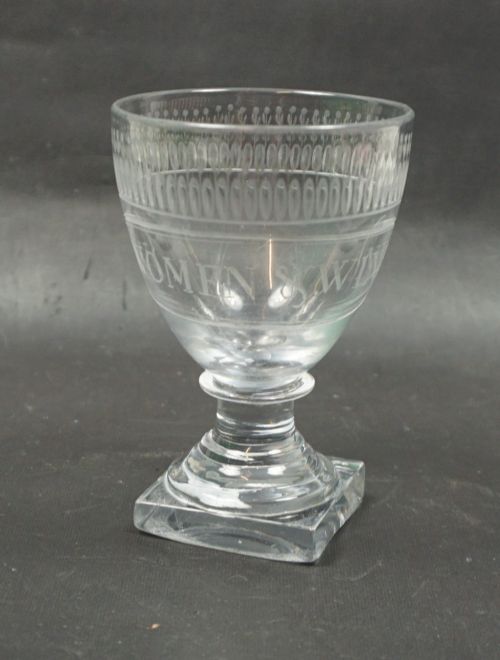
A rummer is typically a larger, heavier drinking vessel with a sturdy short stem and a capacious bowl designed for ale, wine, or punch. They emerged toward the late 18th century to accommodate heartier pours.
Unlike delicate baluster or twist stem wine glasses, rummers prioritise stability and robust daily utility over intricate optical stem work.