

18th Century Walnut Bureau
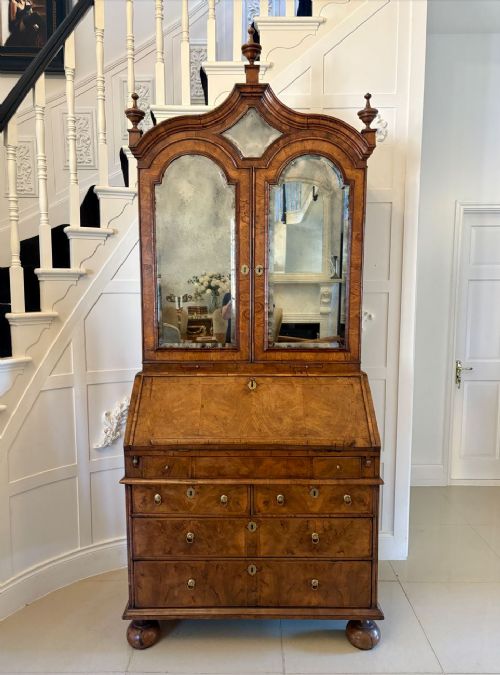
An 18th century walnut bureau combines a sloping writing flap with internal compartments and drawers, offering both workspace and storage for period interiors.
18th Century Walnut Bureau
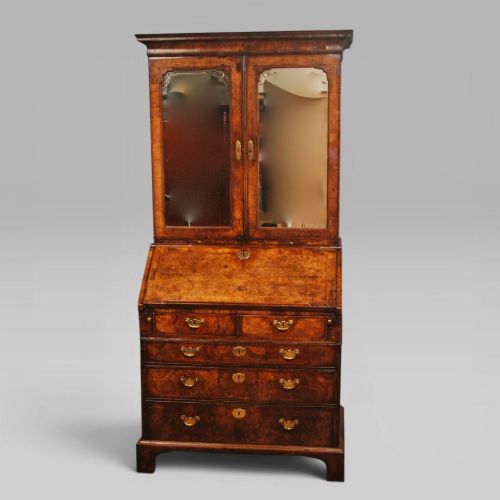
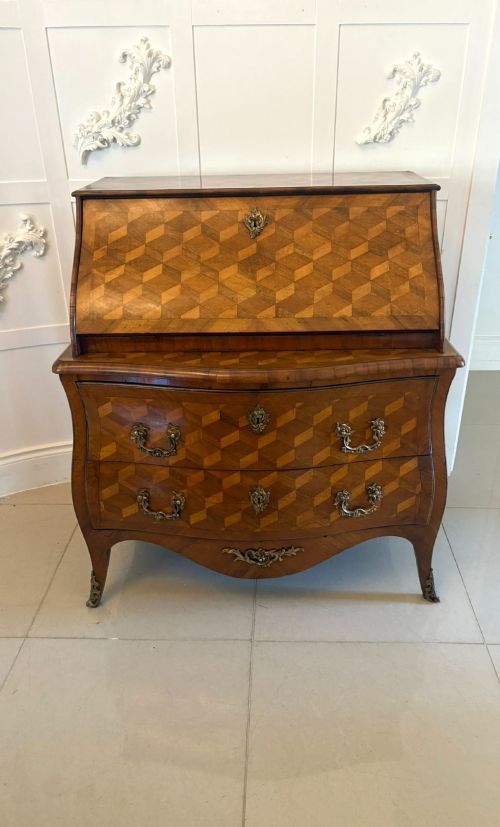
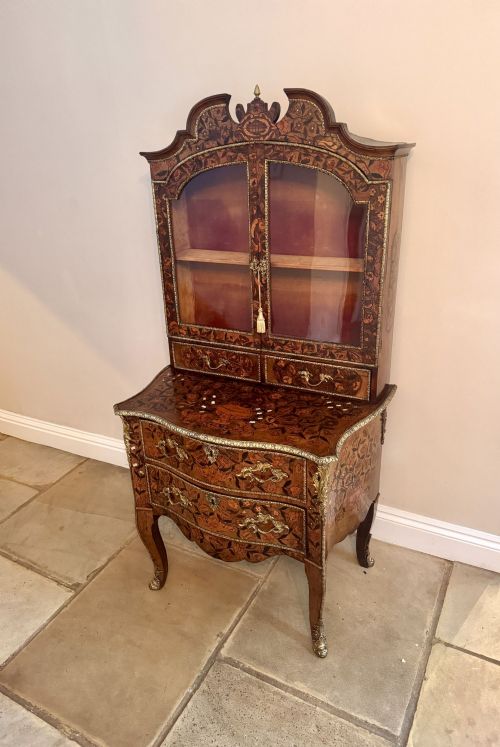
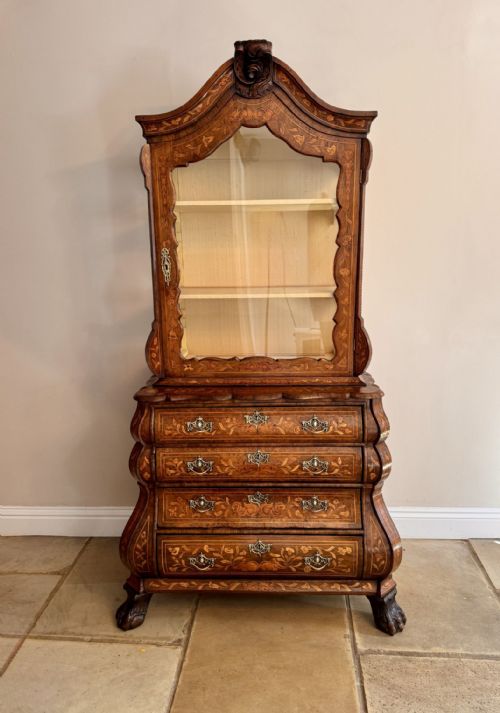
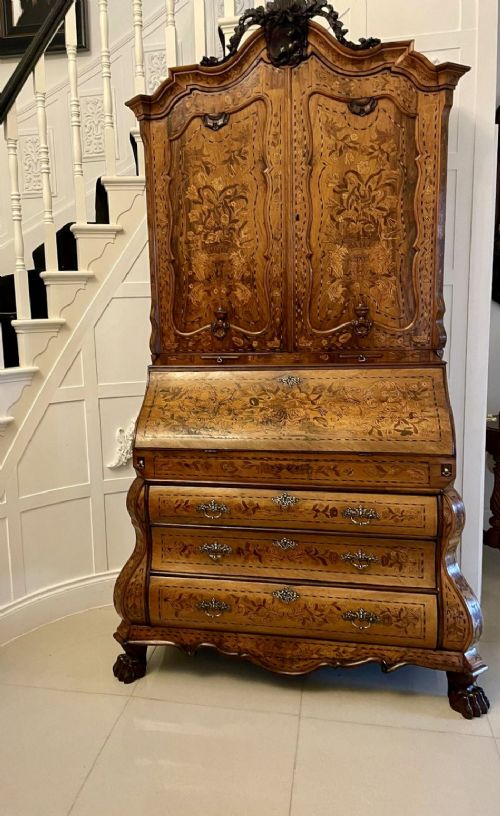
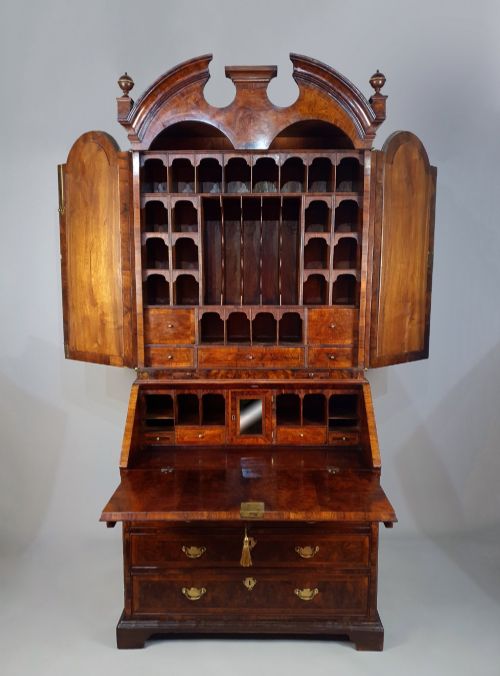
An 18th century walnut bureau typically presents a fall-front writing surface that opens to reveal a fitted interior of small drawers and pigeonholes. Buyers searching this phrase encounter examples originating from English workshops alongside continental pieces displaying elaborate marquetry.
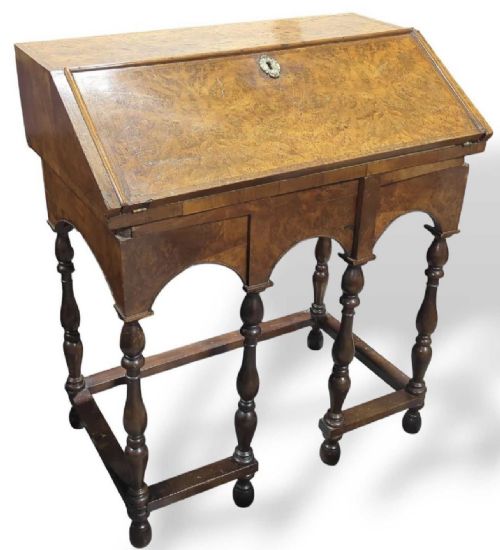
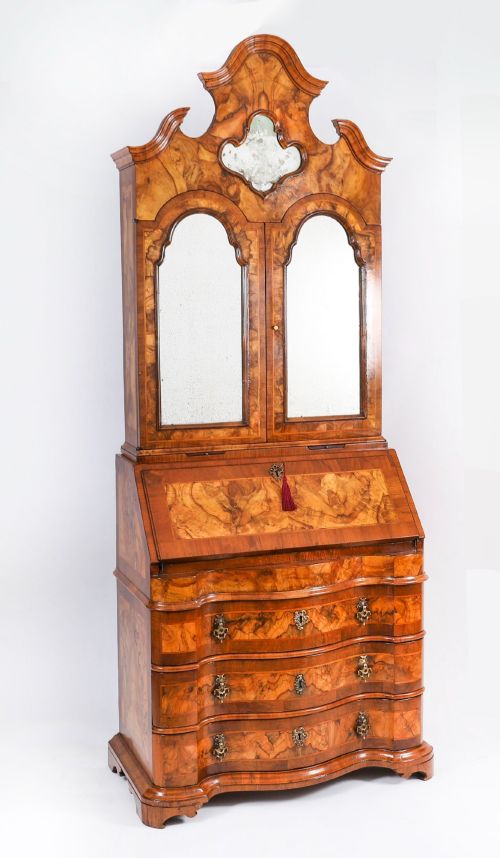
The form spans several distinct styles including Queen Anne, early Georgian, and George II periods, often appearing as compact slant-front desks or taller bureau bookcases with glazed upper sections.
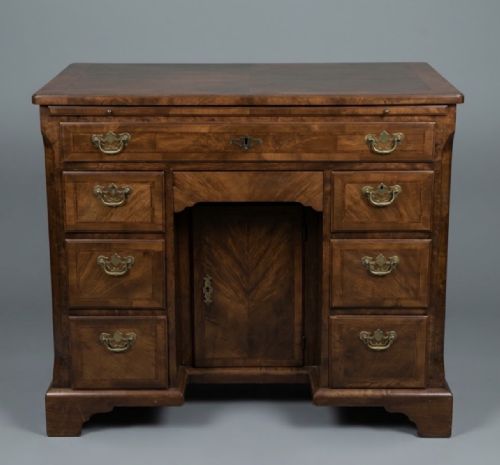
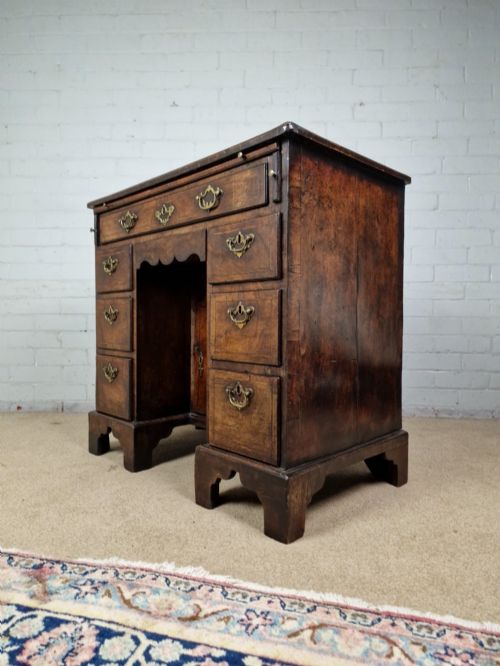
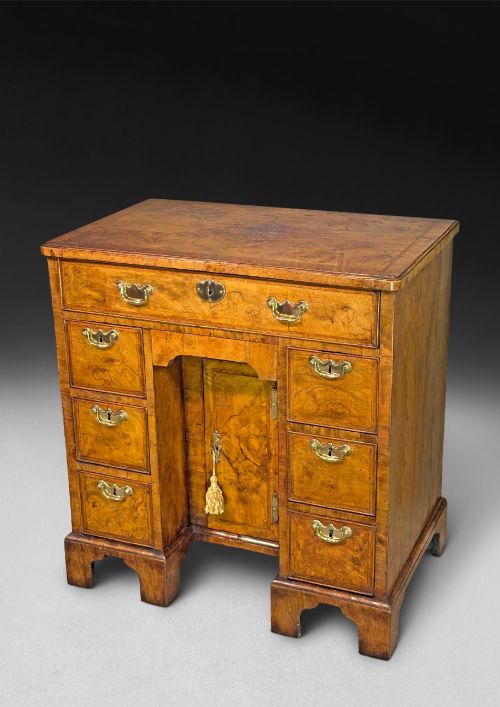
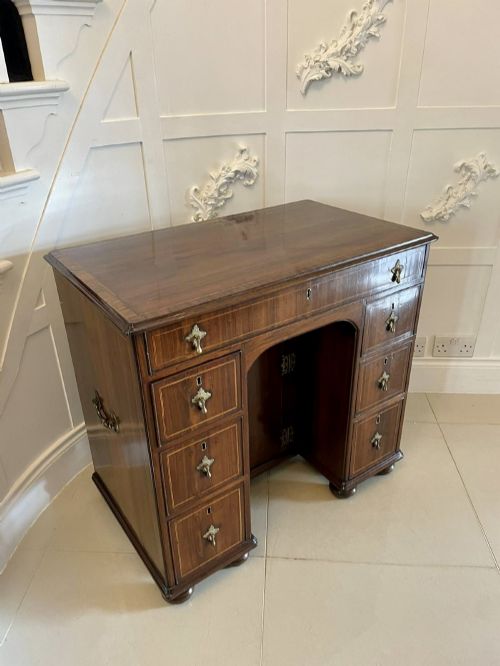
Makers utilised rich native timbers, and some pieces incorporate supportive stands with legs or take the form of kneehole desks and escritoires.
Materials and Construction
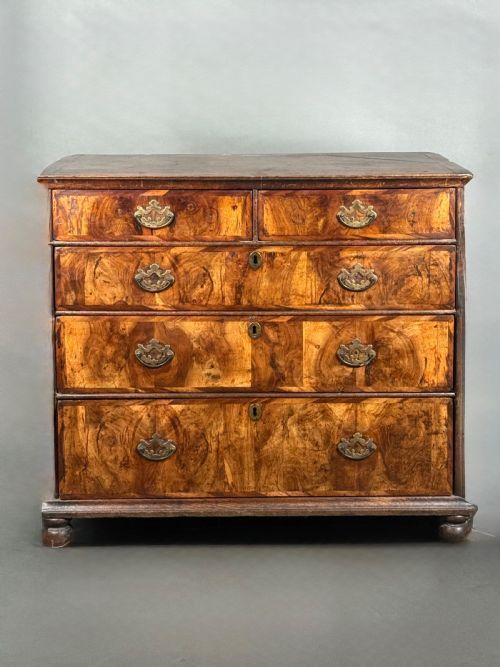
Craftsmen built carcasses using solid foundational timbers like oak or fruitwood, applying carefully selected walnut, burr walnut, or fiddleback veneer to visible surfaces. These decorative veneers were often enhanced with featherbanding and geometric inlay.
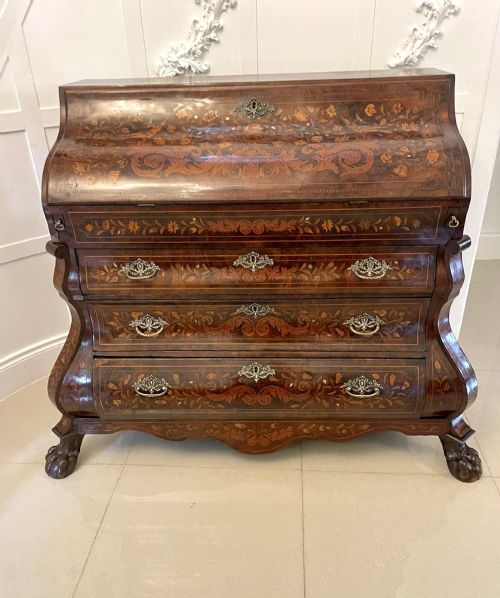
Continental examples frequently employ elaborate floral marquetry and parquetry using various contrasting woods. Brass hardware, including drop handles and escutcheons, secures the drawers and fall fronts.
Many pieces conceal tiny secret compartments behind dummy drawers within the internal pigeonholes, designed for letters and valuables.
Indicators of Quality
Quality rests upon the visual impact and natural figuring of the walnut veneers, particularly where burr grain or matching patterns span the front of the piece. The complexity of the internal fittings, such as secret compartments and shaped pigeonholes, also distinguishes finer examples.
The precision of the marquetry inlay and the retention of original brass hardware contribute significantly to a piece's standing within its period.
The 18th Century Walnut Bureau Glossary
- Burr walnut
- A prized timber harvested from tree growths that produces intricate, swirling grain patterns. It was frequently sliced into thin veneers for high-status furniture.
- Fall front
- A hinged writing flap that drops forward to provide a horizontal surface for correspondence. When closed, it conceals the interior compartments.
- Marquetry
- The art of applying decorative pieces of veneer to a structure to form intricate pictorial designs. Floral motifs are common on continental pieces.
- Featherbanding
- A delicate form of banding constructed from veneers laid at alternating angles to create a herringbone effect. It frames drawer fronts and writing flaps.
- Kneehole desk
- A compact writing table featuring a central recess for the user's legs, flanked by pedestals of small drawers. Examples appear in walnut from the early Georgian period.
18th Century Walnut Bureau: Frequently Asked Questions
What is an 18th century walnut bureau?
It is a writing cabinet featuring a sloping fall-front flap that opens to reveal internal compartments above a set of drawers.
These pieces served as private writing desks and storage units in homes of the period.
How do I identify a Queen Anne walnut bureau?
Queen Anne examples typically display simpler, elegant lines focusing on the natural figuring of the walnut timber rather than heavy carving.
They often date from the early part of the eighteenth century and may feature herringbone banding.
Where were Dutch marquetry bureaux made?
These pieces originate from continental workshops and are defined by extensive floral or figural marquetry inlay across the entire exterior.
They frequently date towards the later portion of the eighteenth century or around eighteen hundred.
How do I use a bureau bookcase?
The upper glazed or panelled section stores books and display items, while the lower bureau provides a dedicated writing surface.
The fitted interior organises papers and writing implements behind small drawers and pigeonholes.