
18th Century Twist
When searching for an 18th century twist, collectors are seeking the refined optical dexterity of Georgian drinking glasses and turned wood furnishings.
18th Century Twist
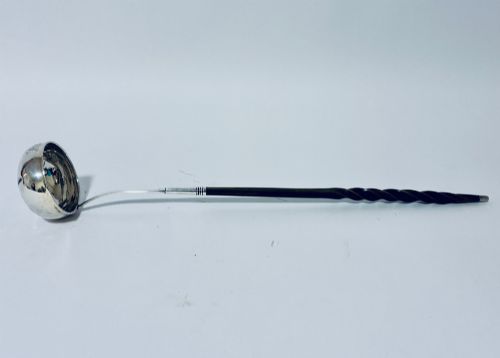
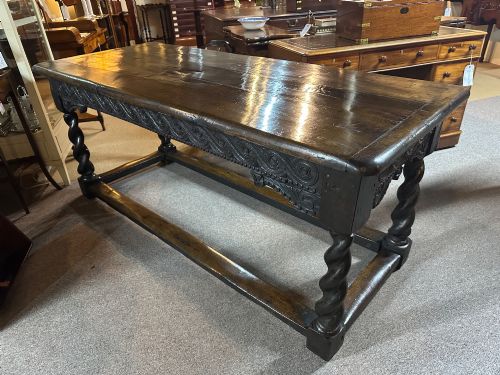
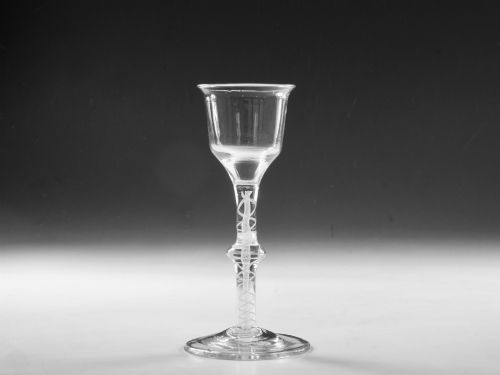
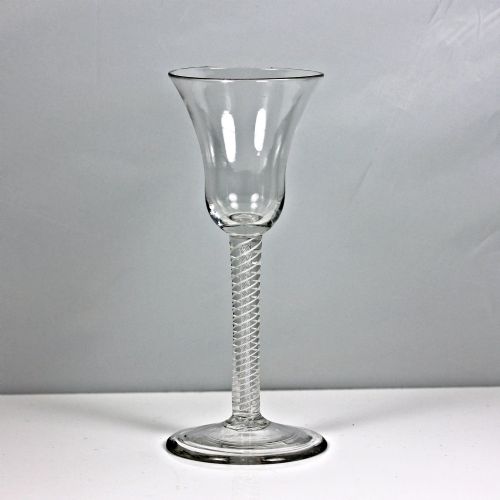
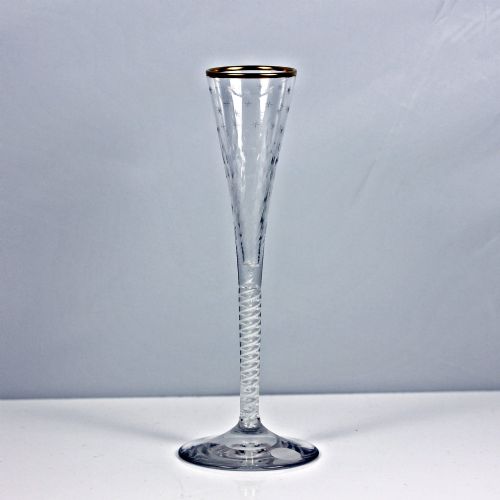
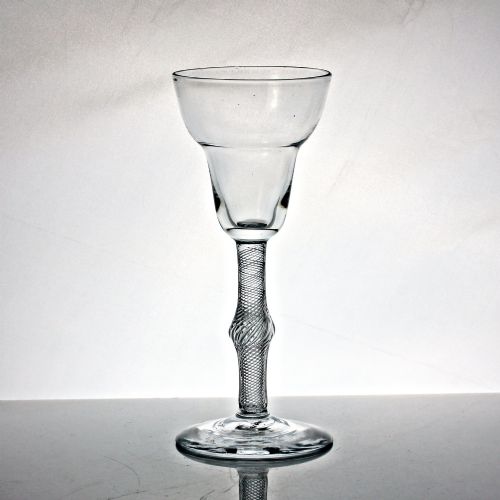
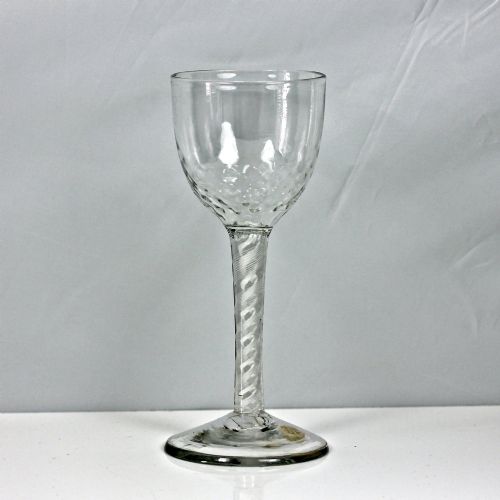
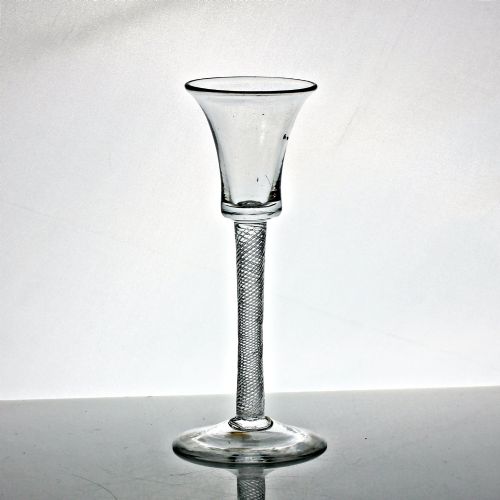
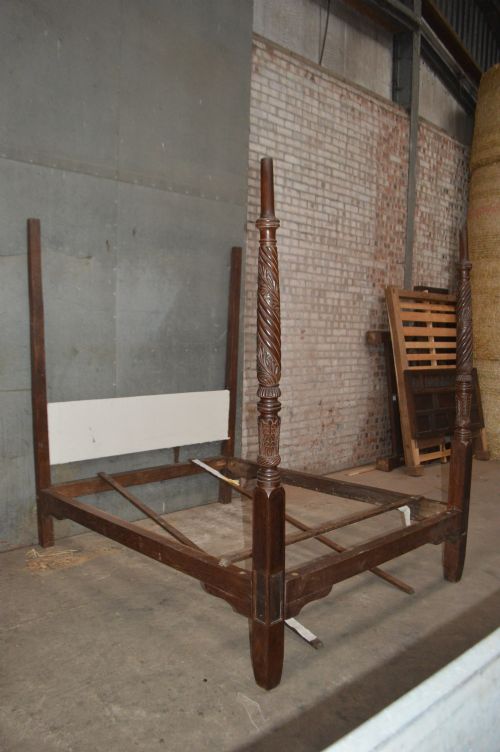
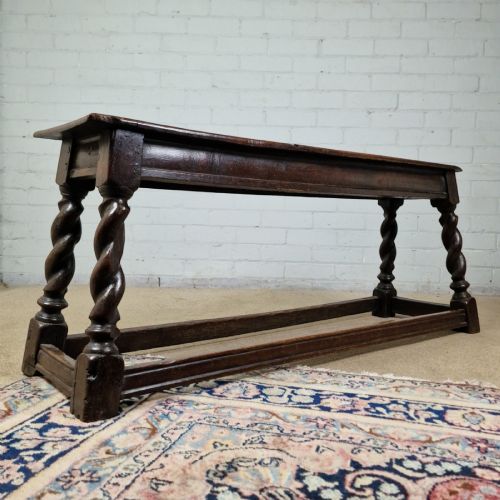
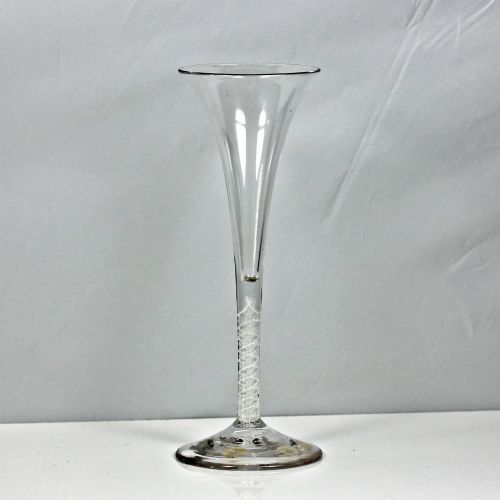
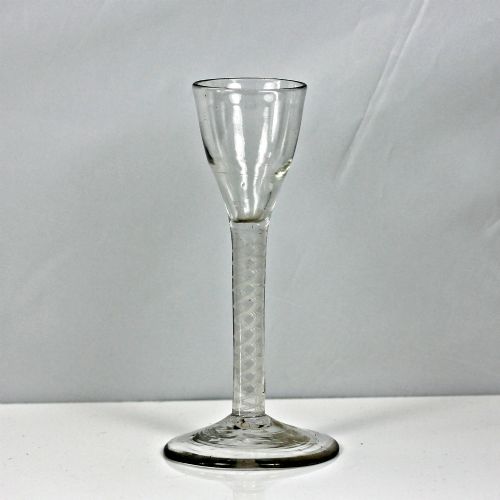
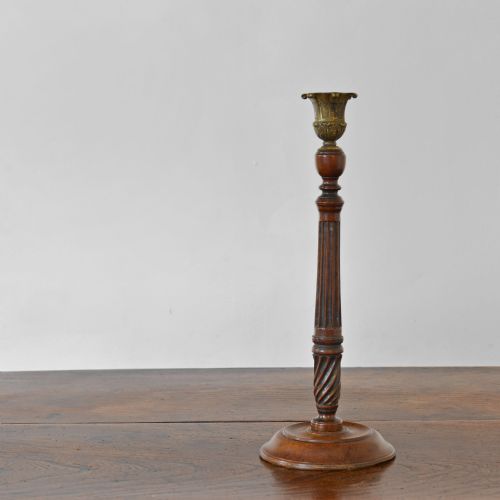
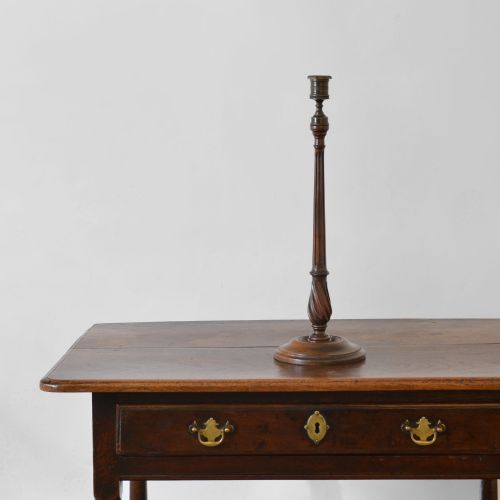
An 18th century twist primarily designates English drinking glassware from the Georgian period, specifically wine glasses, ale glasses, and cordials featuring elaborate internal stem formations or open timber turns. The selection spans delicate table glass alongside substantial mahogany, walnut, fruitwood, and oak furniture incorporating barley twist or Solomonic columns.
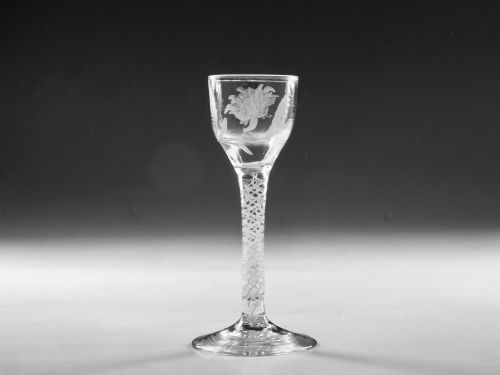
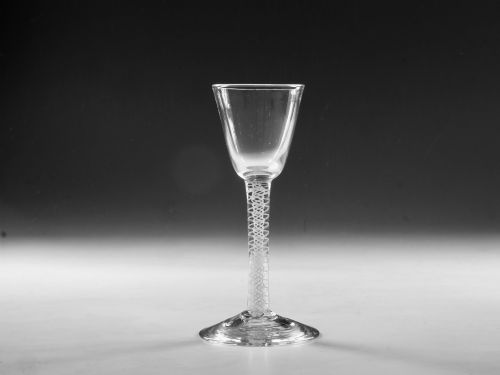
Glassware forms dominate the available selection, categorised by optical formations such as air twists, opaque whites, mixed elements, and mercury threads trapped within the lead crystal stem. Alongside these drinking vessels, buyers encounter occasional furniture and architectural elements including candlesticks, occasional tables, cabinets on stands, and pedestal columns.
Originating predominantly from mid-18th century English workshops, these items reflect the stylistic developments of the Georgian era, ranging from simple trumpet bowls to complex engraved Jacobite and Masonic pieces. The helical motif manifests across both brittle lead glass and dense hardwoods, maintaining a consistent dialogue between linear precision and organic form.
How they were made
Glass pieces utilise lead crystal, flint glass, and enamel, where air bubbles or white glass rods were drawn, twisted, and encased within molten metal by skilled glassmakers. The resulting stems often incorporate knops, collars, and folded feet formed while the material remained pliable.
Timber items employ seasoned mahogany, walnut, fruitwood, and oak shaped through manual turning on a lathe or careful hand-carving to achieve continuous open twists and Solomonic columns. Joinery techniques on tables and cabinets on stands rely on traditional pegged and dovetailed construction appropriate to the period.
Some mid-century toasts required hidden political rebellion buried inside an otherwise innocent swirl of glass.
What varies in quality
In wooden furniture and candlesticks, excellence is measured by the crispness of the carved or turned spiral and the depth of the timber's grain and patina. Architectural items and stands demonstrate superior craftsmanship through balanced proportions, intact original feet, and minimal restoration to the helical shafts.
The 18th Century Twist Glossary
- Air twist
- A stem formation containing elongated spiral bubbles trapped within the clear lead glass during manufacture.
- Opaque twist
- A stem containing white enamel rods drawn into intricate gauze or threaded patterns.
- Knop
- A bulging or swelling node on the stem of a glass, providing grip and structural variation.
- Barley twist
- A helical column resembling a rope or barley stalk, commonly found in 18th century wooden furniture and candlesticks.
- Ogee bowl
- An S-profile drinking vessel shape curving outward at the rim and inward at the base.
18th Century Twist: Frequently Asked Questions
What is an air twist glass?
An air twist glass is an 18th century drinking vessel featuring elongated spiral air bubbles trapped inside the lead crystal stem.
These optical formations were deliberately manipulated by glassmakers during the drawing process to create mesmerizing helical patterns that catch the light.
How do I date an 18th century twist?
Dating relies on stylistic shifts in bowl shapes, foot types, and the specific composition of the internal stem twists seen across Georgian examples.
Changes from early heavy lead glass with simple air threads to later opaque white twists and facet cuts help establish a precise timeframe.
Were wooden twists made during the same period?
Yes, timber items such as candlesticks, occasional tables, and cabinets on stands incorporate spiral turns contemporary with the glassware.
Craftsmen utilised walnut, mahogany, and fruitwood to produce matching barley twist and Solomonic columns for domestic interiors.
What are Jacobite engraved glasses?
Jacobite engraved glasses feature clandestine political symbols and portraits supporting the exiled Stuart dynasty during the 18th century.
These pieces often display hidden motifs such as roses, oak leaves, and specific Latin inscriptions intended for secret toasts.