



18th Century Tankard
An 18th century tankard is a robust drinking vessel built for ale, cider, or wine, prized for its honest craftsmanship and historic presence on the table.
Defining the 18th century tankard
When you search for an 18th century tankard, you enter a field dominated by sturdy metal and ceramic drinking vessels from the Georgian era. These pieces served as the primary heavy-duty drinkware for taverns, households, and banquets before lighter glass and ceramic took over domestic dining.
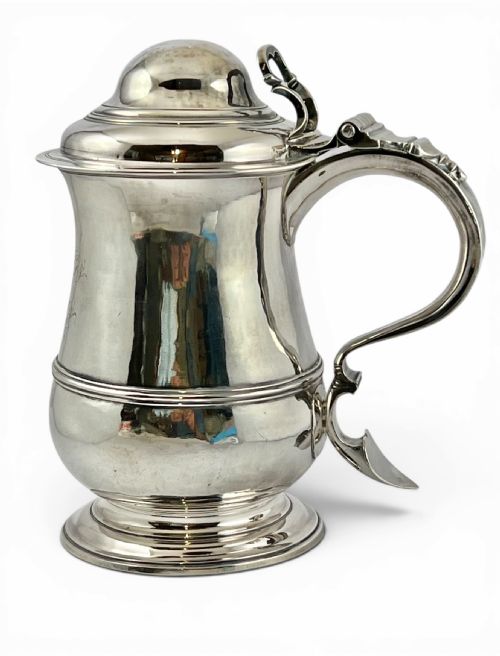
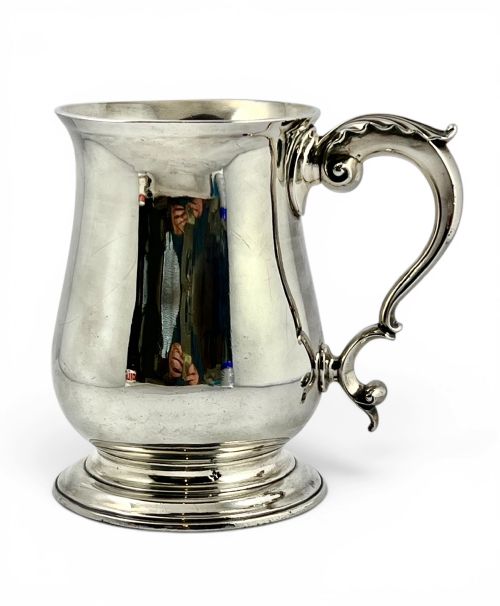
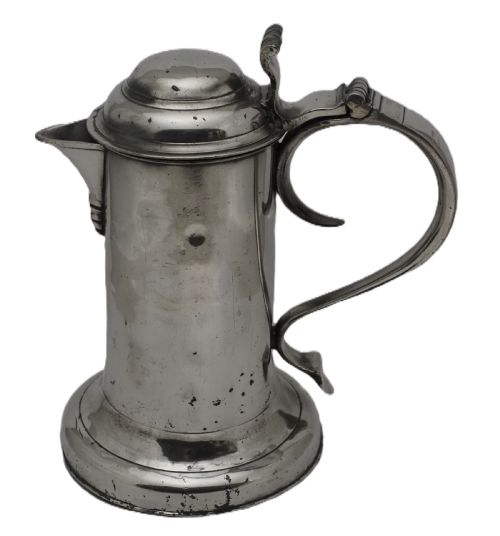
On this page, you are most likely to encounter Old Sheffield Plate lidded tankards alongside solid sterling silver, pewter, copper, and salt-glazed stoneware examples. Forms range from straight-sided and barrel shapes to baluster profiles fitted with scroll handles and hinged lids.
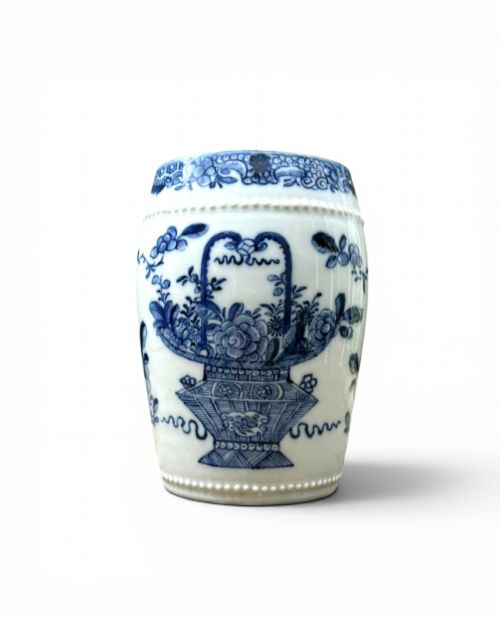
Geographic origins span domestic English workshops in London and Newcastle to continental centres including Germany, Russia, Norway, and China for export porcelain. Each regional style brings its own distinct method of construction, from coopered wooden staves to fused silver plates and hand-painted cobalt glazes.
Materials and construction
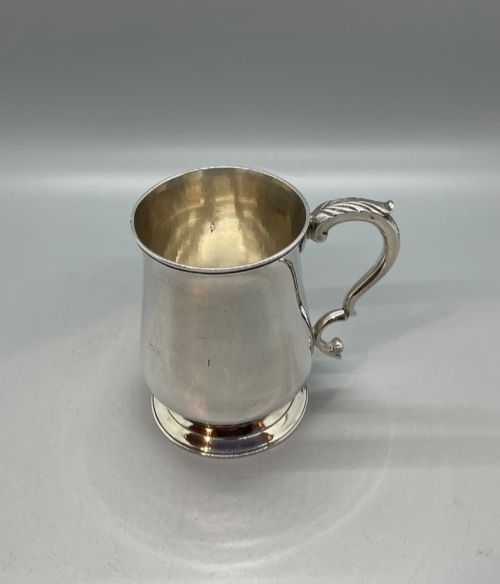
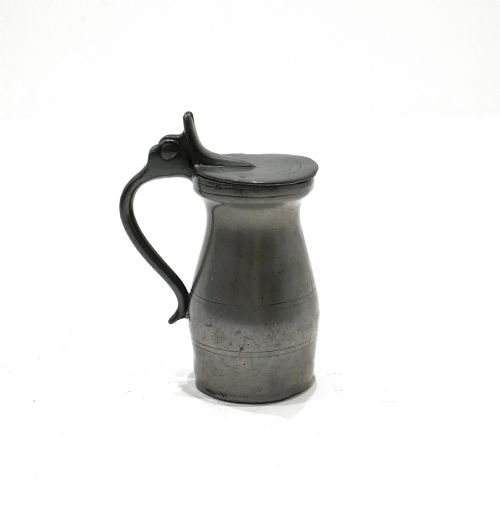
Metals form the core of the selection, utilising sterling silver, pewter, copper with brass, and Old Sheffield Plate where a thin sheet of silver is fused to a copper base. Silversmiths and pewterers hammered, cast, and soldered these metals into solid bodies, often adding hinged lids with thumbpieces for practical daily use.
Ceramic pieces rely on salt-glazed stoneware, porcelain, and earthenware shaped on the wheel or in moulds. Cobalt decoration, famille rose enamels, and Imari palettes provide surface colour, fired at high temperatures to withstand heavy handling.
Retail Price Guide 2026
Typical UK retail prices for 18th century tankard, calculated from the Sellingantiques database of over a million retail prices indexed since 2003. This retail price guide relies exclusively on Sellingantiques data; no external sources or auction records are used, so the figures do not describe the wider market.
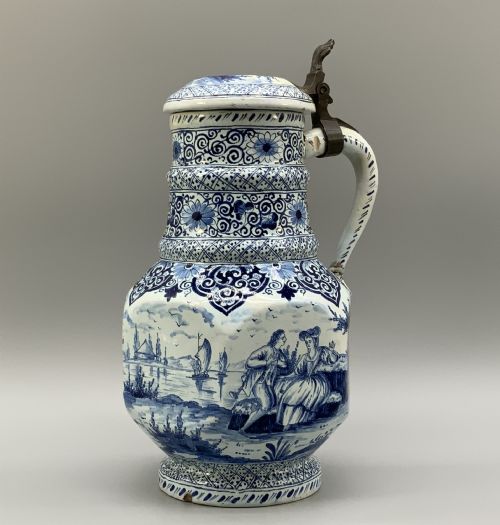
Listings feature metalwork in silver and Old Sheffield Plate alongside ceramics spanning salt-glazed stoneware, porcelain, and Dutch Delftware.
Separating standard examples from the finest work
Quality rests in the crispness of the chasing, the structural integrity of the handle joints, and the survival of the original thumbpiece and hinge mechanism. Superior silversmith work displays balanced proportions and crisp hallmarks, whereas plated wares show how well the fused silver layer has endured years of polishing.
For ceramics and wood, excellence lies in the clarity of the glaze, the boldness of hand-painted decoration, and the tightness of the coopered staves or burr birch grain. The most accomplished pieces retain their original lids, matching mounts, and clear maker stamps without excessive later alteration.
John Swift·George Smith II·N Smith
The 18th Century Tankard Glossary
- Old Sheffield Plate
- A composite material made by fusing a thin sheet of silver to a thicker copper ingot, developed in the eighteenth century to create affordable luxury metalware. This technique leaves a telltale copper seam visible on raw edges.
- Pewter
- A malleable alloy primarily composed of tin alloyed with copper and lead, used extensively for durable domestic drinkware. Pewter tankards often bear touchmarks on the base indicating the maker and standard.
- Baluster
- A curved architectural profile featuring a swelling lower body tapering towards a narrow neck, frequently seen on Georgian silver and pewter tankards. This shape provides a comfortable grip in the hand.
- Salt-Glazed Stoneware
- A ceramic pottery type fired at very high temperatures where common salt is thrown into the kiln to produce a characteristic orange-peel textured glaze. It was widely used for durable, impermeable tavern tankards.
- Peg Tankard
- A wooden drinking vessel featuring internal horizontal wooden pegs placed at regular intervals down the side to measure drinking portions during contests. Norwegian examples often utilise burr birch for dramatic grain patterns.
Frequently Asked Questions
What is an 18th century tankard?
An 18th century tankard is a large, sturdy drinking vessel equipped with a single handle and frequently a hinged lid. These pieces were designed for heavy daily consumption of ales and beers in homes and public houses.
Materials range from precious sterling silver and Old Sheffield Plate to humble pewter, copper, and salt-glazed stoneware. Their robust build has allowed thousands of examples to survive into modern collections.
How were these tankards used?
These vessels functioned as the primary communal and individual drinking cups for heavy ales, stouts, and fermented ciders across Georgian society. Their large capacities, often holding pints or quarts, suited the hearty drinking habits of the period.
Lidded versions kept dust and insects out of the drink while retaining warmth or carbonation during extended tavern gatherings or family meals.
How do I tell silver from Old Sheffield Plate?
Solid sterling silver tankards show hallmarks stamped into the metal indicating the maker, assay office, and year of production. They maintain a consistent metallic composition throughout the body of the vessel.
Old Sheffield Plate involves a layer of silver fused over a copper core. Under close inspection, particularly around rims and wear points, a faint line of reddish copper becomes visible beneath the silver surface.
How do I care for antique metal tankards?
Metal tankards require gentle cleaning with non-abrasive cloths and dedicated polishes formulated specifically for silver, pewter, or copper. Aggressive scrubbing strips away thin plating and obliterates historic patinas accumulated over centuries.
Display them away from direct moisture and extreme temperature fluctuations to prevent corrosion, pitting, or warping of soldered handle joints and hinges.