
18th Century Style Painting
When you search for 18th century style painting, you enter a world of canvas and oil depicting portraiture and classical scenes.
18th Century Style Painting
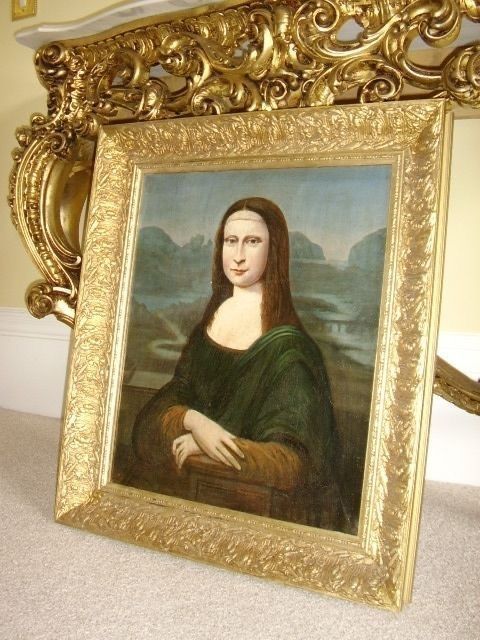
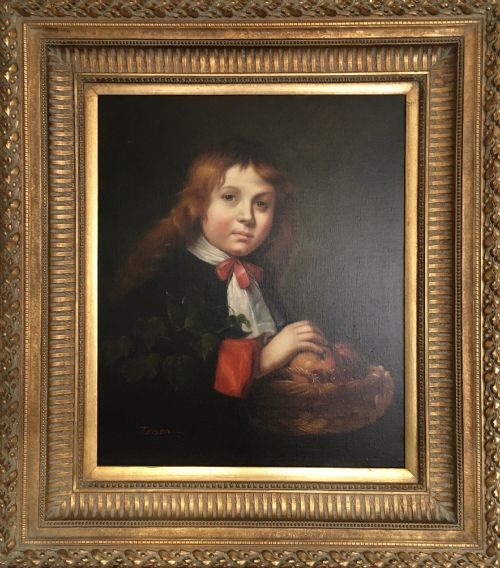
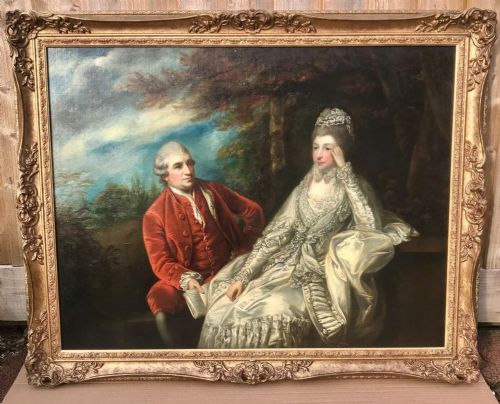
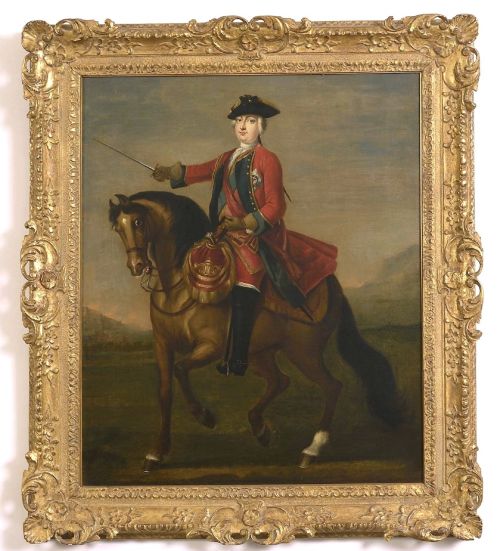
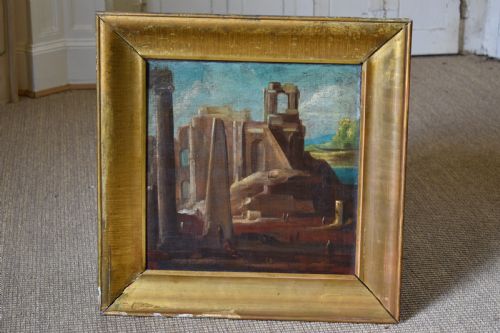
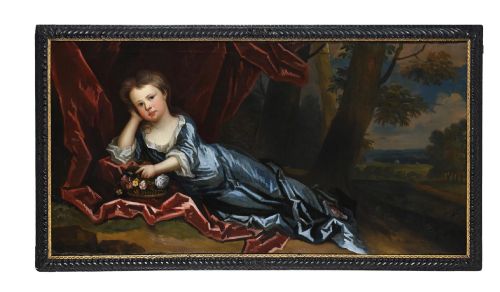
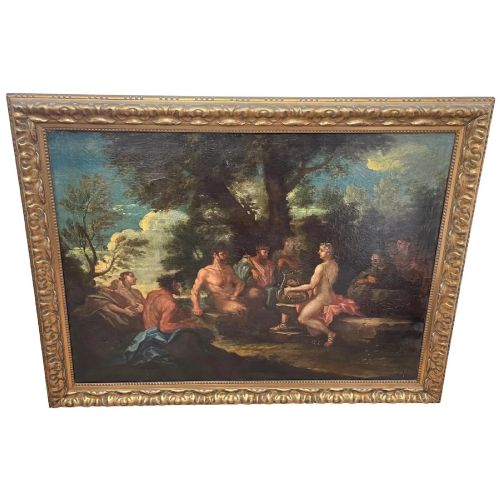
Buyers browsing 18th century style painting encounter canvases spanning actual eighteenth-century works, nineteenth-century revivals, and later interpretations. The selections on this page lean heavily toward oil on canvas portraits, mythological subjects, and still life scenes.
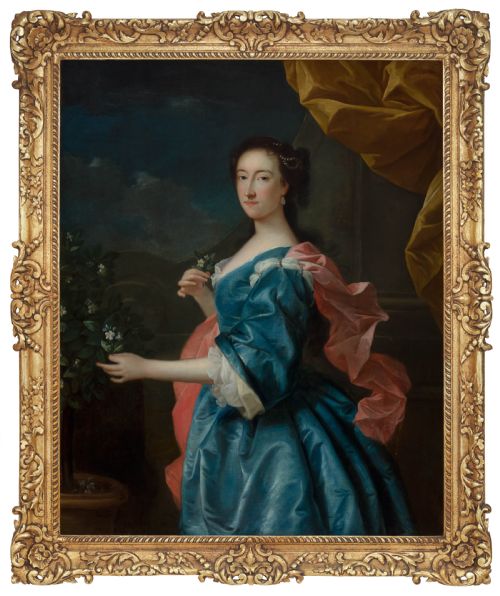
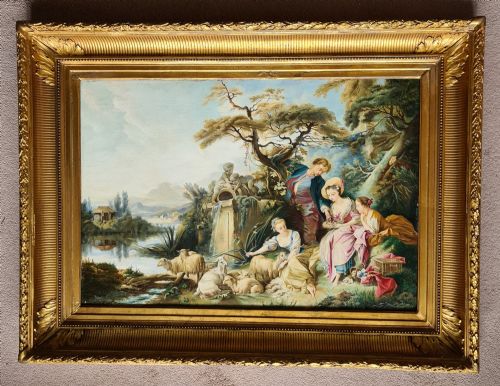
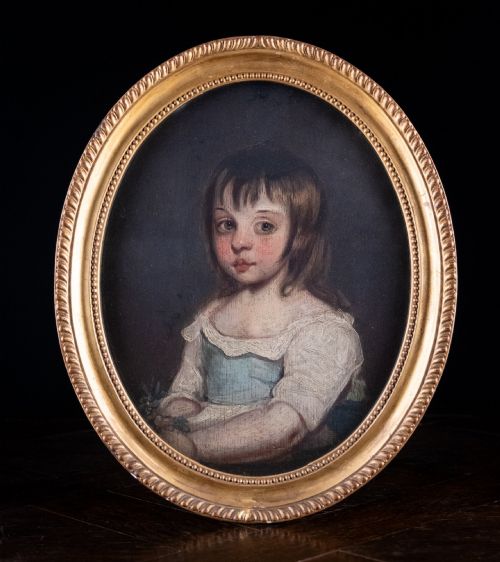
Portraits of sitters in period attire dominate the selection, alongside mythological compositions and landscape pieces. Many examples draw directly from prominent artists such as François Boucher, Jean-Baptiste Greuze, and Allan Ramsay.
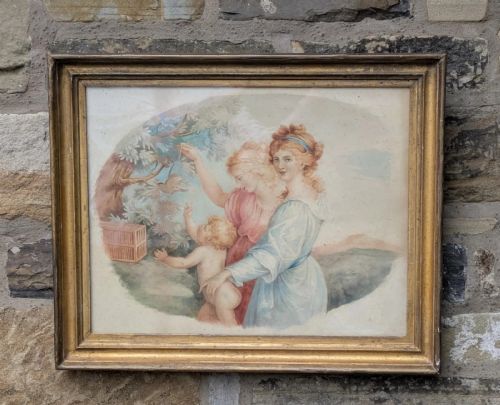
The objects reflect diverse regional aesthetics, encompassing English portraiture, French provincial work, and Dutch interior scenes. While oil paintings form the core of the listings, watercolour and mixed media pieces also appear.
Materials and Technique
Traditional production relied upon oil paint applied to stretched canvas or wooden panels, utilising ground pigments mixed with drying oils. Artists built depth through layered glazes, creating the luminous skin tones and rich drapery characteristic of the period.
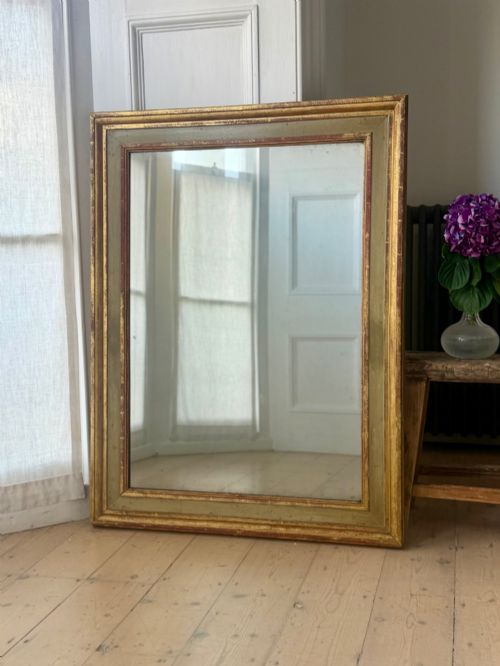
Frames and associated decorative items frequently employ carved wood and giltwood, occasionally incorporating mercury glass in mirror plates. Support structures range from simple pine stretchers to ornate, hand-carved gilt frames that complement the canvas.
Even a sleeping congregation captured by Hogarth needs a steady wall.
Judging Quality and Execution
The integrity of the canvas and the preservation of the original paint layer heavily influence the standing of a piece. Works retaining their initial stretchers, early or original framing, and minimal restoration command greater interest among collectors.
Jeremiah Davison·Francois Boucher·Joshua Reynolds·John Wootton·Thomas Hudson·Charles D’Agar·Allan Ramsay·William Hogarth·Jean-Baptiste Greuze·Jean-Baptiste van Loo·James Maubert·Joseph Vivienne·Jan Miel
The 18th Century Style Painting Glossary
- Oil on Canvas
- A painting medium where pigments are suspended in a drying oil, applied to a woven fabric support stretched across a wooden frame. This technique allowed artists to achieve rich colour saturation and subtle tonal gradations.
- Giltwood
- Wood that has been decorated with a thin layer of gold leaf or powder. It frequently appears on the elaborate frames housing classical and portrait canvases.
- Portrait Miniature
- A small, highly detailed painting, usually executed on ivory, vellum, or card. These intimate items captured likenesses for personal keepsake or family display.
- Chinoiserie
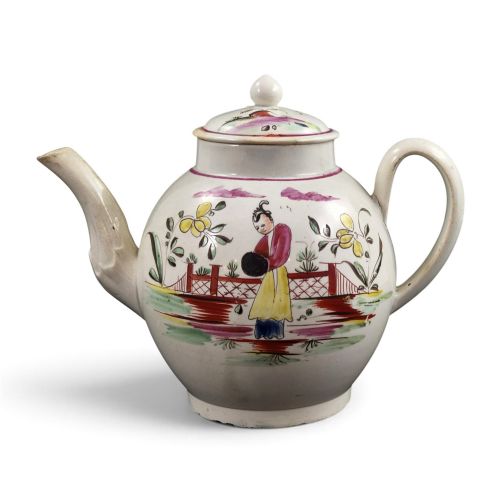
- A European artistic style reflecting Chinese motifs and techniques, popular in furniture, ceramics, and decorative paintings. It combined asymmetrical designs with exotic landscapes and figures.
- Neoclassical
- A Western cultural movement drawing inspiration from the classical art and culture of ancient Greece and Rome. In painting, this style emphasised severe linear design and heroic subject matter.
18th Century Style Painting: Frequently Asked Questions
What is an 18th century style painting?
These works encompass genuine eighteenth-century canvases as well as later nineteenth-century interpretations and copies. They primarily feature oil on canvas portraits, mythological narratives, and landscape scenes.
Subjects range from named historical figures to anonymous country girls, executed by various British and European schools. The style emphasises classical composition, rich drapery, and detailed facial expression.
How were these paintings originally displayed?
Period artworks hung principally within the reception rooms, staircases, and long galleries of substantial country houses and town residences. They served to project family lineage, intellectual pursuits, and social standing.
Many were commissioned directly from portraitists or acquired during continental travels known as the Grand Tour. Elaborate giltwood frames ensured the artwork commanded attention against panelled or damask-clad walls.
How do I care for an oil on canvas?
Protect the canvas from direct sunlight, extreme temperature fluctuations, and high humidity to prevent cracking and warping of the paint layer. Display the piece on stable interior walls away from direct heat sources.
Dust the surface and frame gently with a soft, dry brush without applying pressure. Professional conservators should handle any cleaning or varnish removal.
How can I tell an original period work from a later copy?
Examine the canvas weave, stretcher construction, and the ageing of the oil paint under magnification to assess period authenticity. Eighteenth-century canvases typically exhibit hand-beaten nails, older pine stretchers, and natural craquelure.
Stylistic cues, costume details, and pigment analysis further help distinguish contemporary portraits from nineteenth-century studio revivals. Documentation or attribution to known artists also clarifies the history of the piece.