





Rococo Interior Painting
These rococo interior painting works capture elaborate period rooms and courtly leisure scenes.
Rococo Interior Painting
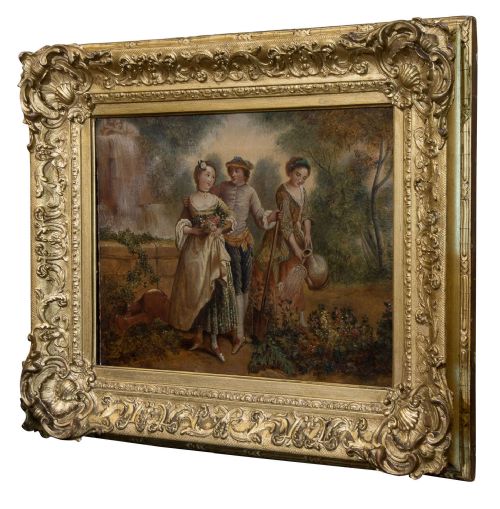
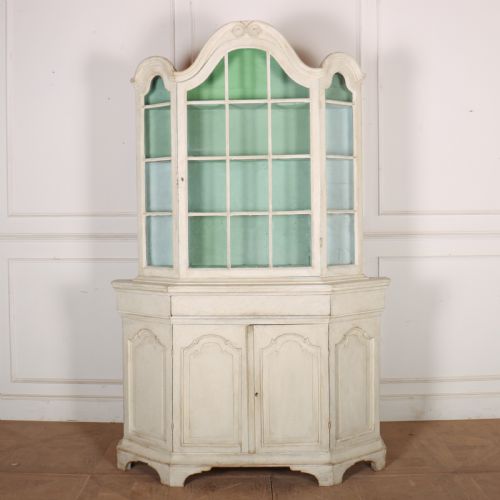
A rococo interior painting typically depicts figures in ornate historical rooms, often set in palaces like Versailles or traditional Dutch spaces. These artworks include oil on canvas pieces, historical genre paintings, and related display cabinets from various periods.
Buyers seeking a rococo interior painting encounter nineteenth-century interpretations alongside earlier eighteenth-century examples. The selection includes French school works, Italian compositions, and Dutch glazed display cabinets that share the aesthetic.
The subjects range from card players and chess matches to afternoon tea in grand settings. French rococo revival and Dutch styles dominate the visual record.
Materials and construction
These works rely on oil paint applied to canvas surfaces, mounted within wooden frames or giltwood surrounds. Canvas provides the primary ground for detailed figurative scenes set inside elaborate domestic and palace interiors.
Framing often involves gilt wood or gesso, complementing the ornate interior themes depicted within the pigment layers. Cabinet pieces utilise wood and glass construction to display collections alongside the painted works.
Courtiers perpetually pause their chess games and afternoon tea across the centuries.
Judging quality in the works
Quality rests upon the handling of light within the interior scene and the precision of figurative detail. Works by named artists demonstrate sophisticated brushwork in rendering fabrics, expressions, and architectural backgrounds.
The integration of the gilded frame with the canvas contributes to the visual coherence of the piece. Cabinet pieces depend on the joinery of the wood and the clarity of the glazed panels.
Johann Hamza·Marcel Brunery·Joaquín Luque y Roselló·Carlo Ferranti
The Rococo Interior Painting Glossary
- Oil on Canvas
- Pigment mixed with drying oil applied to a woven fabric support. This traditional medium allows for rich colour blending and layered details.
- Giltwood
- Wood carved and coated with gold leaf or a gold-coloured finish. It frequently surrounds nineteenth-century painting frames.
- Genre Painting
- Artwork depicting scenes from everyday life, often involving figures in interior settings. These scenes capture activities like card games or tea.
- Vitrine
- A glass-fronted cabinet used for displaying objects. Eighteenth-century Dutch examples appear alongside the paintings.
- Chrystoleum
- A photograph coloured with oils and mounted under convex glass. This technique gained popularity in the nineteenth century.
Rococo Interior Painting: Frequently Asked Questions
What periods do these paintings date from?
The pieces span from the eighteenth century through to the mid twentieth century. Many reflect nineteenth-century revivals of earlier styles.
Earlier examples include eighteenth-century Dutch works, while later pieces incorporate academic and revival approaches.
What subjects appear in these scenes?
Scenes focus on figures engaged in leisure activities within grand rooms. Courtiers playing chess, card games, and taking afternoon tea are common.
Palace interiors, particularly Versailles and Parisian settings, provide the backdrop for these figurative works.
How do I display a painted canvas?
Paintings on canvas typically hang on walls within matching giltwood frames. Proper placement avoids direct sunlight to protect the oil pigments.
Matching frames enhance the historical interior aesthetic of the artwork.
What materials make up the frames?
Frames consist primarily of wood finished with gilt or gold leaf. Giltwood provides the traditional reflective border suited to these interior scenes.
Some items combine canvas paintings with wooden display furniture.