

18th Century Style Dresser
An 18th century style dresser brings architectural timber and deep proportions into a room, offering both surface display and generous storage.
18th Century Style Dresser
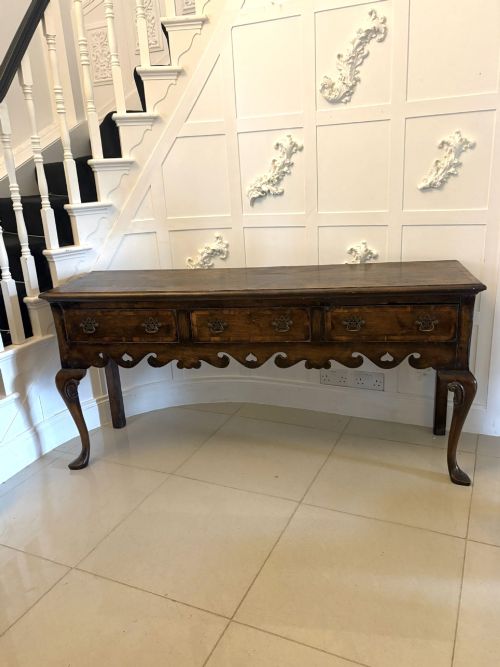
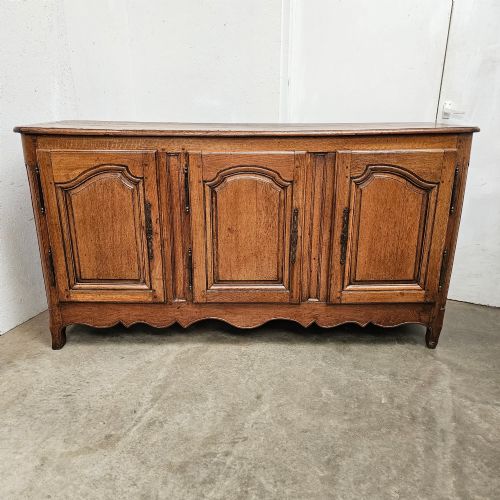
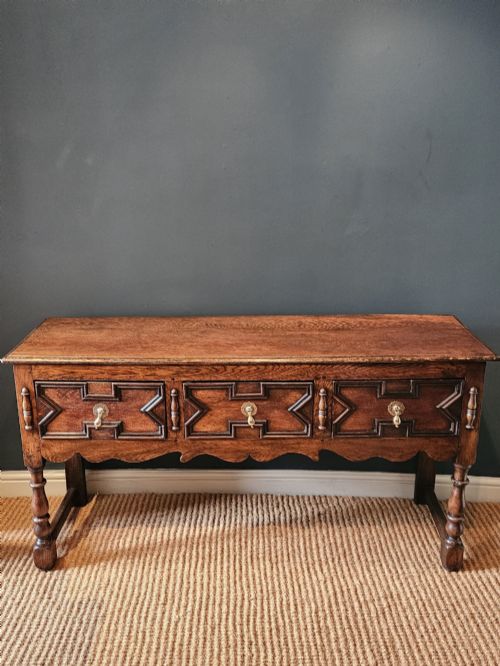
When browsing for an 18th century style dresser, buyers encounter a mix of regional European forms spanning Welsh pot boards, French enfilades, and low oak dresser bases. The selection leans heavily toward sturdy timber frameworks designed for domestic utility and display.
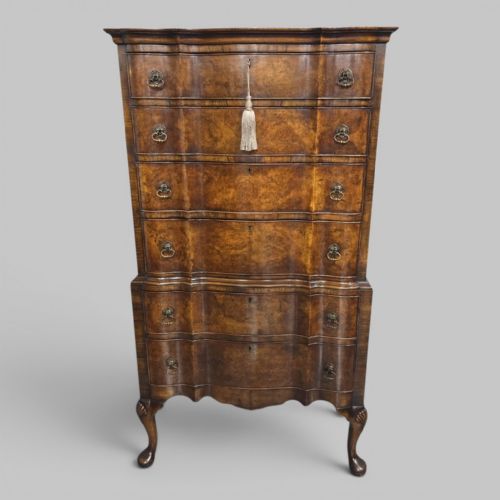
Many pieces span authentic 18th-century construction as well as later interpretations produced across the Georgian, Victorian, and Edwardian periods. Forms range from towering canopy dressers with plate racks to compact commodes and sideboards.
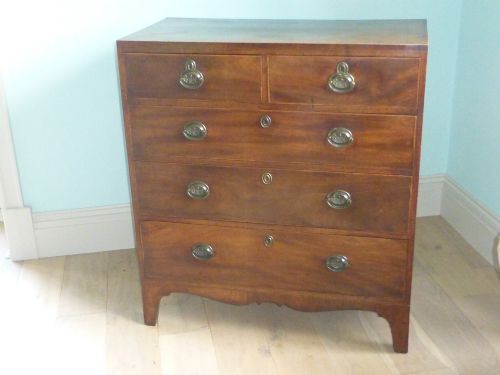
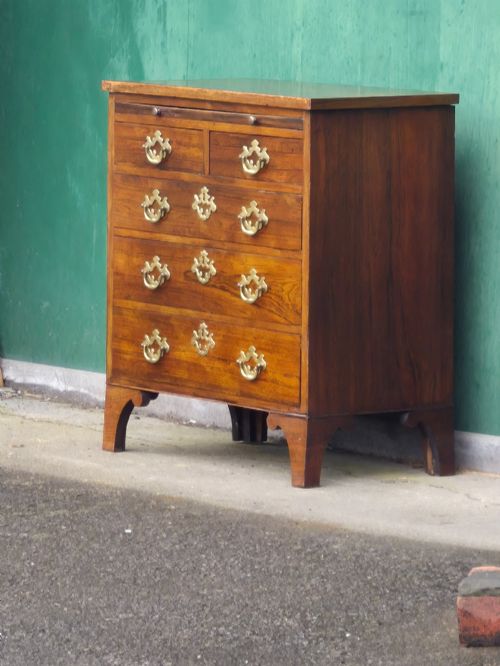
Regional variations dictate the silhouette, shifting from carved English oak to French cherrywood, burr walnut, and painted Gustavian pine. Buyers frequently find chests of drawers and commodes catalogued alongside traditional kitchen dressers.
How they were made
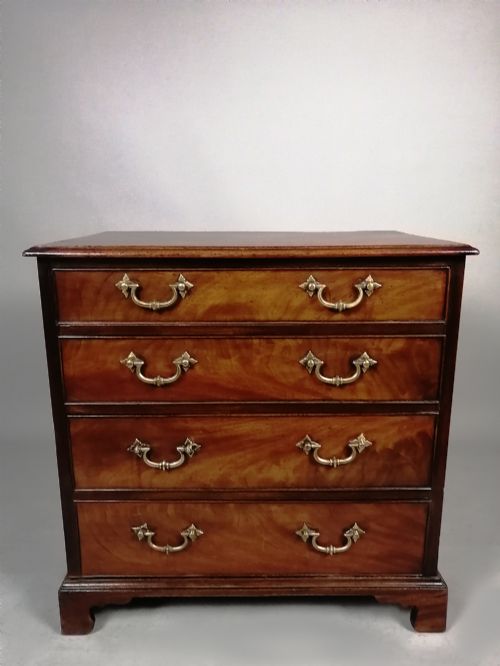
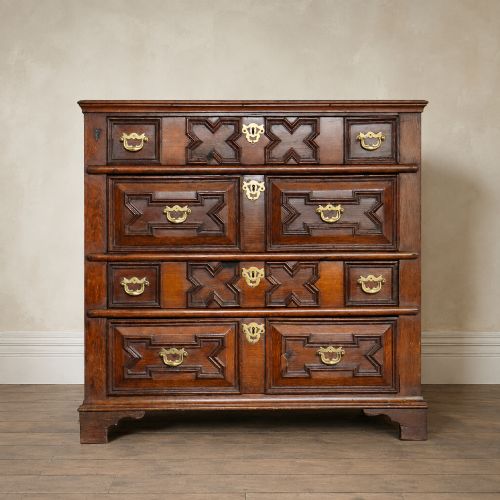
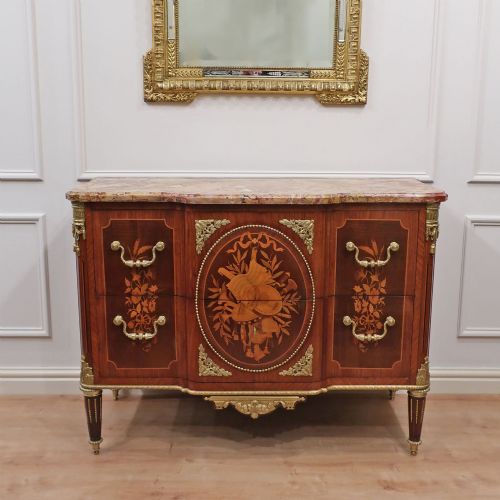
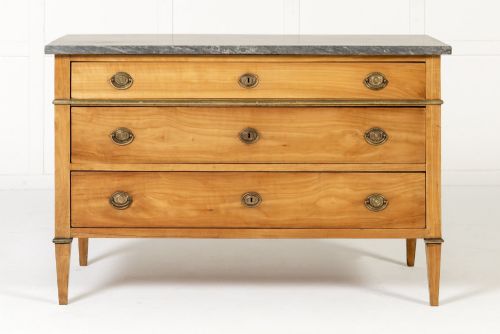
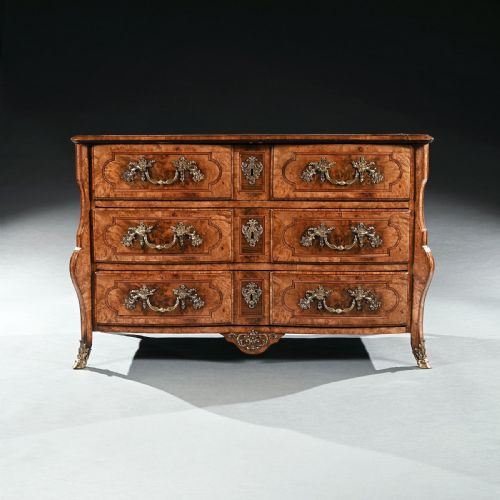
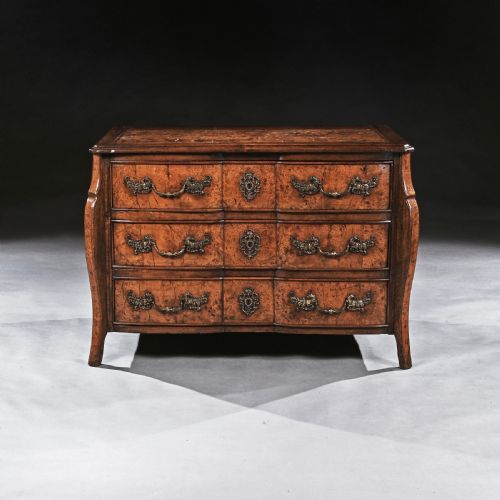
Cabinetmakers relied on solid timber construction using oak, mahogany, walnut, and cherrywood, often accented with burr veneers and marquetry patterns. Brass drop handles, escutcheons, and occasional marble tops complete the primary material palette.
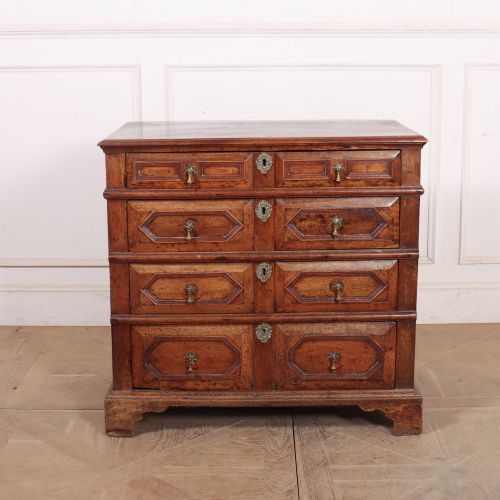
Joinery techniques relied on pegged mortise and tenon frames, hand-cut dovetails for drawer boxes, and geometric mouldings applied to panelled doors. Surfaces received traditional wax, polish, or painted finishes depending on regional workshop practices.
Listings feature oak, mahogany, walnut, and rosewood across Georgian and 18th-century periods.
What varies in quality
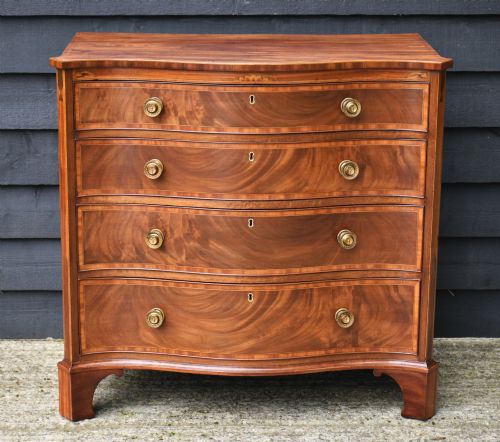
The degree of refinement in timber selection separates standard utilitarian pieces from high-end cabinetwork. Figured veneers, well-matched grain patterns across drawer fronts, and dense secondary woods indicate superior workshop standards.
Original hardware, untouched patination, and crisply executed carving define the higher tiers of surviving examples. Structural integrity in the drawer runners and carcass joints distinguishes pieces that have endured heavy domestic use.
Thomas Hache of Grenoble
The 18th Century Style Dresser Glossary
- Pot board
- An open lower shelf on a dresser traditionally used for storing pots and heavy kitchenware.
- Commode
- A low French chest of drawers or cabinet standing on legs, frequently fitted with a marble top.
- Enfilade
- A long sideboard or buffet featuring multiple doors, originating in large European dining rooms.
- Brushing slide
- A pull-out shelf integrated into the upper section of a chest of drawers for folding garments.
- Marquetry
- Decorative veneer patterns assembled from thin slices of contrasting wood or other materials.
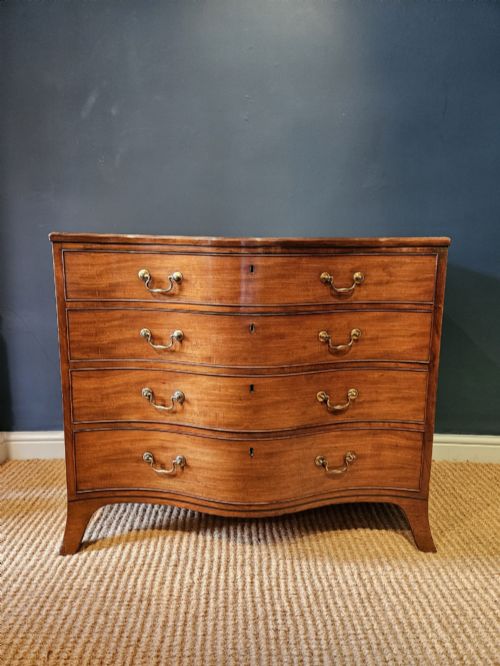
- Serpentine front
- A furniture facade curved in a wave shape, convex at the centre and concave at the ends.
18th Century Style Dresser: Frequently Asked Questions
What is a Welsh dresser?
A Welsh dresser combines a lower storage cabinet or base with an upper plate rack for displaying ceramics and pewter.
Traditional versions feature open pot boards beneath the main surface, providing accessible storage in domestic kitchens.
How do I date an oak dresser?
Dating relies on examining joinery methods, timber species, and tool marks visible on the unexposed interior panels.
Hand-cut dovetails, pegged joints, and the natural oxidation of the oak grain offer reliable clues to the period of construction.
Where should I place a dresser?
These pieces suit dining rooms, kitchens, and large hallways where their surface depth can accommodate daily use and display.
Ensure placement avoids direct sunlight and major heat sources to protect the historic timber and polish.
What is a commode?
A commode is a low chest of drawers or cabinet developed in France, often featuring decorative veneers or painted surfaces.
They function well as bedside tables or accent pieces in living areas, providing enclosed storage with decorative presence.