



18th Century Style Clock
An 18th century style clock brings classical proportion and traditional craft to a room, spanning grand longcases and diminutive wall cartel pieces.
18th Century Style Clock
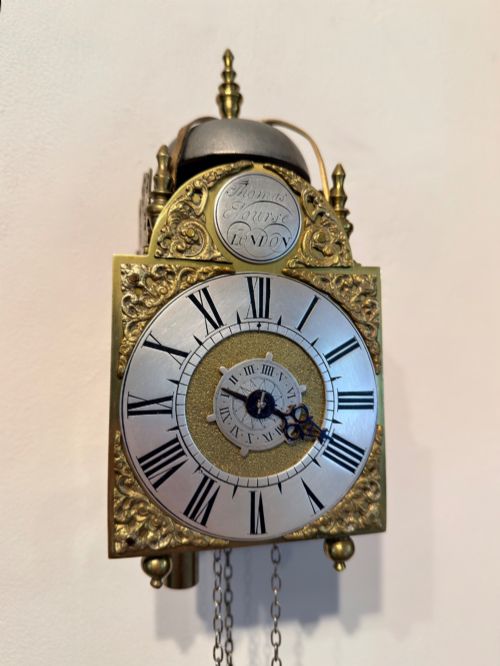
An 18th century style clock encompasses floor-standing longcases, wall-hung cartel timepieces, and decorative mantel clocks drawing on Georgian, Louis XV, Louis XVI, and Rococo design traditions. Buyers searching this phrase encounter examples originating from the Georgian period through the nineteenth century and into the early twentieth century.
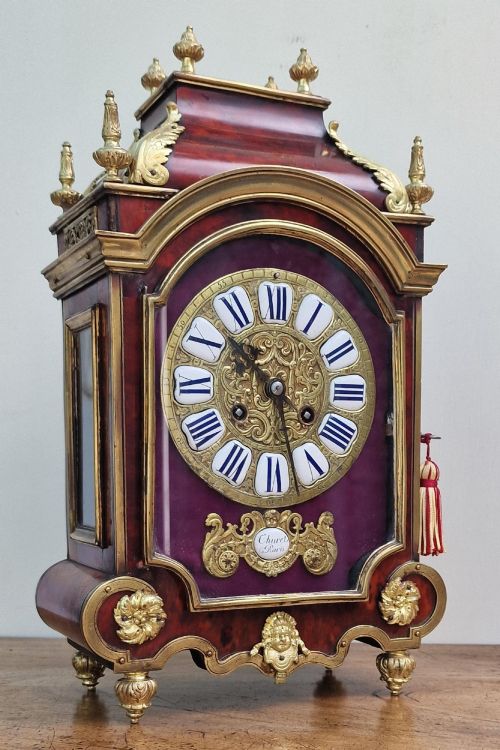
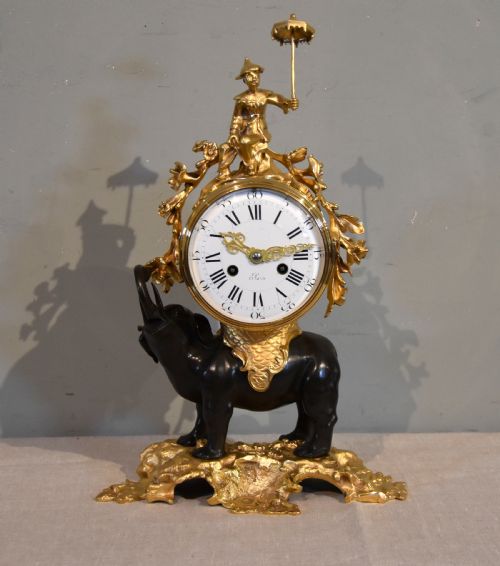
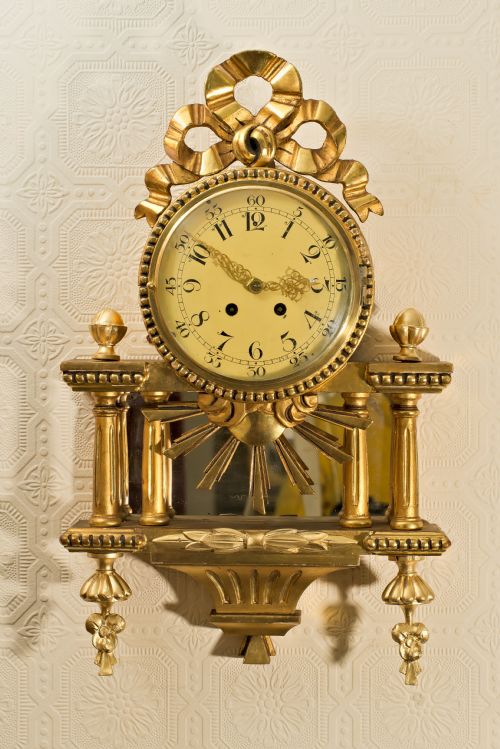
The longcase form dominates the taller pieces in this category, often finished in Chinoiserie lacquer or carved wood, while smaller wall and mantel pieces utilise ormolu, gilt bronze, tortoiseshell, and giltwood. These objects bridge original period manufacture and later revival periods that faithfully replicated earlier proportions and decorative schemes.
How they were made
Cabinetmakers and clockmakers constructed these pieces using dense woods such as oak and pine as carcases, applied with elaborate veneers, marquetry, or painted Chinoiserie lacquer. Metal components involved cast brass and bronze, frequently finished with mercury gilding to produce ormolu surfaces.
Dials and bezels incorporated white enamel chapters and protective glass panes, while specialised wall-hung cartel clocks relied on carved and gilded wooden frames or cast bronze mounts. Movement construction combined brass wheels and steel arbors housed within wooden or metal cases.
Listings for this phrase include pieces spanning the Georgian period, Victorian era, and the years 1880, 1890, 1900, alongside nineteenth-century French production.
What varies in quality
The refinement of the casting and carving defines the upper tier of these pieces, where ormolu mounts show crisp chasing and wooden cases display deep, hand-cut moulding rather than moulded composition. Proportion and balance in the case architecture separate competent cabinetwork from heavier, less harmonious interpretations.
Surface finish longevity also dictates worth, visible in the depth of hand-applied lacquer, the integrity of tortoiseshell panels, and the preservation of original fire gilding on bronze elements.
Thuret·Wetterstrands·Gardner of London
The 18th Century Style Clock Glossary
- Cartel clock
- A wall-mounted clock housed in an ornate frame typically made of giltwood, brass, or bronze. These decorative pieces were designed to hang directly on wood paneling or plastered walls in formal interiors.
- Ormolu
- Finely ground high-carat gold applied to a bronze base using a mercury amalgam technique. This historic process produces a warm, durable metallic lustre found on high-end French and English clock mounts.
- Longcase clock
- A tall floor-standing timepiece enclosed in a wooden case, commonly known as a grandfather or grandmother clock. They protect the swinging pendulum and descending weights behind a glazed trunk door.
- Chinoiserie
- European decorative style reflecting Chinese artistic motifs, executed in painted or lacquered low-relief scenes. It frequently appears on the tall wooden trunks of eighteenth-century style longcase clocks.
- Boulle work
- Elaborate marquetry consisting of tortoiseshell and brass inlaid in contrasting patterns. Named after the French cabinetmaker André Charles Boulle, it decorates the surfaces of luxurious mantel and bracket clock cases.
18th Century Style Clock: Frequently Asked Questions
How do I identify a true longcase clock?
A longcase clock stands directly on the floor and encloses its weights and pendulum within a tall wooden trunk. The movement sits at the top behind a glazed door, separate from the main body.
These pieces require a stable, level floor to operate correctly and keep accurate time.
Where should a cartel clock be hung?
Cartel clocks require sturdy wall fixings capable of supporting the combined weight of their wooden or cast bronze frames and internal movements. They look best mounted at eye level on plain walls where their ornate silhouettes stand out.
Avoid placing them near heat sources or damp exterior walls that could warp the wood or damage the metalwork.
What is the difference between ormolu and brass?
Ormolu consists of a bronze base metal treated with a gold and mercury mixture that is fired to leave a rich, golden coating. Standard brass is an untreated alloy of copper and zinc with a simpler yellow metallic appearance.
Ormolu mounts on clocks usually exhibit sharper detail from fine hand-chasing after casting.
How do I care for lacquered clock cases?
Lacquered surfaces on Chinoiserie and tortoiseshell clocks require gentle dusting with a soft, dry microfibre cloth. Avoid chemical polishes, silicone sprays, or excessive moisture which can lift the delicate finish.
Keep the clock out of direct sunlight to prevent the lacquered pigments and tortoiseshell from fading over time.