




18th Century Silver Cutlery
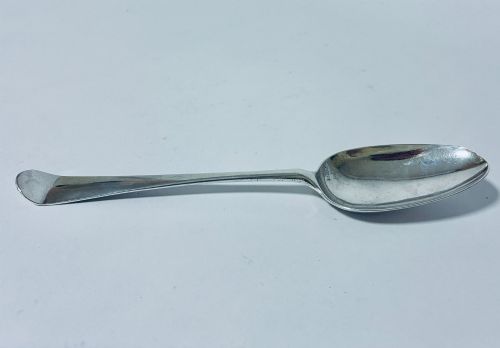
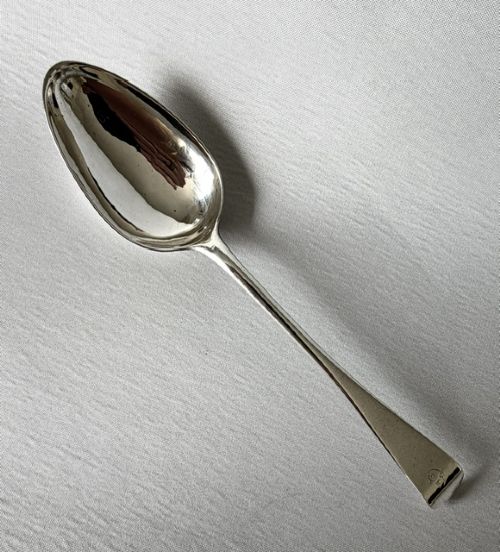
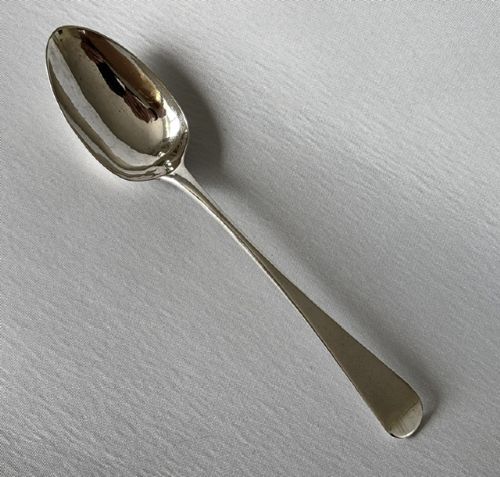
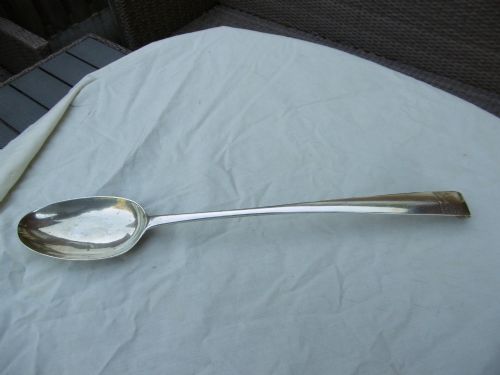
These pieces of 18th century silver cutlery bring tactile history to the table, offering tangible links to Georgian dining rituals through sterling silver spoons, forks, and ladles.
18th Century Silver Cutlery
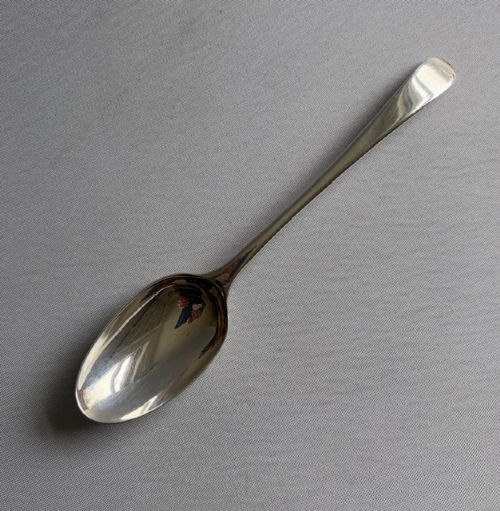
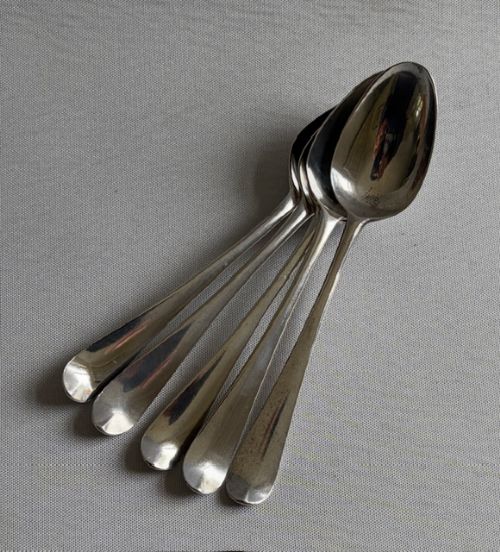
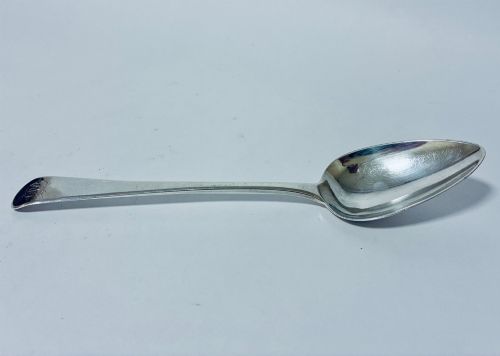
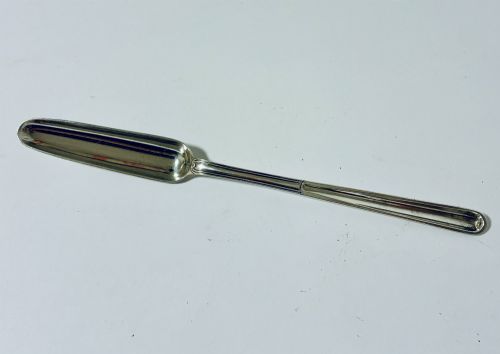
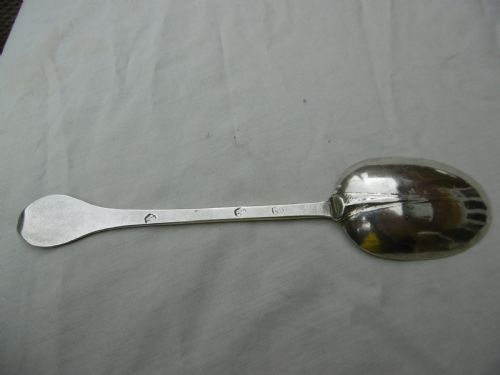
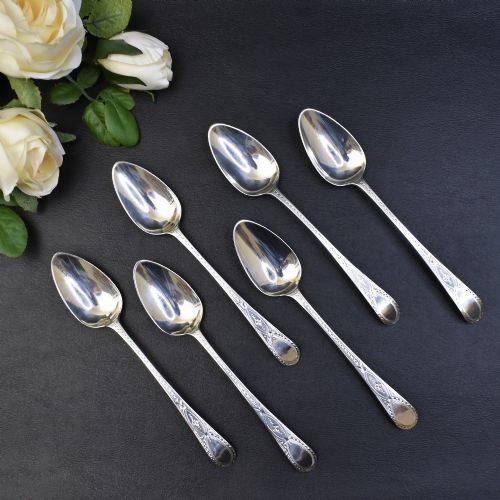
When searching for 18th century silver cutlery, collectors encounter domestic flatware and serving utensils fashioned during reigns spanning Queen Anne, George I, George II, and George III. The selection here heavily comprises sterling silver spoons, from heavy serving utensils and basting spoons to delicate teaspoons and marrow scoops.
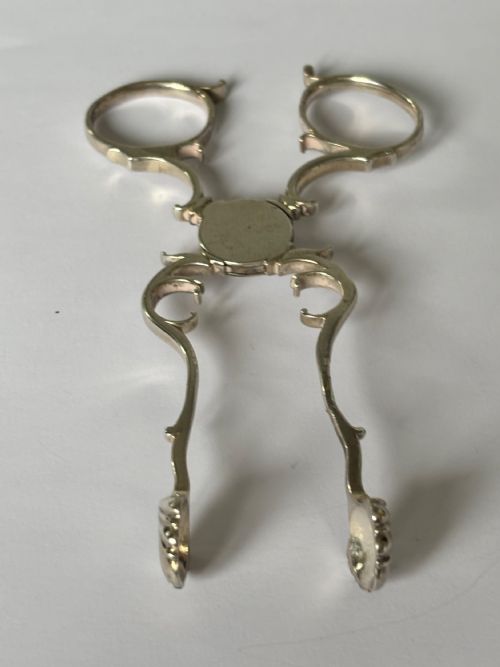
Beyond standard flatware, the forms extend to specialised pieces such as three-pronged dessert forks, folding fruit forks, and sugar nips. Provincial and Scottish examples sit alongside London-made pieces, accompanied by occasional mahogany or satinwood cutlery boxes fitted with silver mounts.
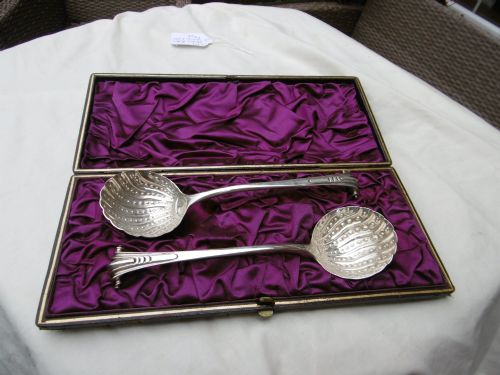
The assortment reflects the dining habits of the period, where individual place settings evolved alongside elaborate serving pieces for the table. Buyers will find matched sets, cased pairs, and individual provincial spoons bearing crisp maker marks and family crests.
Materials and Construction
The primary material is sterling silver or high-purity silver, shaped by hammering, casting, and hand-engraving in workshops across London, Dublin, Edinburgh, and provincial towns. Makers utilised traditional techniques such as rat-tail reinforcement on spoon bowls and bright-cut engraving for surface decoration.
Complementary materials appear in fitted storage containers and travelling sets, incorporating mahogany, satinwood, leatherette, steel, horn, and gold gilt accents. Solid silver mounts secure these wooden cutlery boxes and travelling cases, marrying cabinet-making with silversmithing.
18th Century Silver Cutlery Retail Price Guide 2026
Typical asking prices for 18th century silver cutlery among the pieces listed under this phrase on Sellingantiques today, from the lower quarter to the upper quarter. They describe what is for sale here now, not the wider market.
Listings feature 18th century silver cutlery from diverse regions including London, Edinburgh, Newcastle, Exeter, and Dublin.
Judging Quality and Distinction
Quality rests upon the clarity of the hallmarks, the crispness of engraved crests, and the retention of original weight and bowl shape against centuries of use. Pieces retaining sharp rat-tails, distinct maker stamps, and unthinned spoon bowls command greater appreciation among collectors.
The distinction between ordinary utility items and superior survivals often lies in regional provenance, such as scarce Scottish or Irish provincial pieces, and whether specialised forms like three-pronged forks or hook-end basting spoons survive in matched pairs or cased sets.
Hester Bateman·Peter And Jonathan Bateman·William Fearn·Thomas Tookey·James Tait
The 18th Century Silver Cutlery Glossary
- Dognose spoon
- An early 18th-century spoon style featuring a distinct upturned rounded terminal resembling a dog's nose, popular during the reigns of Queen Anne and George I.
- Rat-tail
- A tapered tongue of silver extending down the back of the spoon bowl from the stem, strengthening the junction during the late 17th and early 18th centuries.
- Bright-cut engraving
- A faceted surface decoration technique cut with a flat graving tool, creating sparkling geometric patterns popular on late Georgian silverware.
- Marrow scoop
- A narrow, trough-like utensil used for extracting marrow from bones, featuring a small spoon at one end and a larger scoop at the other.
- Bottom marked
- A hallmark struck on the reverse of the spoon stem rather than the upper handle, typical of earlier 18th-century manufacturing practices.
18th Century Silver Cutlery: Frequently Asked Questions
How do I identify a Queen Anne spoon?
Queen Anne period spoons typically display Britannia standard silver marks, higher in purity than later sterling, alongside distinctive dognose terminals and rat-tail stem attachments.
These early pieces often show hand-engraved family crests on the reverse of the handle and carry hallmarks datable to the early 1700s.
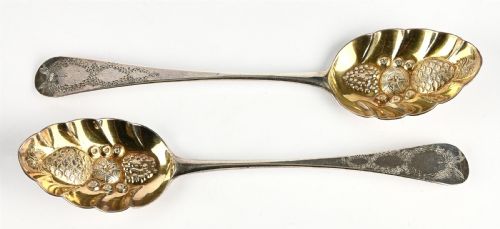
What is a berry spoon?
A berry spoon is usually an earlier Georgian tablespoon that was later retrofitted with repoussé fruit and leaf decoration during the Victorian era.
The bowl and stem were embossed and chased with naturalistic berry motifs to give a decorative serving piece for dessert courses.
How were marrow scoops used?
Marrow scoops were utilised at grand dining tables for extracting roasted bone marrow to spread on toast or enrich sauces.
The double-ended design provided a narrow scoop for tight spaces and a wider spoon for collecting the delicacy.
Can I use antique silver cutlery daily?
Many collectors use 18th-century sterling silver flatware for special occasions, provided it is washed by hand promptly without harsh detergents.
Soft cloths and gentle polishes maintain the silver surface without wearing away crisp hallmarks and delicate bright-cut engravings.