



Solid Silver Dessert Spoon
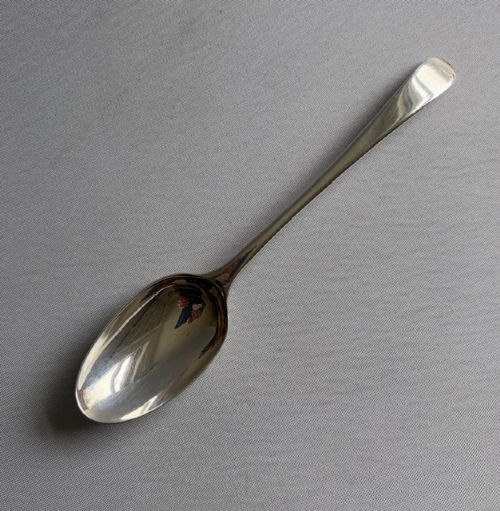
A solid silver dessert spoon is a functional piece of tableware that brings genuine period weight and silver brightness to the table.
Solid Silver Dessert Spoon
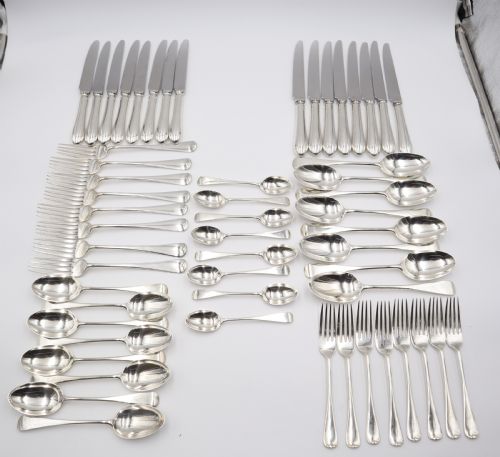
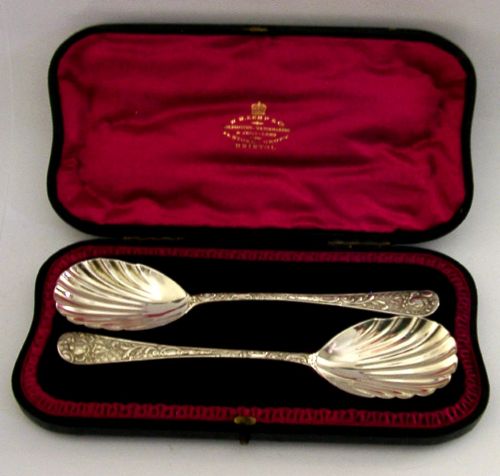
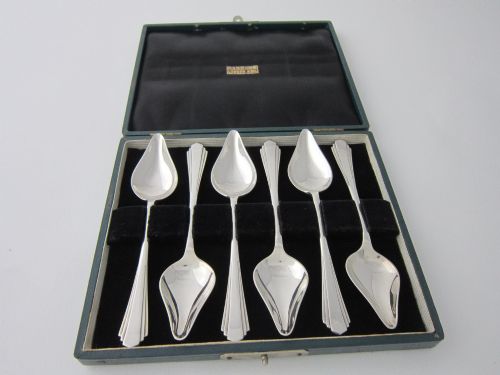
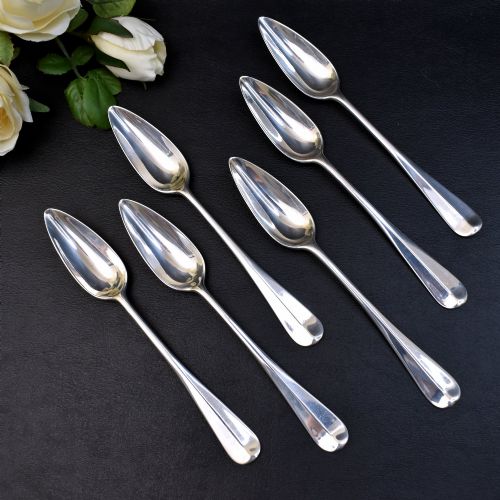
A solid silver dessert spoon represents a range of flatware produced across the eighteenth, nineteenth, and twentieth centuries. These spoons appear as individual items bearing distinct family crests, paired serving pieces, and part of larger cased sets or canteens.
The selections span distinct periods including Georgian, Victorian, and later twentieth century eras such as Art Deco. Buyers encounter various forms, from traditional fiddle pattern and palm pattern designs to specialised grapefruit and berry spoons.
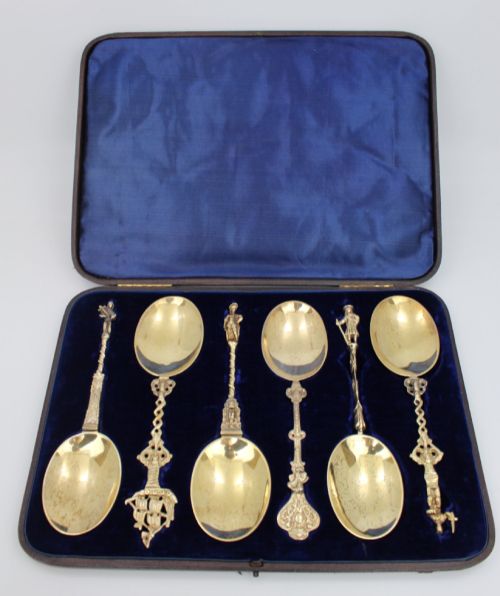
Origin points vary across British and international makers, encompassing pieces from London, Birmingham, and Edinburgh alongside continental designs. Collectors find both utilitarian items intended for daily dining and decorative silver gilt presentations housed in fitted boxes.
How they were made
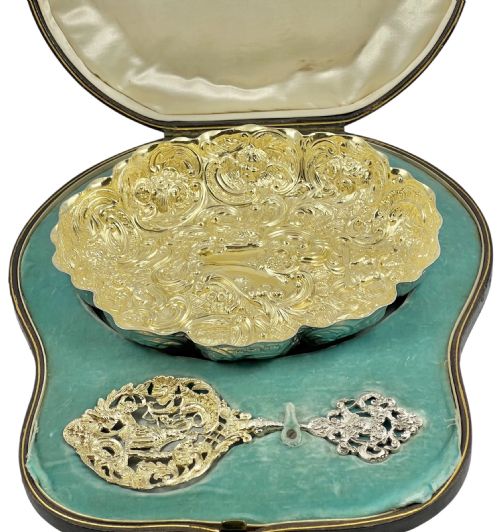
Makers shaped these items from sterling silver, utilising traditional smithing techniques to form bowls and handles. Certain pieces feature silver-gilt finishes, applying a layer of gold over the silver base to create a rich two-tone appearance.
Many historical examples incorporate hand-engraved details, such as family crests or intricate berry motifs pressed into the metal. Presentation sets often arrived in fitted boxes lined with velvet, satin, or leatherette to protect the metalwork.
Solid Silver Dessert Spoon Retail Price Guide 2026
Typical asking prices for solid silver dessert spoon among the pieces listed under this phrase on Sellingantiques today, from the lower quarter to the upper quarter. They describe what is for sale here now, not the wider market.
Some Victorian grapefruit spoons arrived equipped with serrated edges, proving that even formal dining tables occasionally embraced mild aggression.
What varies in quality
The standard of a piece rests upon the crispness of its hallmarks, the thickness of the silver gauge, and the preservation of any engraved decoration. Weight and balance in the hand distinguish standard production items from finer workshop output.
The integrity of the original form matters greatly, particularly where handles show signs of heavy polishing or wear. Presentation pieces retain additional value when housed in their original fitted cases lined with fabric.
Deakin and Francis·Hamilton and Inches·Georg Jensen
The Solid Silver Dessert Spoon Glossary
- Sterling silver
- An alloy comprising ninety-two point five percent silver and seven point five percent other metals, typically copper, chosen for durability in tableware.
- Silver-gilt
- Silver objects that have been coated with a thin layer of gold, providing a decorative golden sheen across the surface.
- Fiddle pattern
- A nineteenth-century flatware handle design featuring a distinct broadening near the top resembling a fiddle.
- Bottom marked
- An eighteenth-century hallmarking placement where the assay marks appear on the back of the stem rather than the upper portion.
- Canteen
- A fitted box, chest, or cabinet designed to hold a complete set of cutlery and flatware.
Solid Silver Dessert Spoon: Frequently Asked Questions
What is a solid silver dessert spoon used for?
These spoons were traditionally designed for eating courses served after the main meal, such as puddings, fruit, or ice cream. Their dimensions place them between a large tablespoon and a small teaspoon.
Today, collectors use them to complete antique flatware services or incorporate them into daily dining tables where their weight and form offer a tactile contrast to modern cutlery.
How do I identify a Georgian dessert spoon?
Georgian pieces date from the reigns of the Kings George spanning the eighteenth and early nineteenth centuries. They often feature distinct stylistic traits such as bottom-marked hallmarking or classic fiddle pattern handles.
Examining the stamped hallmarks on the reverse of the stem reveals the specific assay office and year letter, confirming the exact period of manufacture.
Are cased sets intended for display?
Original cased sets were manufactured to protect fine silver items during storage and presentation as gifts. The fitted interiors lined with materials like velvet or satin kept individual spoons secure from knocks.
While collectors often keep these sets intact within their boxes for preservation, the spoons inside remain fully functional for formal dining occasions.
What is the difference between sterling and silver-gilt?
Standard sterling silver displays the natural bright white lustre of the precious metal alloy. Silver-gilt takes that same silver base and applies a microscopic layer of gold over the surface.
This gilding technique adds a warm yellow tone, frequently utilised on presentation pieces, apostle spoons, and sugar bowls to create a decorative visual effect.