




Sterling Silver Dessert Spoons
Sterling silver dessert spoons bring tactile weight and historic grace to the table, spanning Georgian elegance through to Art Deco modernism.
Sterling Silver Dessert Spoons
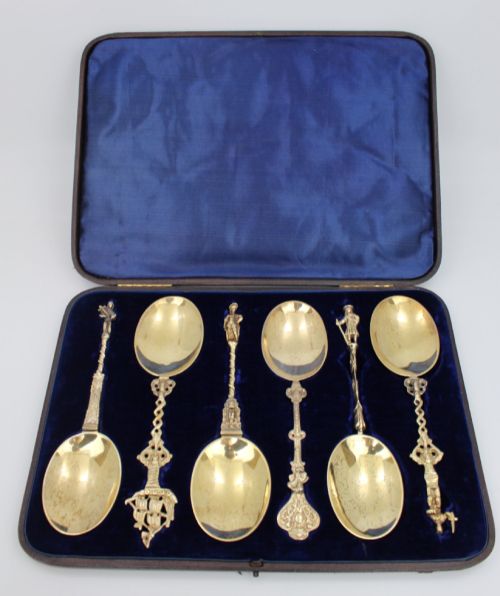
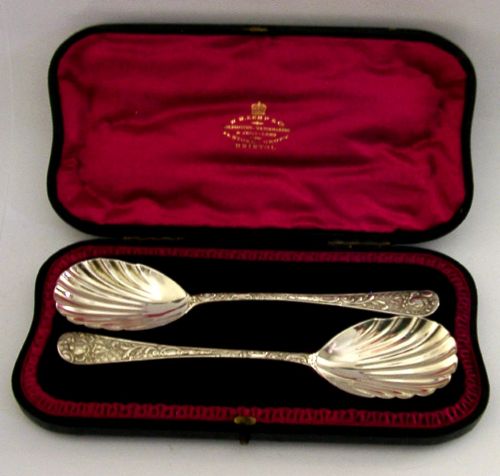
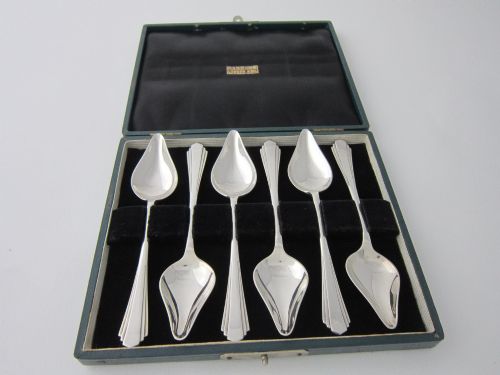
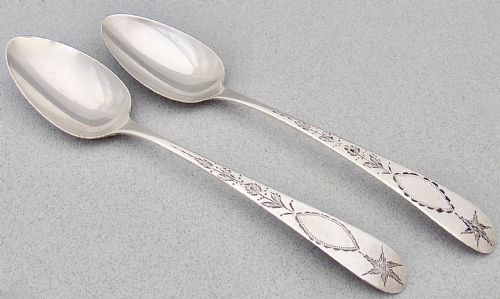
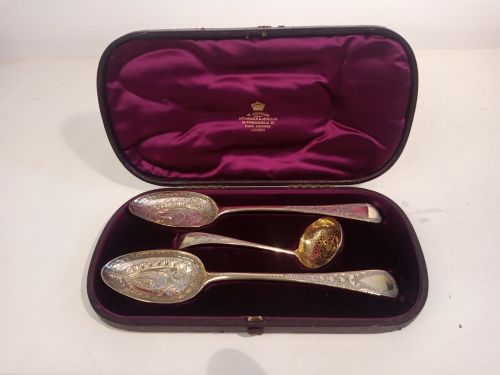
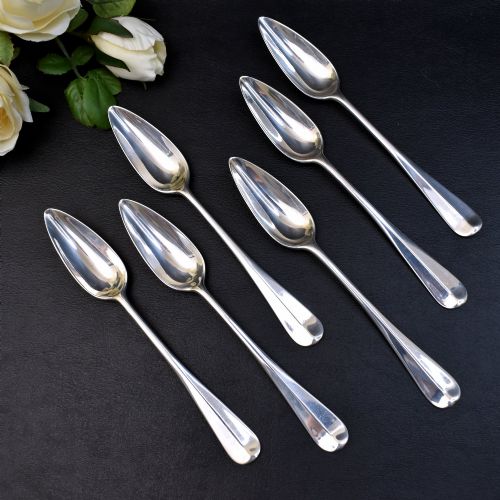
When you search for sterling silver dessert spoons, you encounter table utensils spanning the Georgian, Victorian, and later twentieth-century eras. The selection ranges from solo items and matched pairs to cased sets intended for gifting or formal dining.
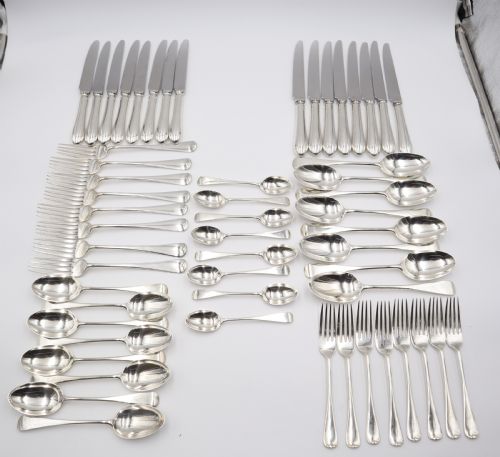
Many examples emerge in specific regional patterns, such as the fiddle pattern, Celtic point, or naturalistic leaf designs. These pieces often arrive alongside related flatware like berry spoons, ice cream servers, and fruit serving spoons.
The versions most frequently met here hail from the nineteenth century, reflecting the robust manufacturing output of the period. Buyers discover both plain everyday dining tools and heavily decorated gilt or engraved presentation pieces.
Assessing quality and craftsmanship
Quality rests heavily on the crispness of the original hallmarks, the depth of any hand engraving, and the preservation of surface detail. Pieces that retain their original fitted presentation cases demonstrate higher initial care and enduring collector appeal.
The gauge of the silver dictates the physical heft and balance in the hand, separating standard utility spoons from superior dining implements. Artistic ambition also plays a role, with sculptural leaf motifs or specialised fruit and berry designs commanding greater artisan investment.
Sterling Silver Dessert Spoons Retail Price Guide 2026
Typical asking prices for sterling silver dessert spoons among the pieces listed under this phrase on Sellingantiques today, from the lower quarter to the upper quarter. They describe what is for sale here now, not the wider market.
Listings feature sterling silver dessert spoons spanning the Georgian, Victorian, and Art Deco periods, alongside cased presentation sets.
John Pittar·Hamilton and Inches·William Chawner II·Georg Jensen·Sebastian Crespell
The Sterling Silver Dessert Spoons Glossary
- Sterling silver
- An alloy consisting of pure silver and other metals, usually copper, to add durability while maintaining a bright lustre. This standard material forms the foundation of quality antique flatware.
- Berry spoon
- A large serving spoon, often Georgian or Victorian, featuring fruit and foliage embossed or chased onto the bowl long after initial manufacture. These items were originally designed to serve fresh berries with cream.
- Hallmark
- A series of official stamps applied to precious metal items indicating the maker, assay office, standard of purity, and year of production. They provide the primary evidence for dating antique cutlery.
- Fiddle pattern
- A traditional nineteenth-century flatware handle style characterised by a narrow stem widening towards a squared shoulder and a flared, shaped end. It remains one of the most recognizable silhouettes in antique silver.
- Silver gilt
- Silver objects that have been coated with a thin layer of gold on the surface, sometimes referred to as vermeil. This technique protects the underlying metal and offers a rich two-tone appearance.
Sterling Silver Dessert Spoons: Frequently Asked Questions
How are sterling silver dessert spoons used?
These utensils serve sweet courses, puddings, and fresh fruit at the dining table, positioned alongside specialised cutlery for formal meals. Their slightly smaller scale compared to standard tablespoons makes them well-suited for discrete portions.
Collectors also utilise cased sets for display or occasional celebratory dining rather than daily domestic service. The sturdy nature of solid silver ensures they remain fully functional for modern use.
How should I clean antique silver spoons?
Wash the spoons by hand in warm soapy water using a soft cloth, avoiding abrasive pads or harsh chemical dips that strip away the natural patina. Dry them thoroughly immediately afterwards to prevent water spots.
Store the pieces in anti-tarnish rolls or lined presentation cases when not in display. Regular gentle handling helps maintain a soft, warm shine without wearing down the engraved details.
How do I date an antique silver spoon?
Examine the stamped hallmarks on the reverse of the stem to find the date letter assigned by the specific assay office. Additional duty marks and makers' initials provide further clues to narrow down the decade of production.
Stylistic cues such as fiddle handles, naturalistic leaf motifs, or Art Deco enamel work also indicate the manufacturing period. Comparing the form against known design epochs helps confirm the timeline.
Can I mix different silver spoon patterns?
Mixing various patterns adds an eclectic, personal character to a dining table or flatware collection. Many households historically built up their cutlery sets over generations rather than purchasing everything at once.
Matching items by period or general weight creates visual harmony even when the specific handle designs differ. Cased sets offer a unified look, whereas loose spoons invite creative table settings.