




18th Century Silk Embroidery
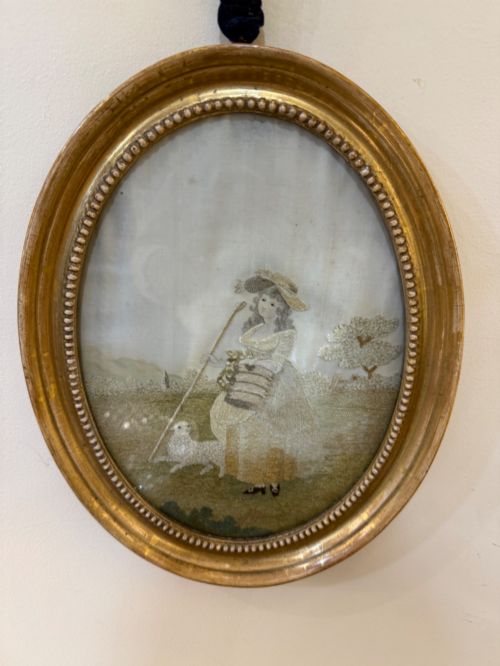
These 18th century silk embroidery pieces bring historic needlework and pastoral scenes directly into modern interiors.
18th Century Silk Embroidery
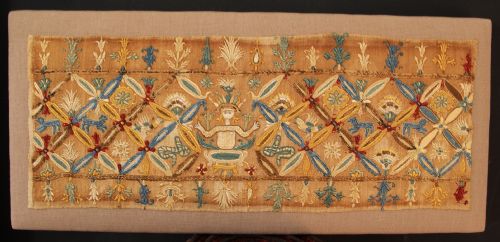
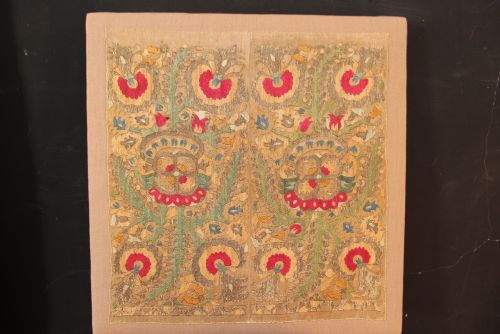
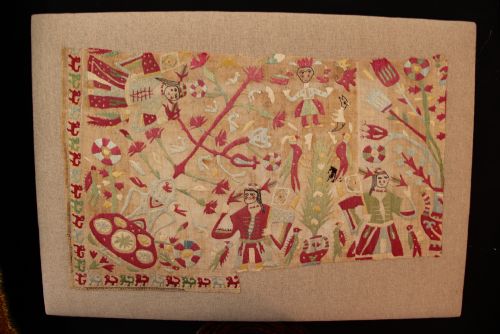
When you search for 18th century silk embroidery, you enter a diverse field of textile art, framed wall panels, and needlework samplers. The selections span Georgian England, Dutch and French workshops, and regional Greek islands such as Skyros, Crete, and Epirus.
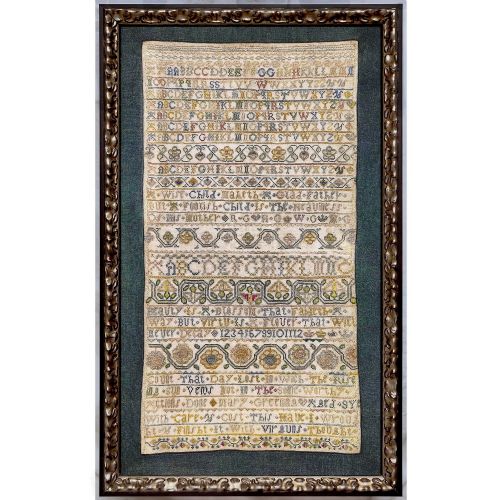
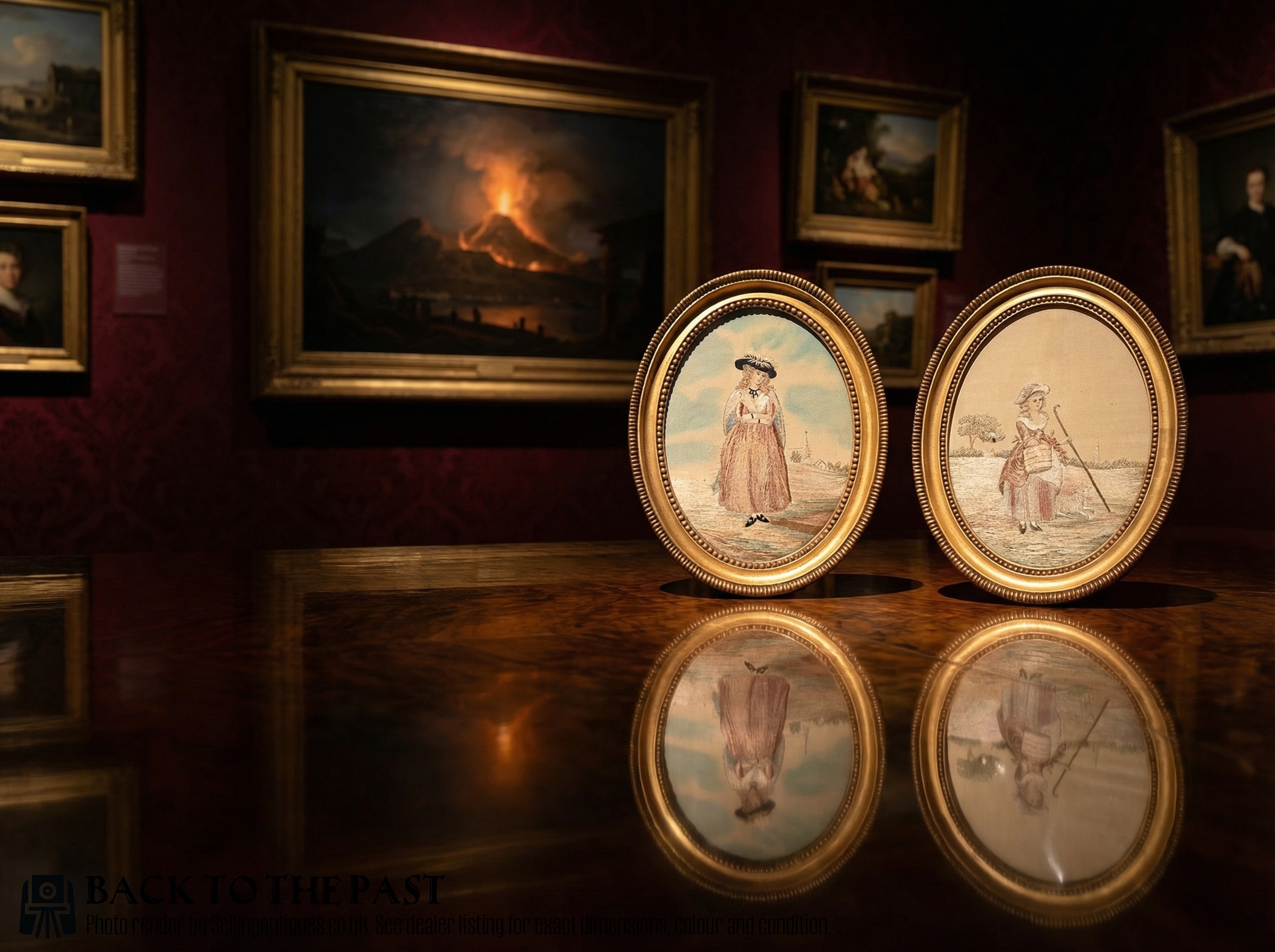
Most examples you encounter take the form of framed needlework pictures, band samplers, map samplers, or architectural bedsheet borders. Domestic makers and schoolgirls worked these pieces using fine fabrics to depict religious texts, maps, and pastoral farming scenes.
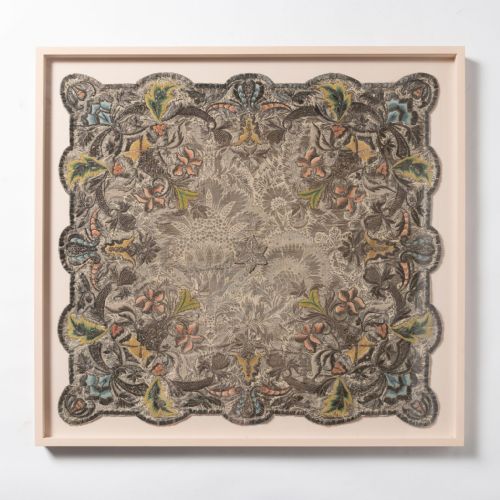
The regional works bring distinct local character through traditional motifs, whilst English and continental pieces showcase formal pictorial compositions. Buyers find both intimate small panels and large textile fragments that record centuries of needlecraft.
Materials and Construction
Artisans relied on a foundation of woven linen or silk fabric to support intricate stitching. They utilised silk floss, wool, and metal thread to build up the pictorial surface and give depth to landscapes and figures.
Many surviving panels retain their original surrounds, which include timber, giltwood, and water-gilded oval or octagonal frames. Accents of gold leaf, glass elements, and supplementary cotton threads further enrich the detailed textile surfaces.
Surviving textiles incorporate diverse ground fabrics such as linen and silk, complemented by metal thread and glass details.
Assessing Quality and Execution
The distinction between ordinary and superior pieces rests on the precision of the needlework and the complexity of the design. Masterly shading in silk floss and well-executed pictorial elements elevate a needlework picture or map sampler.
Survival of the original materials and framing heavily influences the character of a piece. Examples that retain their period giltwood frames and display minimal thread loss offer a more complete historic record.
Mary Greening·Sarah Reading·Susan Mary Williams
The 18th Century Silk Embroidery Glossary
- Sampler
- A piece of needlework produced as a demonstration or test of skill, often featuring alphabets, numerals, and geometric motifs. Makers sometimes included their names, dates, and educational establishments.
- Band sampler
- A long, narrow textile format containing horizontal rows of distinct embroidery patterns. These historic formats allowed makers to record various stitch techniques on a single linen ground.
- Giltwood
- Wood that has been coated with a thin layer of gold leaf or powder. This finish appears frequently on the original frames housing period needlework pictures.
- Needlework picture
- A framed textile artwork designed for display on a wall rather than functional domestic use. They often depict pastoral scenes, religious subjects, or topographical maps.
- Metal thread
- Fine wire spun from or wrapped in precious metals such as gold or silver. Artisans incorporated these threads into embroideries to add reflective highlights and texture.
18th Century Silk Embroidery: Frequently Asked Questions
What subjects appear on these embroideries?
Makers worked a wide variety of subjects, ranging from pastoral farming scenes and religious texts to detailed maps of England and Wales.
Regional Greek and Ottoman pieces often feature traditional geometric patterns and floral motifs rather than pictorial narratives.
How were these textiles originally displayed?
Many English and continental pictorial works were framed behind glass in timber or giltwood surrounds to protect the delicate silk threads.
Larger Greek island examples served as functional domestic furnishings, such as bedsheet borders and hand towel end panels, before later mounting.
How do I date an antique silk embroidery?
Dating relies on stylistic clues, materials, and inscribed details left by the maker. Samplers frequently include specific years and signatures, whilst framing styles and textile grounds offer further chronological markers.
Can I hang these textiles in direct sunlight?
Silk and wool threads are sensitive to ultraviolet light and fade easily when exposed to strong sun.
Protecting framed textile art behind conservation glass and placing pieces away from direct windows preserves the vibrant colours.