
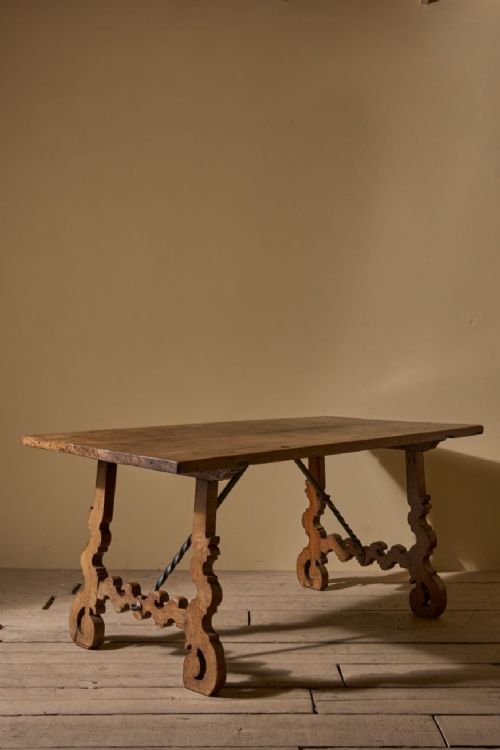
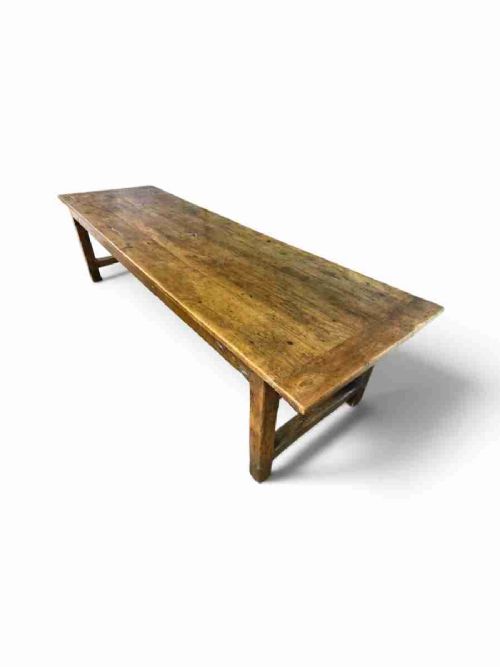
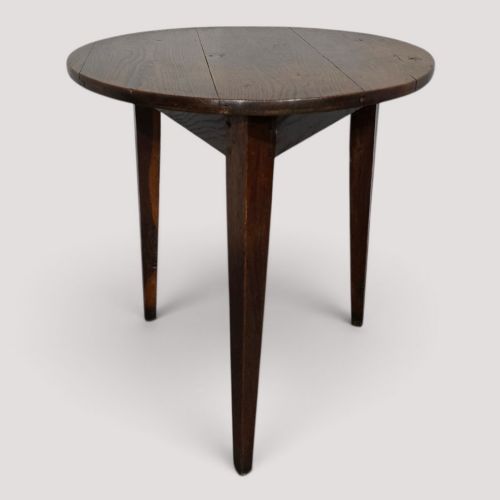
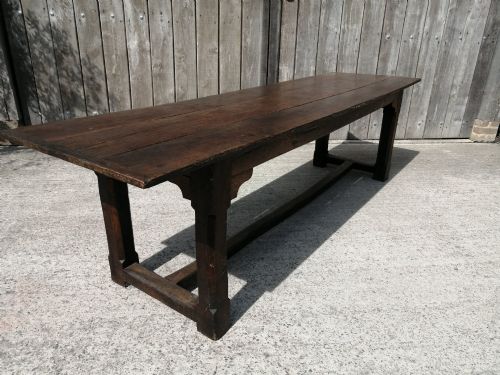
18th Century Rustic Table
An 18th century rustic table brings honest utility and centuries of domestic history into a modern room.
18th Century Rustic Table
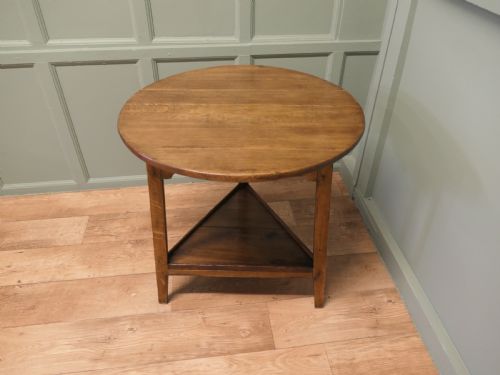
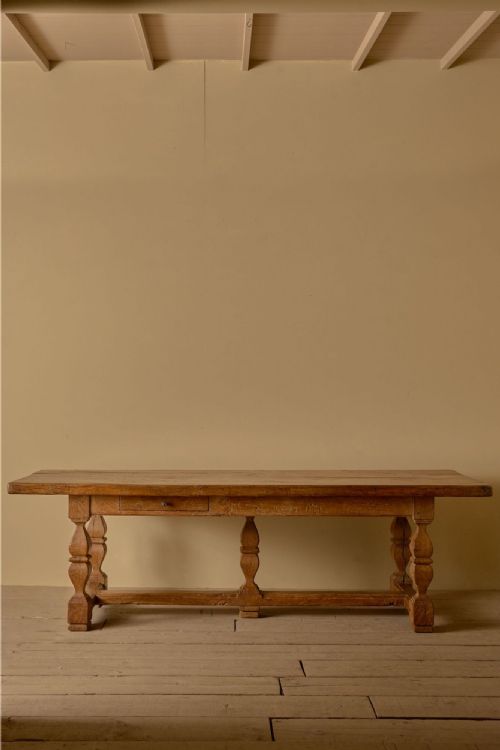
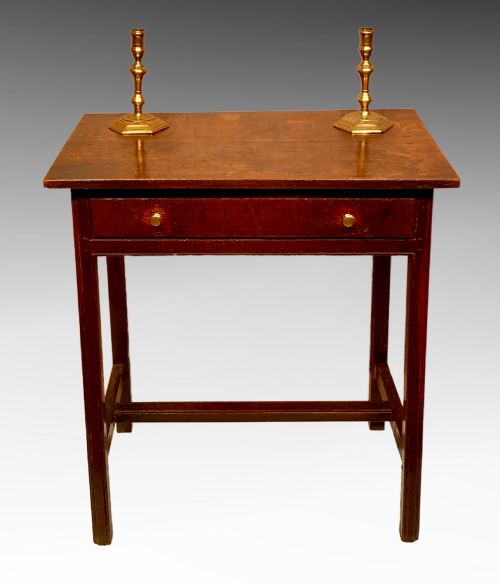
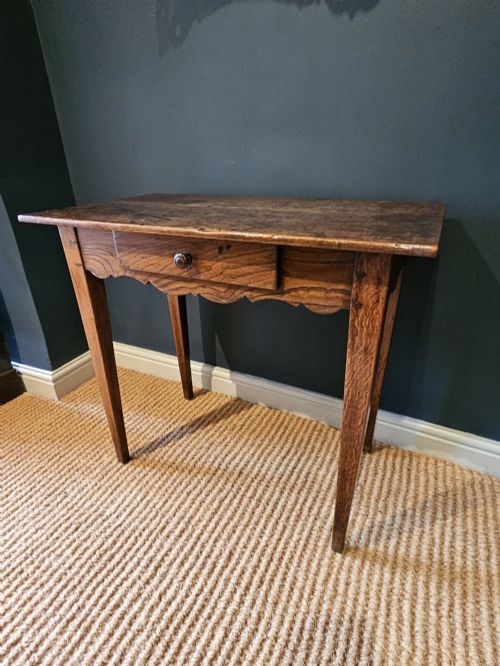
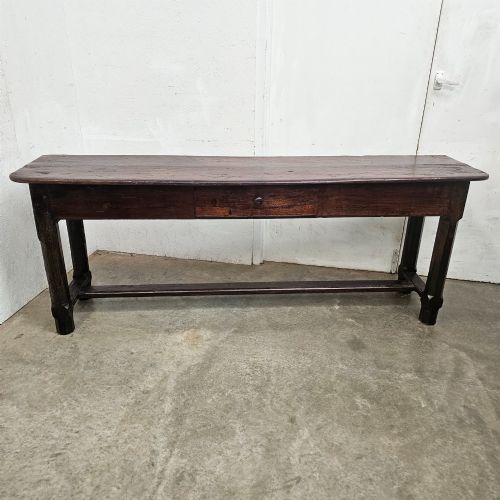
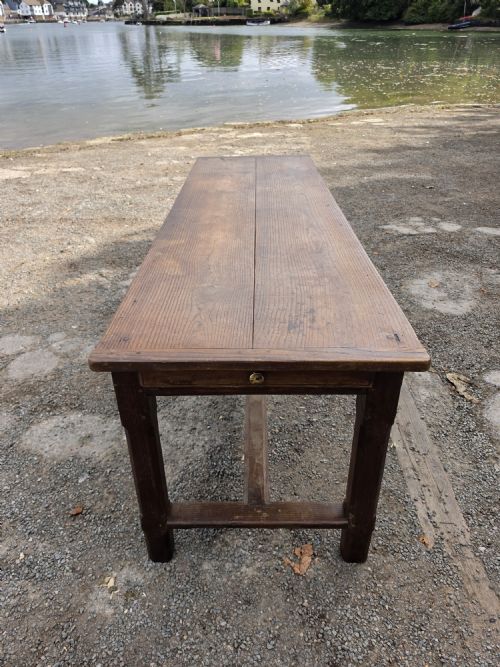
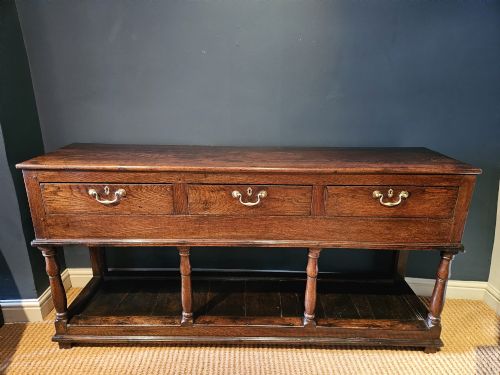
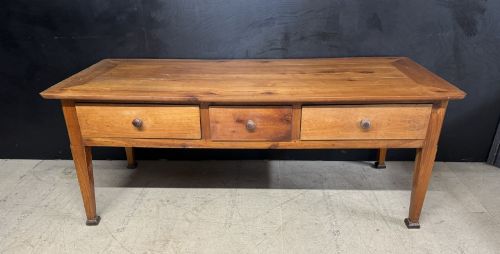
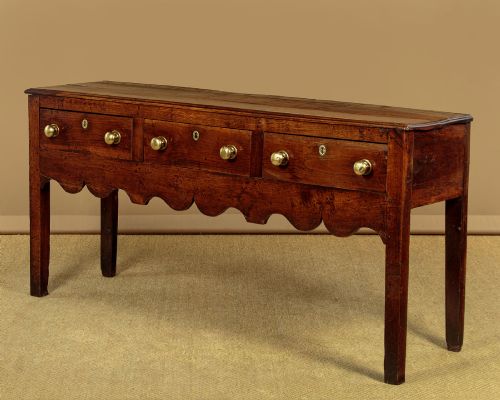
An 18th century rustic table encompasses robust dining boards, gatelegs, and smaller cricket tables made for everyday domestic use. These pieces emerge from periods spanning the 17th century through the Georgian era, carrying vernacular designs shaped by local carpenters.
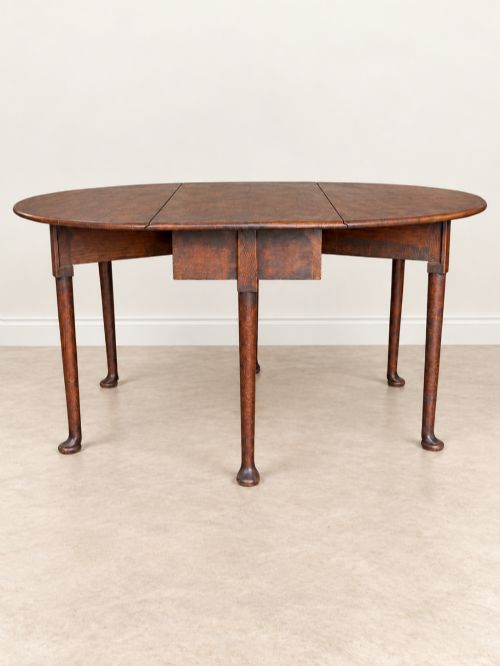
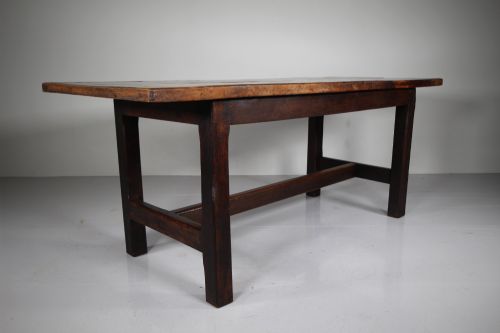
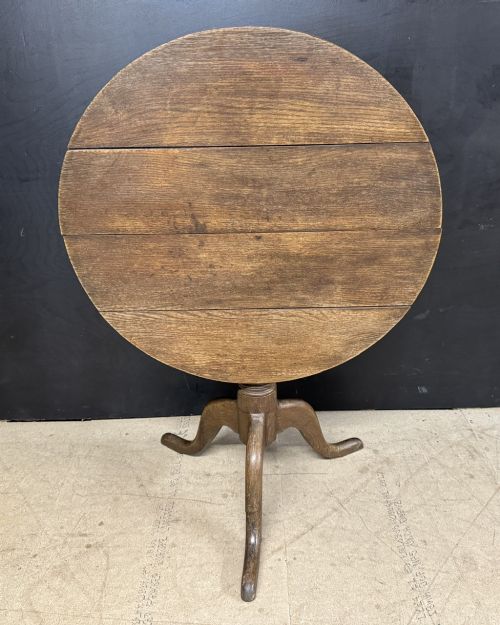
The oak gateleg table stands as the most frequent encounter on this page, alongside sturdy elm and ash farmhouse dining boards and tripod cricket tables. They reflect regional traditions from English, French, Spanish, and Swedish workshops.
Buyers seek these forms for their straightforward construction and deep patinated surfaces built up through generations of use. Every piece demonstrates the practical requirements of period households rather than courtly display.
Materials and construction
Solid timber forms the foundation of these pieces, with English and European oak dominating alongside elm, ash, walnut, and fruitwood. Carpenters selected planks for strength, often utilising plank tops fixed to sturdy turned baluster legs or trestle bases.
Joinery relied on pegged mortise and tenon joints, dovetails, and simple iron or brass hardware where functional movement was required, such as on drop-leaf gateleg tables. Surfaces were planed and finished by hand, leaving tool marks that record the manual labour of the workshop.
Forms range from heavy refectory boards and gatelegs down to small tripod wine tables and Bible boxes.
Distinctions in standard
The calibre of an 18th century rustic table rests on the integrity of its original timber and the survival of its uncompromised surface finish. Pieces retaining their initial patination and untouched structural framing command greater attention than those with extensive timber replacement.
Proportion and regional character also dictate distinction, as vernacular tables with balanced dimensions and unaltered bases display the clearest expression of their period style. The harmony between top, legs, and stretchers reveals the competence of the original maker.
The 18th Century Rustic Table Glossary
- Cricket table
- A small, lightweight circular table supported by three splayed legs, historically used beside the hearth.
- Gateleg table
- A drop-leaf table with hinged flaps supported by movable legs that swing outward like a gate.
- Refectory table
- A long, narrow dining table originally designed for communal eating spaces in monastic or large domestic settings.
- Plank top
- A table top constructed from broad boards of solid timber joined edge to edge.
- Patina
- The deep surface sheen and colour developed on wood through decades of handling, light, and waxing.
18th Century Rustic Table: Frequently Asked Questions
How do I care for an oak table?
Feed the timber periodically with a traditional beeswax polish to maintain moisture and protect the surface from drying out.
Avoid placing the piece near direct heat sources or in strong sunlight to prevent timber shrinkage and splitting.
Can I use an antique table daily?
These domestic boards were built for robust, everyday utility and withstand normal family life with ease.
Use coasters and placemats to guard against moisture rings and heat marks on historic polished surfaces.
How do gateleg tables function?
Hinged flaps drop down on either side of a fixed central section to save floor space when not in use.
Swinging legs pull out from beneath the frame to support the raised leaves during meals.