
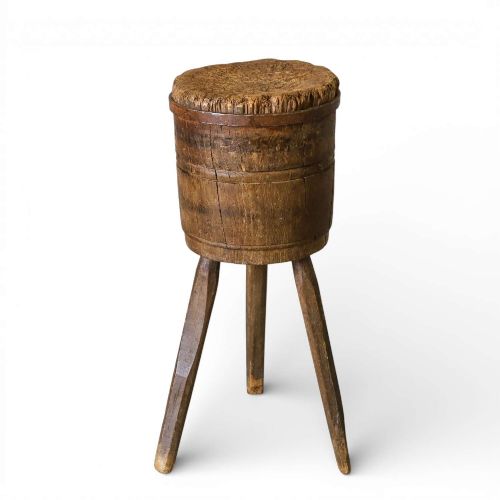
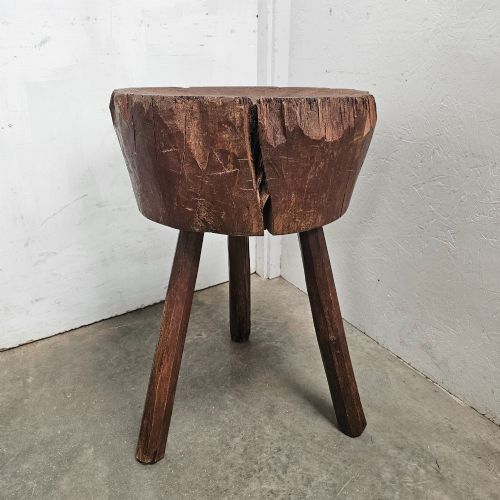


Wooden Butcher Block
A wooden butcher block brings heavy working timber and deep character into a kitchen, built for serious preparation and daily use.
Wooden Butcher Block
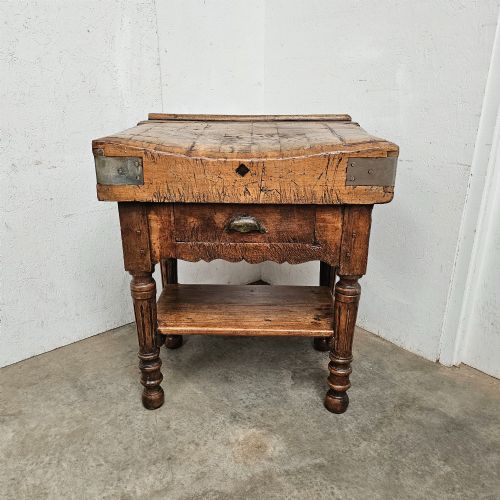
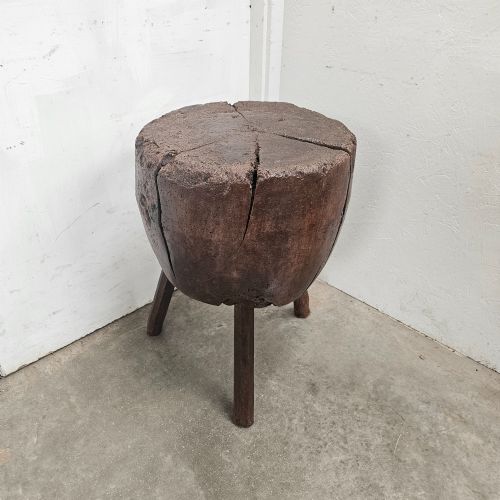
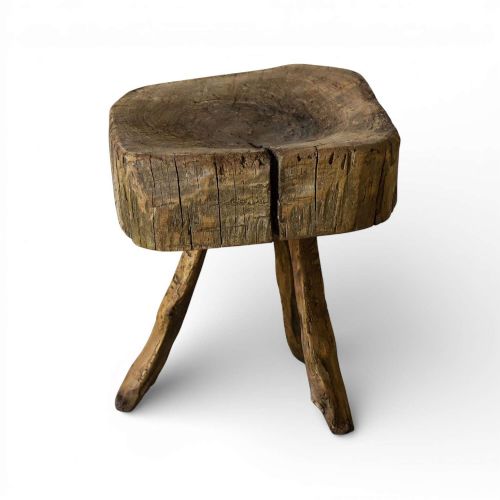
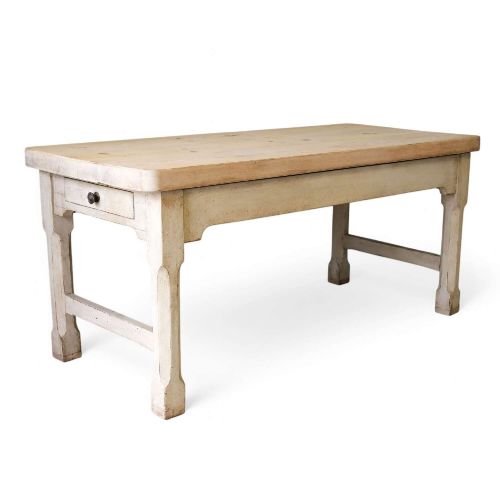
A wooden butcher block serves as a robust preparation surface or kitchen island, shaped by decades of practical tasks in country houses, dairies and rural shops. These pieces range from substantial game blocks on decorative or gnarled bases to large prep tables and chopping blocks.
Makers utilised dense native hardwoods to withstand heavy daily chopping and charcuterie work, creating utilitarian furniture that now functions as the central workstation in domestic kitchens.
How They Were Made
Construction relies on heavy timbers such as beech, oak, elm, sycamore, ash and pine, selected for density and resilience against constant chopping. Heavy tops are joined securely to sturdy stands made from metal, iron or matching woods.
Surfaces show the natural marks of utilitarian labour, sometimes complemented by scrubbed finishes or later paint on the bases. The pairing of thick working tops with trestle legs, tripod bases or stands ensured total stability under heavy pressure.
Some French game blocks preserve the quiet ghosts of centuries past within their heavily battered chopping timber.
What Varies in Quality
Quality rests in the depth and integrity of the timber top and the originality of its supporting base, whether a decorative French base or gnarled wooden legs. Pieces retain varying degrees of authentic patination from decades of service.
The choice of dense hardwoods like beech and oak over softer pine dictates the enduring strength of the chopping surface. Structural proportions and regional vernacular details further distinguish standard utility pieces from exceptional sculptural examples.
The Wooden Butcher Block Glossary
- Game Block
- A heavy chopping block specifically utilised for preparing game birds and meats in country houses. These feature exceptionally thick wooden tops designed to absorb heavy cleaver blows.
- Charcuterie Chopping Block
- A specialised block traditionally used in France for preparing cured meats and sausages. They often combine oak and elm timbers in a dense, end-grain or plank construction.
- Pig Bench
- A long, substantial wooden bench originating from Hungary, utilised for heavy butchery tasks. These display robust hardwood construction built to support large carcasses.
- Vernacular Rural
- A style of furniture shaped by local tradition and available materials rather than formal academic design. These pieces prioritize straightforward utility over decorative refinement.
- Scrubbed Finish
- A surface treatment resulting from repeated intense washing and scouring with water and coarse brushes. This process leaves the timber clean, pale and deeply textured.
Wooden Butcher Block: Frequently Asked Questions
What is a wooden butcher block used for?
These pieces serve as heavy-duty preparation surfaces, kitchen islands, and freestanding workspaces for daily culinary tasks.
Their thick timber tops absorb impact from chopping and cutting, making them practical additions to modern and traditional kitchens alike.
How do I care for an antique butcher block?
Maintenance involves regular cleaning with mild soap and water, followed by thorough drying to protect the aged timber.
Applying food-safe mineral oils or waxes helps nourish the historic wood and prevents the surface from drying out over time.
Are these blocks suitable for modern kitchens?
They function exceptionally well as central kitchen islands, prep tables, and freestanding counters in contemporary cooking spaces.
Their sturdy construction provides reliable workspace while introducing rich historic character and tactile warmth to the room.
How can I tell the period of a block?
Dating relies on examining the tool marks, timber selection, construction joints, and the design of the supporting base or legs.
Eighty to nineteenth-century examples often display distinct vernacular characteristics and wear patterns developed through decades of active service.