
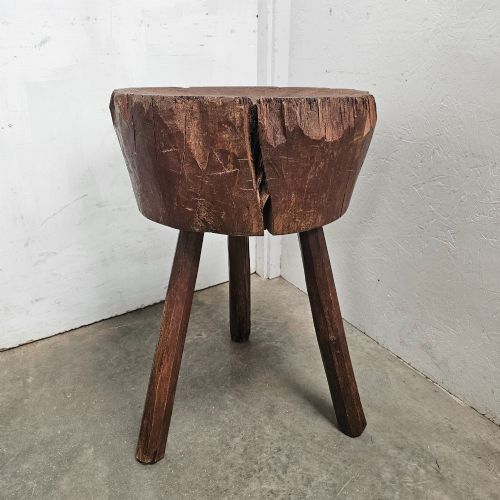


French Butcher Block
A french butcher block brings heavy, honest timber and generations of working history straight into the modern kitchen.
French Butcher Block
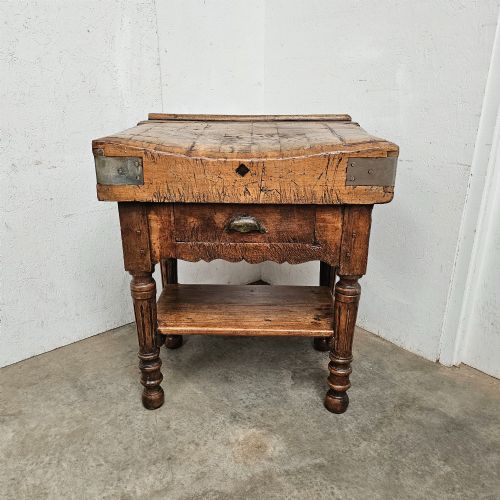
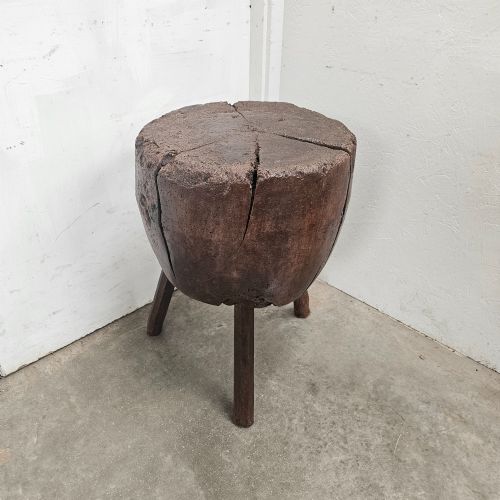
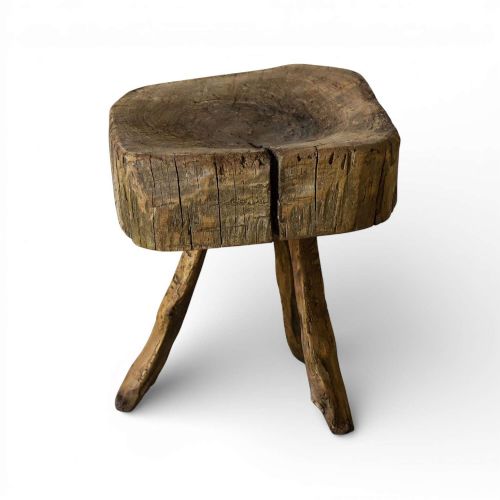
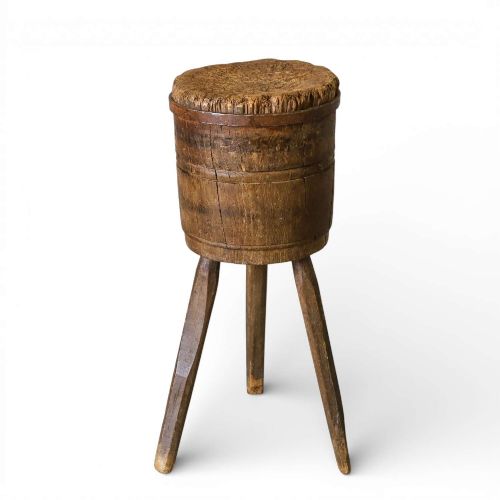
When you search for a french butcher block, you encounter heavy work surfaces built for practical use in provincial shops and kitchens. These pieces appear in forms ranging from thick chopping tables on simple stands to low game blocks hewn straight from tree trunks.
The versions most common on this page date from the nineteenth century into the early decades of the twentieth. They adopt styles such as french provincial, primitive country, and rustic country, reflecting the utilitarian origins of rural workshops.
Makers utilised dense timbers to create surfaces that could withstand daily blows from cleavers and heavy knives. Many survive today functioning as kitchen islands or prep tables, retaining the scars and patination of actual trade use.
Judging quality and proportion
Quality rests primarily in the thickness of the top timber slab and the integrity of the original base. Pieces with substantial depth of working surface and matching original legs command greater interest than altered examples.
The presence of original details such as knife racks, cupboards, or bronzed mounts elevates a piece above standard utility items. Furthermore, the depth of patination accumulated through generations of scrubbing defines the visual appeal.
Observed styles range from french provincial and primitive country to vernacular rural and industrial.
Trussant and Cie·Hennes France·Dubec
The French Butcher Block Glossary
- Game block
- A heavy timber block specifically utilised for preparing game and heavy meats. These often consist of thick tree trunk sections.
- Charcuterie block
- A specialist work surface designed for the preparation of cured meats and pork products. These blocks frequently combine oak and elm.
- Trestle support
- A structural framework supporting a heavy top via horizontal beams and angled legs. This design provides robust stability for heavy chopping tasks.
- Patina
- The surface sheen and colour depth developed through age, use, and cleaning. It marks the historical authenticity of working timber.
French Butcher Block: Frequently Asked Questions
How do I clean a french butcher block?
Scrub the timber surface using hot water and stiff brushes, avoiding harsh chemical detergents that strip the natural oils. Dry the wood thoroughly after washing to prevent warping or splitting.
Treat the surface periodically with food-safe mineral oils or beeswax to maintain the moisture balance of the hardwood. Regular light maintenance preserves the historic patination accumulated over generations.
Can I use these blocks for daily food preparation?
These historical timber blocks serve well as functional kitchen islands and prep surfaces in modern homes. The dense hardwoods remain suitable for chopping and food assembly.
Inspect the surface condition to ensure it meets your hygiene standards before food contact. Many owners choose to use them primarily as display and serving spaces.
How do I date a 19th-century block?
Examine the tool marks, joinery methods, and wear patterns across the timber top and base. Hand-cut joints and deep surface indentation generally point towards nineteenth-century production.
Compare the style of the base, whether turned wood, iron brackets, or gnarled legs, with documented regional workshop practices. Maker stamps or plaques, when present, provide definitive chronological markers.
Are these blocks too heavy for modern floors?
The dense hardwood construction makes these pieces exceptionally heavy and stable. Ensure your flooring can support concentrated weight across small footprint bases.
Most items remain stationary once positioned in a kitchen or dining space due to this mass. Mobile versions feature robust castors designed to handle the substantial weight safely.