


Oak Butcher Block
An oak butcher block brings honest weight and working history straight into a modern kitchen, offering a solid surface built for generations of hard food preparation.
Oak Butcher Block
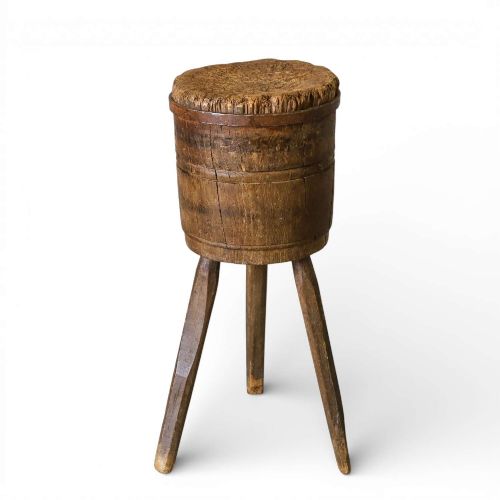
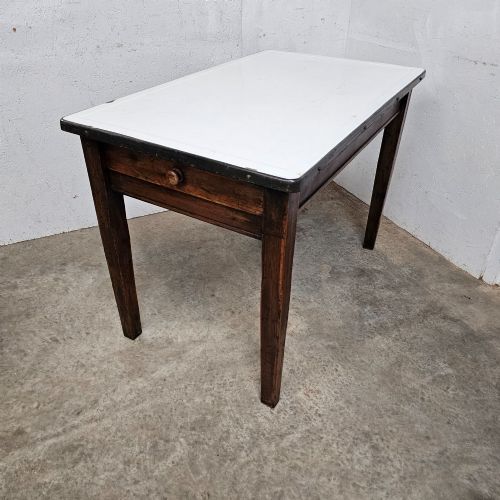
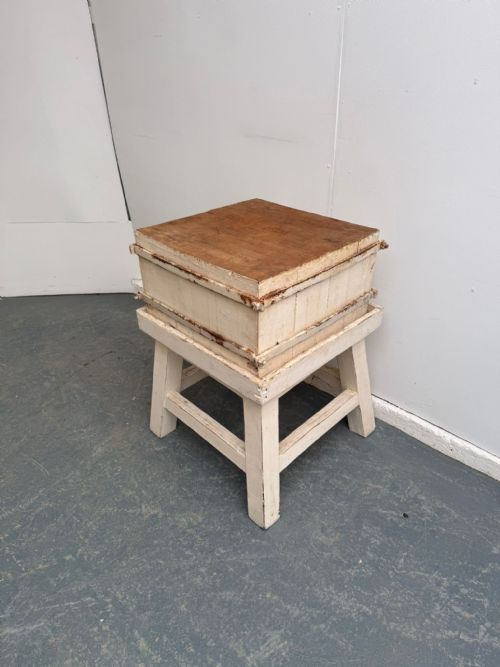
When you search for an oak butcher block, you are looking at substantial utilitarian tables and heavy chopping blocks designed originally for heavy-duty meat preparation in commercial kitchens or domestic larder rooms. These pieces combine thick timber tops with robust bases, ranging from primitive tree trunks to trestle tables and fitted pastry prep stations with drawers.
Origins stretch across English and French workshops, with several striking examples originating from Hungary. They appear as freestanding kitchen islands, side tables, and dedicated chopping blocks that retain the deep scoring and patina of actual daily use.
Assessing quality
Quality rests in the density and depth of the timber top, where decades of genuine wear create a smooth, undulating surface rather than structural damage. Thick end-grain or long-grain oak sections that remain flat and stable demonstrate superior initial selection of timber by the maker.
The integrity of the underframe dictates the overall value, separating simple makeshift stands from purpose-built trestles, sturdy legs, or signed workshop frames. Original hardware like bronze mounts or fitted drawers adds distinct character without compromising the pure utility of the block.
Some nineteenth-century blocks started life as stubborn tree trunks before finding a second career facing French cleavers.
Trussant & Cie·Hennes France
The Oak Butcher Block Glossary
- Butcher block
- A heavy, thick-topped table or freestanding block designed specifically for chopping and preparing meat. These surfaces are built from dense hardwoods to withstand heavy daily impact.
- Pig bench
- A long, low wooden bench historically used for supporting carcasses during butchery. They feature exceptionally long timber spans and sturdy legs.
- Game block
- A specialised heavy chopping block or tree trunk section used for dressing game birds and wild animals. They often display deep vertical grain from sectioned tree trunks.
- Pastry prep table
- A kitchen table equipped with a smooth work surface, frequently accompanied by a drawer for storing utensils. Enamel or wood tops provide ideal surfaces for rolling dough.
Oak Butcher Block: Frequently Asked Questions
Can I use it for food preparation today?
These blocks were built precisely for heavy food preparation and remain entirely functional for chopping, kneading, and slicing. The dense timber naturally resists bacteria when properly maintained and cleaned after each use.
Ensure the surface is hygienic and treated with food-grade oils before preparing meals. Many owners continue to use them as the primary prep station in a modern kitchen.
How do I protect the floor beneath a heavy block?
Because these pieces weigh a considerable amount and often stand on iron-mounted or wooden legs, placing subtle protective pads underneath prevents scratching delicate flooring. Ensure the weight distributes evenly across all support points.
Check the floor glides periodically, especially if the block sits on uneven flagstones or historic timber floorboards. This keeps the massive table stable during heavy kitchen tasks.
How do I date an antique butcher block?
Examine the tool marks, construction joints, and the nature of the timber wear to determine the approximate era of manufacture. Nineteenth-century pieces often display hand-sawn elements and deep, authentic patination from decades of commercial labour.
Maker stamps, metal tag plaques, or specific hardware styles like bronze mounts also point toward precise periods such as the Victorian era or the 1920s. Comparing the base style to regional vernacular furniture helps confirm the origin.