





French Country Pedestal
When you search for french country pedestal, you are looking for rustic timber and marble supports that anchor a rustic interior.
French Country Pedestal
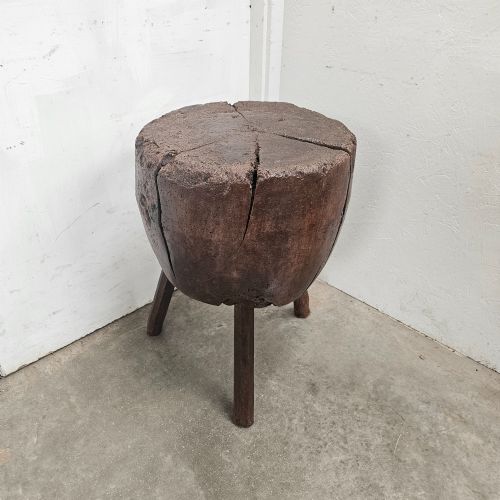
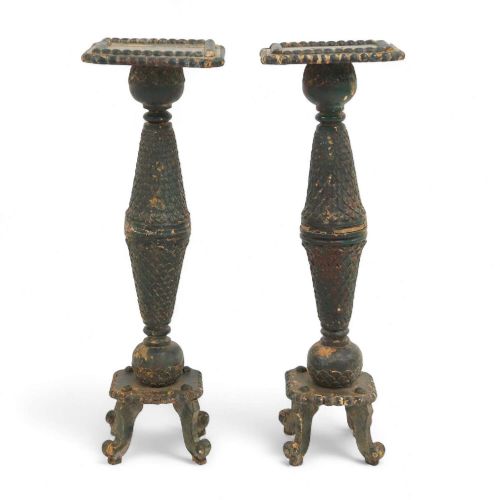
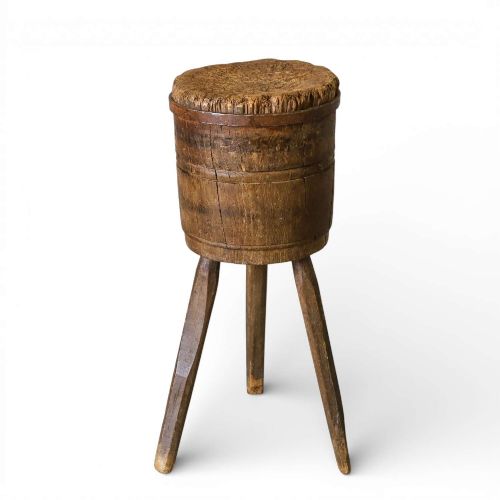
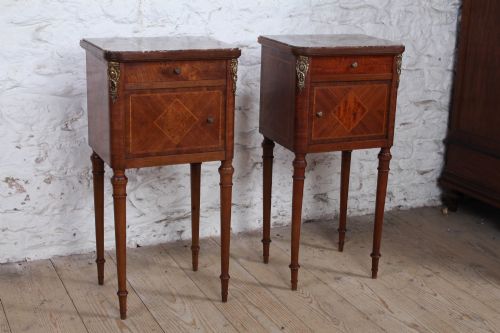
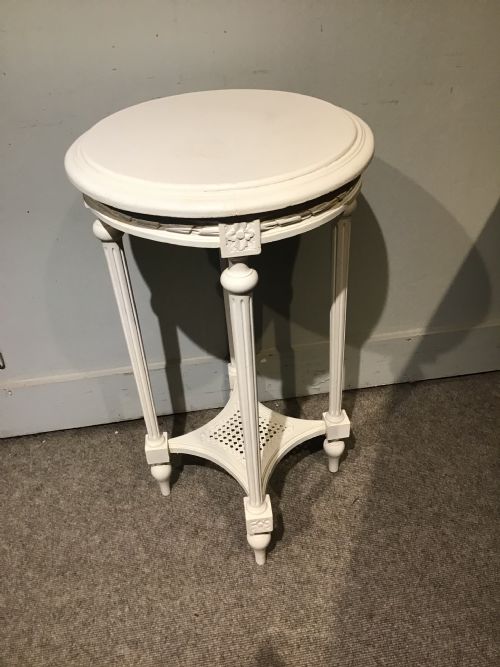
Buyers searching for a french country pedestal find robust wooden stands, torchères, and occasional tables shaped by rural tastes. These pieces emerge from the nineteenth and early twentieth centuries, spanning provincial workshops and country houses.
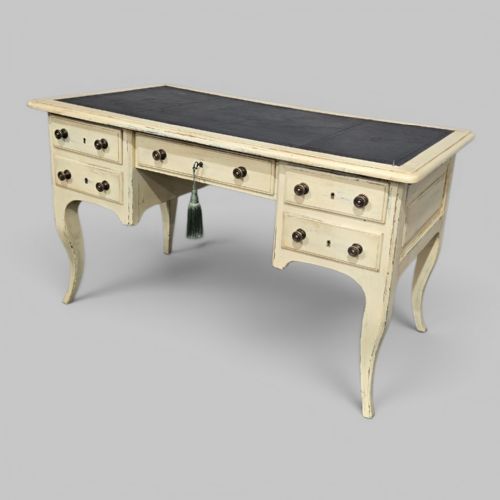
The selection here includes sturdy torchères, marble-topped tripods, and sturdy wooden stands alongside related side tables and cabinets. Elm, oak, beech, and walnut form the structural core of these provincial furnishings.
French Provincial and rustic farmhouse styles dominate the physical evidence, bringing unpretentious utility to living spaces. Surfaces often show original paint, bleached finishes, or rich burr veneers.
How they were made
Cabinetmakers utilised solid timbers such as oak, elm, beech, and walnut, frequently combining native woods within a single piece. Surfaces received protective and decorative coats of paint, or were left as pale, bleached oak.
Marble tops appeared on tripod tables and stands, providing durable and cool surfaces for display. Turnery, pegged joints, and heavy pedestal columns gave these furnishings the stability required for daily rural use.
What varies in quality
The integrity of the timber and the depth of the patination separate standard examples from finer items. Original paint finishes or carefully preserved burr veneer elevate the visual presence of a pedestal.
Proportion and structural balance dictate the success of the form, particularly in turned columns and tripod bases. Heavier hardwoods and integrated marble tops indicate a more deliberate commission rather than simple utility.
The French Country Pedestal Glossary
- Torchere
- A tall decorative stand or pedestal designed to hold a lamp, urn, or figure. These pieces elevate display objects above floor level.
- Beech
- A dense, pale hardwood favoured for turned legs and framing in provincial furniture. Its tight grain accepts paint and polish evenly.
- Elm
- A tough, interlocking timber commonly used for heavy tabletops and chopping blocks. It resists splitting under hard use.
- Burr
- A tree growth that produces highly figured, swirling wood grain when sliced into veneer. Cabinetmakers applied it to drawer fronts and tabletops for decorative impact.
- Tripod table
- A small occasional table supported by three pillar legs branching from a central stem. This configuration ensures stability on uneven floors.
French Country Pedestal: Frequently Asked Questions
Where did these pedestals stand?
These pieces occupied corners, hallways, and principal rooms of provincial houses to display lamps, plants, or decorative objects.
Their sturdy construction suited active domestic environments where stable display surfaces were necessary.
How do I clean marble tops?
Use soft cloths with warm water and mild, non-abrasive soap to protect the polished stone surface.
Avoid acidic cleaners that can etch the marble and dull the historic finish.
Are painted finishes original?
Many pieces retain early or original paint layers that show authentic wear from decades of use.
Examination of the underlying wood and paint adherence helps distinguish period decoration from later additions.
How do I date these pieces?
Dating relies on timber selection, construction methods, and tool marks visible on unexposed undersides.
Stylistic cues such as Louis XVI restraint or provincial turning also point toward nineteenth or early twentieth-century origins.