



Country Wooden Block
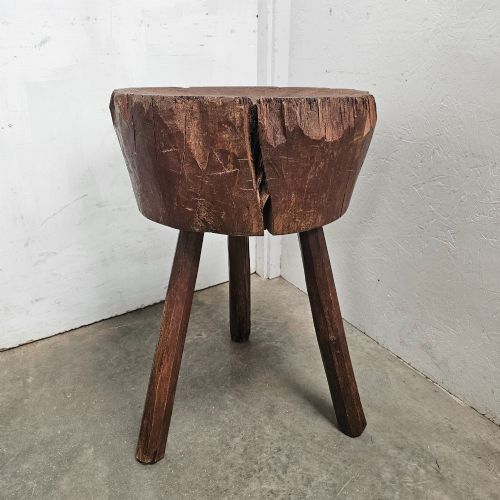
Country wooden block pieces are heavy utilitarian surfaces shaped from elm, beech, and oak for kitchen preparation, offering robust functional history to domestic spaces.
Country Wooden Block
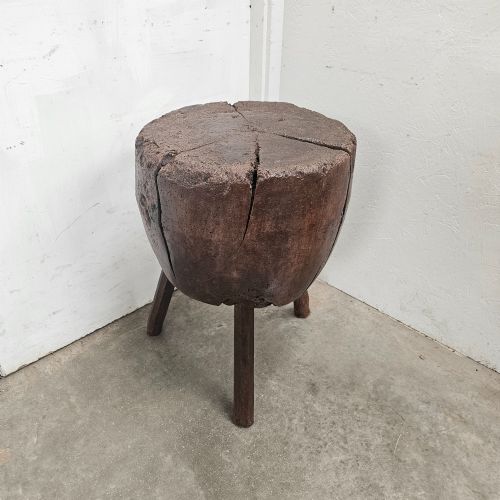
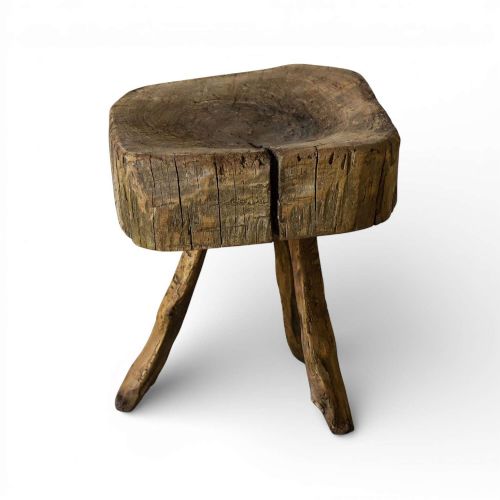
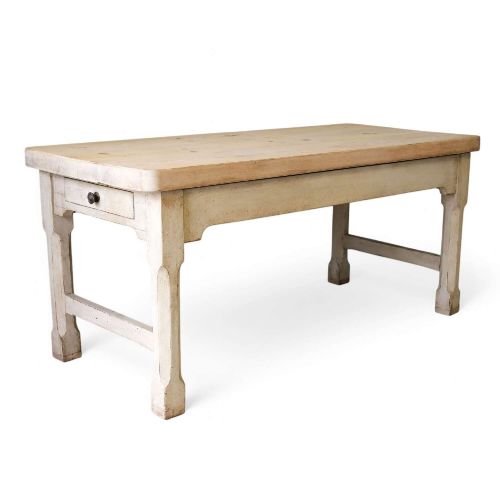
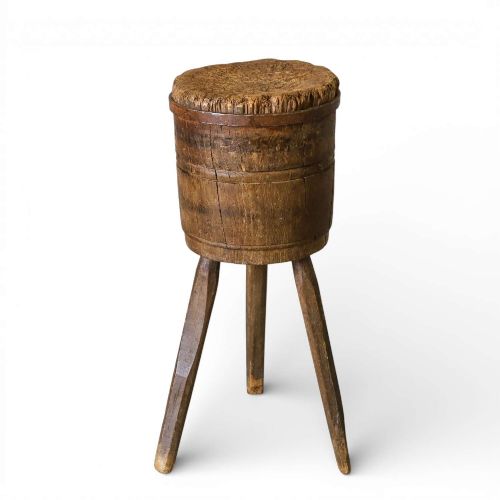
A country wooden block serves primarily as a heavy chopping or preparation surface, drawn from rural domestic contexts and work environments. These objects range from thick standalone chopping blocks to prep tables and game blocks shaped for utilitarian service.
The pieces appearing on this page span the eighteenth, nineteenth, and twentieth centuries, showing French country, Victorian country, and primitive rural styles. Elm, beech, and oak dominate the construction, often supported by original gnarled legs, trestles, or stands.
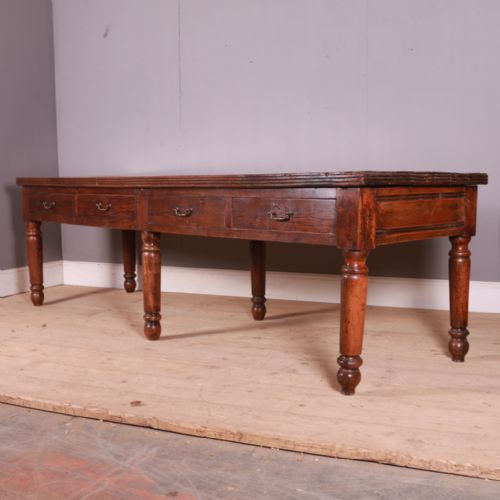
Buyers meet regional variations such as French provincial chopping blocks and Welsh dairy tables alongside standard butcher blocks. Each object carries the marks of heavy domestic or commercial preparation work across generations.
How they were made
Makers constructed these heavy blocks using dense hardwoods like elm, beech, and oak to withstand continuous impact from cleavers and heavy chopping. Timber sections were joined tightly to form thick working surfaces that absorbed physical force without splitting.
Underframes utilised sturdy timbers, sometimes incorporating ash or pine, shaped into trestles, simple stands, or gnarled natural legs. Surfaces were left scrubbed and plain, though occasional examples show later applications of paint.
Listings feature woods like elm, beech, oak, and sycamore across periods spanning the eighteenth to the twentieth century.
What varies in quality
The integrity of the timber top determines much of the character, particularly the depth of the surviving wood and the tightness of the historical joins. Blocks retaining their original structural height and substantial working thickness show superior survival.
The relation between the heavy top and its base separates standard utility pieces from more sculptural vernacular examples. Original gnarled legs or untouched trestle stands impart greater visual weight and period authenticity than altered supports.
The Country Wooden Block Glossary
- Chopping block
- A thick wooden block designed for cutting meat and food preparation. These objects show deep surface wear from active kitchen use.
- Game block
- A specialised heavy block used for dressing game birds and animals. They frequently appear in French regional timbers such as beech.
- Vernacular rural style
- Furniture built by local tradesmen using available regional woods for specific utilitarian tasks. This approach prioritises function over formal design conventions.
- Trestle table
- A table structure where the top rests on supportive end frames rather than four corner legs. This construction provides high stability for heavy preparation work.
- Scrubbed surface
- Wood cleaned repeatedly with water and an abrasive to maintain hygiene. This process leaves a pale, matte texture across the grain.
Country Wooden Block: Frequently Asked Questions
What are country wooden blocks?
Country wooden blocks are heavy utilitarian surfaces formed from dense hardwoods like elm and beech for kitchen preparation and butchery. They embody practical rural history through thick timber tops and sturdy supports.
These pieces served demanding tasks in domestic kitchens, dairies, and commercial spaces. Their robust construction allowed them to endure decades of heavy chopping and cutting.
How were country wooden blocks used?
They functioned primarily as stable platforms for jointing meat, preparing game, and general kitchen work. The thick wooden mass absorbed the impact of heavy tools.
In period settings, they stood centrally in kitchens or prep rooms as dedicated workstations. Their heavy build ensured the surface remained stationary during intense domestic labour.
How do I live with a wooden block?
Living with a country wooden block involves accepting its history of heavy use as part of its character. The dense timber surfaces suit placement in modern kitchens or dining spaces as islands and prep stations.
Maintenance requires treating the dry wood appropriately without erasing the accumulated patina of the surface. Keeping the timber nourished preserves the historic grain and tactile quality.
How do I tell periods apart?
Identifying periods relies on examining construction marks, timber selection, and base design alongside general wear patterns. Eighteenth-century examples often display simpler, heavier joinery while nineteenth-century pieces show distinct regional French or English characteristics.
Tool marks and the method of securing the top to the base offer clues to the date of manufacture. Comparing the patination of the wood top with its underframe also helps confirm whether parts remain original together.