


Primitive Wooden Tripod Stool
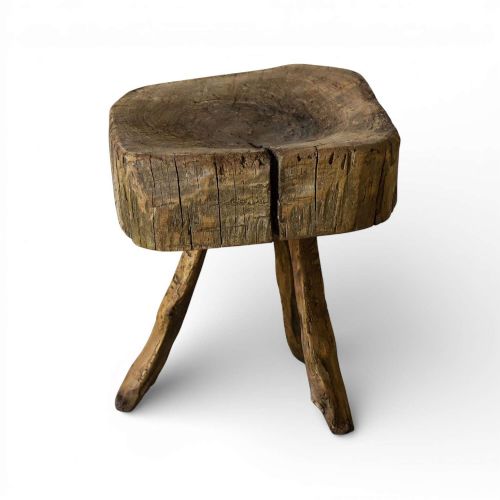
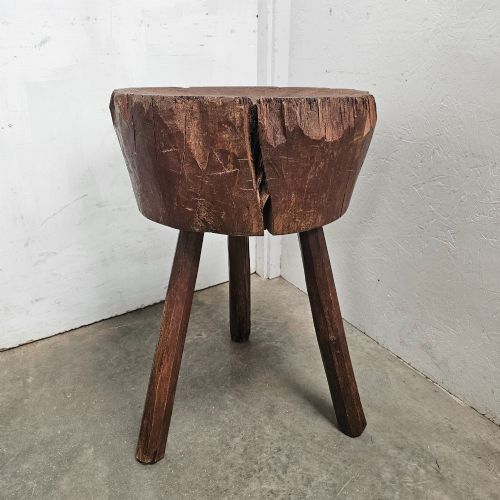
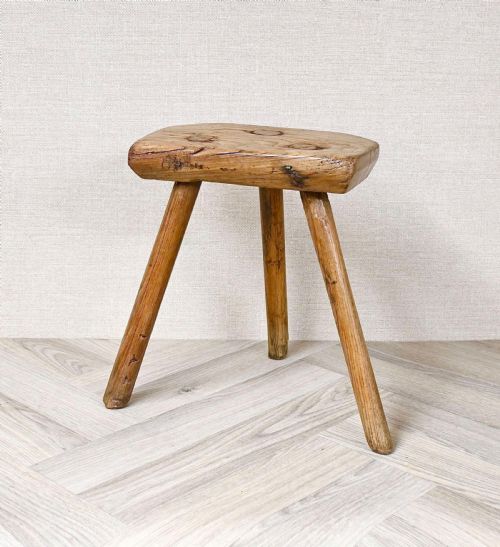
These primitive wooden tripod stool pieces are honest rural seats and blocks built for utility, offering buyers tactile connection to centuries of functional craft.
Primitive Wooden Tripod Stool
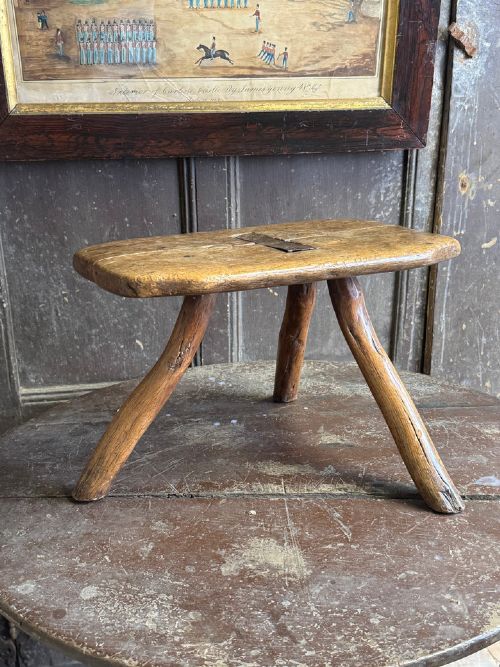
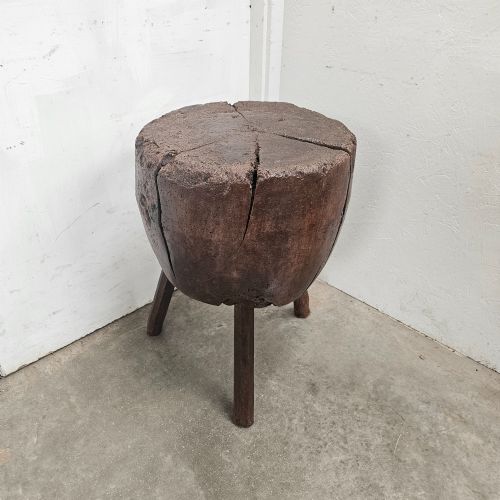
When you search for a primitive wooden tripod stool, you encounter robust rural seating and heavy chopping blocks originating from the eighteenth and nineteenth centuries. These items embody vernacular traditions from Britain, France, and Catalonia, shaped by local makers needing durable work furniture.
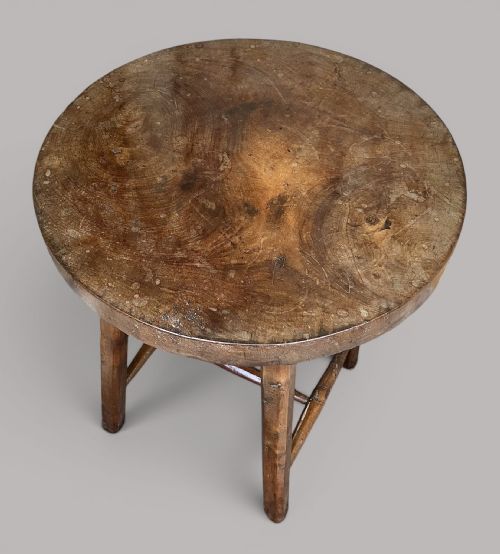
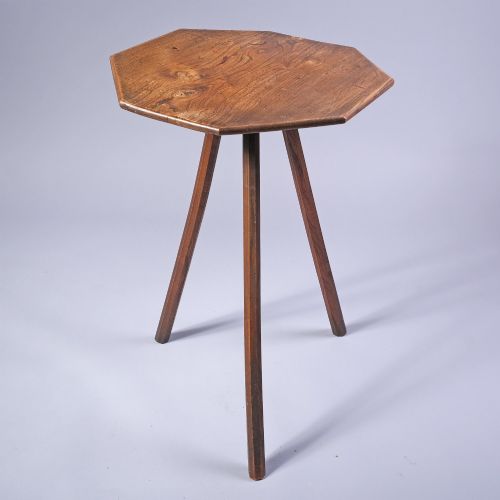
You are most likely to meet three-legged designs rendered in elm, beech, oak, and ash, often featuring splayed timber legs and solid circular tops. The selection ranges from low milking seats and cutler's stools to substantial game blocks and occasional tables supported by gnarled natural branches.
How they were made
Maker-craftsmen utilised solid timbers such as oak, beech, elm, and ash, shaping the tops with adzes and drawknives to create thick circular blocks and seats. Legs were typically turned or shaved from green wood and wedged into bored socket holes through the underside in a traditional Windsor construction.
Iron and blacksmith repairs reinforce structural stress points where heavy use or shrinkage took a toll over generations. Gnarled natural branches were selected specifically for legs, retaining the organic irregularities of the original timber.
Listings span the eighteenth century through to eighteen-fifty, incorporating solid walnut, ash, beech, elm, and oak alongside iron reinforcements.
What varies in quality
The distinction between standard utility items and superior examples lies in the integrity of the original surfaces and the sculptural character of the timber. Untouched patination, genuine blacksmith braces, and uncompromised structural joints elevate an ordinary seat into an engaging piece of vernacular sculpture.
Proportion and the harmonious balance between seat thickness and splayed leg angles dictate visual success. Pieces displaying honest wear through heavy past labour possess greater integrity than later assembled composites.
The Primitive Wooden Tripod Stool Glossary
- Vernacular
- Everyday objects built by local tradesmen using regional materials rather than following high-style academic designs. This style prioritises pure utility and straightforward construction.
- Splayed legs
- Support members angled outward from the centre for enhanced stability on uneven floors. This technique is typical of three-legged seating.
- Game block
- A heavy timber chopping block utilised for preparing game or butchery. These dense blocks often double as low occasional tables.
- Milking stool
- A small, portable three-legged seat designed for use in the dairy or field. Its tripod base remains steady on unpaved agricultural ground.
- Cutler's stool
- A specialised workshop seat used by blade smiths and cutlers during detailed hand-finishing work. These items emerge from industrial vernacular traditions.
Primitive Wooden Tripod Stool: Frequently Asked Questions
Are these stools comfortable to sit on?
These seats are remarkably sturdy, though their sculpted wooden tops are firm rather than cushioned. They function best as occasional perches or decorative accents.
Buyers often place them beside armchairs or use them as small bedside surfaces rather than primary lounging seats.
How do I clean and care for the wood?
Maintain the dry timber surfaces by dusting gently with a soft dry cloth and applying occasional clear beeswax. Avoid modern liquid polishes that can damage historic patination.
Keep these pieces away from direct heat sources and severe humidity fluctuations to prevent timber splitting.
Can I use a chopping block as a table?
Game blocks and butcher blocks make exceptional side tables and occasional surfaces due to their heavy timber mass. Their thick tops easily support lamps and books.
Ensure you protect the historic surface from moisture if utilised actively in kitchens or dining rooms.
How do I date an 18th-century stool?
Dating relies on examining tool marks, timber shrinkage patterns, construction methods, and the type of ironwork repairs present. Hand-adzed surfaces and blacksmith-made braces point toward earlier manufacture.
Comparing the species of wood and regional turning styles helps narrow down the period of origin.