
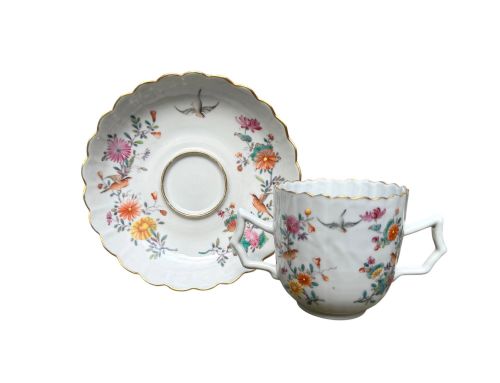

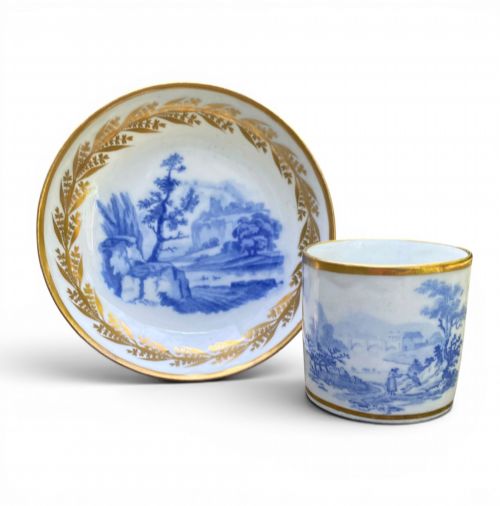

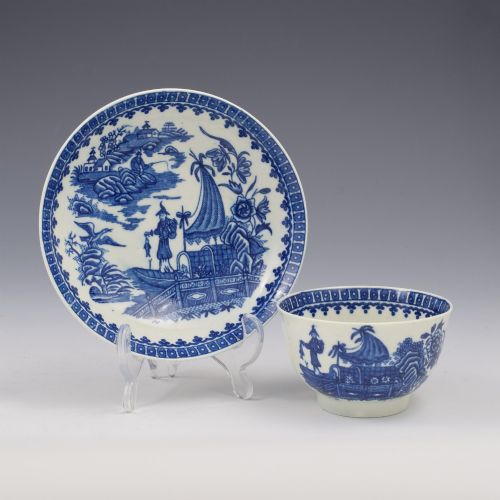


18th Century Porcelain Cup
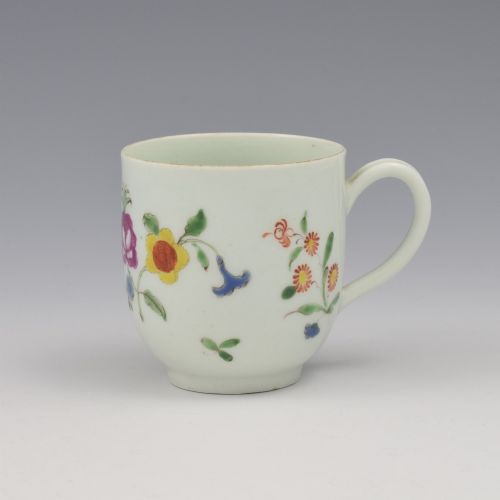
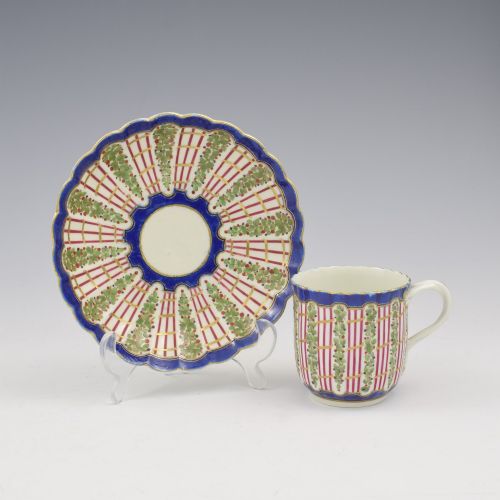
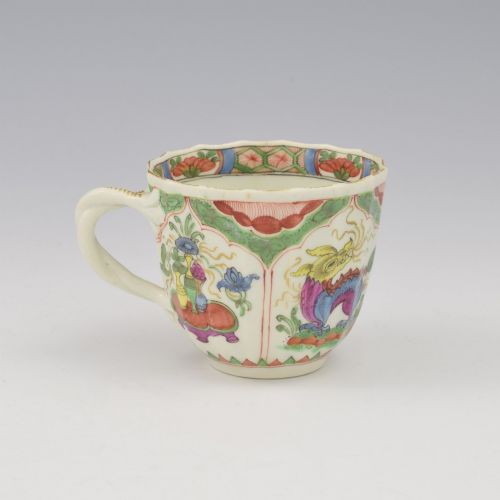
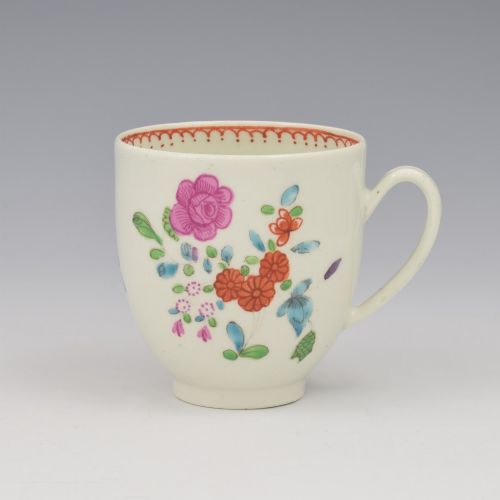
An 18th century porcelain cup brings hand-painted floral motifs and delicate handle forms to the table, connecting modern tea drinkers directly to Georgian kilns.
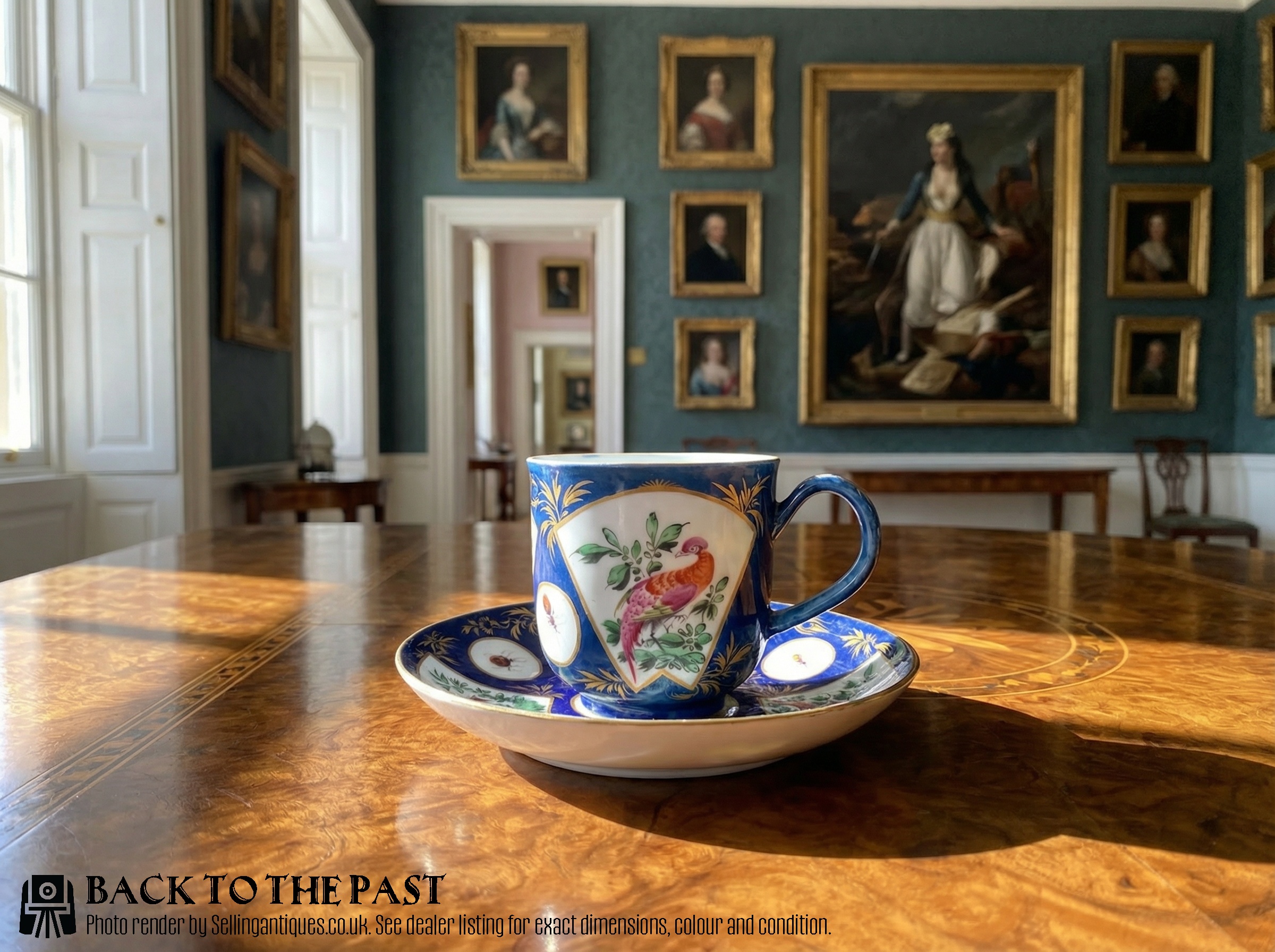
18th Century Porcelain Cup
An 18th century porcelain cup encompasses tea bowls, coffee cups, coffee cans, and mugs produced across English and continental factories during the Georgian era.
Buyers commonly encounter domestic tea bowls and saucers alongside pieces originating from Chinese export trade under the Qing Dynasty.
Forms range from handleless tea bowls designed for green tea to tall coffee cans and handled mugs featuring painted chinoiserie or floral patterns.
Materials and Manufacture
Potters shaped these vessels using soft-paste porcelain or hard-paste porcelain bodies, frequently incorporating soapstone to alter thermal properties.
Decoration relied on cobalt glaze for underglaze blue designs, alongside overglaze enamel painting, gilding, and applied gold leaf.
18th Century Porcelain Cup Retail Price Guide 2026
Typical asking prices for 18th century porcelain cup among the pieces listed under this phrase on Sellingantiques today, from the lower quarter to the upper quarter. They describe what is for sale here now, not the wider market.
Listings feature porcelain cups and mugs decorated with cobalt glaze, enamel paints, and gold leaf across English, French, and Chinese export origins.
Judging Quality and Execution
Quality rests upon the precision of the hand-painted enamel work, the clarity of cobalt blue application under the glaze, and the crispness of moulded details.
The sophistication of the palette and the complexity of chinoiserie or floral layouts distinguish standard factory output from master-painted porcelain.
Richard Chaffers·Flight And Barr·New Hall·Duesbury And Kean·Manufacture De La Reine·Meissen·Caughley·Sevres·Lowestoft
The 18th Century Porcelain Cup Glossary
- Soft-Paste Porcelain
- A glassy ceramic material fired at lower temperatures than hard-paste porcelain, common in early English factories.
- Tea Bowl
- A handleless drinking vessel used for tea during the eighteenth century before handled cups became standard.
- Coffee Can
- A straight-sided cylindrical cup designed specifically for drinking coffee, often paired with a matching saucer.
- Chinoiserie
- European artistic styles reflecting Chinese motifs and decorative schemes, frequently seen on domestic porcelain.
- Trembleuse Cup
- A specialised cup fitted with a raised ring inside the saucer to hold the vessel steady during service.
18th Century Porcelain Cup: Frequently Asked Questions
Did people drink tea and coffee from the same cup?
Eighteenth century households utilised distinct vessel shapes for different hot beverages, separating handleless tea bowls from taller, cylindrical coffee cups and cans.
Matching saucers accompanied both types, though tea bowls remained smaller to retain heat for green tea infusions.
How do I identify a First Period Worcester cup?
First Period Worcester pieces typically display characteristic blue scale grounds, transfer-printed chinoiserie, or finely painted polychrome floral arrangements.
Examinations under magnification often reveal crescent or square fret factory marks on the unglazed base.
What is the difference between soft paste and hard paste?
Soft-paste porcelain contains glass frit and clay mixtures fired at moderate temperatures, producing a warm translucent body susceptible to scratching.
Hard-paste porcelain utilises petuntse and kaolin fired at extreme heat, resulting in a durable, vitreous surface that resists acid and wear.
Why do some cups lack handles?
Early tea drinking habits in Europe followed Asian customs of holding small handleless bowls directly in the palms to warm the hands.
Handles only became standard on British porcelain as coffee consumption rose and tea drinking evolved toward larger handled vessels.