


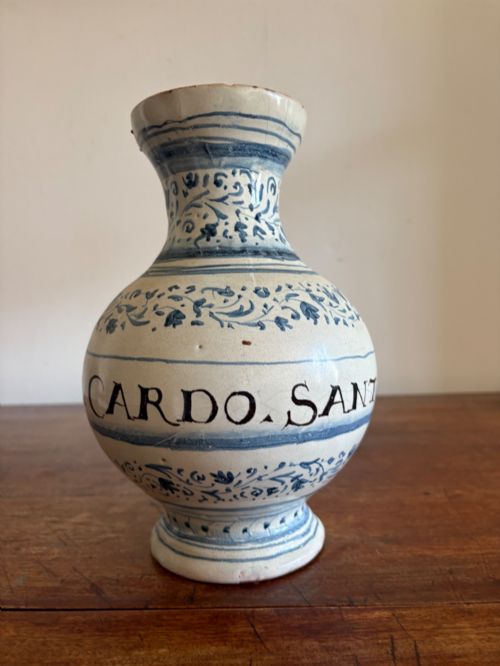


18th Century Pharmacy Jar
An 18th century pharmacy jar brings centuries of apothecary history into your home with hand-painted ceramic vessels designed to hold medical compounds.
18th Century Pharmacy Jar
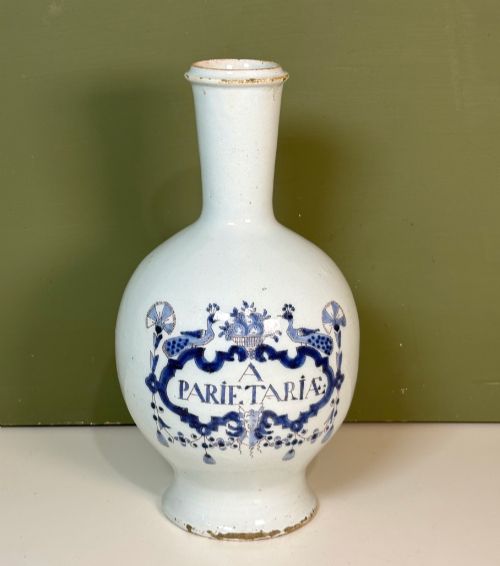
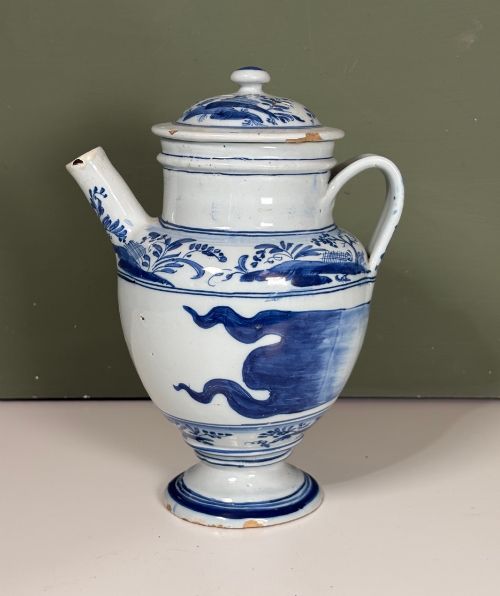
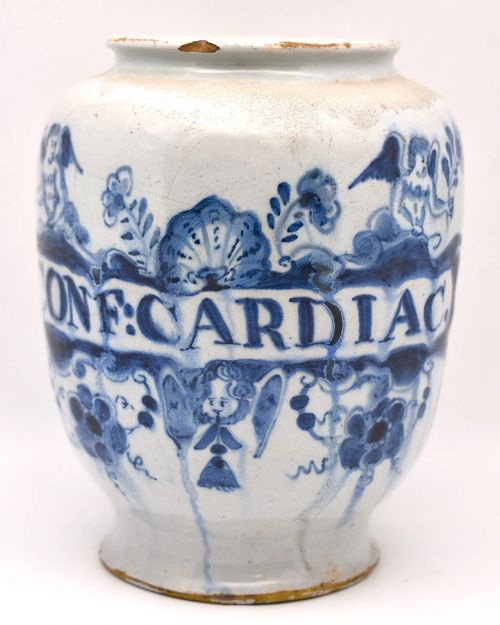
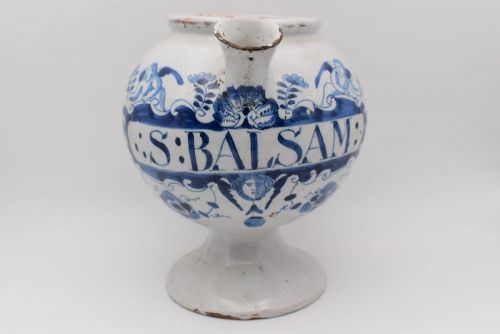
When you search for an 18th century pharmacy jar, you enter the specialised world of historic medical containers designed for apothecaries and chemists. The examples found here span forms such as cylindrical albarelli, handled wet drug jugs, and handled bottles.
Most pieces date firmly to the eighteenth century, with occasional overlap into the nineteenth century. These items originated across several distinct European ceramic traditions, including English Delftware, Dutch Delft, and Italian Majolica.
The primary role of these vessels was the storage of dry drugs, syrups, and balsams in working dispensaries. Collectors prize them for their surviving painted pharmaceutical labels, coats of arms, and figural decorations.
Materials and Techniques
Potters constructed these vessels using earthenware bodies coated in a tin glaze to produce an opaque white surface. This glaze provided an ideal canvas for subsequent decoration in cobalt oxide and polychrome pigments.
Artisans applied pigments directly onto the unfired tin glaze in the majolica and delftware traditions, absorbing the colours permanently during the kiln firing process. Cobalt pigment dominates the palette, yielding deep blues alongside polychrome accents.
Many jars retain centuries-old Latin abbreviations for dubious medical remedies, meaning your shelf might proudly display a container once tasked with holding crushed cardiac herbs.
Assessing Quality and Character
Quality in these ceramics rests upon the clarity of the painted decoration, ranging from simple lettering to elaborate cherubs, scrolls, and heraldic motifs. Superior pieces exhibit confident brushwork and well-proportioned forms such as the waisted albarello.
The survival of original surface glazes and legible Latin or vernacular pharmaceutical inscriptions heavily influences the desirability of a jar. Variations also occur in the scale of the vessels, from small dispensing bottles to large storage jars.
The 18th Century Pharmacy Jar Glossary
- Albarello
- A cylindrical earthenware jar used by apothecaries to store ointments and dry drugs. This shape derives from Middle Eastern drug containers brought to Europe through trade.
- Tin Glaze
- A ceramic glaze made opaque by the addition of tin oxide, creating a white surface for painting. It forms the defining technical foundation of delftware, majolica, and faience.
- Majolica
- Tin-glazed earthenware produced in Italy and other Mediterranean regions featuring painted decoration. The technique flourished during the Renaissance and continued through the eighteenth century.
- Delftware
- Tin-glazed earthenware made in England and the Netherlands, typically decorated in blue and white. English examples frequently served domestic apothecaries.
- Faience
- A European term for tin-glazed earthenware, often applied to continental pieces outside the Dutch and English traditions. These wares display varied regional painting styles.
- Wet Drug Jar
- A specialised pharmacy vessel featuring a spout or wide neck designed to hold liquids, syrups, and oils. They often include handles to assist with pouring.
18th Century Pharmacy Jar: Frequently Asked Questions
What were 18th century pharmacy jars used for?
These vessels stored dried herbs, medicinal powders, syrups, and ointments in historical apothecary shops and dispensaries. Each jar typically bore a painted inscription denoting its specific contents.
Albarellos held dry substances, while spouted wet drug jugs and bottles contained liquids and balsams ready for patient dispensing.
How do I identify English delftware from Italian majolica?
English delftware pharmacy jars often feature characteristic blue and white inscriptions alongside English market styles and specific drug names. Italian majolica pieces frequently showcase distinct regional painting traits from centres like Savona, Naples, or Nove.
Examining the palette, glaze tone, and letterforms helps attribute a jar to its specific European ceramic tradition.
How should I display a pharmacy jar at home?
Place these ceramic pieces on open shelving or within glass-fronted cabinets where their painted labels and forms remain clearly visible. Ensure they sit on stable, flat surfaces away from areas of heavy foot traffic.
Keep them out of direct sunlight and away from moisture to protect the historic earthenware bodies and tin glazes.
What do the Latin inscriptions mean?
The painted text on these vessels represents abbreviated Latin names of historical medicines, botanical ingredients, or medical preparations. Common examples include specific balsams, syrups, and medicinal compounds used by period physicians.
Translating these inscriptions reveals the exact substance the jar originally preserved in the apothecary shop.