
18th Century Pedestal Stand
An 18th century pedestal stand provides a stable, elevated surface for display or service, combining practical utility with period craftsmanship.
18th Century Pedestal Stand
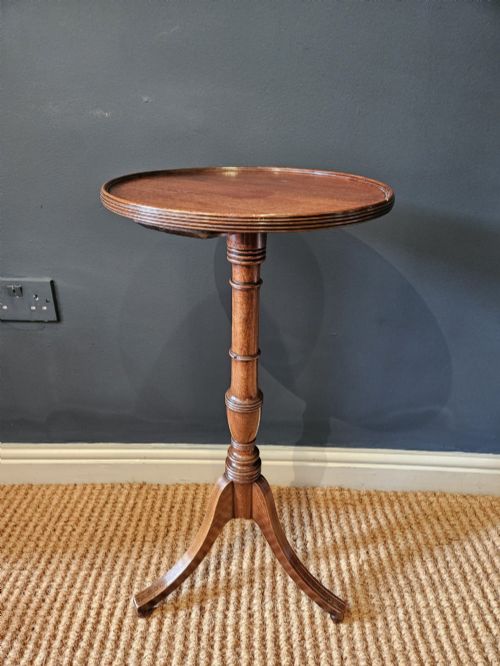
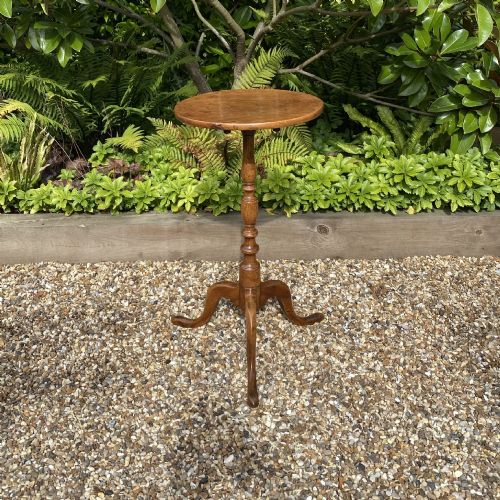
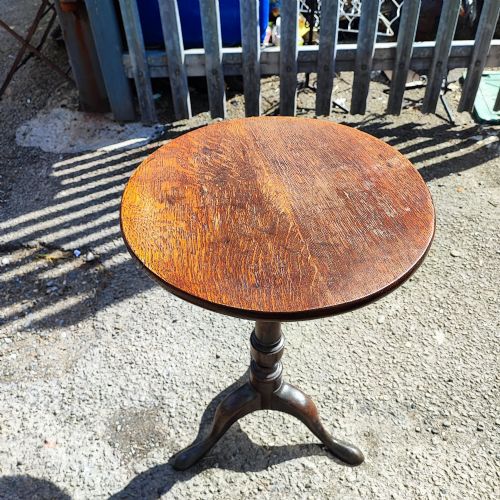
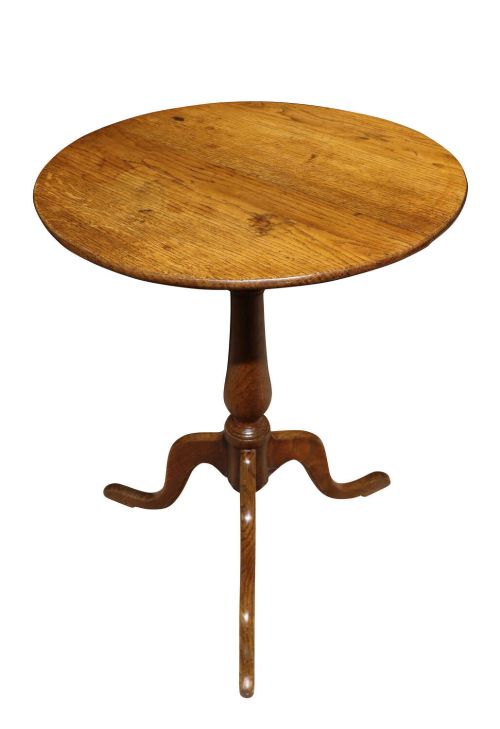
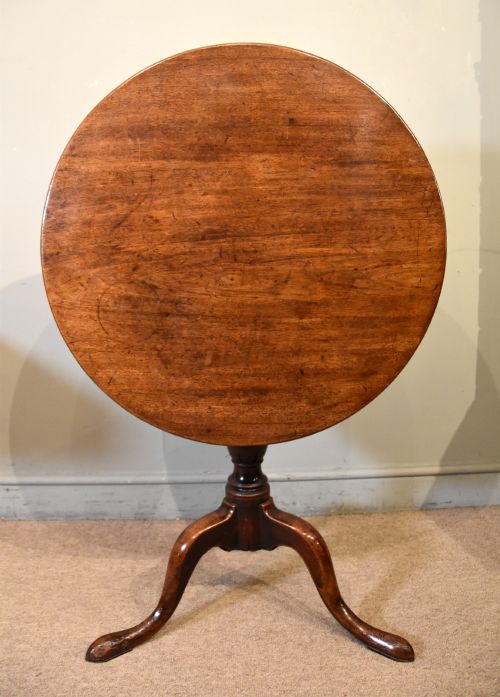
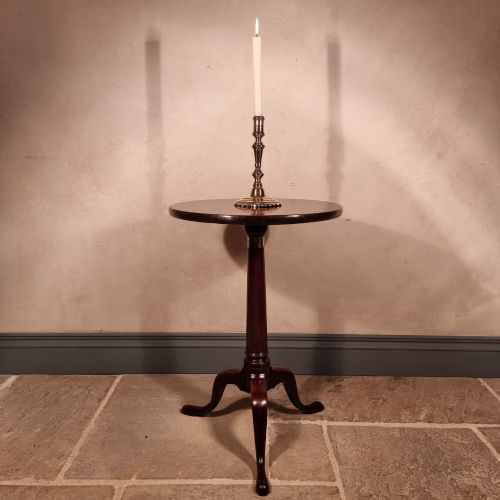
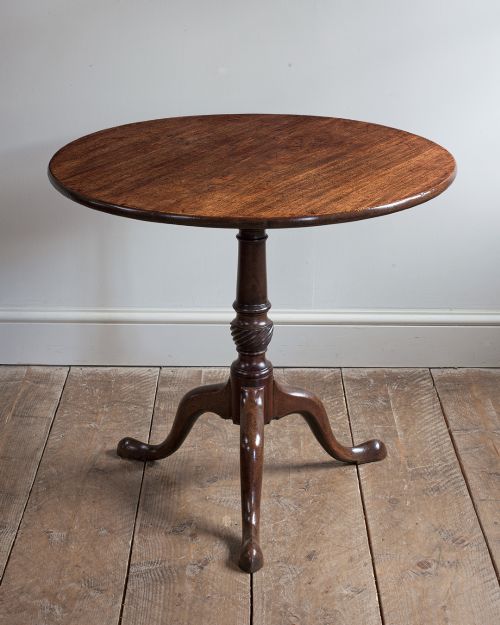
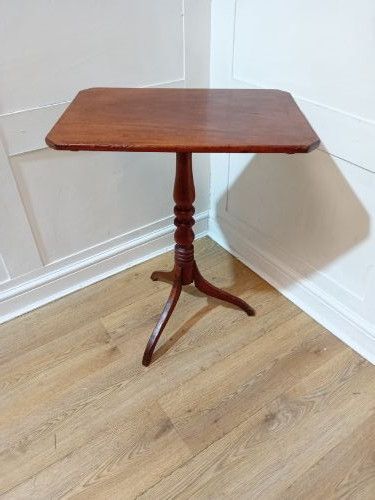
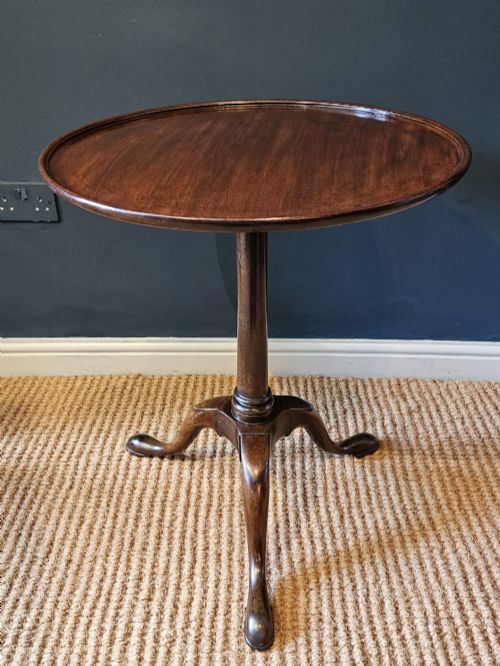
An 18th century pedestal stand encompasses a variety of elevated supports, wine tables, torchieres, and urn stands primarily originating from the Georgian and 18th century periods. Buyers searching this phrase most commonly encounter tripod tables with circular, tilt-top, or occasional surfaces designed for domestic utility.
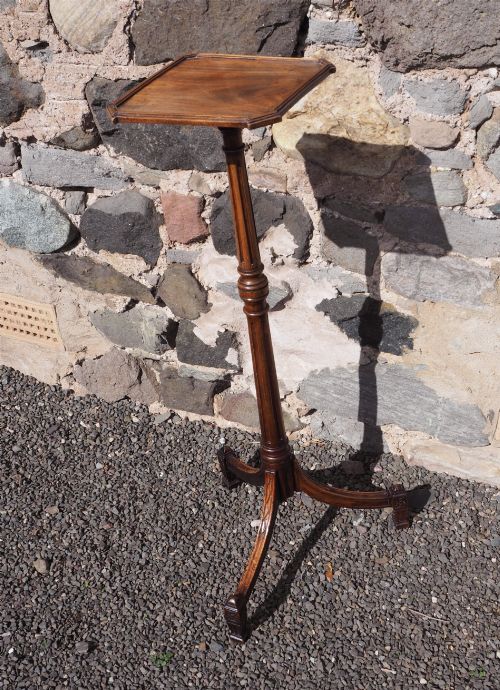
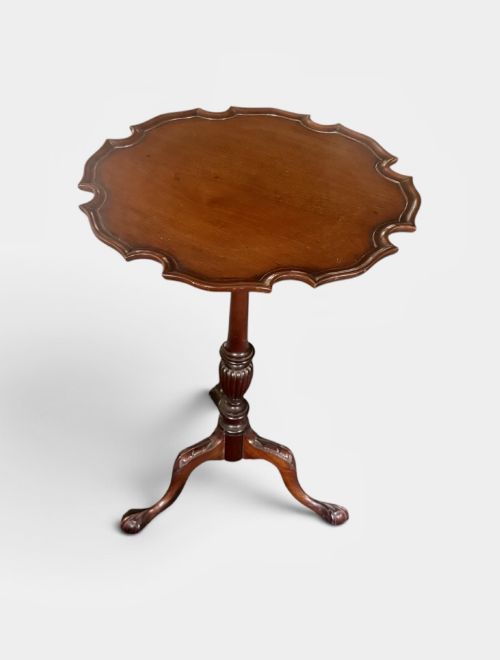
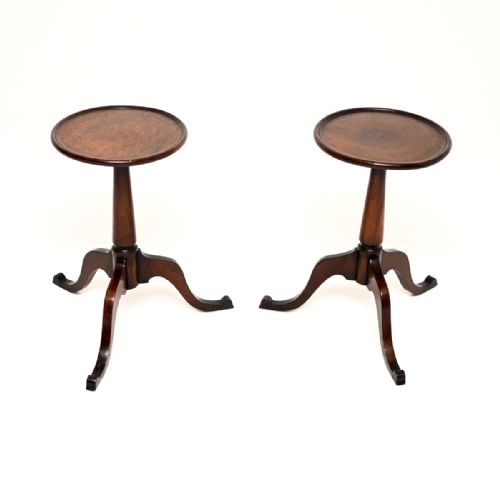
The forms range from vernacular oak wine tables and elm occasional tables to sophisticated mahogany pieces featuring birdcage actions and snap-top mechanisms. Alongside timber tables, the selection extends to occasional plant stands, torchieres, and glass serveware such as tazzas functioning on pedestal bases.
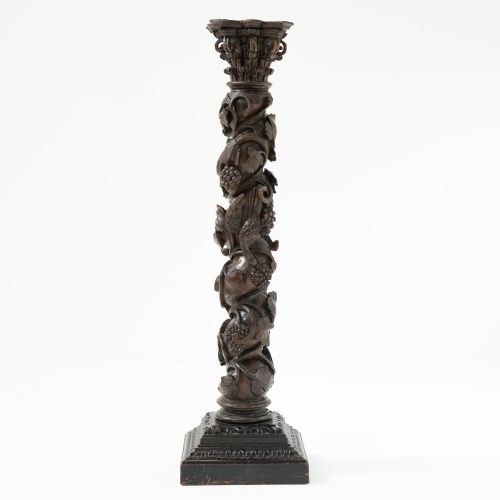
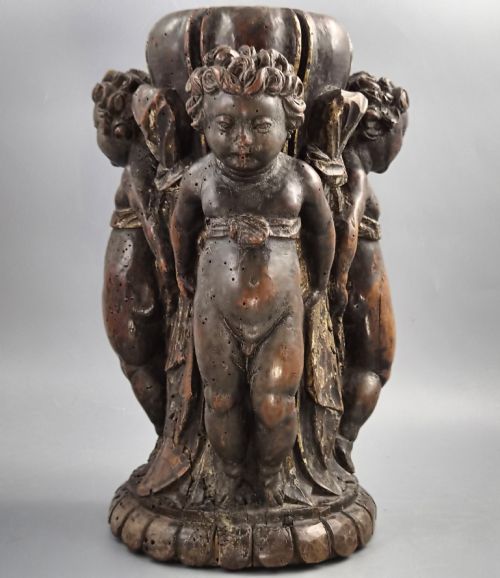
Origins span English Georgian workshops alongside continental examples including Dutch torchieres and Italian Baroque carved walnut bases. These pieces served diverse roles in period interiors, from holding bedside lamps and urns to displaying decorative objects.
How they were made
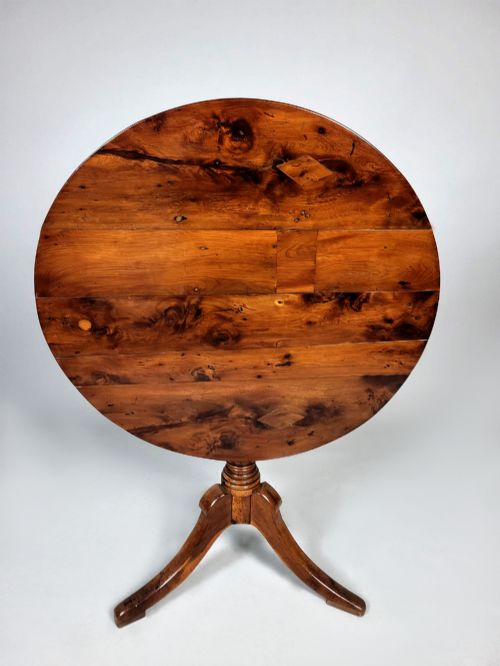
Construction relies heavily on native and imported timbers, with mahogany and oak forming the primary structural elements, complemented by red walnut, burr oak, elm, and boxwood inlay. Cabinetmakers utilised solid planks for tops and turned timbers for central columns and tripod legs.
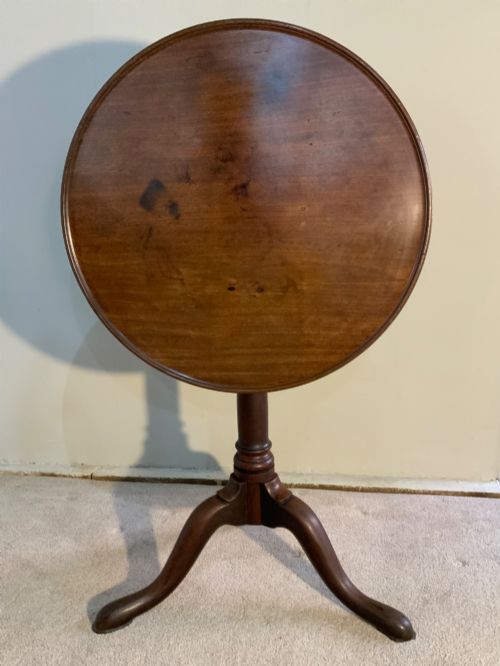
Specialised joinery enabled functional mechanics, notably the birdcage action and tilt-top or snap-top mechanisms that allowed tables to be stowed flat against walls when not in use. Turning, carving, and pegged joints provided structural integrity to the central columns and shaped legs.
Several tripod stands feature tilt tops designed to hide neatly against parlour walls, proving that Georgian interior space-saving predates modern flat-packing.
What varies in quality
Quality is distinguished by the choice of timber and the refinement of surface grain, such as figured mahogany or burr oak, paired with crispness in carved details like pie crust rims and scrollwork. Superior examples exhibit harmonious proportions between the top, column, and tripod base.
The integrity of moving mechanical parts, including birdcage pivots and snap-top catches, separates standard utilitarian pieces from high-grade cabinetmaking. Original patination and retention of surface finish further elevate the standing of an individual piece.
The 18th Century Pedestal Stand Glossary
- Tripod table
- A small occasional table supported by a central pillar resting on three legs. This design became standard for wine and tea tables during the Georgian era.
- Tilt top
- A table top hinged to the central pedestal allowing it to pivot vertically. This mechanism enabled convenient storage against a room perimeter.
- Birdcage
- A revolving wooden framework beneath a tilt top table top that allows the surface to rotate independently of the column. It utilises small turned spindles resembling a cage.
- Torchiere
- A tall stand or pedestal originally designed to hold a candle or torch. 18th century examples often feature elaborate carved columns or figural bases.
- Tazza
- A shallow pedestal plate or saucer used for serving food or display. Georgian examples appear in both glass and ceramic forms.
18th Century Pedestal Stand: Frequently Asked Questions
What was an 18th century pedestal stand used for?
These stands served flexible domestic purposes, frequently functioning as wine tables, tea tables, or lamp supports in period reception rooms.
Their lightweight tripod construction allowed servants to move them easily around the home to accommodate guests.
What is a birdcage mechanism?
The birdcage is a small revolving wooden box structure situated between the table top and the central column.
It allows the surface to rotate smoothly while maintaining the stability of the pedestal base.
Are these tables solid mahogany?
Many examples utilise solid native or imported timbers including mahogany, oak, and walnut for both the top and structural supports.
Cabinetmakers selected dense hardwoods to ensure the slender tripod legs and central pillars could support weight without warping.