

18th Century Oak Stand
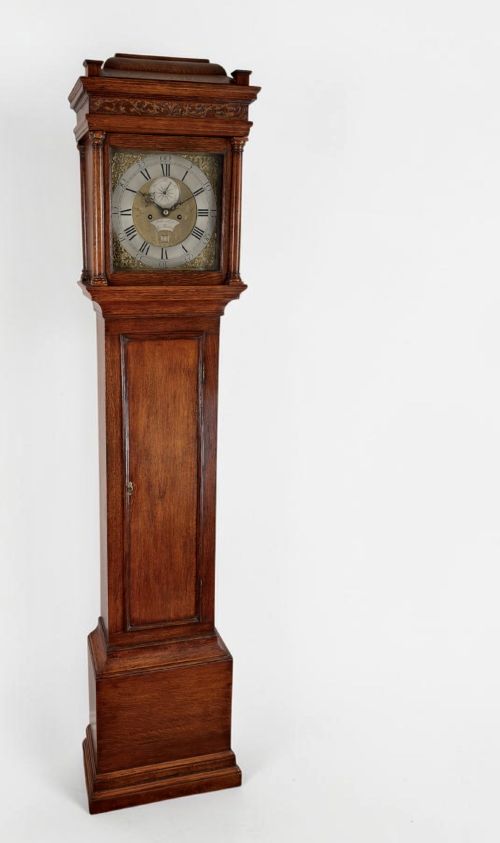
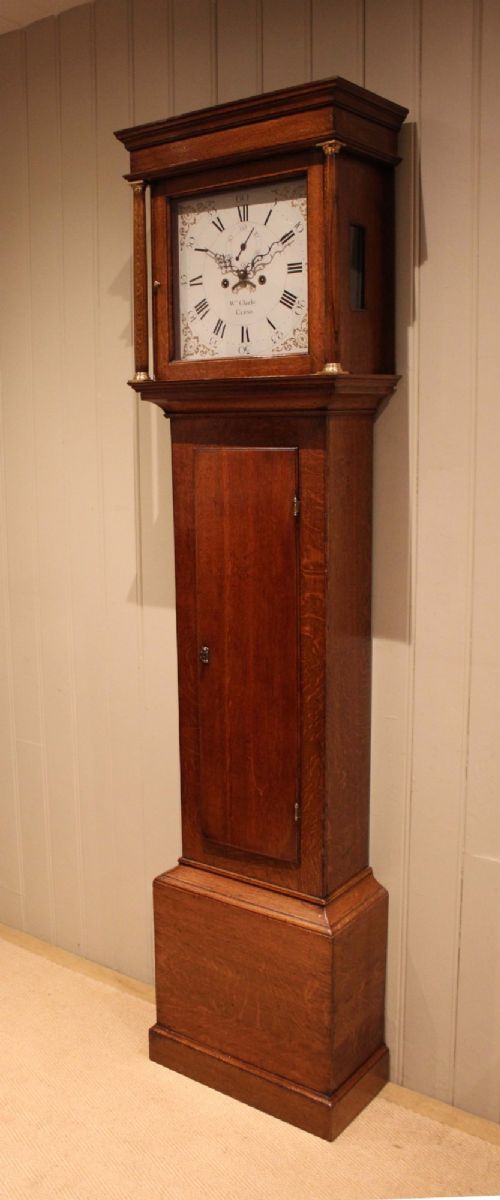
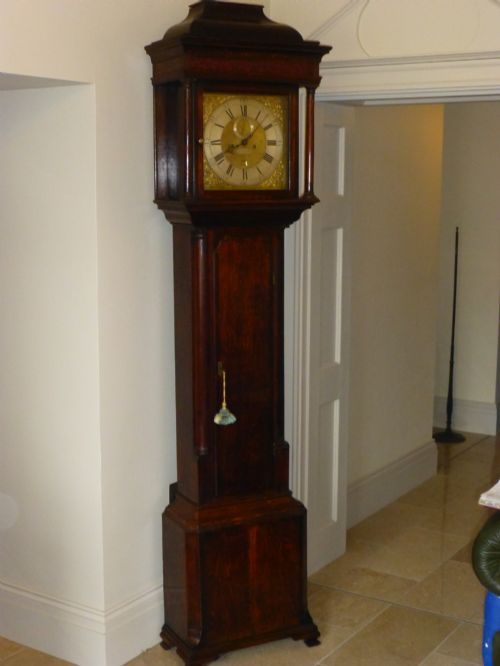
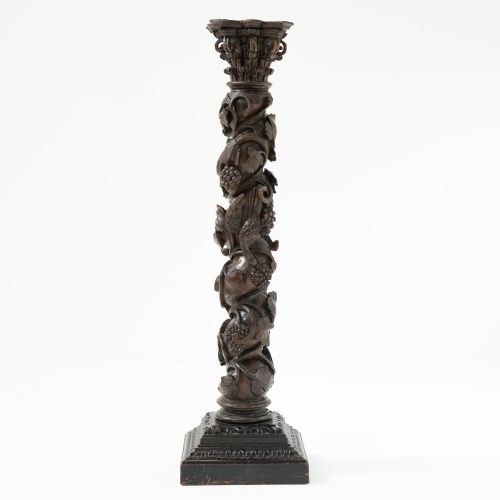
An 18th century oak stand brings functional provincial character and rich timber warmth to any interior space.
18th Century Oak Stand
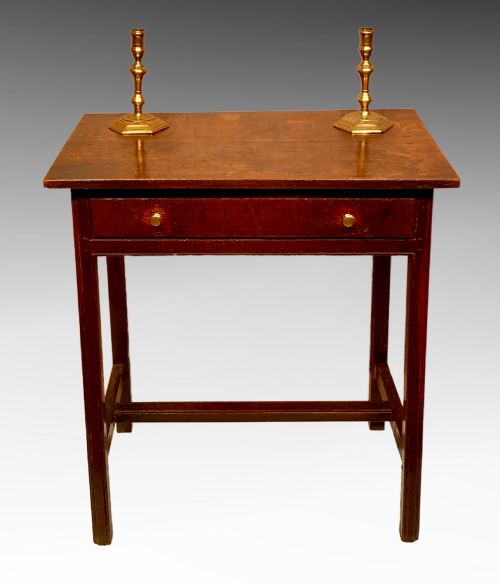
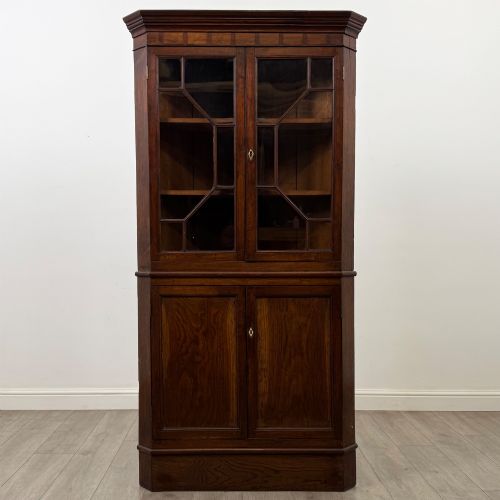
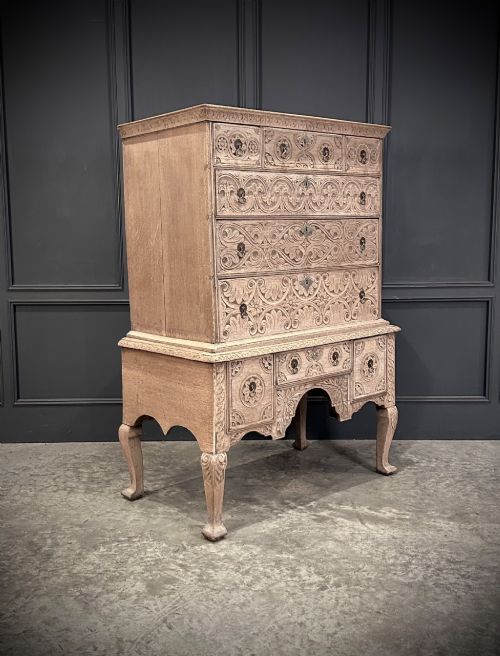
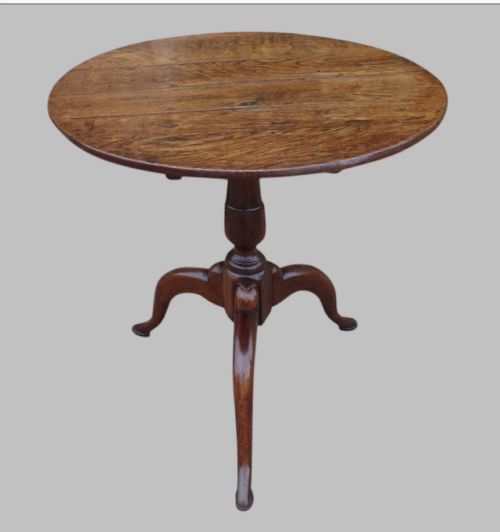
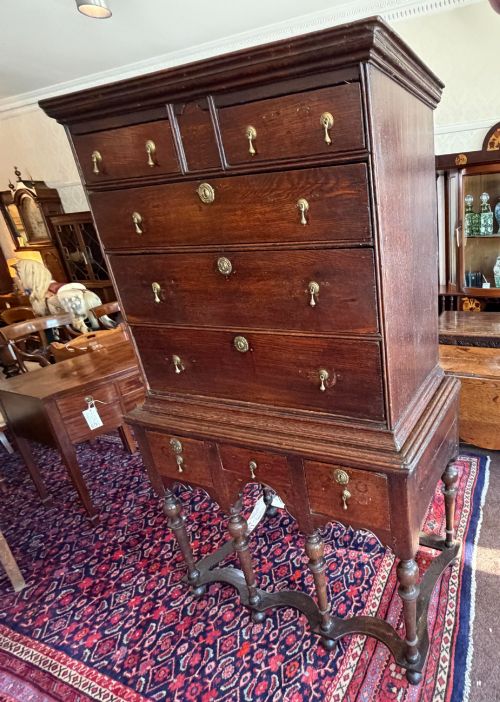
When buyers search for an 18th century oak stand, they encounter a variety of practical forms designed for domestic storage and display. The selection ranges from elevated chests on stands and tripods to small candlestands and occasional tables.
Provincial workshops and country makers produced much of this furniture during the Georgian period, utilising durable regional timbers. These utilitarian pieces served specific household functions, from holding candles to supporting writing desks and linen presses.
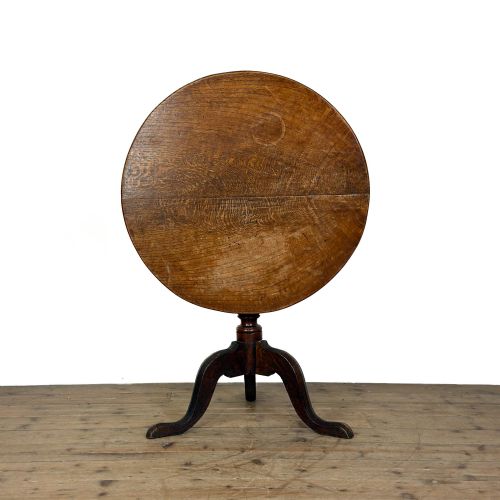
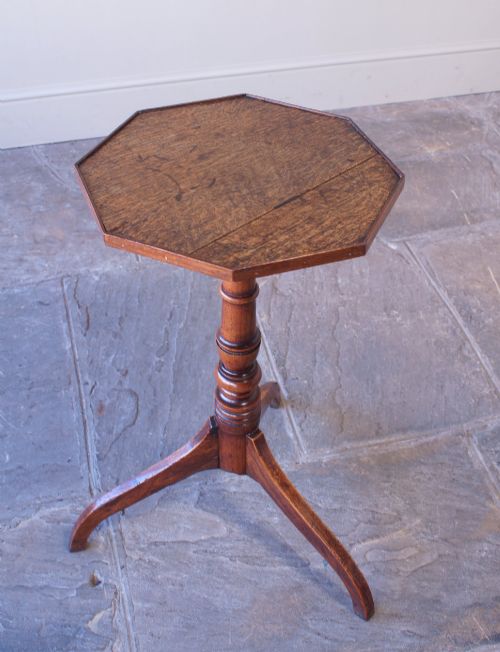
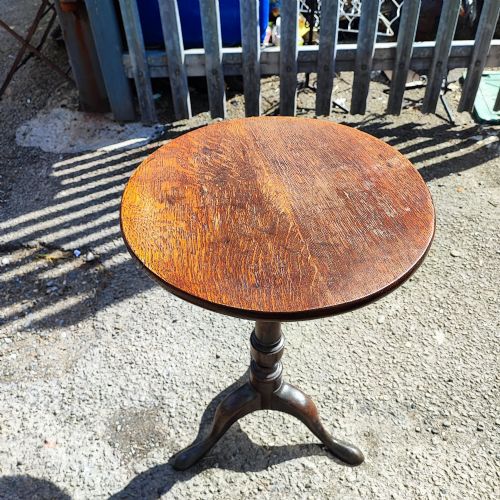
Buyers are most likely to meet sturdy tripod wine tables, small chests on stands, and upright candlestands on this page. These sturdy pieces reflect the vernacular tastes of English country houses and rural workshops.
Materials and construction methods
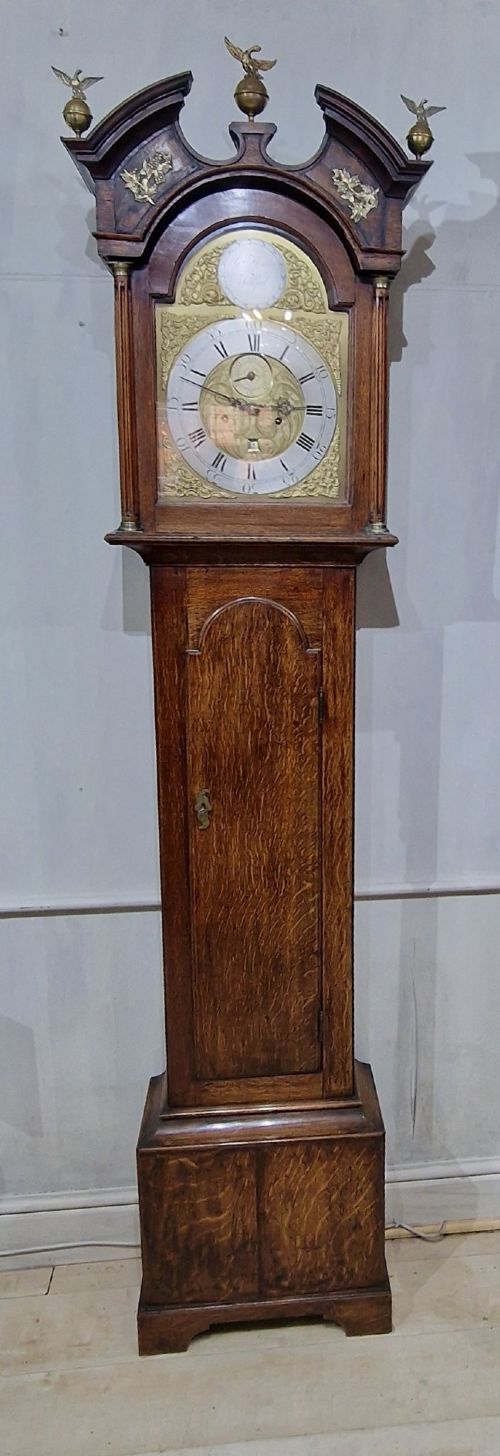
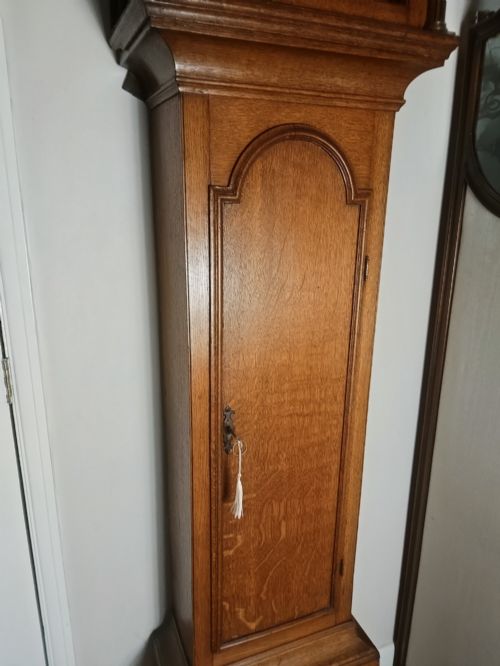
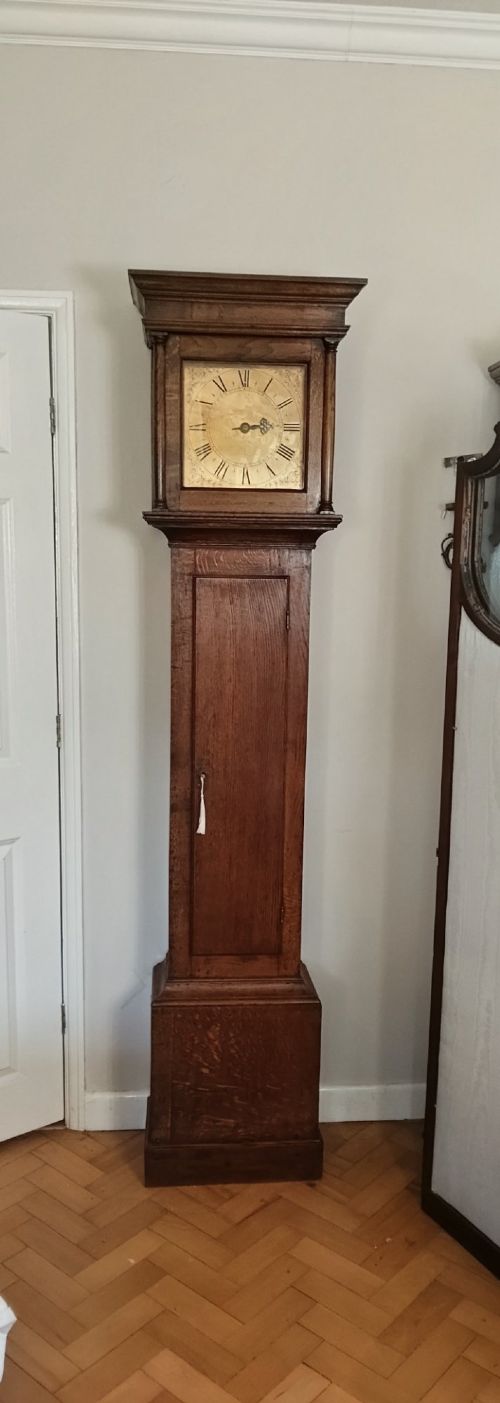
Makers relied primarily on solid oak, occasionally combining it with walnut, fruitwood, and beech for secondary framing or decorative banding. Blacksmith-made iron hinges, brass dials, and locks provided essential structural and functional hardware.
Joinery methods involved traditional mortise and tenon joints secured with wooden pegs, ensuring stability in daily use. Turning lathes shaped slender columns and cabriole legs, while hand planes smoothed the dense grain of the timber.
An eighteenth-century oak lectern carved in the likeness of an eagle with outstretched wings stands ready to deliver a speech.
Evaluating craftsmanship and survival
Superior examples display crisp hand-carving, well-proportioned turned columns, and minimal replacement to the original timber or hardware. Untouched surface patination resulting from decades of daily use elevates the standing of a piece.
Lesser items suffer from heavy timber shrinkage, extensive repairs, or the replacement of original stands and bases. The integrity of the joinery and the presence of original blacksmith fixings distinguish superior domestic items from heavily altered examples.
Lee of Great Marlow·Richard Corless of Stockport·James Hendrie, Falkirk·Fisher Of Preston·Thomas Webbe of New Quay·Smith Macclesfield
The 18th Century Oak Stand Glossary
- Chest on stand
- A two-part storage furniture type consisting of a drawer section elevated upon a separate table or frame base. This form maximises vertical storage while lifting contents away from damp floors.
- Candlestand
- A small, tall table specifically designed to support a lighting device for reading or sewing. These portable stands typically feature a single central pillar supported by three tripod legs.
- Tilt top
- A table mechanism allowing the wooden top to pivot into a vertical position when not in use. This clever design saved valuable floor space in smaller domestic rooms.
- Vernacular
- Everyday furniture built by local craftsmen for regional use rather than high urban commissions. These items prioritise robust utility over academic stylistic correctness.
- Cabriole leg
- A furniture leg that curves outward in a convex arc and then bends inward in a concave arc, terminating in a pad or foot. The design imitates the natural joint of an animal limb.
18th Century Oak Stand: Frequently Asked Questions
What rooms suit an 18th century oak stand?
These compact pieces fit easily into sitting rooms, hallways, and studies as occasional surfaces for lamps or small decorative items. Their warm timber tones integrate naturally with both traditional and contemporary interiors.
Larger forms such as chests on stands work well in bedrooms or landings, providing genuine surface utility alongside historical presence.
How were these stands used originally?
Households utilised these small tables and stands for holding heavy candlesticks, serving wine, or supporting writing materials in candlelight. Tripod tables could be easily moved around rooms to wherever illumination or a temporary surface was required.
Cabinets and chests raised on stands kept valuable linens and documents elevated away from cold, damp stone floors. This division also made moving heavy storage containers more manageable for domestic staff.
How do I distinguish regional styles?
Provincial and country pieces often display simpler, heavier turning and sturdier joinery than pieces commissioned for urban London residences. Regional timbers like fruitwood or local oak appear frequently in Welsh and northern English workshops.
Makers incorporated local vernacular traditions, resulting in subtle differences in leg profiles, bracket feet, and drawer proportions across different counties.
Are these pieces suitable for everyday use?
Solid oak construction and pegged joinery make these items remarkably durable and well-suited for modern domestic environments. Regular dusting and occasional waxing help preserve the historic surface patination without altering the wood.
Owners should simply avoid placing them near direct heat sources or in areas of extreme humidity to protect the ancient timber joints.