
Antique Wooden Candle Table
These compact pieces bring portable illumination to any room, offering the timeless utility of an antique wooden candle table.
Antique Wooden Candle Table
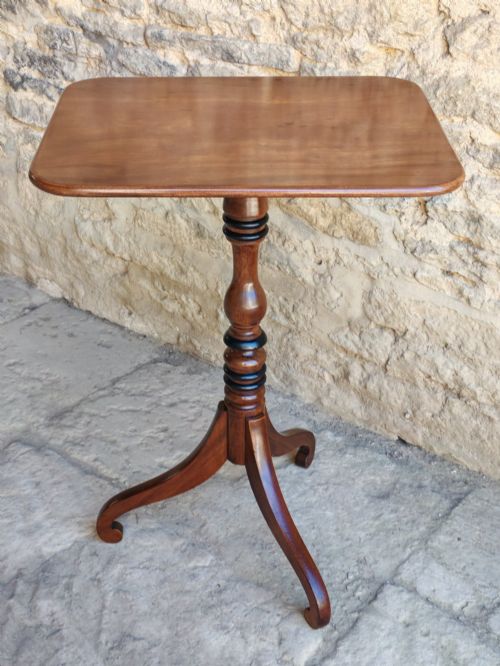
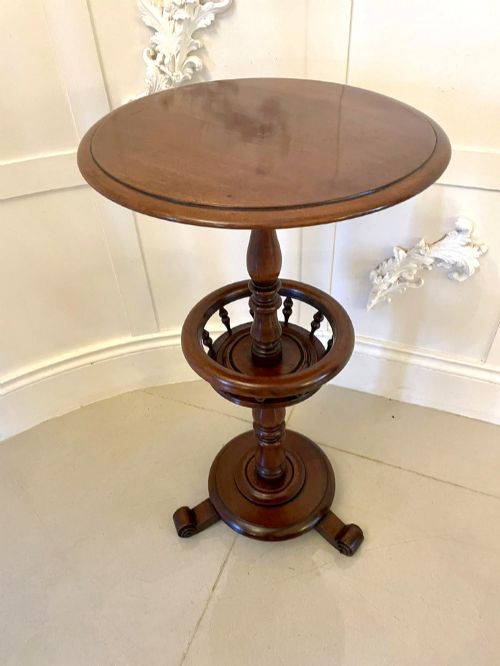
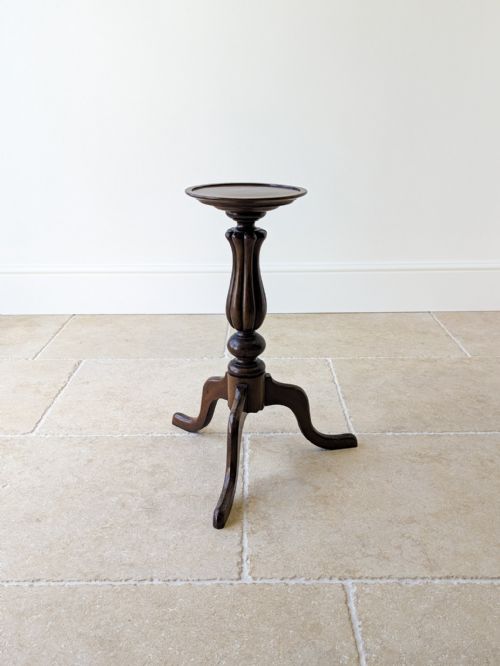
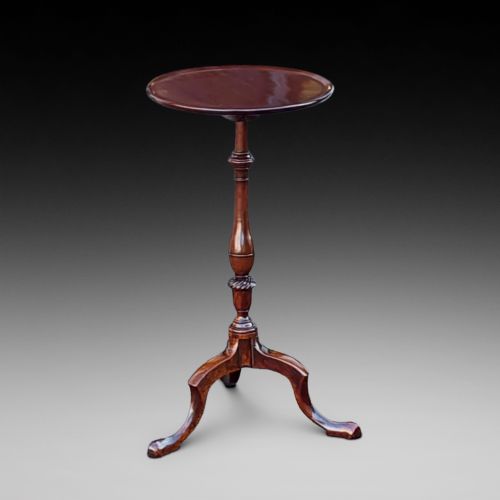
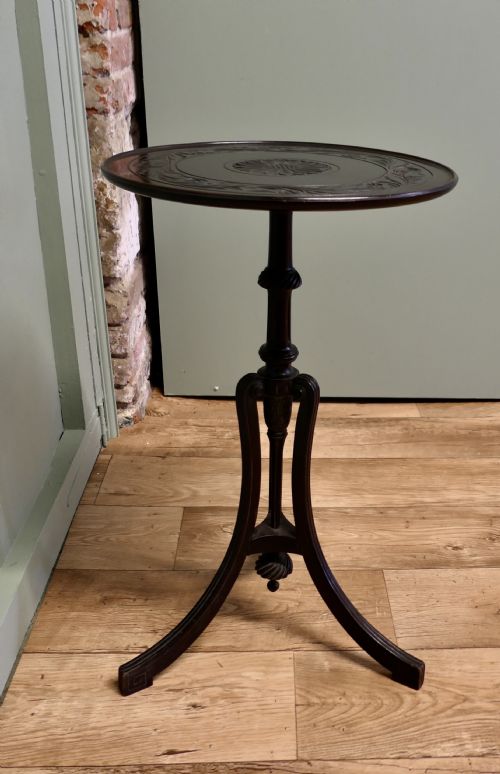
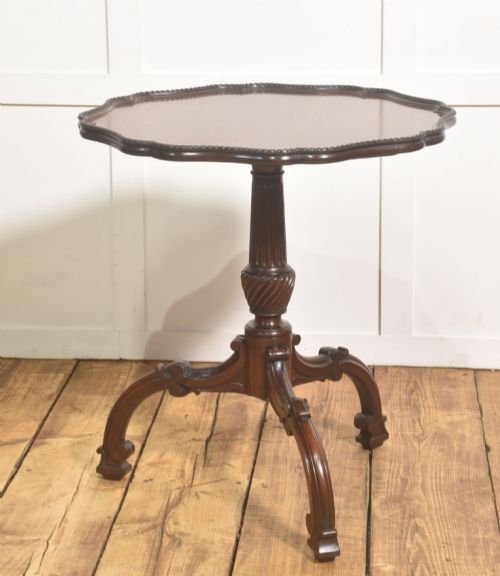
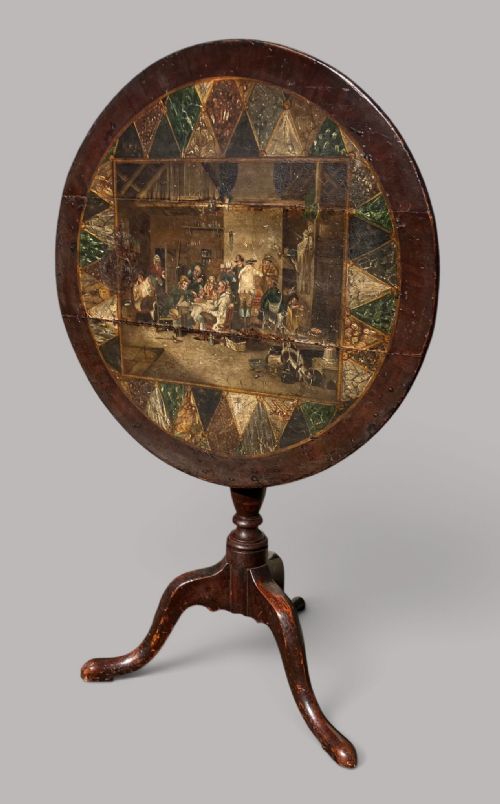
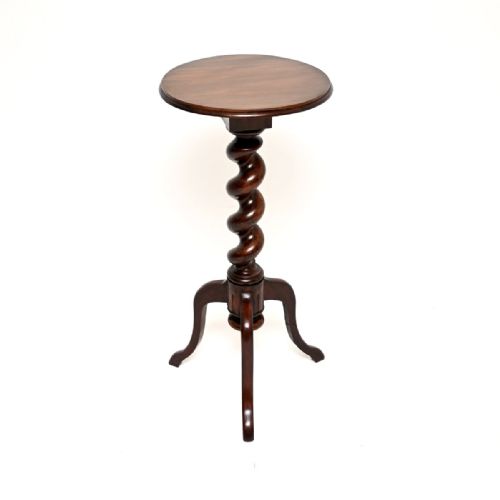
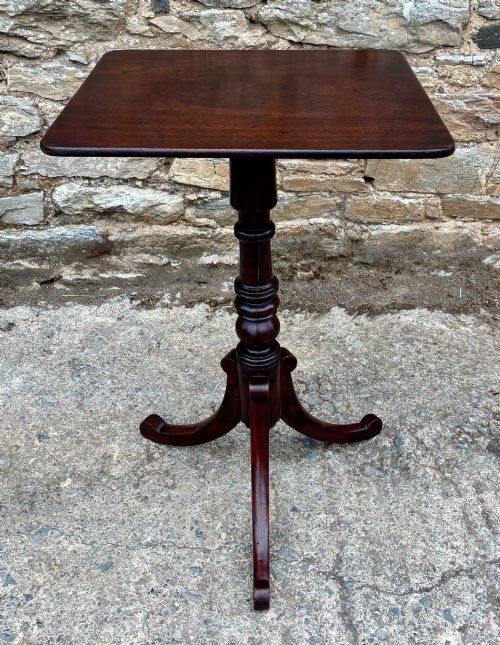
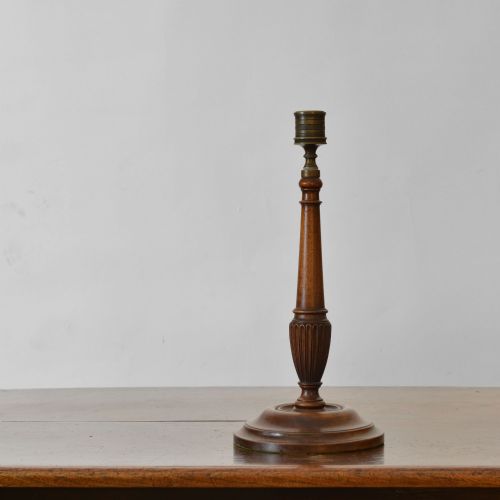
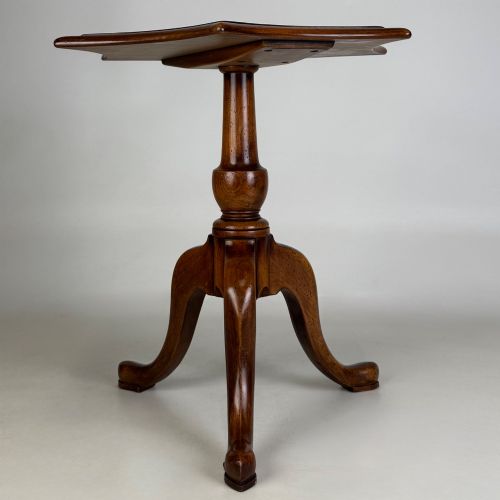
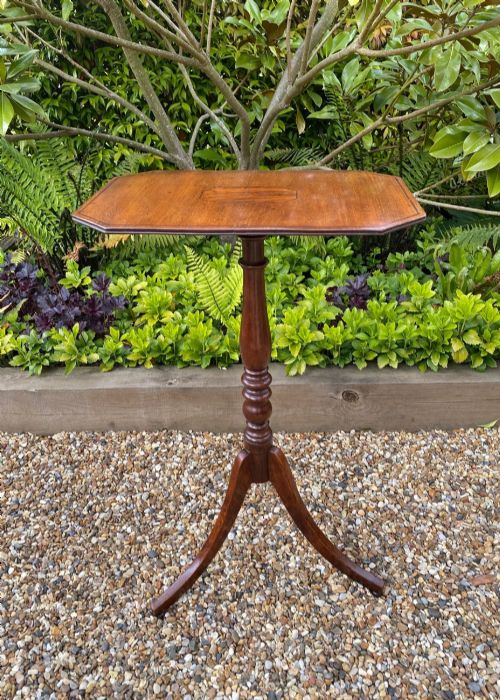
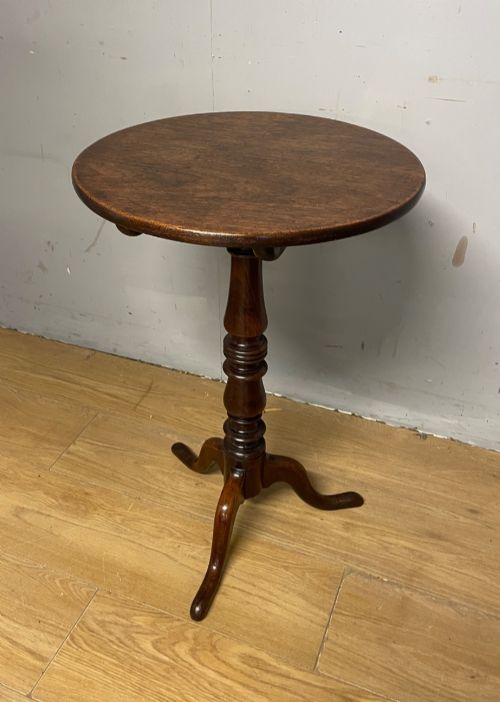
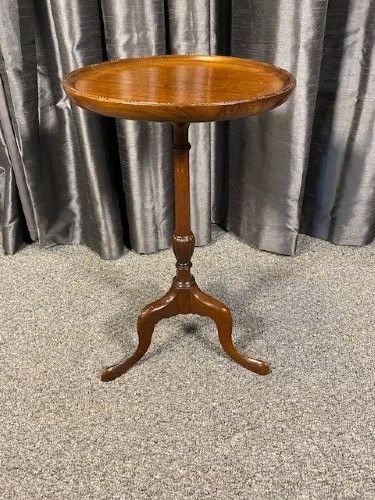
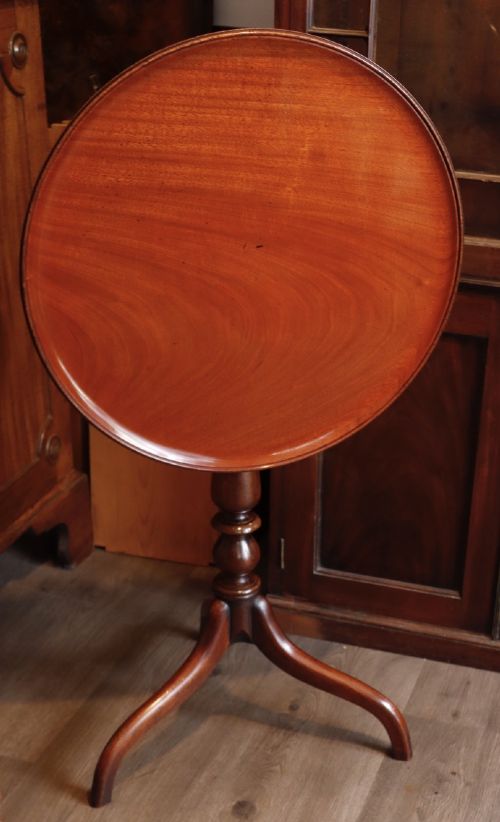
An antique wooden candle table is a small, portable piece designed originally to hold a light source beside a chair or bed. The examples you encounter on this page span the eighteenth, nineteenth, and early twentieth centuries, taking the form of wine tables, urn stands, and occasional tables. Most pieces feature a single central pillar supported by three tripod legs, often incorporating a tilting top mechanism for convenient storage.
Makers produced these tables in various shapes, including circular, oval, octagonal, and rectangular tops. Woods range from dense mahogany and figured walnut to durable oak, fruitwood, ash, and satinwood. While some function purely as candlestands or torcheres, others serve equally well as small side tables or lamp tables in modern interiors.
How they were made
Cabinet makers utilised solid timber and choice veneers for these tables, turning central pillars on lathes and shaping tripod legs by hand. Mahogany and walnut provide structural strength and fine grain, while fruitwood and oak offer robust everyday utility.
Listings feature mahogany, walnut, oak, fruitwood, and satinwood across periods spanning the eighteenth, nineteenth, and early twentieth centuries.
What varies in quality
The distinction between ordinary and exceptional pieces lies in the choice of timber and the crispness of the carving. Superior tables display well-figured mahogany or burr oak, harmonious grain matching on the top, and slender, elegant tripod legs that transition smoothly into the pillar.
Construction methods also dictate quality, particularly the tightness of the birdcage or tilt-top mechanism and the integrity of the joints beneath the top. Finer examples retain original brass fixings and subtle details like turned urn stems or carved tripod knees.
The Antique Wooden Candle Table Glossary
- Tilt top
- A tabletop mounted on a hinge mechanism that allows the surface to fold vertical when not in use. This clever design saved floor space in period rooms.
- Tripod table
- A small occasional table supported by three legs radiating from a central pillar. It provides stable placement on uneven floors.
- Urn stand
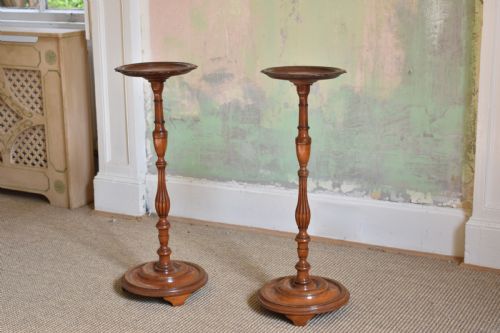
- A tall, slender table designed to hold a hot water urn or kettle during tea service. These pieces often feature elevated galleries or octagonal tops.
- Torchere
- A tall stand designed specifically to support a candle or lamp. They frequently showcase elaborate carving from the eighteenth century.
- Inlay
- A decorative technique where contrasting woods or materials are set into the surface of a piece. Satinwood and fruitwood often appear in these designs.
Antique Wooden Candle Table: Frequently Asked Questions
What is an antique wooden candle table used for?
These pieces served historically to elevate a candle, lamp, or tea urn near a seating area. Today, they function wonderfully as compact side tables for holding drinks, books, or small lamps in living spaces.
Their diminutive size makes them exceptionally versatile for filling awkward corners or tight spaces where larger furniture will not fit.
How do I identify a tilt top table?
Look beneath the circular or rectangular top for a wooden block catch or brass latch connecting the surface to the central pillar. When released, the top pivots ninety degrees to rest flat against the column.
This mechanism allowed eighteenth and nineteenth-century households to store multiple tables against a wall when the room was needed for other purposes.
What timber was used most often?
Mahogany dominates the surviving examples, prized by period cabinet makers for its stability and rich deep colour. Walnut and oak appear frequently in Georgian and Victorian pieces, alongside fruitwood and decorative satinwood.
Secondary woods such as beech or ash often form the inner framework or the structural legs of tripod tables.
Are these tables stable on carpets?
Tripod bases provide natural stability on uneven historical flagstones and floorboards by distributing weight across three points rather than four. On thick modern carpets, however, a three-legged base can occasionally wobble if the floor is heavily padded.
Placing the table in a spot with firm underlay ensures the slender pillar remains perfectly upright.