



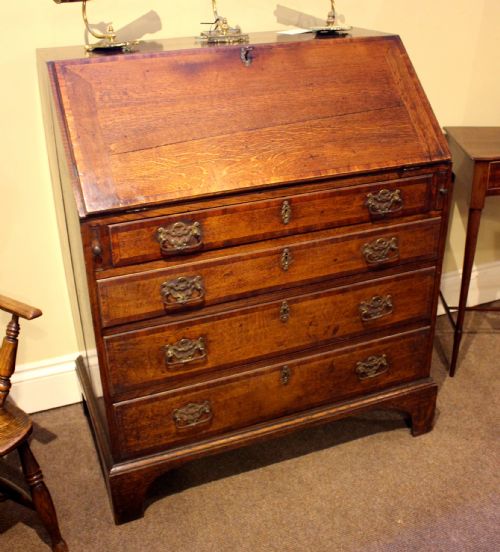

18th Century Oak Bureau
An 18th century oak bureau provides a practical writing surface above concealed drawers and pigeonholes, combining domestic utility with enduring timber construction.
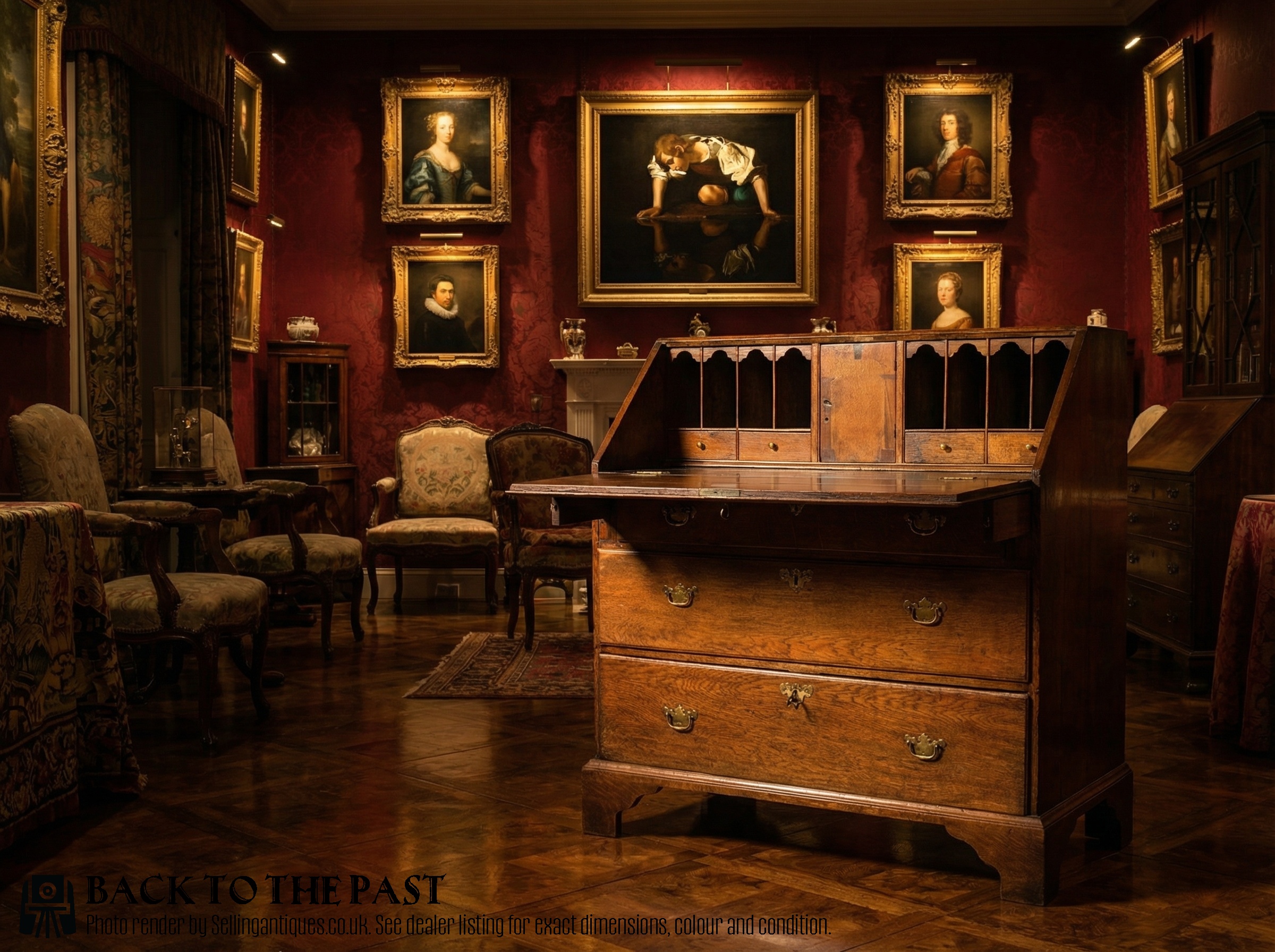
18th Century Oak Bureau
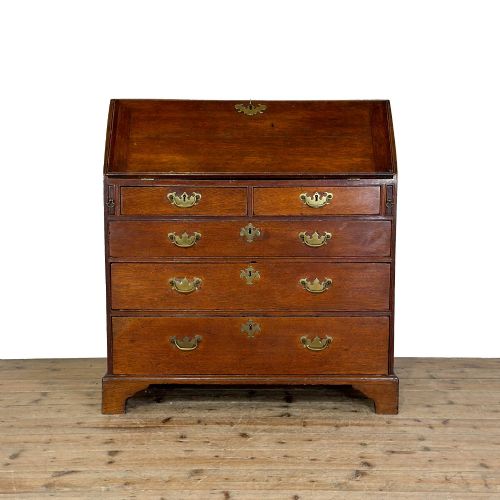
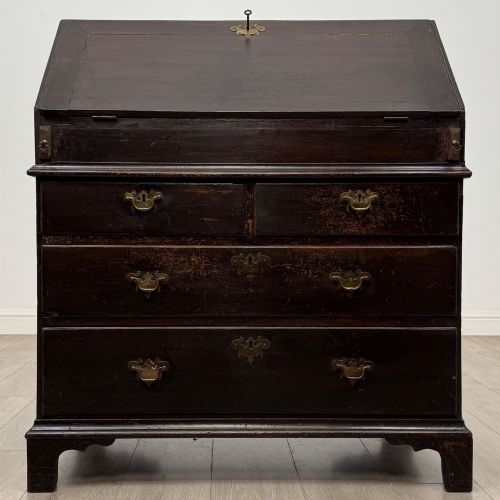
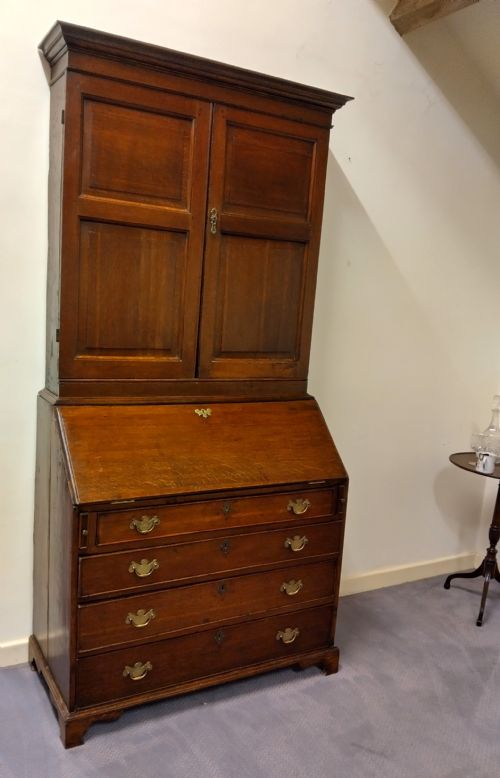
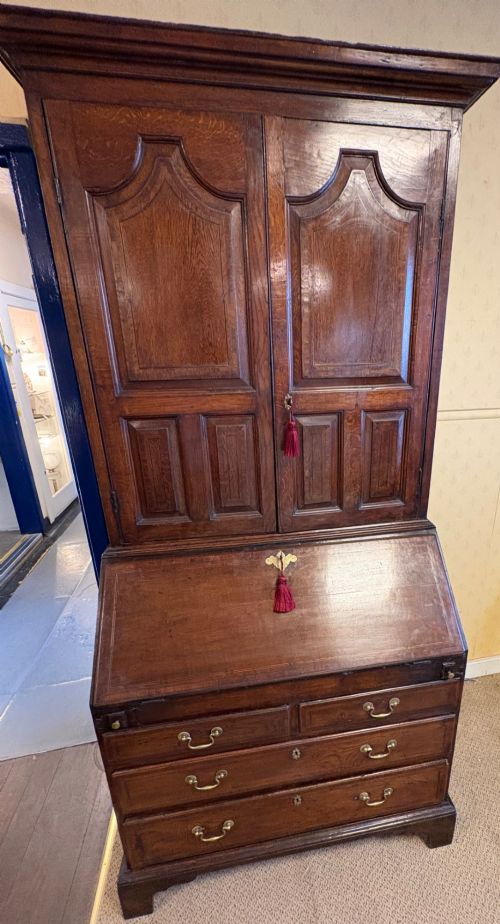
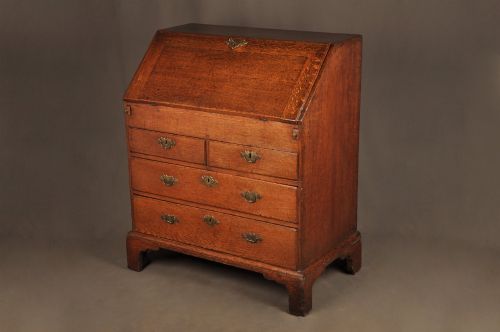
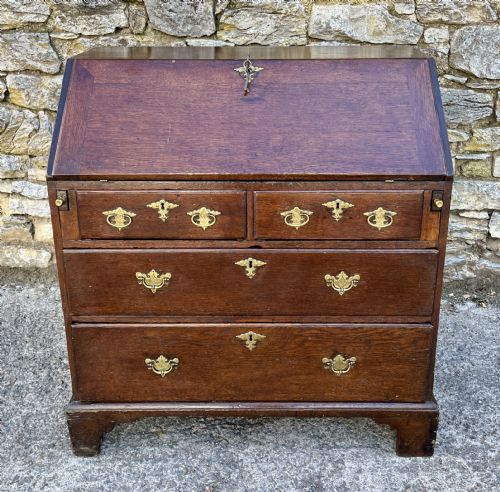
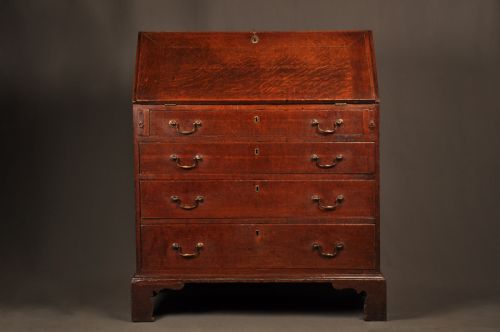
An 18th century oak bureau is a functional writing cabinet designed with a sloping fall-front flap that opens to reveal a fitted interior of small drawers and pigeonholes, sitting above several full-width storage drawers.
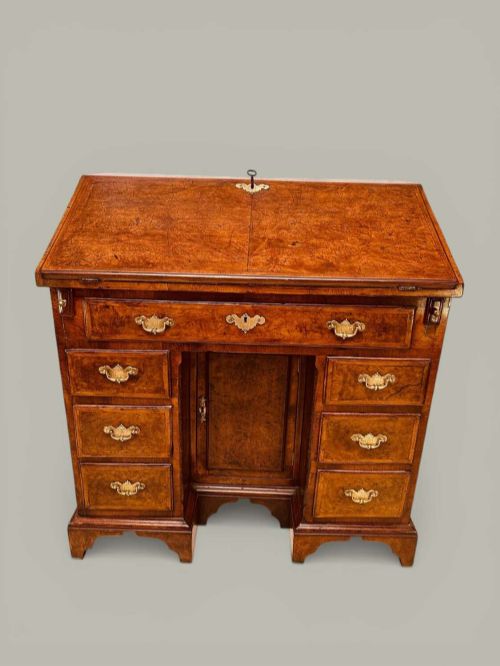
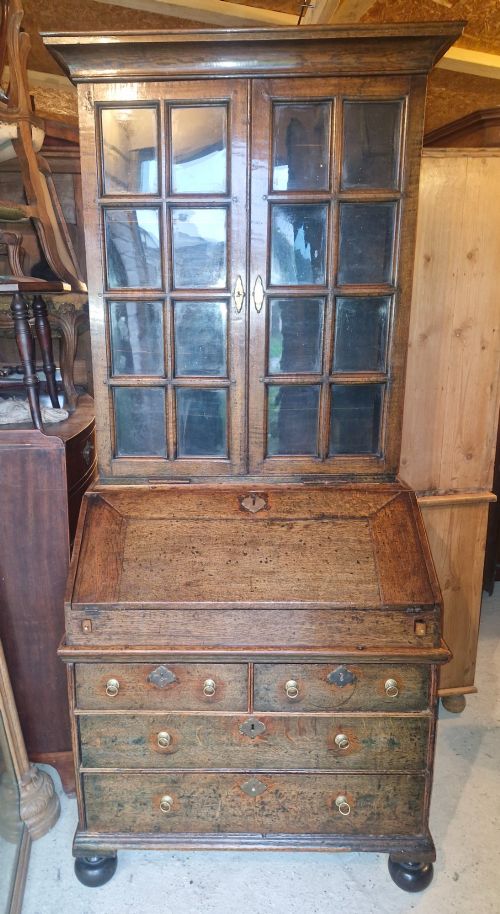
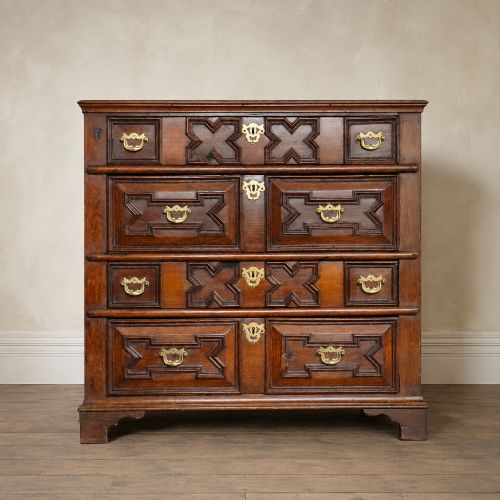
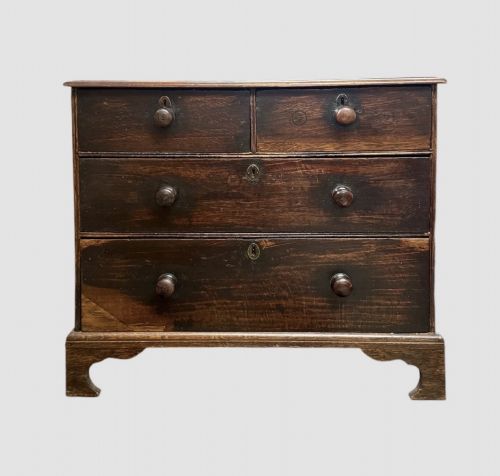
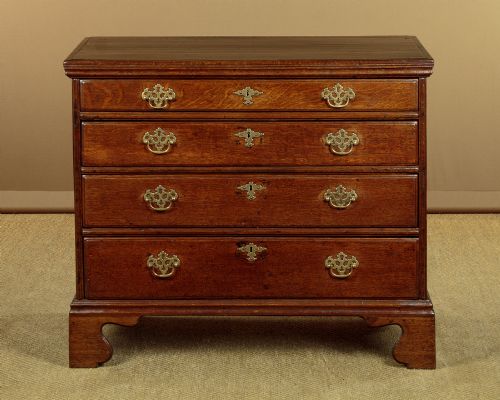
The pieces appearing on this page span the 1700s, encompassing early Georgian, George I, and George III periods, alongside related forms such as bureau bookcases, clerks desks, and kneehole desks.
Most examples are constructed primarily from solid oak, though variations emerge in the form of smaller proportions, tall two-stage bureau bookcases, and occasional variants incorporating walnut, mahogany, or pollard oak.
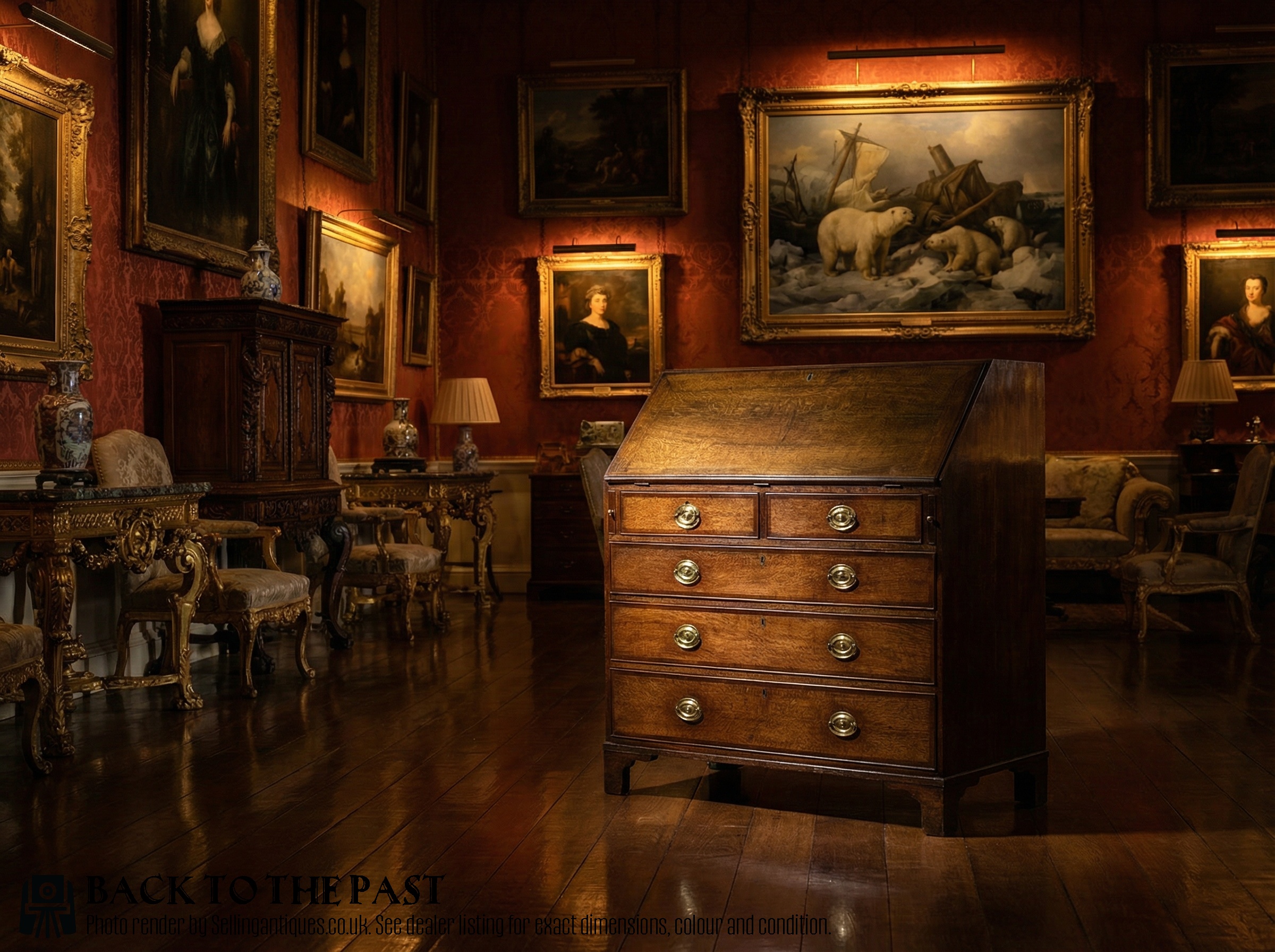
How they were made
Cabinet makers built these desks predominantly using solid oak planks, often combining frame-and-panel construction for stability with dovetailed drawer boxes designed to withstand heavy daily use.
Decorative detailing on these pieces relies on timber selection and joinery techniques, utilising crossbanding, wood inlay, geometric mouldings, and carved accents rather than applied surface finishes.
Functionality is supported by iron and brass hardware, including hinges, drop handles, and escutcheons, alongside secondary structural timbers and leather writing inserts.
18th Century Oak Bureau Retail Price Guide 2026
Typical asking prices for 18th century oak bureau among the pieces listed under this phrase on Sellingantiques today, from the lower quarter to the upper quarter. They describe what is for sale here now, not the wider market.
The archive records versatile formats including corner bureaus, kneehole desks, and two-stage Welsh bureau bookcases.
What varies in quality
The distinction between standard examples and finer pieces often rests upon the intricacy of the interior arrangement, such as stepped compartments and secret drawers concealed behind sliding partitions.
Proportion and scale heavily influence desirability, with smaller proportions and miniature examples commanding greater attention than standard bulky formats.
Surface treatment and timber choice create further separation, distinguishing plain boards from richly figured pollard oak, crossbanded borders, or well-executed geometric mouldings.
The 18th Century Oak Bureau Glossary
- Fall-front
- A sloping or vertical writing flap hinged at the bottom that lowers to provide a flat desk surface. When closed, it conceals the inner compartments.
- Bureau bookcase
- A two-stage furniture form combining a lower writing bureau with an upper glazed or panelled bookcase cabinet. These taller pieces offer extended storage for books and documents.
- Stepped interior
- An internal arrangement within the writing section where drawers and pigeonholes are arranged in tiered, receding levels. This layout adds complexity and visual depth to the desk interior.
- Crossbanding
- A decorative border technique where thin strips of veneer are laid around the perimeter of a drawer front or flap so that the grain runs at right angles to the central panel.
- Kneehole desk
- A compact writing table featuring a central recessed space for the legs, flanked by pedestals of small drawers. Examples appear in walnut and oak across the Georgian period.
18th Century Oak Bureau: Frequently Asked Questions
What is the fall-front used for?
The fall-front drops down on hinges to create a sturdy writing surface, supported by wooden bearers that slide out automatically or manually from the desk frame.
When closed up, the sloping flap protects the letters, inkwells, and small valuables stored within the internal pigeonholes from dust and prying eyes.
How do I tell an early Georgian bureau apart from a George III piece?
Early Georgian and George I pieces often display simpler, robust proportions with dark patinated solid oak timbers, sometimes featuring geometric mouldings or bracket feet.
George III examples tend to incorporate more refined decorative techniques such as crossbanding, finely fitted stepped interiors, and occasional mahogany or walnut elements.
Where were bureau bookcases placed in a home?
These large two-stage pieces typically stood in gentleman's studies, libraries, or formal drawing rooms where documents and reading materials required secure storage.
The upper shelving housed bound volumes while the lower desk accommodated correspondence and household accounts.
Are secret drawers common in these desks?
Many fine examples include hidden compartments tucked behind sliding panels or dummy pigeonholes within the stepped interior.
These concealed spaces were designed for keeping money, family documents, or personal items safe from household staff.