





18th Century Miniature Chest
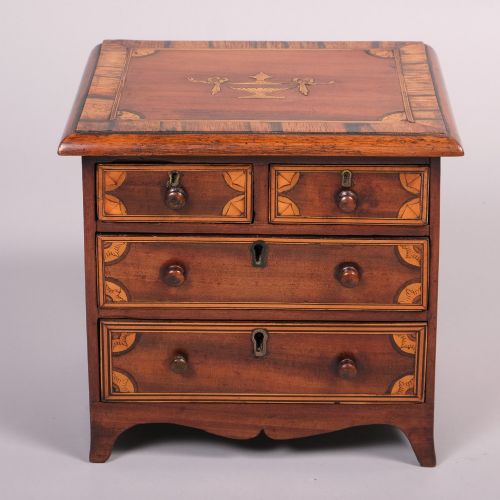
An 18th century miniature chest distils full-scale cabinet-making into portable proportions for display or safekeeping.
18th Century Miniature Chest
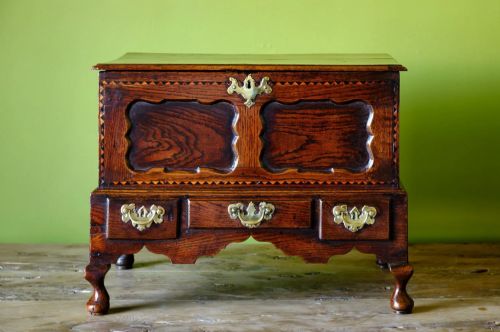
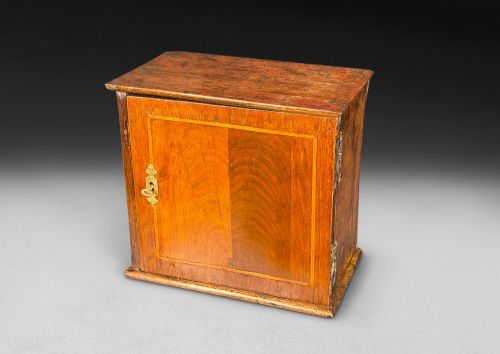
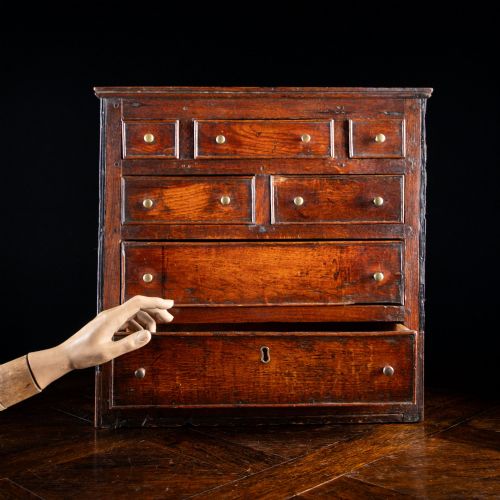
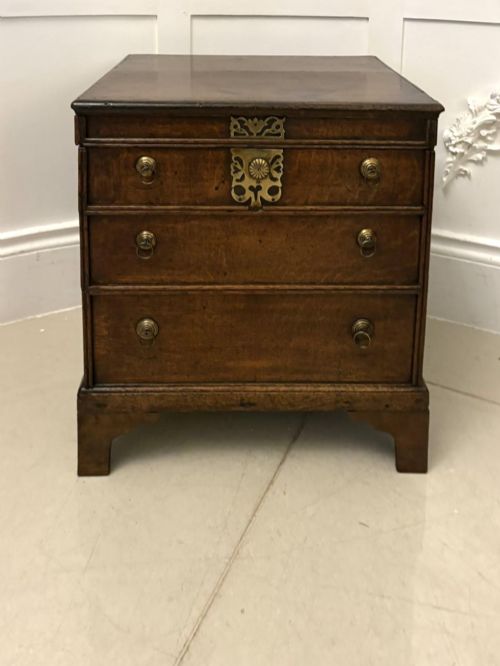
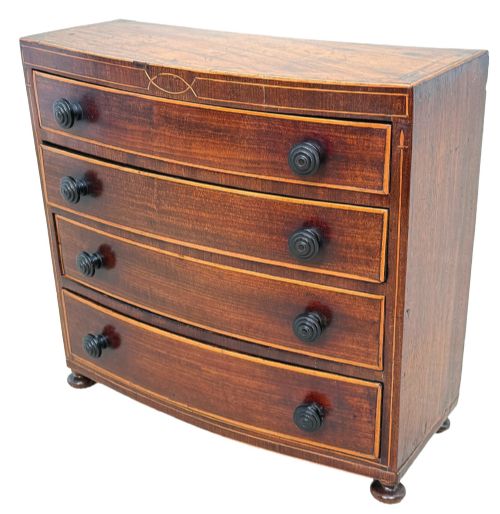
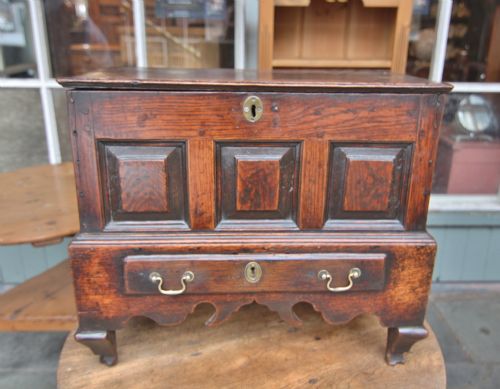
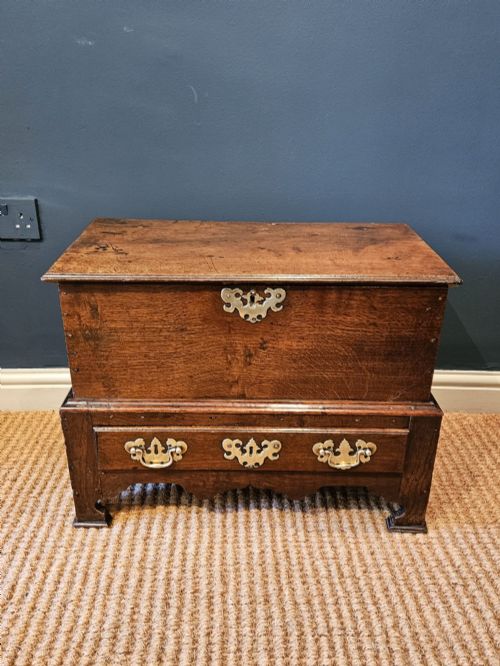
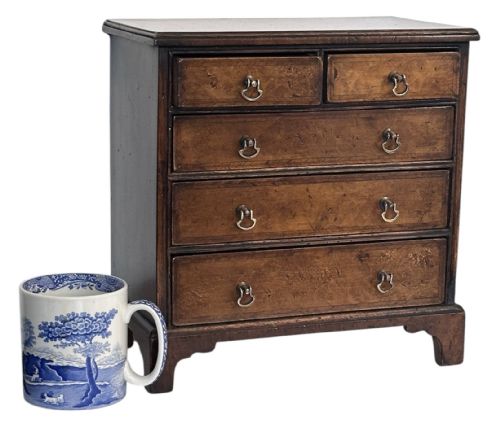
An 18th century miniature chest encompasses small-scale oak, walnut and mahogany furniture made during the Georgian period. Buyers hunting for an 18th century miniature chest frequently encounter the Welsh coffer bach, a small lidded coffer often raised on feet, alongside diminutive drawer chests and spice cabinets.
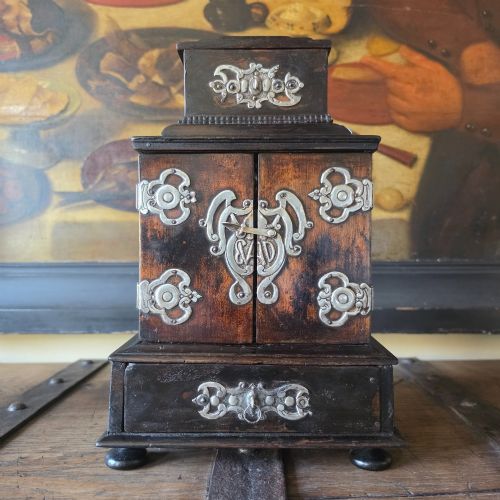
The regional vernacular pieces dominate the selection, particularly Welsh examples dating from the seventeen-fifties and seventeen-seventies. These small domestic pieces also appear as Dutch marquetry cabinets, court cupboards and table bureaus.
Makers constructed these scaled-down items for domestic storage of valuables, as journeyman showpieces or as salesmen's samples. Their diminutive physical footprint allows them to sit comfortably upon larger furniture surfaces or desks.
How they were made
Joiners and cabinet-makers built an 18th century miniature chest using dense domestic hardwoods like oak, walnut and mahogany, frequently enhanced by fruitwood or burr veneer surfaces. They shaped elm and yew wood for specific regional pieces, applying traditional mortise and tenon joinery or dovetails for structural stability.
Metalwork details relied on cast brass handles, escutcheons and hinges, while decorative surface treatments included fine wood inlay, penwork and decorated panels. Turned feet or bracket supports finished the base of these small items.
18th Century Miniature Chest Retail Price Guide 2026
Typical asking prices for 18th century miniature chest among the pieces listed under this phrase on Sellingantiques today, from the lower quarter to the upper quarter. They describe what is for sale here now, not the wider market.
Listings feature regional Welsh oak alongside walnut, mahogany, elm and yew wood furniture from the eighteenth century.
What varies in quality
The calibre of timber selection and the crispness of the dovetailing distinguish superior examples from standard workshop production. Grain matching across drawer fronts and the survival of original brass hardware elevate certain pieces above others.
Proportion and the handling of secondary timbers dictate the sophistication of regional furniture. Pieces exhibiting well-defined turned feet and intact interior partitions reflect higher workshop standards.
The 18th Century Miniature Chest Glossary
- Coffer bach
- A small Welsh box or chest featuring a hinged lid, often raised on short legs or feet. The term translates from Welsh as little coffer.
- Spice cabinet
- A small wall-hanging or desk-top cupboard fitted with multiple internal drawers for storing valuable condiments and herbs. These items often display shaped panel doors.
- Apprentice piece
- An item created by a skilled craftsman to demonstrate mastery of a trade before admission to a guild. These objects display the intricate construction methods of full-sized furniture.
- Marquetry
- The art of applying pieces of veneer to a structure to form decorative patterns. Dutch examples frequently employ floral motifs in this technique.
- Penwork
- A decorative surface technique utilising ink drawing directly onto wood before sealing. This method creates fine monochrome pictorial designs.
18th Century Miniature Chest: Frequently Asked Questions
What is a coffer bach?
A coffer bach is a traditional Welsh miniature chest featuring a hinged lid above a small storage well. Many examples include a single drawer beneath the main compartment.
Craftsmen built these small chests in local timbers like oak for domestic use or presentation. They sit low on bracket or turned feet.
Were these used as toys?
These small chests served functional roles in households rather than acting as children's playthings. Families stored jewellery, documents and costly spices inside them.
Some pieces functioned as journeyman demonstration items to prove cabinet-making skill. Their sturdy construction reflects serious furniture production.
How do I date oak pieces?
Dating relies on construction methods, timber choice and handle styles. Early pieces from the seventeen-hundreds display simpler joinery and heavy oak boards.
Later eighteenth-century items incorporate refined dovetailing and veneered surfaces like mahogany or walnut. Regional variations in Wales and England also help define periods.
Where should I place one?
The small proportions allow these chests to sit securely on top of tables, desks or larger chests of drawers. Their enclosed storage suits modern display and safekeeping of small items.
Keeping them away from direct heat sources protects the old timber and veneers from splitting. Stable room humidity preserves the original polish and patina.