


Georgian Yew Furniture
Georgian yew furniture brings rich grain and warm tone to domestic interiors through practical tables, chests, and seating.
Georgian Yew Furniture
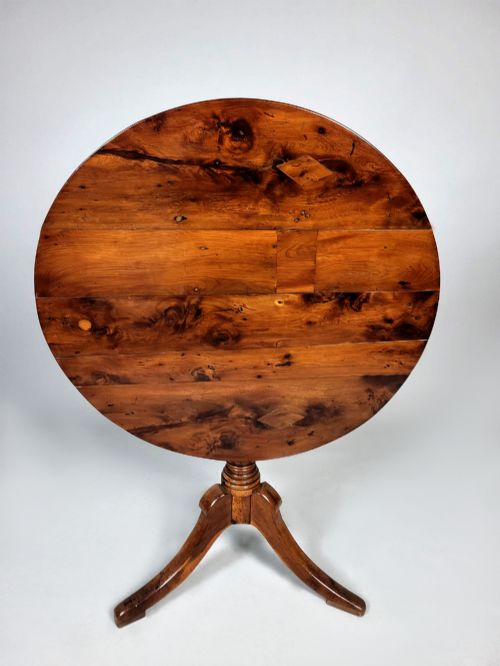
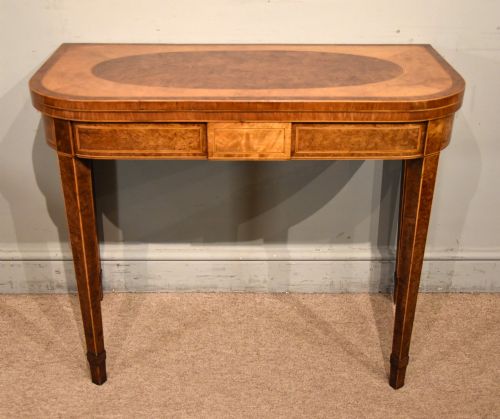
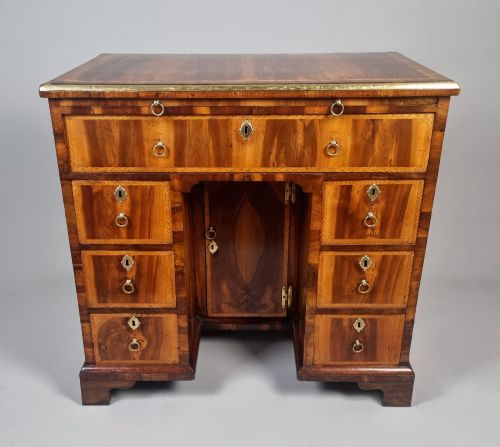
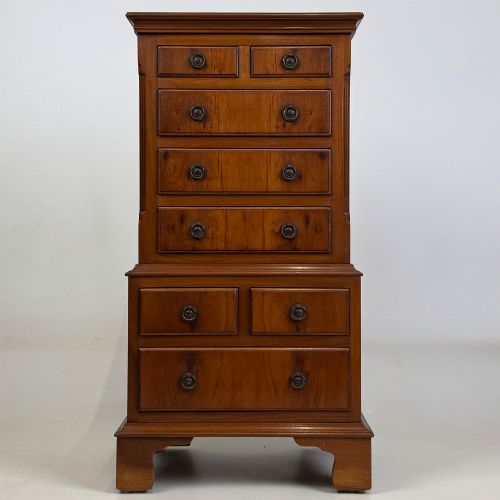
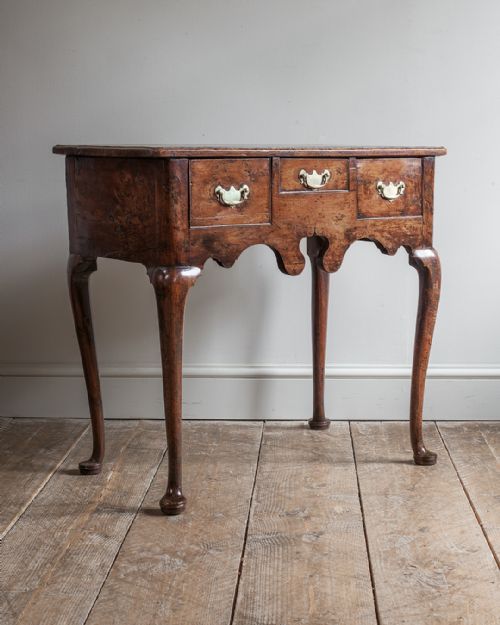
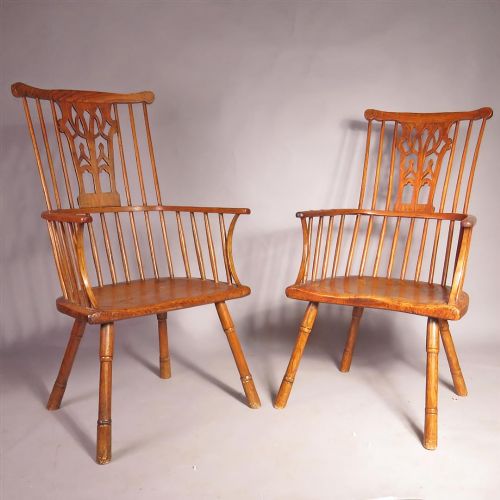
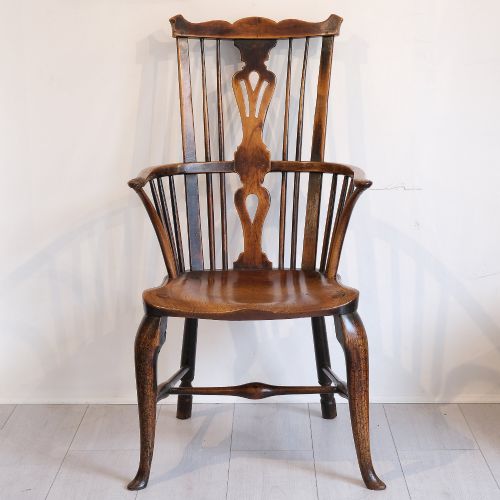
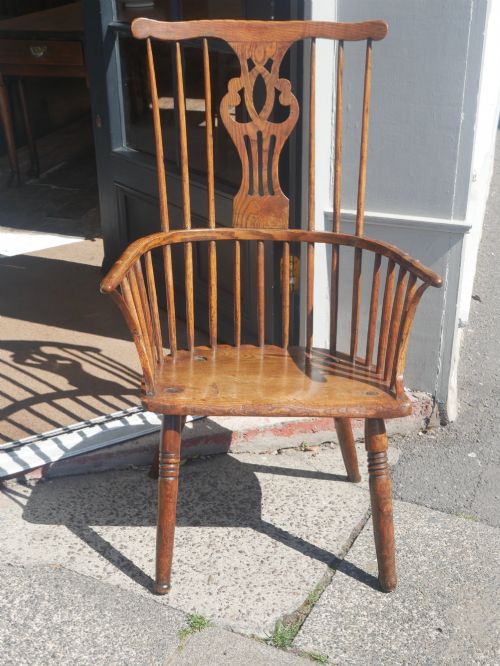
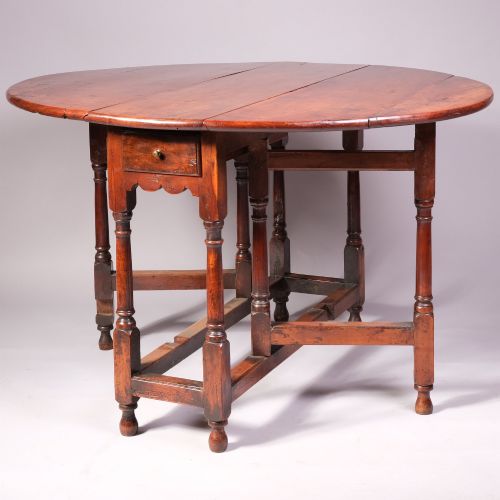
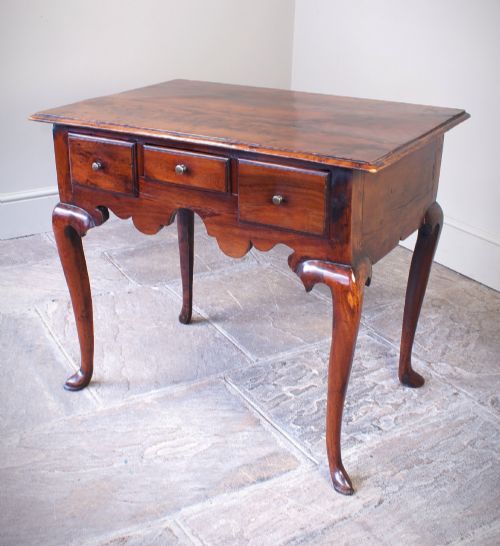
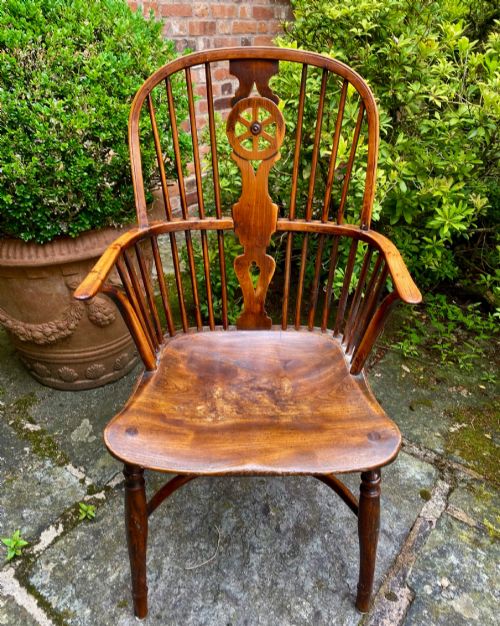
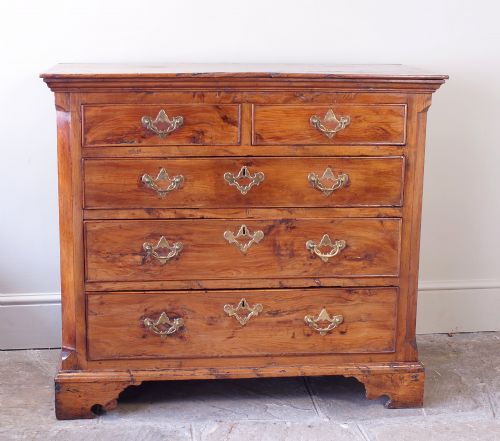
Georgian yew furniture encompasses a diverse selection of domestic objects produced during the eighteenth and nineteenth centuries, including occasional tables, desks, chests of drawers, and various seating forms. Buyers seeking georgian yew furniture encounter robust seating such as Windsor armchairs alongside refined items like dressing tables, bureaus, and card tables.
The selection ranges from country vernacular pieces to more formally styled objects aligned with George II, George III, and Regency periods. Regional traditions emerge strongly, with Thames Valley and Yorkshire workshops contributing distinct styles of Windsor chairs and cabinets.
Smaller decorative items such as miniature chests of drawers and wine tables appear alongside larger case furniture. The domestic character of these pieces reflects the versatility of yew timber in British cabinet making.
Materials and Technique
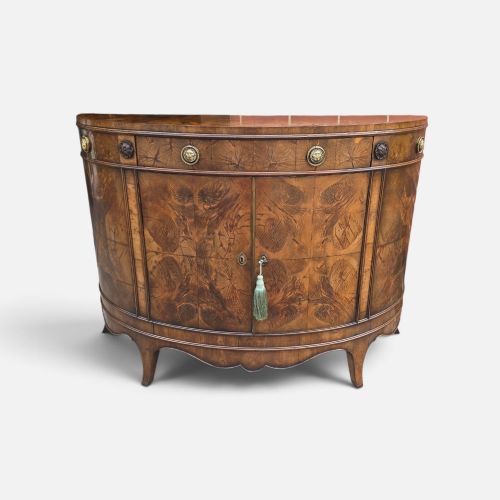
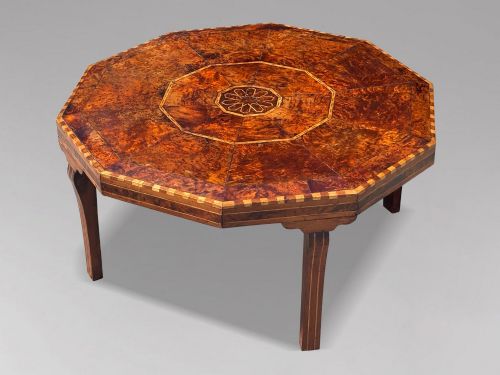
Makers utilised yew wood frequently combined with elm, ash, and beech, particularly in the construction of regional Windsor chairs where different timbers served structural purposes in seats, spindles, and legs. Cabinet makers selected burr yew and figured yew veneers for decorative surfaces on commodes, bureaus, and card tables.
Solid construction methods governed case pieces and tables, occasionally incorporating brass handles, key escutcheons, and hinges as functional and decorative details. Joinery techniques balanced the stubborn nature of yew timber with the need for stable domestic furniture.
Miniature apprentice pieces allowed young woodworkers to demonstrate cabinet making mastery at a diminutive scale.
Gradations in Quality
Quality in georgian yew furniture rests upon the selection of timber figures, particularly the dramatic patterns found in burr yew veneers on cabinet fronts and table tops. The subtlety of feathered banding, original brass hardware, and the integrity of structural joins distinguish superior pieces from standard workshop output.
Seating quality depends on the retention of original components, harmonious timber matching across spindles and arms, and the crispness of turned details. Refined proportions and the survival of untouched patination elevate items beyond utilitarian workshop standards.
Allsop Worksop
The Georgian Yew Furniture Glossary
- Windsor chair
- A wooden chair constructed with a solid sculpted seat into which the legs and back sticks are directly inserted. This form developed distinct regional variations across Britain during the eighteenth and nineteenth centuries.
- Burr yew
- A growth deformity on a yew tree that yields timber with intricate, swirling grain patterns. Cabinet makers prized this material for decorative veneers on prominent surfaces.
- Lowboy
- A small side table with drawers, typically standing on four legs. These tables served various domestic functions including dressing and serving.
- Featherbanding
- An inlay technique using small pieces of veneer arranged in a herringbone pattern around the edges of drawer fronts or tabletops. It provides a decorative border to figured timber panels.
- Bureaux
- A writing cabinet featuring a sloping fall-front that opens to reveal internal pigeonholes and small drawers. They frequently stand upon bracket feet or support frames.
Georgian Yew Furniture: Frequently Asked Questions
How do I identify burr yew?
Burr yew displays dense, swirling grain patterns created by irregular tree growths rather than standard timber rings. Cabinet makers sliced this wood thinly to veneer the principal surfaces of high-status tables, commodes, and chests.
The resulting visual texture provides a distinct contrast to the straight grain found on structural framing elements.
Where were these pieces made?
British cabinet makers and rural joiners produced this furniture across various regions, utilising locally sourced woods. Regional workshops developed specific traits in chair construction and surface decoration.
Urban centres produced refined veneered case pieces, while country shops supplied robust seating and vernacular tables.
How do I care for yew furniture?
Yew furniture benefits from stable indoor humidity and protection from direct sunlight to preserve the natural colour and prevent timber movement. Regular dusting with a soft cloth maintains the polished surface.
Application of appropriate wax feeds the wood without building up heavy residues that obscure the grain.