



18th Century Mantel Clock
An 18th century mantel clock brings mechanical precision and period elegance into a room through traditional craftsmanship and classical design.
18th Century Mantel Clock
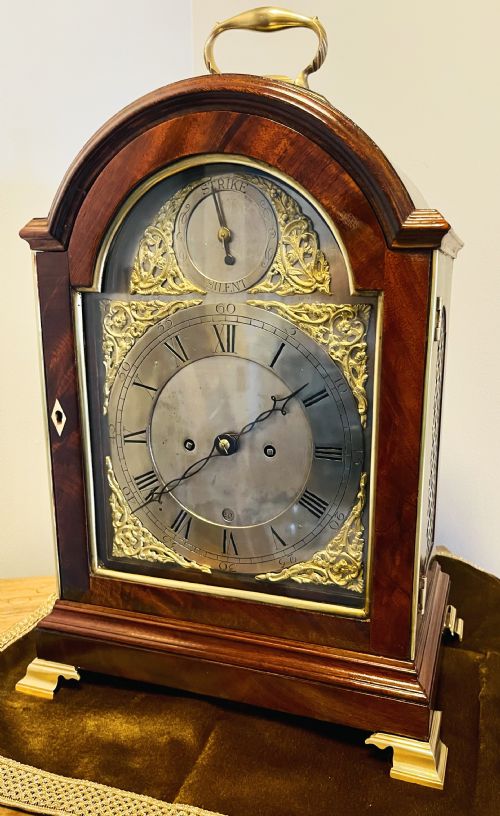
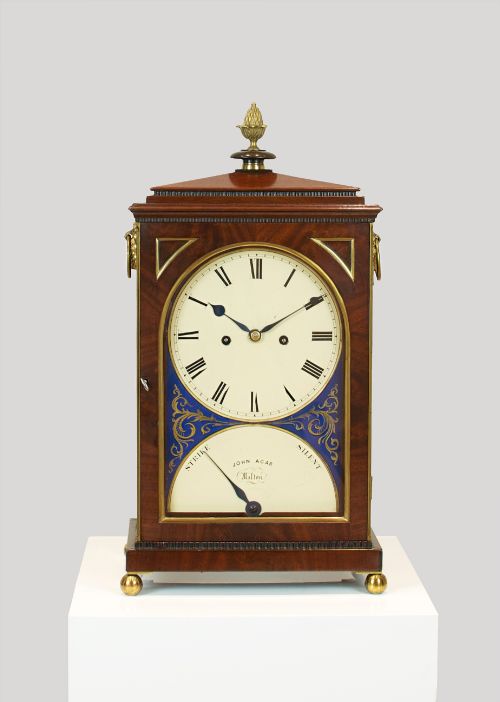
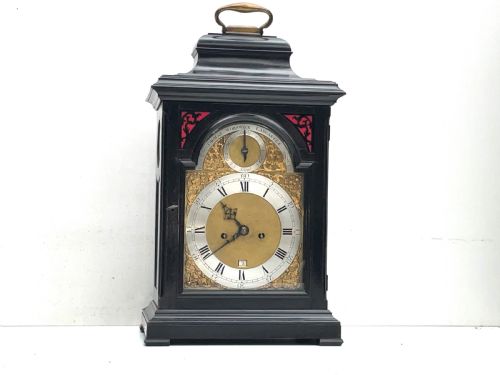
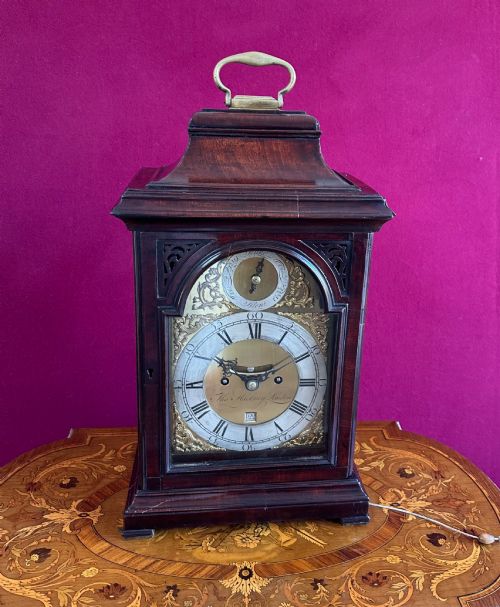
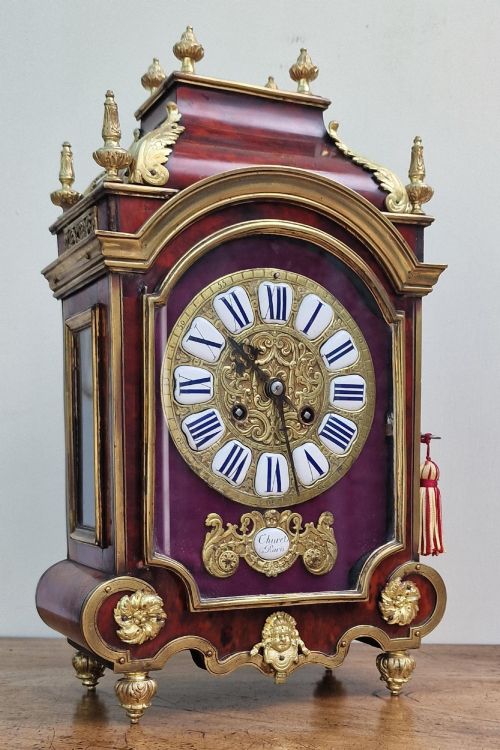
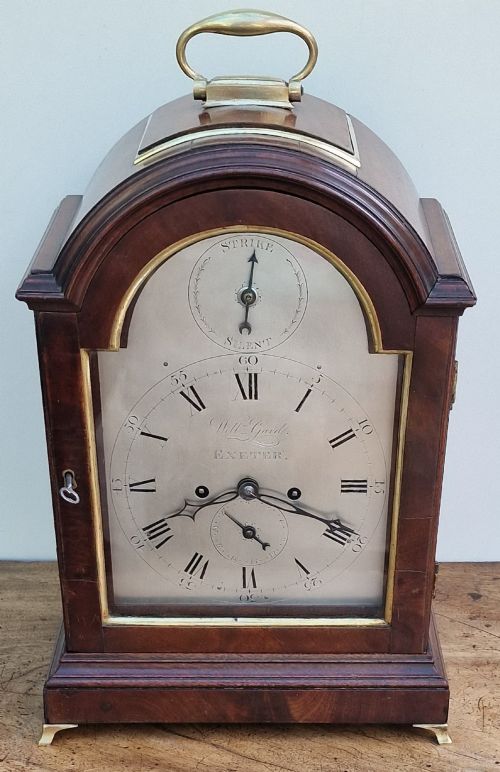
When you search for an 18th century mantel clock, you encounter both English bracket clocks and French decorative timepieces. English examples often utilise ebonised or mahogany bell-top cases with brass mounts, while French works lean towards ormolu, white marble, and tortoiseshell. Most items appearing on this page date from the Georgian era through to the late eighteenth century. These domestic timekeepers served both practical timekeeping duties and decorative roles within period interiors.
The regional variations reflect distinct horological traditions. London makers produced robust table and bracket clocks with verge or fusee movements, whereas continental workshops favoured ornate architectural and figural cases. Buyers select these pieces for their historical mechanisms and traditional cabinet-making. Each clock records the prevailing aesthetic of its period, bridging utilitarian engineering with fine decorative art.
How They Were Made
Horologists constructed these movements using brass and steel, housing them within timber or cast bronze enclosures. Mahogany and ebonised wood formed the primary carcasses for English bracket clocks, often complemented by silvered dials and brass carrying handles.
French workshops applied ormolu, gilt bronze, and tortoiseshell to marble and timber structures. Enamel dials and cast decorative mounts completed the exterior, while internal gear trains utilised fusee or verge escapements to regulate time.
18th Century Mantel Clock Retail Price Guide 2026
Typical asking prices for 18th century mantel clock among the pieces listed under this phrase on Sellingantiques today, from the lower quarter to the upper quarter. They describe what is for sale here now, not the wider market.
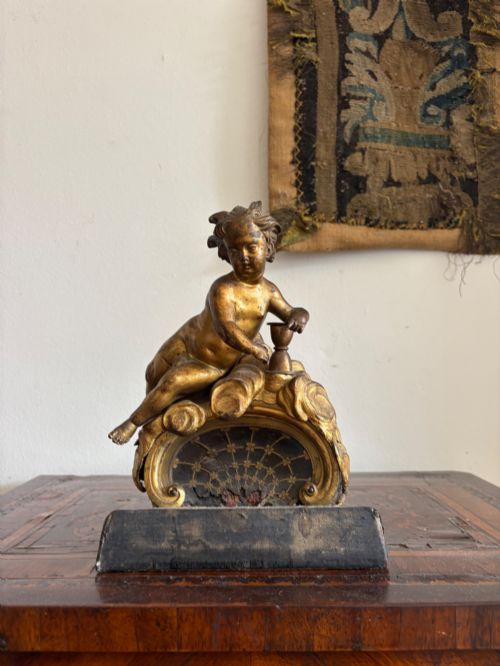
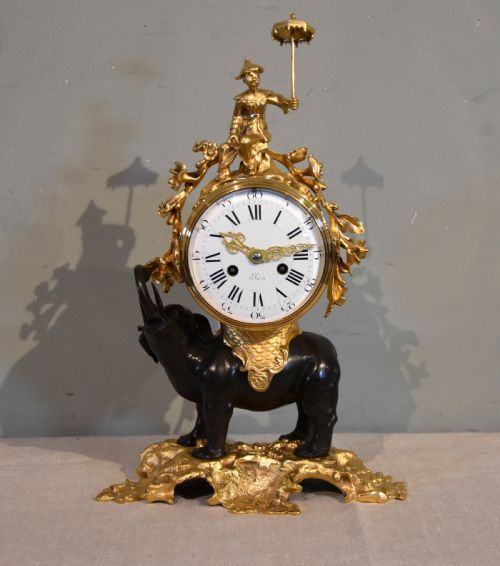
Elephant forms and putto finials occasionally oversee the passing hours.
What Varies in Quality
The sophistication of the movement and the crispness of the case decoration dictate the standing of an individual clock. Master horologists signed their dials and backplates, creating high-tier examples that combined complex striking trains with superior metalwork.
Cabinet work ranged from simple veneered pine to meticulously shaped mahogany and tortoiseshell with intricate brass inlays. The integration of quality materials with refined engraving on the dial separates standard production from exceptional survival.
Thuret Paris·William Gard·Barwise London·Francis Perigal·Louis Goret·Windmills And Bennet·John Waller·John Seddon·Andrew Marchant·William Withers·John Taylor·Chater And Son·Robert Higgs·John Leroux·John Fletcher·Watson London·Benjamin Maud·John Ellicott·Richard Peckover·Armingaud Laine·Lepine·Vandercruse
The 18th Century Mantel Clock Glossary
- Bracket clock
- A portable table clock designed to sit on a bracket or furniture surface. These spring-driven pieces typically feature wooden cases with brass carrying handles.
- Verge escapement
- An early type of clock mechanism controlling the release of the gear train. It works with a balance spring or pendulum to regulate time.
- Ormolu
- Gilt bronze created by applying a mercury and gold amalgam to cast bronze. This technique produced a rich golden finish popular on French decorative mounts.
- Fusee
- A conical pulley used in spring-driven clocks to maintain even power as the mainspring unwinds. This device improves the timekeeping accuracy of the movement.
- Silvered dial
- A brass clock face treated with a silver solution to create a matte white finish. Makers then engraved numerals and signatures into the surface.
18th Century Mantel Clock: Frequently Asked Questions
How do I wind an 18th century mantel clock?
Use the appropriate key to turn the winding squares on the dial clockwise until resistance is met. Take care not to over-wind the mainspring.
Consult the specific instructions for fusee or spring-driven movements to ensure proper handling of the internal mechanics.
Where should I place a bracket clock?
Position the clock on a stable mantelpiece, sideboard, or dedicated wall bracket away from direct sunlight and drafts. Level surfaces prevent the pendulum or verge mechanism from binding.
Ensure the wall or furniture support can safely bear the combined weight of the timber case and brass movement.
How do English and French clocks differ?
English makers prioritised architectural wooden cases in mahogany or ebonised wood with brass carrying handles. French workshops focused on ormolu, white marble, and elaborate figural or portico designs.
Internal mechanisms also varied, with English horologists favouring fusee movements and continental makers developing alternative striking trains.
What is a quarter repeating movement?
A quarter repeating mechanism sounds the hours and quarters on bells or gongs when a pull cord is activated. This allowed owners to check the time in darkness.
London makers frequently integrated this complication into high-grade bracket clocks during the Georgian period.