

18th Century Mahogany Carvers
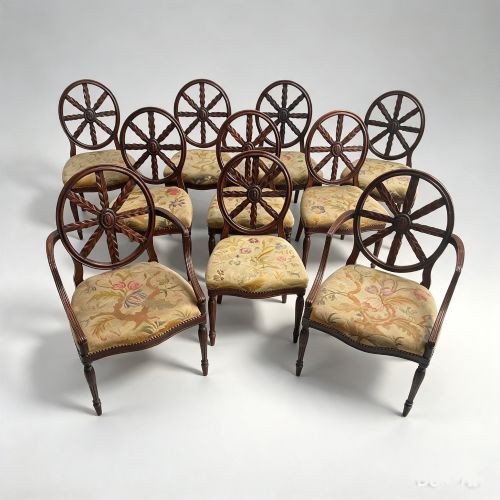
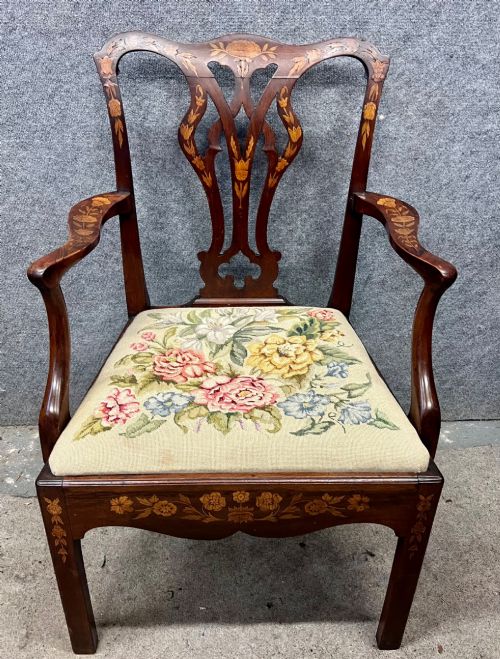
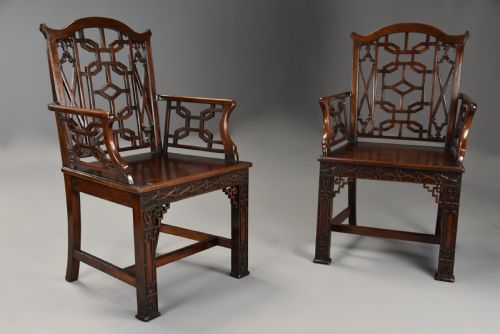
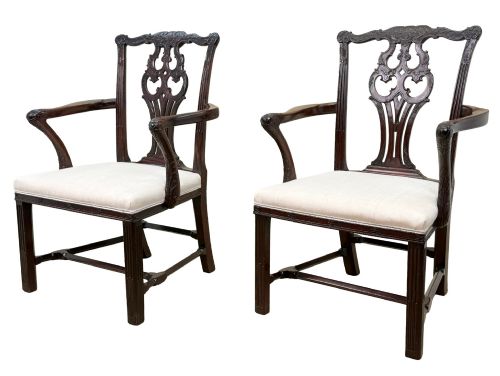
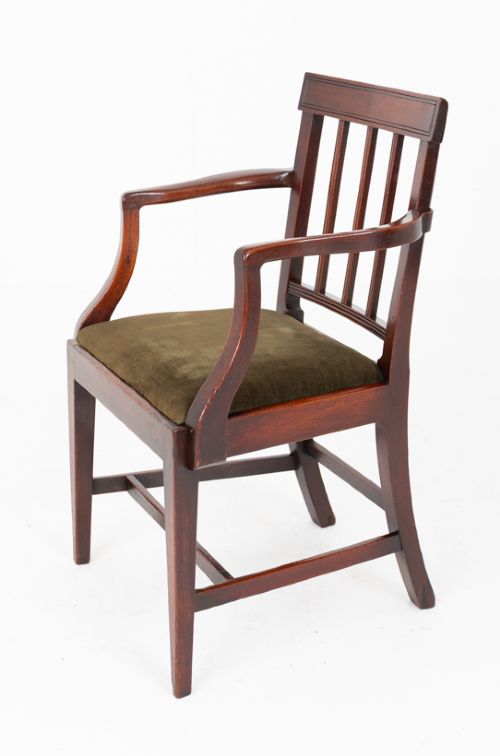
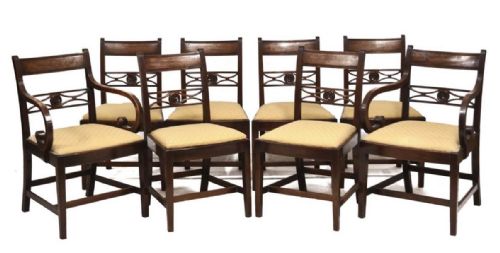
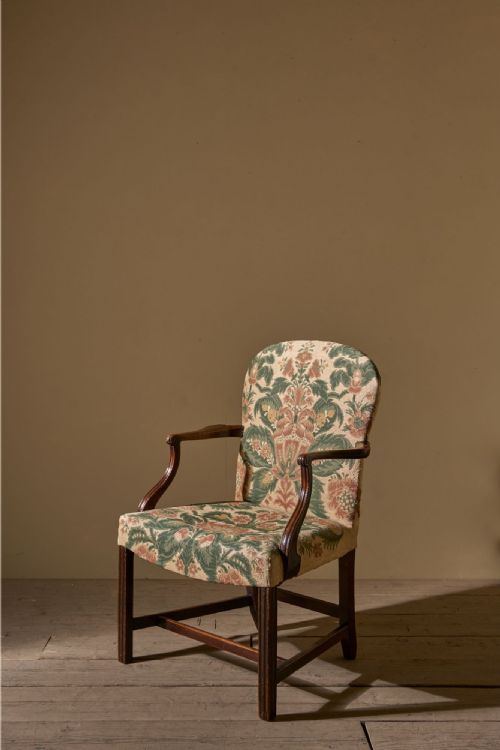
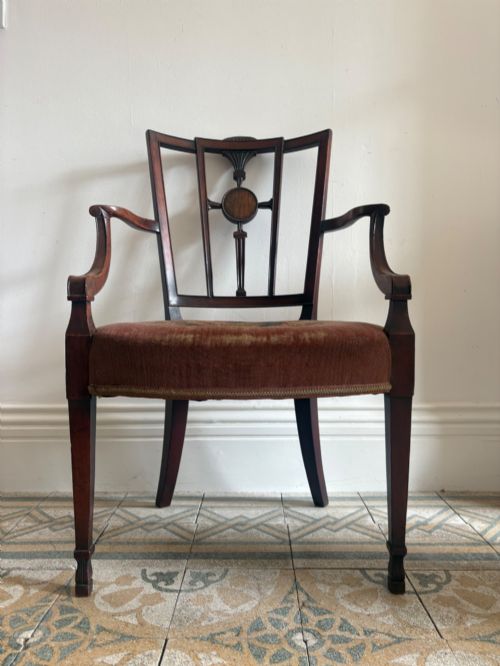
These 18th century mahogany carvers are substantial seating pieces designed for the heads of dining tables, combining robust timber with refined joinery.
18th Century Mahogany Carvers
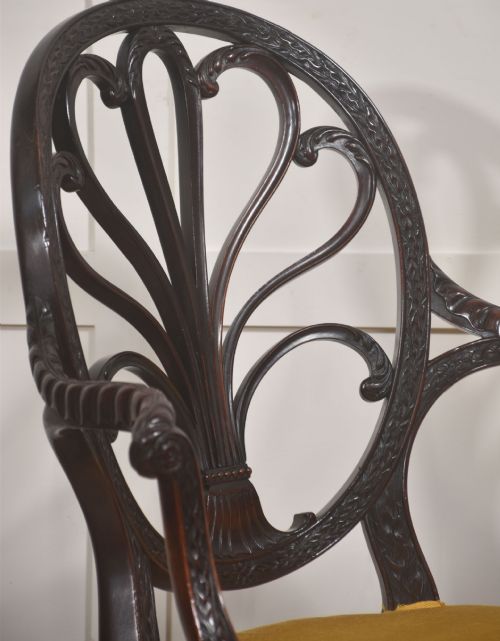
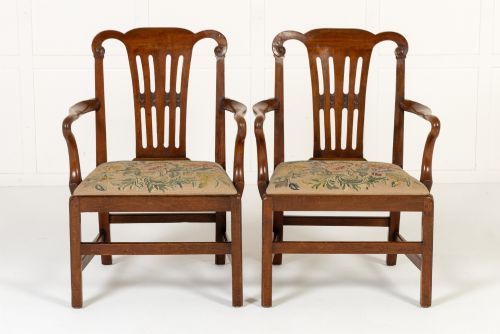
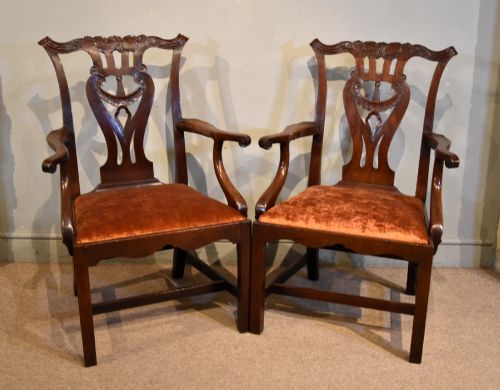
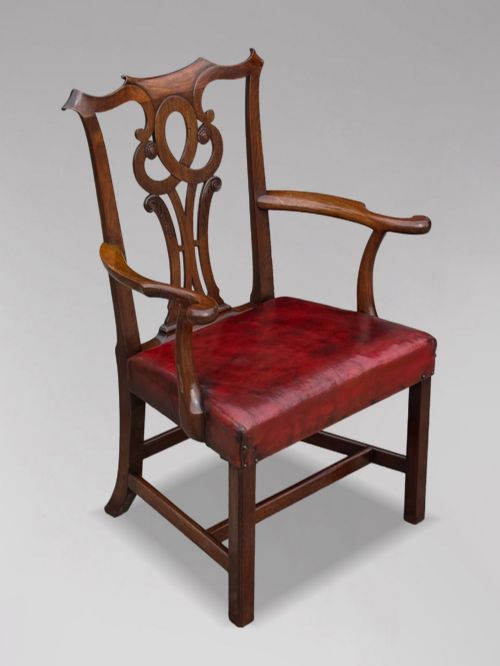
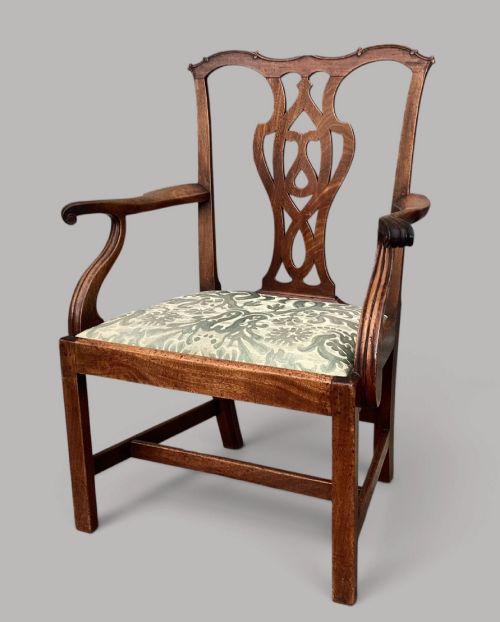
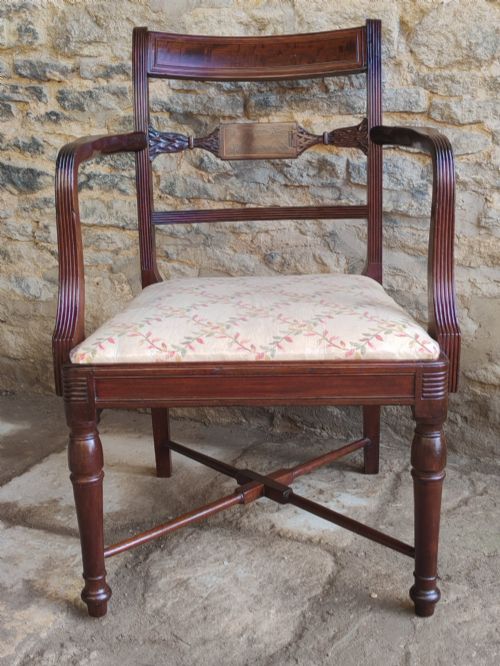
When you search for 18th century mahogany carvers, you encounter open armchairs, elbow chairs, and master chairs originally built to stand at the ends of dining tables. These seating pieces date primarily from the Georgian era, spanning periods associated with George II, George III, Chippendale, and Hepplewhite designs.
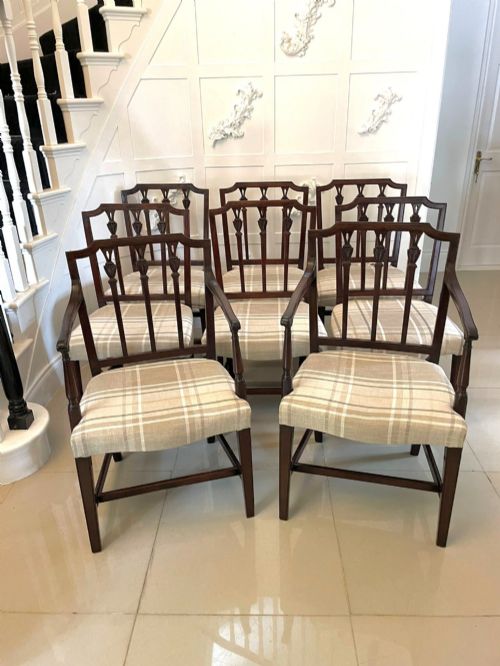
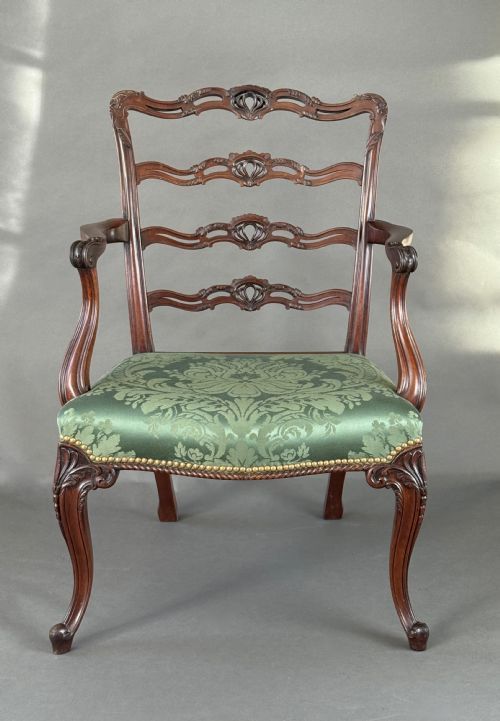
You are most likely to meet single armchairs or matched pairs on this page, alongside larger dining sets that incorporate a pair of carvers alongside single chairs. The forms range from plain ladder-back frames to elaborate ribbon-back or pierced splat designs reflecting regional English and Scottish cabinet-making traditions.
How They Were Made
Cabinet-makers built these carvers using dense, durable mahogany imported from the West Indies or Honduras, often selected for its rich grain and deep natural colour. They shaped structural elements like arm supports and cabriole legs from solid timber, securing joints with mortise and tenon techniques.
Upholstered drop-in seats and fixed pads utilised stuffing covered in fabric, leather, velvet, or tapestry, fastened with brass tacks. Detail work relied on hand carving for motifs such as claw and ball feet, acanthus leaves, and fluted rails.
18th Century Mahogany Carvers Retail Price Guide 2026
Typical asking prices for 18th century mahogany carvers among the pieces listed under this phrase on Sellingantiques today, from the lower quarter to the upper quarter. They describe what is for sale here now, not the wider market.
Master armchairs were built with extra width so gentlemen could sit comfortably while wearing coats lined with heavy tails.
What Varies in Quality
The standard of a carver rests upon the crispness of its hand carving and the integrity of its timber frame. Superior examples display deeply undercut ornamentation, clean junctions at the arms and seat rails, and original timber surfaces untouched by aggressive stripping.
Chairs showing heavier repairs, replaced arm supports, or structurally compromised joints sit lower in the range. The distinction also lies in proportions, where master carvers offer generous widths and well-raked backrests for practical use.
Gillows
The 18th Century Mahogany Carvers Glossary
- Carver
- An armchair designed with open sides to accommodate the wider clothing fashions of the period, traditionally placed at the head of a dining table.
- Splater
- The vertical central piece of wood running from the seat up to the top rail of a chair back, frequently shaped and pierced in Chippendale designs.
- Cabriole leg
- A furniture leg that curves out at the knee and tapers inward to an ankle, finishing in a foot such as a claw and ball.
- Drop-in seat
- A removable wooden frame padded and upholstered separately before being dropped into a recess in the chair seat rails.
- Ladder-back
- A chair back featuring a series of horizontal arched slats resembling the rungs of a ladder, common in country dining sets.
18th Century Mahogany Carvers: Frequently Asked Questions
What is a carver chair?
A carver chair is an armchair specifically built to match a set of dining chairs, typically featuring open arms that fit beneath a table edge. They served the host and hostess at either end of the dining arrangement.
These chairs combine sturdy construction with decorative back designs, making them distinct from standard single dining chairs while sharing identical stylistic elements.
How do I spot a Chippendale chair?
Chippendale chairs are identified by their characteristic interlaced and pierced splats, carved top rails, and sturdy cabriole or straight legs. They reflect the aesthetic popularised by Thomas Chippendale during the mid-Georgian period.
Look for fine detailing such as acanthus leaf carving on the knees and claw and ball feet, which distinguish these pieces from plainer vernacular alternatives.
Can I use these at a modern dining table?
Yes, many people place antique carvers at modern dining tables to create a striking contrast between old and new. Their generous proportions and sturdy frames remain fully functional for daily seating.
Check the arm height against your table clearance to ensure the chair slides underneath comfortably when pushed in.
How do I care for mahogany furniture?
Maintain mahogany furniture by keeping it away from direct sunlight and strong heat sources that can dry out the timber and cause splitting. Regular dusting with a soft, dry cloth preserves the polished surface.
Apply a microcrystalline wax sparingly once or twice a year to nourish the wood and protect the antique finish without building up heavy residue.