



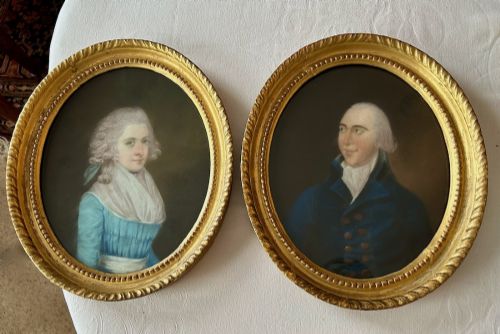
18th Century Giltwood
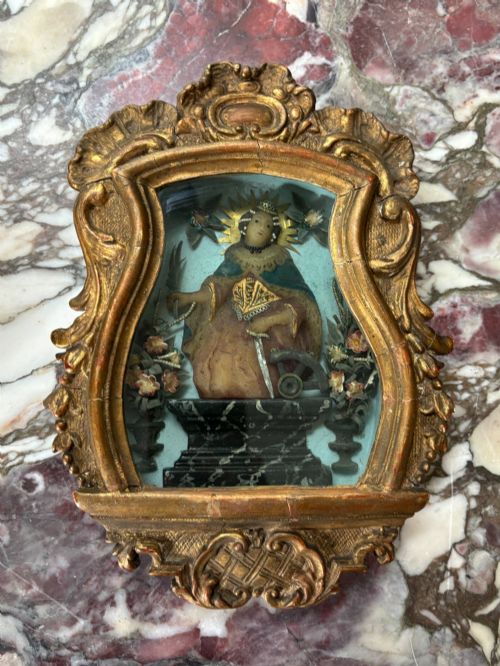
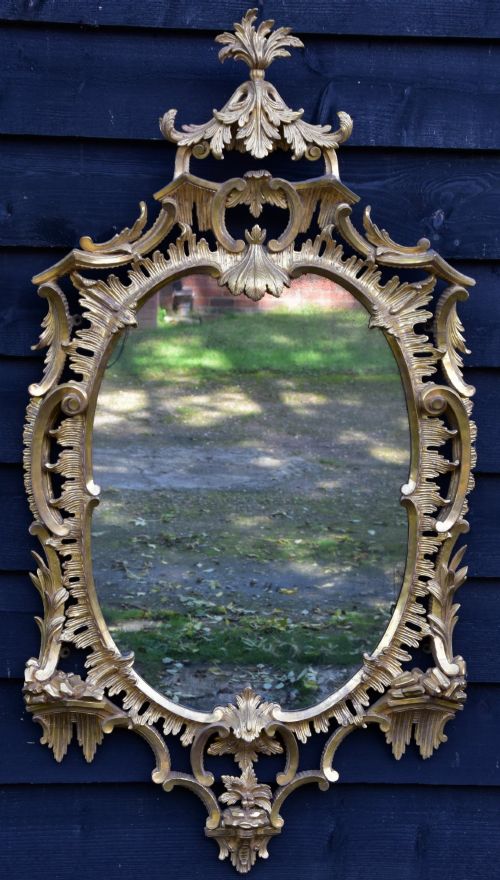
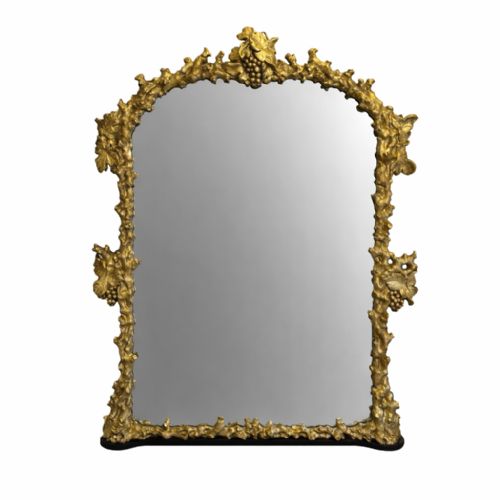
18th century giltwood brings warmth and reflective depth to a room through carved surfaces finished in thin metal leaf.
18th Century Giltwood
When searching for 18th century giltwood, buyers encounter ornate furnishings designed for formal interiors, dominated by wall mirrors, console tables, and seating.
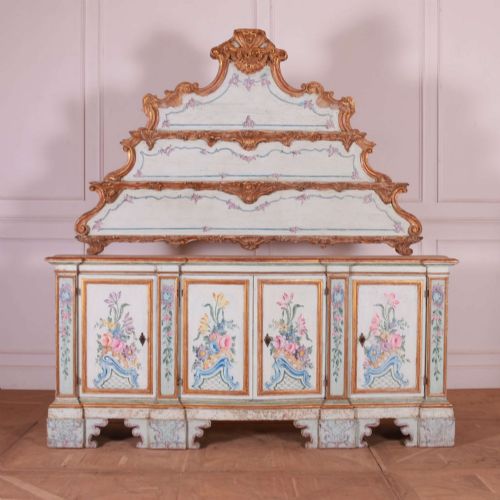
The objects span English, French, and Italian origins, displaying regional variations from restrained Georgian proportions to expressive Venetian Rococo curves.
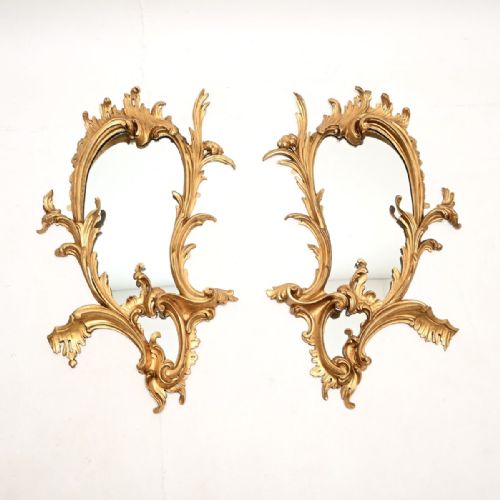
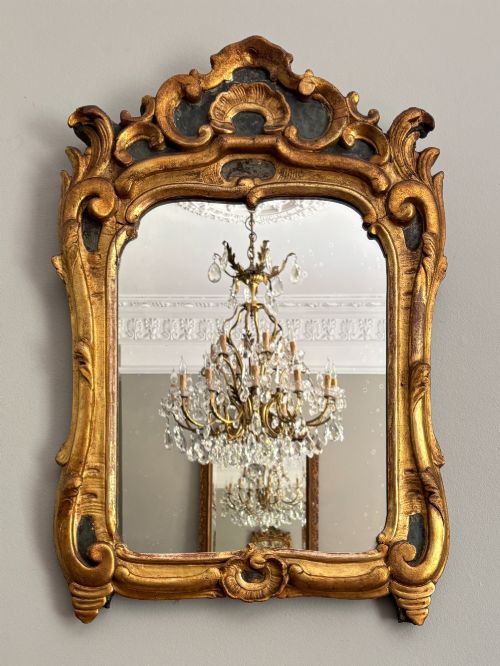
Most items on this page function as architectural focal points, combining carved wooden foundations with metallic surfaces that catch ambient light.
Materials and Construction
Artisans carved the foundational structures from timber such as pine or hardwood, then applied layers of gesso to create smooth surfaces for detailing.
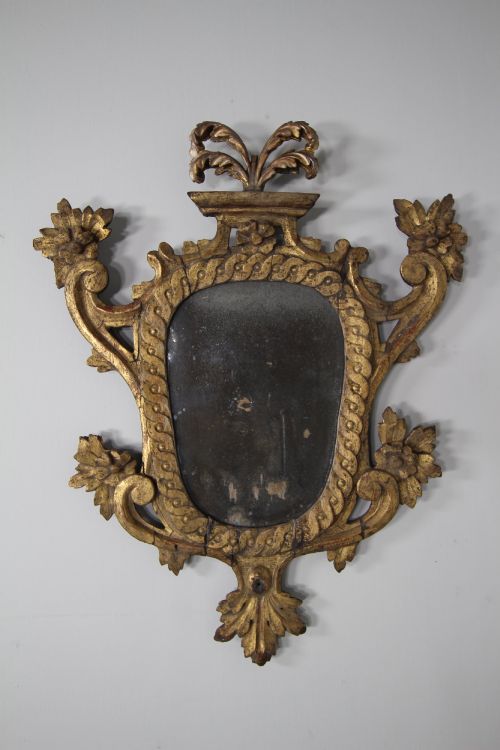
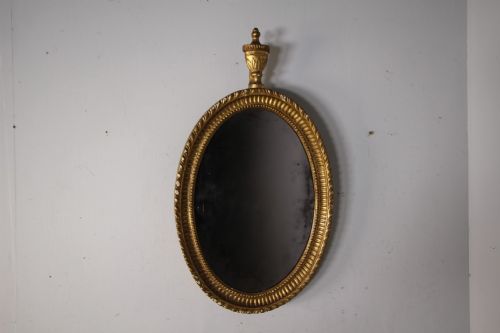
Gold leaf was laid over a preparatory bole and burnished by hand to achieve a luminous finish, while mirrors frequently retained original mercury glass plates.
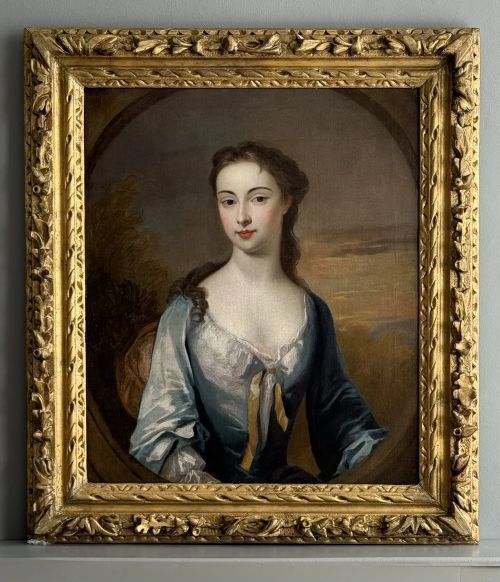
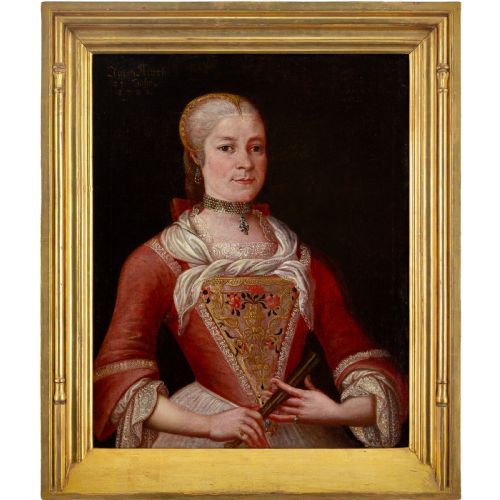
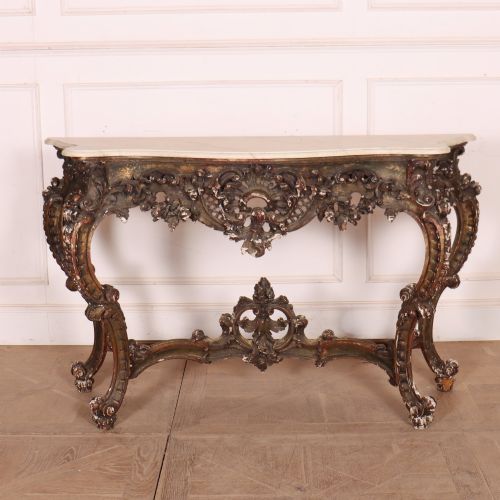
Listings feature wall mirrors, console tables, and oil paintings originating from Georgian, Regency, and Victorian periods.
Markers of Quality
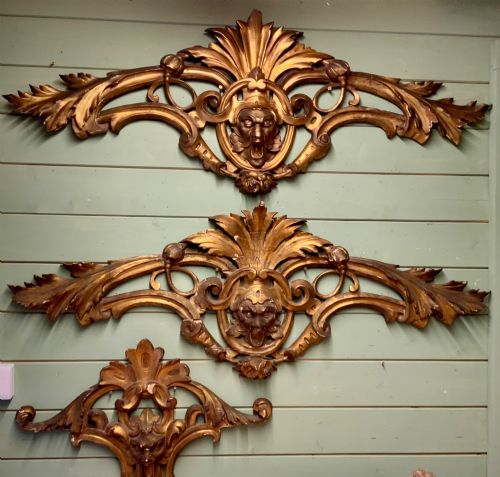
Depth and precision of the hand carving distinguish superior examples, where ornaments like acanthus leaves and masks retain crisp edges rather than softened contours.
The integrity of the original preparation layers and the preservation of the metal leaf surface determine the visual harmony of the piece over time.
Benjamin Barker of Bath·Jean Baptiste Van Loo·Francis Hayman·Giles Grendey
The 18th Century Giltwood Glossary
- Giltwood
- Wood covered with thin gold leaf or metal powder. This finish characterises frames and furniture designed for grand domestic spaces.
- Gesso
- A plaster mixture applied to wood as a base for gilding. It provides a smooth surface that holds intricate relief ornamentation.
- Mercury glass
- Silvered glass made by applying a tin and mercury amalgam behind the plate. It produces a characteristic dark, mottled reflection.
- Console table
- A wall-mounted table supported by brackets or legs. These items often feature marble tops and elaborate carved aprons.
- Girandole
- A branched wall sconce holding candles, usually paired with a reflective mirror backplate. The design multiplies candlelight within a room.
18th Century Giltwood: Frequently Asked Questions
How do I identify original mercury glass?
Original mercury glass displays a mottled, uneven reflection with dark patches known as foxing behind the plate. This appearance results from the historical silvering process using metal amalgams.
Modern replacements lack these characteristic imperfections and provide a clear, uniform reflection. Examining the edges of the glass often reveals the thickness and bevelling typical of the period.
Where were console tables placed?
Console tables stood against drawing room walls, often positioned beneath large overmantel mirrors. Their flat marble or wooden tops held decorative objects like candelabra.
Because they were secured to the wall for stability, these tables served a primarily decorative role in formal reception rooms.
How do I care for antique giltwood?
Giltwood requires protection from direct sunlight and excessive moisture to prevent the gesso and gold leaf from lifting. Dusting should occur gently with a soft, dry brush.
Avoid liquid cleaners and chemical polishes, which can strip the delicate metallic surface and expose the underlying bole.