
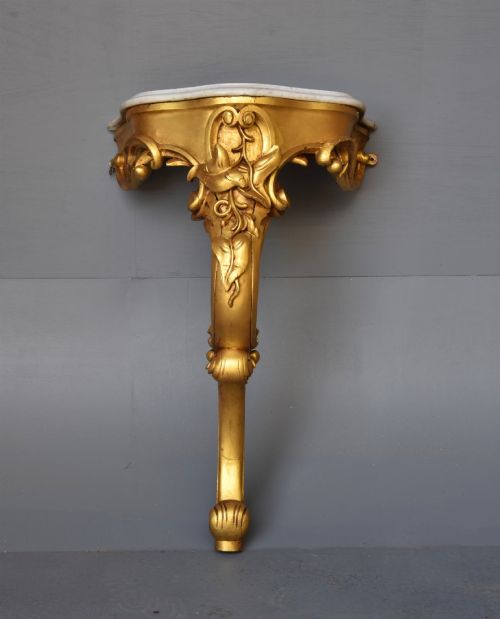
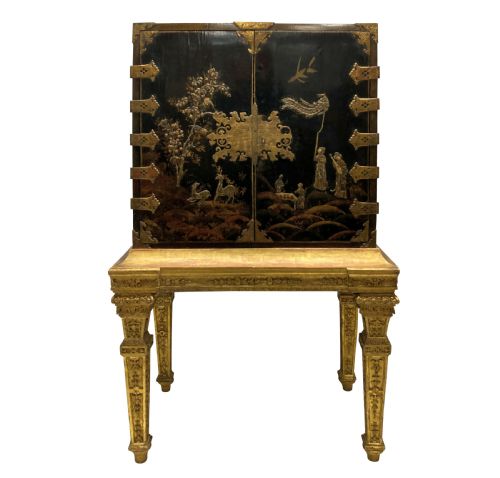



Carved Giltwood Mount
These carved giltwood mount pieces bring intricate historic ornament and shimmering surface detail directly to interiors.
Carved Giltwood Mount
A carved giltwood mount represents decorative wooden ornamentation shaped and covered in gold leaf, frequently applied to larger furnishings or displayed independently as architectural elements. These pieces emerge across the seventeenth, eighteenth, and nineteenth centuries, spanning distinct stylistic revivals from Rococo to Regency.
Buyers encountering this category frequently find architectural fragments, furniture adornments, or associated giltwood items such as console tables and mirrors. The selection combines structural woodwork with ornate surface gilding originating from English, French, and Italian workshops.
Pieces range from domestic console tables and wall consoles to smaller cherub heads and scroll mounts. Each item demonstrates the application of traditional carving methods designed to enhance interior spaces with metallic brilliance.
Materials and construction
Craftsmen shaped these items from timber substrates, frequently employing gesso as a smooth preparatory layer to receive subsequent layers of gold leaf. Giltwood surfaces required meticulous application of metallic leaf over prepared grounds, sometimes paired with ebonised wood, paint, or marble elements.
Carving techniques dictated the crispness of foliage, scrolls, and figurative motifs such as cherub heads or eagle mounts. Structural joinery and surface preparation varied according to whether the item served as a freestanding console table, a wall mirror, or an architectural fragment.
The inventory records pieces attributed to Rococo Revival, Regency, William and Mary, and South East Asian stylistic traditions.
Evaluating craftsmanship
Quality in a carved giltwood mount rests upon the depth, clarity, and precision of the underlying woodcarving. Finer examples display undercut relief work and sharp definition in scrollwork or figurative elements, whereas simpler pieces rely on heavier gesso buildup rather than precise chisel work.
The integrity and preservation of the original gold leaf surface significantly influence the character of the piece. Subtle burnishing techniques and the harmonious integration of repairs or secondary paint layers distinguish master carvers from commercial workshops.
The Carved Giltwood Mount Glossary
- Giltwood
- Wood that has been coated with thin sheets of gold leaf over a prepared gesso base. This finish provides a warm metallic lustre characteristic of formal historic interiors.
- Gesso
- A plaster mixture applied to wood surfaces as a smooth base for gilding or painting. It allows carvers to achieve crisp details before applying gold leaf.
- Console table
- A table supported by wall brackets or console legs, frequently featuring a marble top and carved giltwood framing. These pieces decorate hallways and principal reception rooms.
- Architectural fragment
- A surviving portion of a larger building component or decorative scheme removed from its original context. These elements are preserved for their sculptural and historic merit.
- Rococo revival
- A nineteenth century design movement reviving the asymmetrical scrolls, C-curves, and naturalistic motifs of the mid eighteenth century. It heavily influenced decorative giltwood production.
Carved Giltwood Mount: Frequently Asked Questions
Where were carved giltwood mount pieces placed?
These decorative elements typically adorned formal reception rooms, principal corridors, and salons within historic townhouses and country estates. They embellished furniture assemblies, door surrounds, and architectural paneling to project status and refinement.
Today, collectors position console tables and wall mounts in hallways or living spaces to introduce historic texture and reflective warmth. Their versatile scale allows them to function as focal points or complementary accents against neutral walls.
How do I care for giltwood surfaces?
Giltwood requires gentle maintenance to protect the delicate metallic leaf and underlying gesso layers from abrasion and moisture. Dusting should be performed softly with a dry, non-abrasive cloth without applying chemical polishes.
Keep pieces away from direct sunlight and fluctuating humidity levels to prevent the wood substrate from warping and the gesso from cracking. Proper environmental control preserves the original gilded finish for years to come.
How do I distinguish eighteenth and nineteenth century pieces?
Eighteenth century items typically display hand-carved details integrated directly into the wooden structure with organic tool marks. The gilding often shows natural wear patterns and possesses a warmer, softer metallic hue.
Nineteenth century revival pieces frequently incorporate heavier gesso moulding and may reflect stylistic syntheses such as French Rococo or Regency forms. Examining the joinery, backboards, and preparation layers helps determine the exact period of manufacture.
What distinguishes console tables from wall mirrors?
Console tables function as floor standing or wall bracketed furniture pieces, frequently topped with marble and designed to hold decorative objects. Wall mirrors integrate reflective glass within ornate carved frames, serving both practical and decorative functions above fireplaces or consoles.
Both categories frequently share identical stylistic motifs, including eagle mounts, scrollwork, and giltwood finishes characteristic of Georgian and Regency interiors.