



Carved Timber Motif
A carved timber motif brings tactile depth and historic character to a room through centuries of skilled woodworking.
Carved Timber Motif
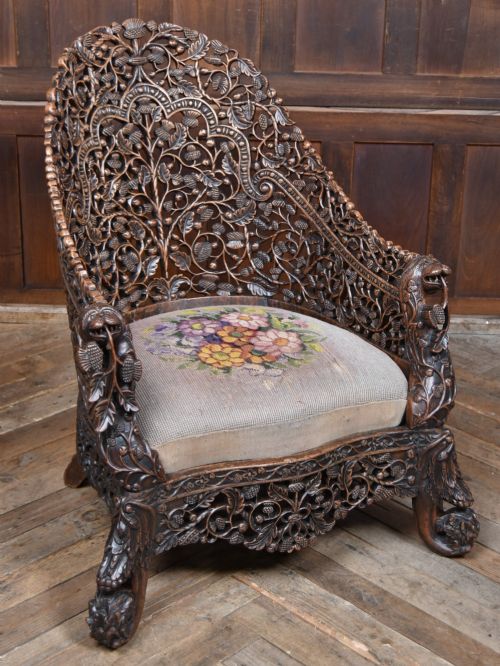
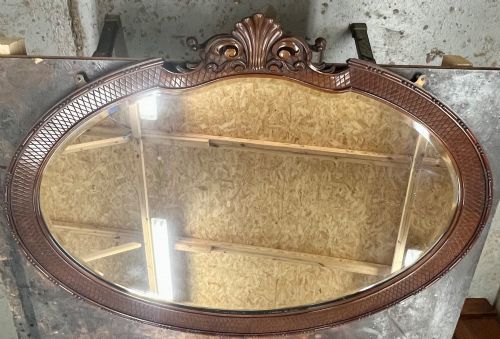
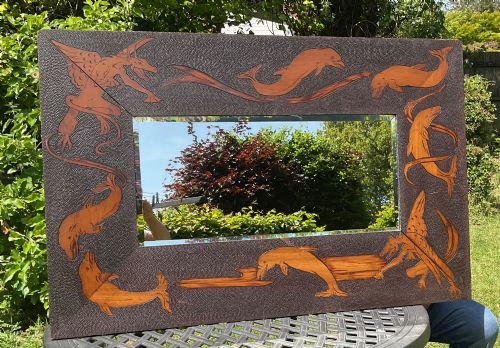
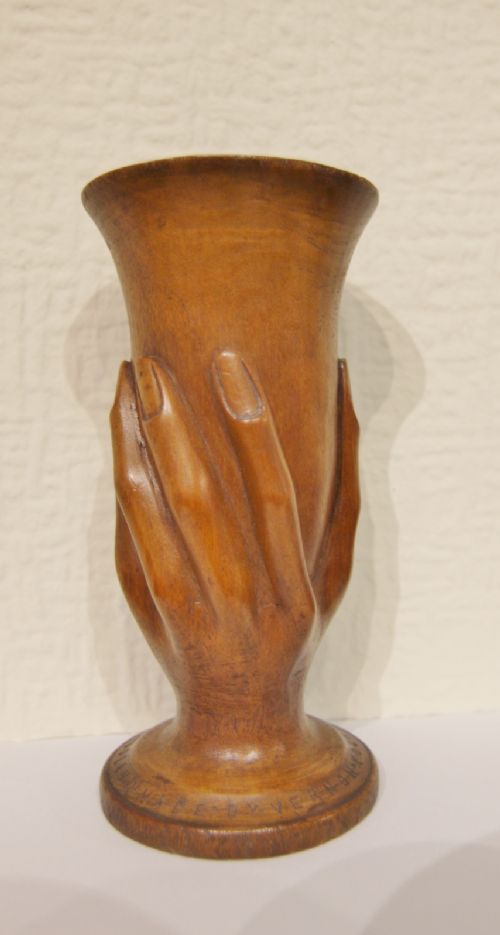
A carved timber motif encompasses sculptural wooden elements, architectural fragments, and decorative panels gathered across the eighteenth, nineteenth, and early twentieth centuries. These pieces range from ceiling rose panels and wall mirrors to ceremonial armchairs and architectural salvage.
The selections on this page demonstrate diverse regional styles, including Victorian Gothic Revival, Arts and Crafts, French Neoclassical, and Rococo Revival. Buyers find both standalone decorative items and functional furniture items carrying distinct hand-carved details.
Materials and construction
Workshops utilised sturdy timbers such as oak, mahogany, hardwood, and general wood stock to endure detailed hand-chiselling. Artisans applied these carving techniques directly to structural elements, panels, and frames.
Giltwood applications and applied mouldings frequently appear alongside exposed timber surfaces, while specific pieces incorporate glass plates and fabric or tapestry upholstery.
The listings span the eighteenth, nineteenth, and early twentieth centuries, featuring oak, mahogany, and hardwood across diverse regional traditions.
Evaluating quality and execution
Quality rests entirely in the crispness and depth of the hand-carved relief work, where confident tool marks distinguish superior ateliers from routine production. The rhythm of the carving and the balance of the composition govern the visual success of each panel or mirror frame.
The choice of dense timbers like oak or hongmu provides a stable canvas that retains sharp edges over centuries, whereas softer woods may show rounded or dulled contours through wear and age.
The Carved Timber Motif Glossary
- Ceiling rose
- A decorative plaster or carved wooden moulding fixed to the ceiling from which a chandelier or pendant light is suspended. These elements often feature intricate floral or geometric relief work.
- Appliqué
- An ornamental component applied or adhered to a larger surface to add decorative relief. In wooden and gilt pieces, these are frequently carved separately before being fixed in place.
- Parchemin
- A carved panel design imitating folded parchment or linen, popular in medieval and later Gothic revival woodwork. This technique creates a textured, geometric interplay of light and shadow across the timber.
- Hongmu
- A category of dense, dark Chinese hardwoods utilised for fine scholarly furniture and decorative objects. The timber accepts minute detailing and develops a deep natural patina over time.
- Escabelle
- A traditional type of European wooden armchair or stool featuring a high back and solid panel construction. They are typically associated with vernacular rustic and alpine furniture traditions.
Carved Timber Motif: Frequently Asked Questions
How are architectural fragments best displayed at home?
Panels and ceiling roses mount directly onto neutral walls to create sculptural focal points that highlight historical craftsmanship. They work particularly well when allowed to stand alone as individual pieces of art rather than crowded among other frames.
Ensure proper wall anchors support the weight of denser hardwoods and oak fragments. Adequate lighting from an angle will emphasise the depth of the carved motifs.
What distinguishes Gothic Revival woodwork from Rococo examples?
Gothic Revival pieces lean towards architectural geometry, pointed arches, and formalized tracery derived from medieval stone buildings. They present a structured and often solemn aesthetic.
Rococo Revival woodwork favours asymmetrical curves, scrolling foliage, and exuberant naturalistic motifs. The carving styles reflect very different periods of historical inspiration.
How should antique timber carvings be maintained?
Keep wooden pieces away from direct heat sources and rapid humidity fluctuations to prevent the timber from splitting or warping. Dust gently with a dry, soft cloth rather than using modern aerosol polishes.
Occasional application of microcrystalline wax helps protect bare wood surfaces without building up a sticky residue. Professional conservation advice should be sought for fragile giltwood elements.
Can antique mirrors with carved frames be hung securely?
Antique mirror frames often carry considerable weight due to the dense timber and heavy glass plates involved. Inspect the original hanging hardware and reinforce the backing structure if necessary before mounting.
Consult a professional framer to ensure the hanging wire and wall fixings match the load. Secure the piece into wall studs where possible to prevent accidents.