


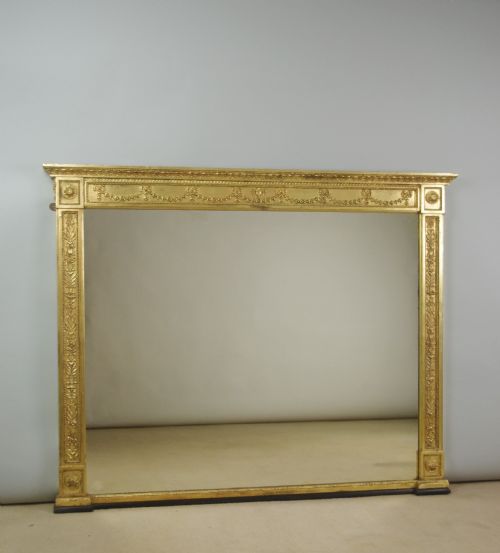


Antique Carved Swag
These antique carved swag pieces bring classical drapery and festoons into interiors across console tables, mirrors, and architectural fragments.
Antique Carved Swag
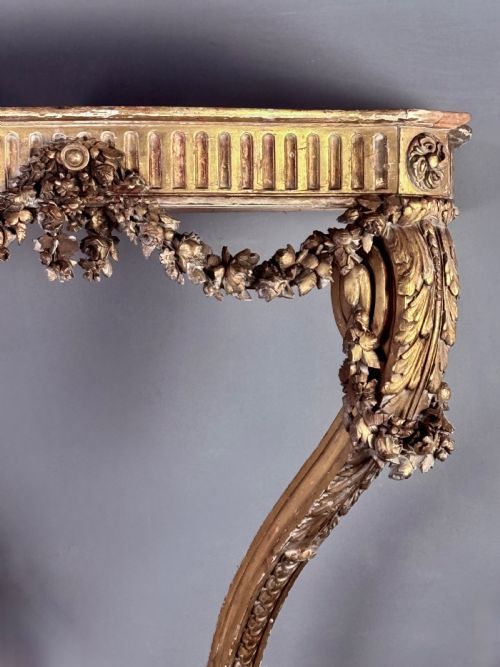
An antique carved swag introduces classical drapery motifs into period interiors through wall mirrors, console tables, and architectural fragments. These decorative elements replicate cloth, fruit, or foliage gathered in graceful curves, echoing ancient stone and plasterwork traditions.
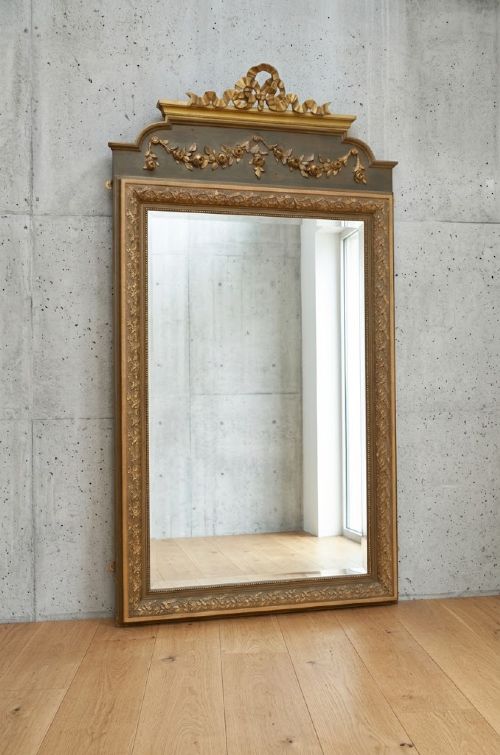
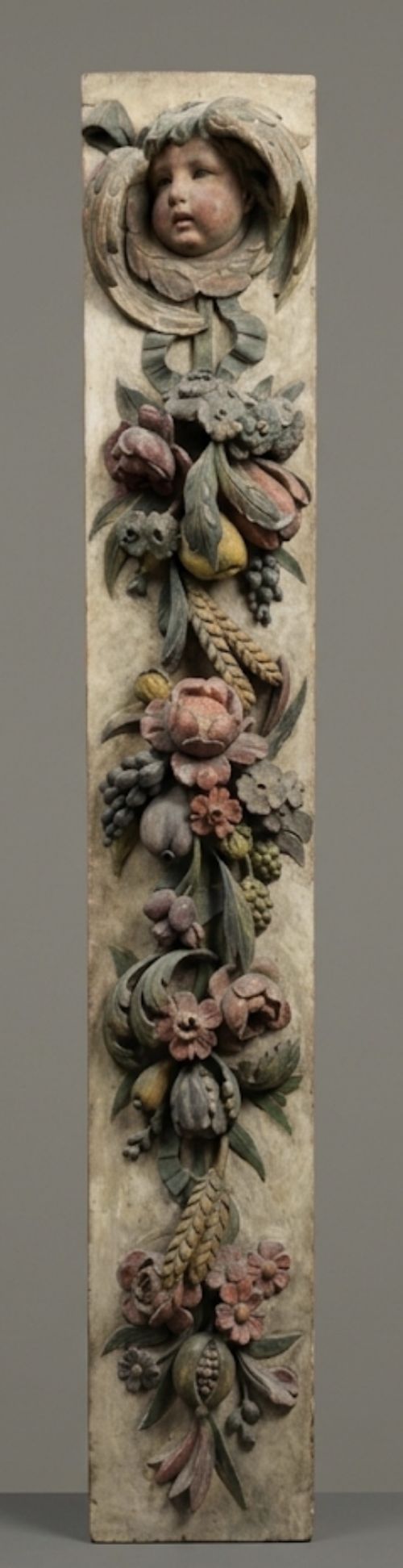
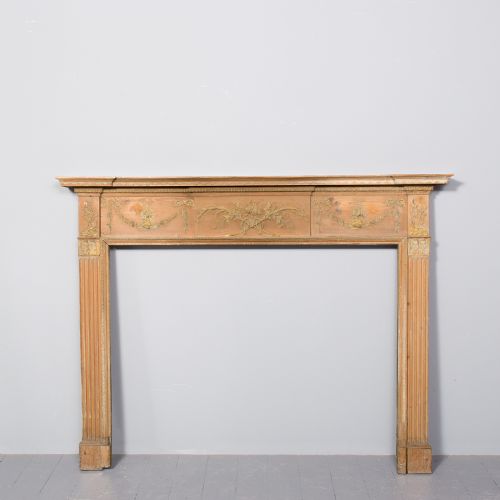
Buyers encountering this page will primarily find pieces originating from the eighteenth and nineteenth centuries, spanning Georgian, Regency, and French Neoclassical styles. Forms range from overmantel mirrors and console table bases to carved wooden panels and fireplace surrounds.
Makers and artisans applied these carved draperies to mahogany, pine, and timber frames, frequently enhancing the relief work with giltwood or painted finishes. The resulting items function equally as architectural salvage and as striking focal points within traditional rooms.
Materials and construction
Woodcarvers typically worked with dense timbers such as mahogany and pine, cutting directly into the material to achieve deep, three-dimensional drapery folds. Artisans also employed gesso layers over timber to build up crisp edges before applying gold leaf or paint.
Giltwood and painted finishes protected the underlying wood while catching ambient light to accentuate the carved relief work of each festoon. Surface treatments varied from polished mahogany to elaborate polychrome and gilded applications.
Object forms include console tables, wall mirrors, architectural fragments, and window seats decorated with classical drapery.
Assessing quality and craftsmanship
The distinction between standard and exceptional pieces rests upon the crispness of the chisel work and the depth of the relief. Superior carving displays naturalistic movement within the fabric folds rather than rigid, shallow incisions.
Original surface treatments, such as untouched gold leaf or period polychrome paint, elevate the integrity of a piece compared to later refinishing. The harmony between the carved swag and its structural host object also dictates overall refinement.
Felix-Alfred Ternisien
The Antique Carved Swag Glossary
- Swag
- A decorative festoon of fruit, flowers, or cloth suspended from two points in a gentle curve. This motif forms the primary decorative focus of the pieces listed here.
- Giltwood
- Timber that has been coated with a thin layer of gold leaf or powder. This finish appears frequently on mirrors and console tables from the Georgian and Regency periods.
- Gesso
- A plaster-like mixture applied to wood surfaces to create a smooth base for gilding or painting. It allows carvers to achieve fine detail around delicate drapery motifs.
- Console table
- A table supported against a wall by ornamented brackets or legs. These often feature elaborate carved bases and decorative aprons.
- Overmantel mirror
- A large looking glass designed to hang directly above a fireplace mantel. They frequently incorporate classical revival styles and extensive surface ornamentation.
Antique Carved Swag: Frequently Asked Questions
What periods do these pieces come from?
The selection spans the eighteenth and nineteenth centuries, including Georgian, Regency, and Belle Epoque eras.
Craftsmen during these periods utilised traditional timber and gesso techniques to shape classical drapery motifs.
How were carved swags used originally?
These decorative elements adorned architectural interiors, furniture bases, and fireplace surrounds to project classical elegance.
Mirror frames and console tables incorporated the draped motifs to catch the eye and unify formal room schemes.
How do I care for giltwood and carved timber?
Keep these items away from direct sunlight and excessive moisture to protect the underlying gesso and gold leaf.
Dust gently with a dry, soft brush rather than using liquid polishes that might damage delicate surface finishes.
What styles are common in this category?
Neoclassical, Baroque, Adam Revival, and Regency styles dominate the current selection of carved drapery pieces.
Each style interprets the classical festoon differently, ranging from restrained mahogany carvings to ornate gilded wall mirrors.