


18th Century Gentleman Artwork
When searching for 18th century gentleman artwork, collectors encounter formal portraiture depicting notable figures and officers in oils or works on paper.
18th Century Gentleman Artwork
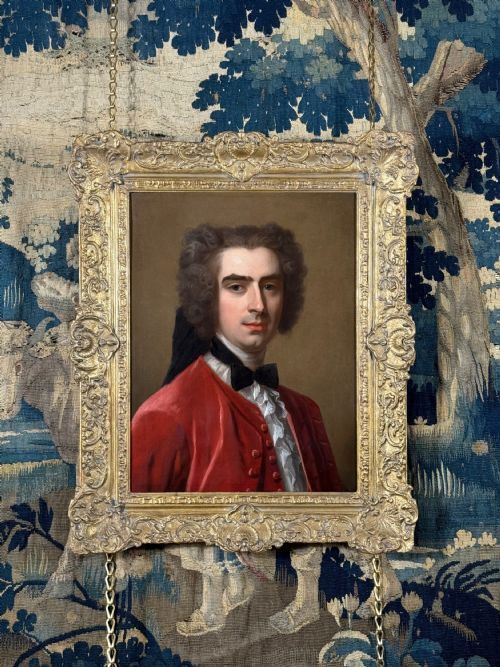
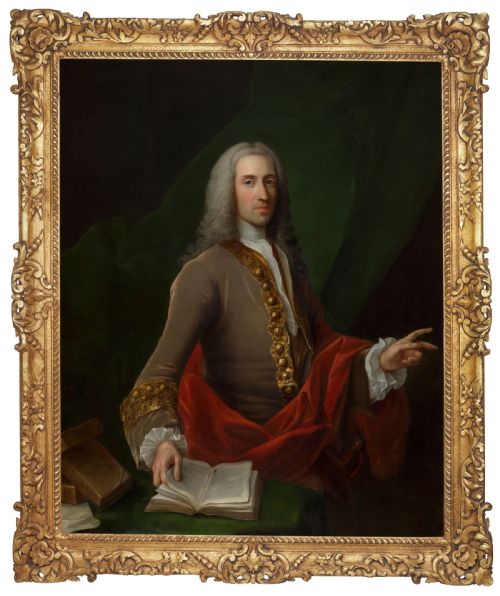
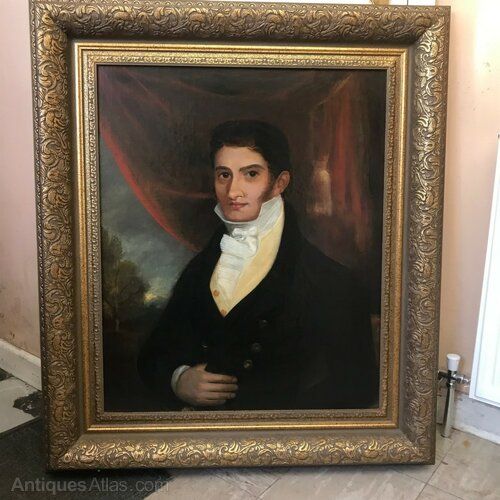
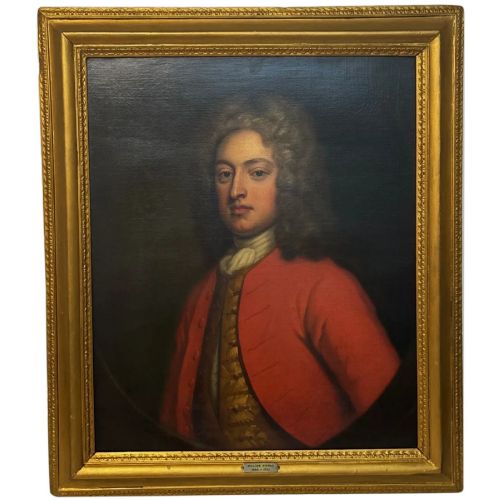
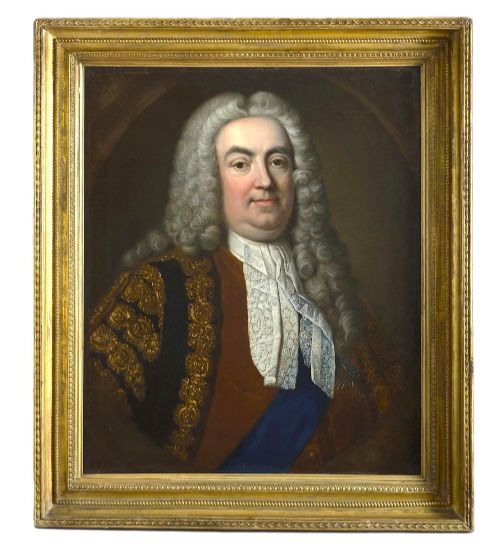
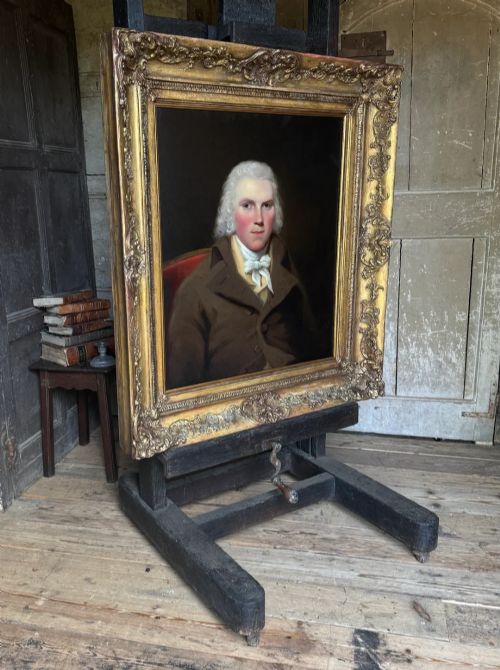
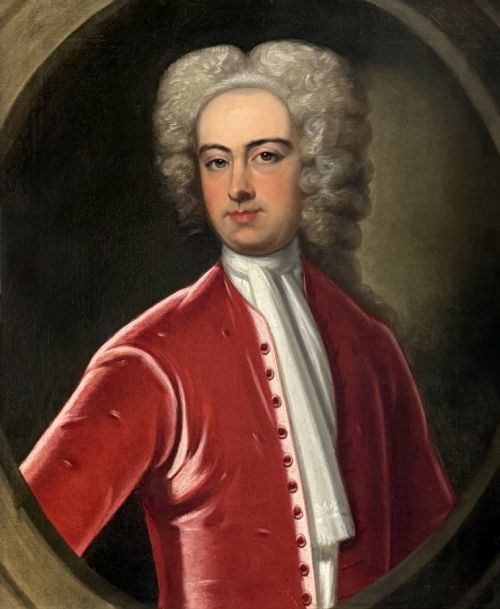
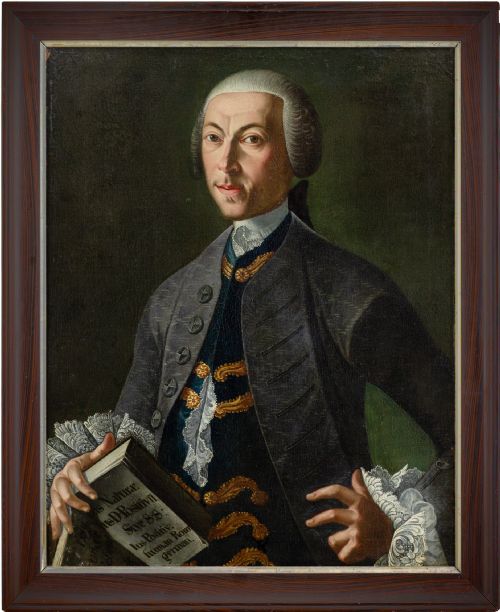
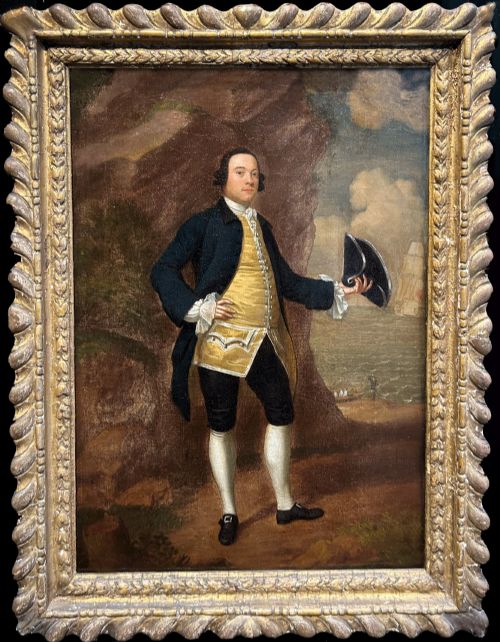
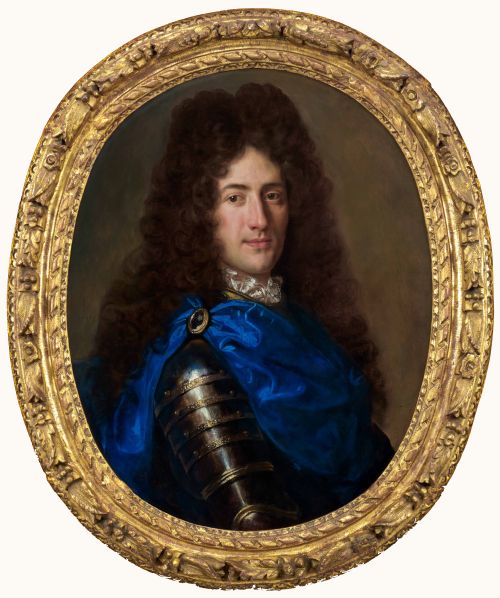
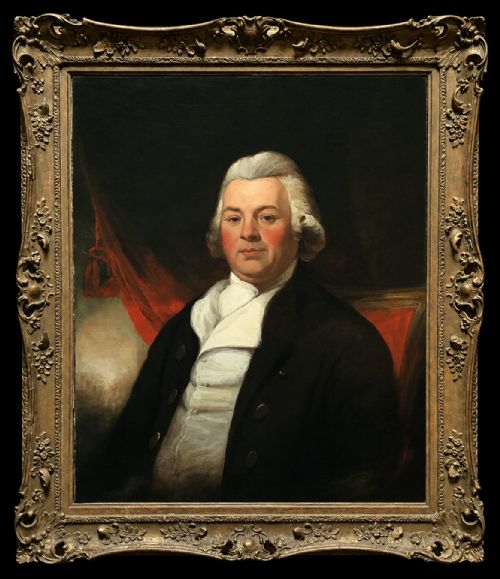
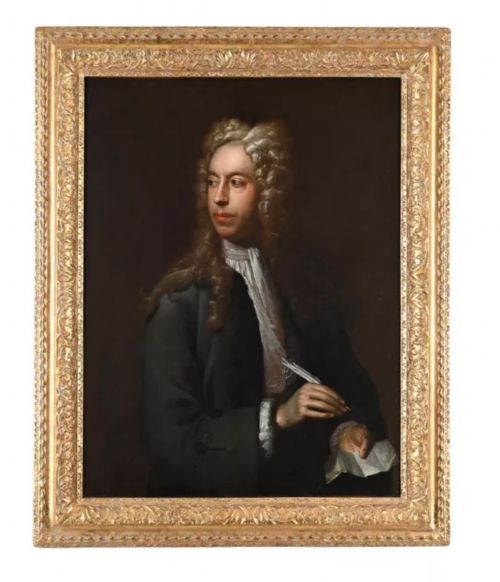
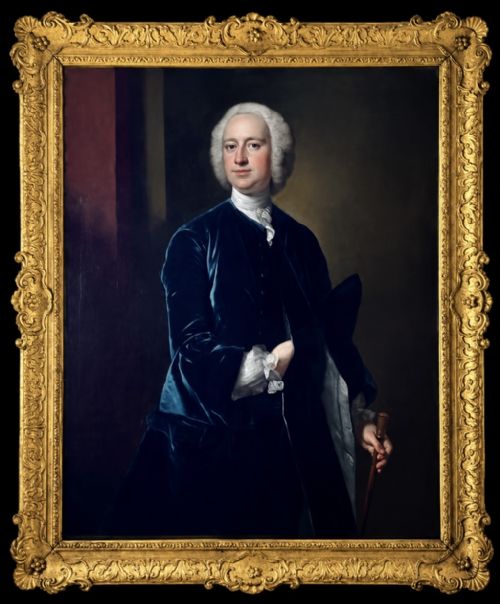
An 18th century gentleman artwork search centres primarily upon oil paintings on canvas, alongside select watercolours, pastels, and engravings depicting notable figures. The most common pieces met on this page are oil portraits originating from the Georgian period, often showing subjects in formal attire, armour, or academic robes.
These works span British, French, and German schools, recording physicians, military captains, and privateers from around 1700 through to the close of the century. Subjects frequently appear with books, lace jabots, or scarlet jackets, reflecting their status within society.
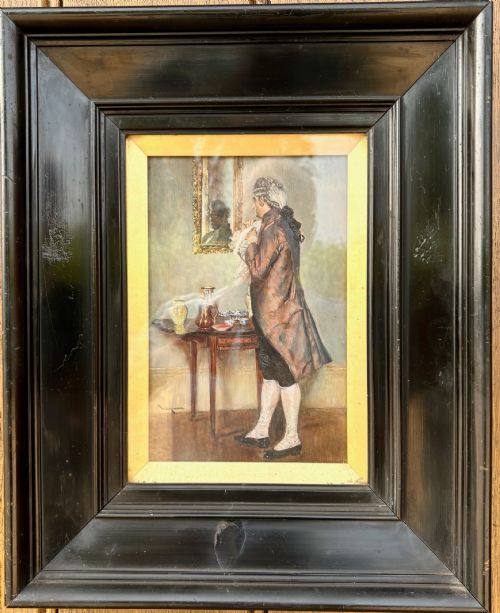
Beyond direct period pieces, the selection incorporates later interpretations in historical genre styles from the nineteenth and early twentieth centuries. These later depictions recreate the atmosphere of earlier centuries through scenes of gentlemen playing cards or admiring paintings.
Materials and construction
Makers built these pieces using oil paint applied to woven canvas or wood boards, occasionally employing paper for plumbago and watercolour drawings. Canvases received preparatory grounds before artists laid down pigments to capture the textures of velvet waistcoats, lace jabots, and steel armour.
Many works retain their original giltwood frames, which complement the dark, rich palettes typical of Georgian portraiture. Engravings utilised printed ink on paper, sometimes reproducing earlier painted compositions for a wider audience.
Listings feature works predominantly from the 18th Century and Georgian periods, alongside nineteenth-century historical genre paintings.
Indicators of quality
The prominence of the sitter and the documentation surrounding the attribution heavily influence distinction within the range. Pieces retaining clear provenance to known studios or documented sitters demonstrate superior historical value.
Jean Baptiste Van Loo·Jeremiah Davison·Charles Jervas·Francis Hayman·Joseph Vivienne·George Watson·Michael Dahl·Thomas Hudson·John Taylor·John Hamilton Mortimer·John Simmons·Francis Wheatley·Frank Moss Bennett·Marcel Brunery·Frans van der Mijn·Allan Ramsay·Arthur Pond·Beechey
The 18th Century Gentleman Artwork Glossary
- Plumbago
- A drawing executed in graphite, taking its name from the Latin word for lead ore. These detailed works gained popularity for small-scale portraiture during the Georgian era.
- Jabot
- A decorative lace or ruffled frill attached to the front of a shirt. This accessory frequently appears in mid-century portraiture to denote wealth and fashion.
- Giltwood
- Wood that has been coated with a thin layer of gold leaf. Frames finished in this manner were standard for framing fine art oil paintings of the period.
- Genre painting
- The pictorial representation of scenes from everyday life involving ordinary people. In later works, this style depicted gentlemen engaged in leisure activities such as cards or bowls.
18th Century Gentleman Artwork: Frequently Asked Questions
What is an 18th century gentleman artwork?
These pieces are historical visual records, primarily oil portraits on canvas, depicting prominent figures such as military officers, physicians, and scholars.
They serve as direct windows into the fashion, status, and portraiture conventions of the Georgian era.
How were these portraits displayed?
In their original settings, these artworks hung in the panelled libraries, reception rooms, and halls of country houses and town residences.
They were intended to project family lineage, professional success, and social standing to visitors.
How do I live with antique oil paintings?
Antique oil paintings require stable environmental conditions away from direct sunlight and excessive humidity to protect the canvas and paint layers.
Matching the original giltwood frames with traditional wall backgrounds helps integrate these historical pieces into contemporary interiors.
How can I tell the periods apart?
Early pieces from around 1700 often feature heavy armour and dark, formal drapery influenced by Baroque traditions.
Later eighteenth-century works shift towards softer palettes, simpler civilian dress, and more relaxed expressions reflecting changing portrait styles.