


18th Century French Porcelain
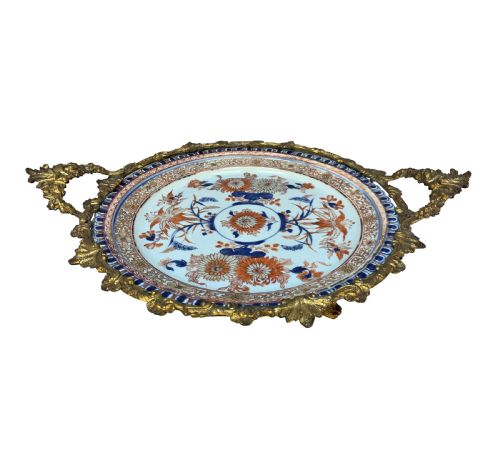
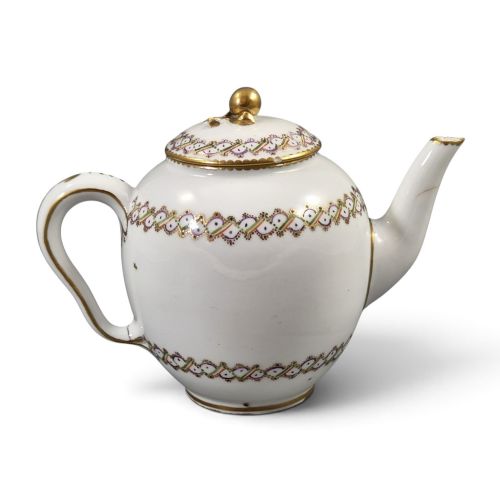
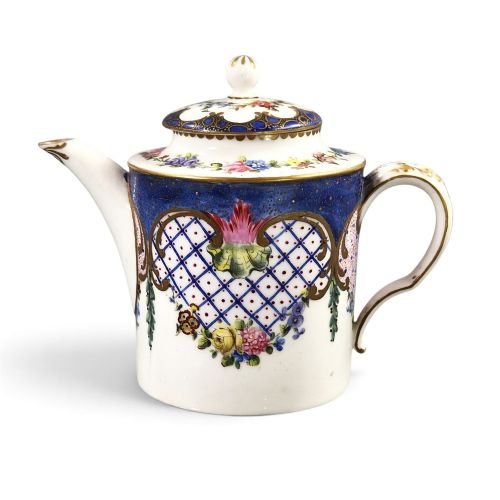
These pieces of 18th century french porcelain bring together delicate soft-paste bodies, meticulous hand-painting, and rich ormolu mounts that collectors prize.
18th Century French Porcelain
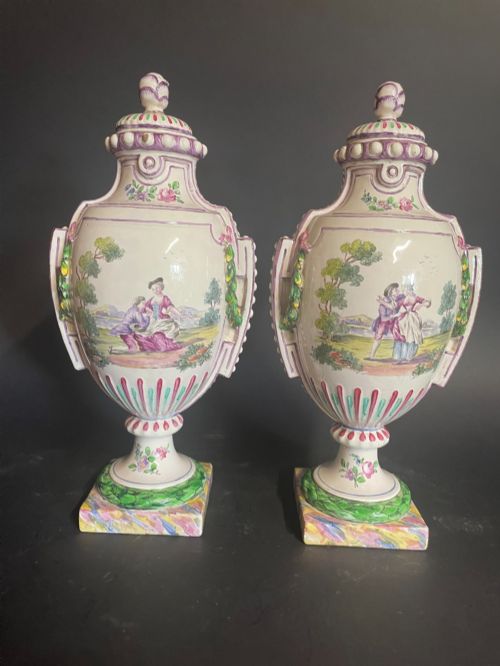
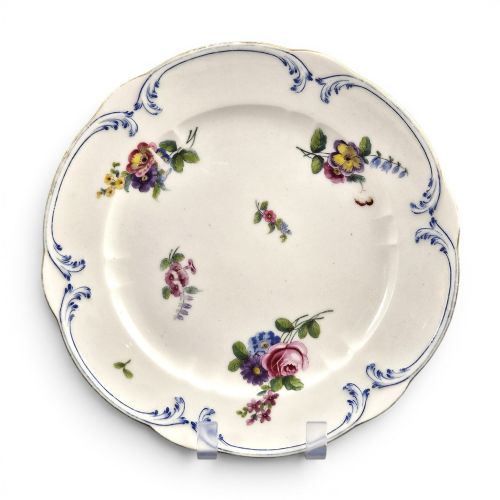
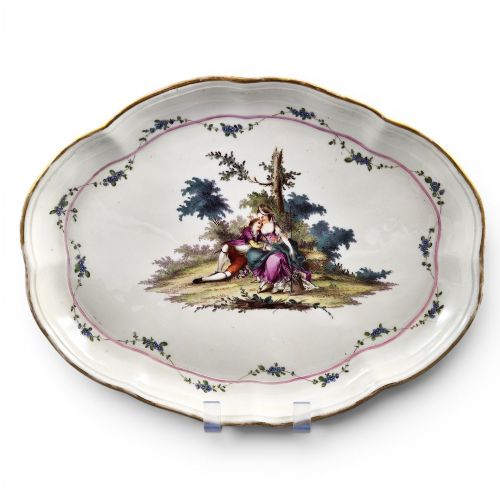
When you search for 18th century french porcelain, you encounter a refined selection of teapots, dinner plates, decorative trays, and figurines from celebrated manufactories. The pieces span iconic periods from the reign of Louis XV through to Louis XVI, capturing the stylistic shift from extravagant rococo curves to restrained neoclassical symmetry.
Soft-paste porcelain dominates the selection, alongside tin-glazed earthenware and occasional hard-paste creations. Forms range from utilitarian trembleuse cups and teapots to elaborate figurative groups and mounted decorative urns.
Origins trace directly to major French centres such as Sèvres, Chantilly, Marseille, and Paris. Each piece reflects the specific ceramic traditions and aesthetic preferences of its particular workshop and decade.
What Varies in Quality
Quality differences stem from the precision of the hand-painted enamel work and the crispness of the porcelain body. Finer items display delicate brushwork, vibrant yet controlled colours, and well-preserved gilding without excessive rubbing.
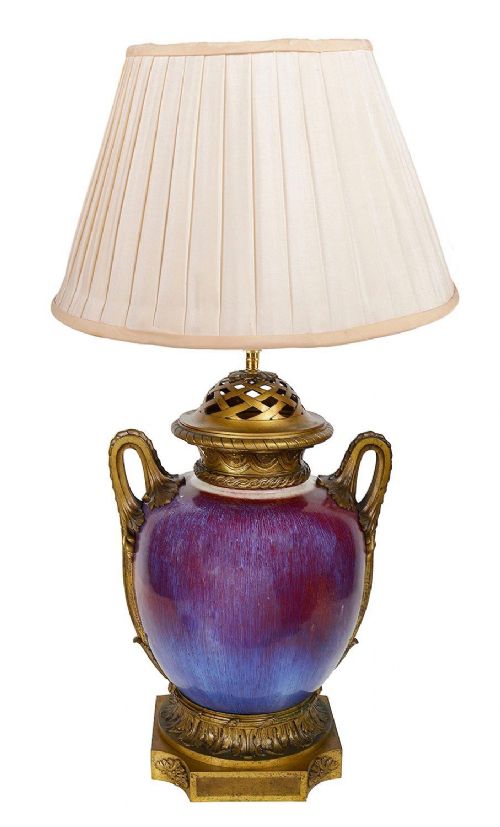
The sophistication of the metalwork also separates pieces, as expertly chased ormolu mounts indicate superior workshop collaboration. Pieces featuring integrated bronze and gilt frames demand closer attention to the harmony between ceramic body and metal mount.
Listings feature soft-paste porcelain alongside tin-glazed earthenware, enhanced by gold leaf, ormolu, and hand-painted enamel.
Royal Sèvres·Sceaux Faience·Joseph-Gaspard Robert·Manufacture de la Reine·La Coutille Factory·Chantilly·Veuve Perrin·Samson
The 18th Century French Porcelain Glossary
- Soft-paste porcelain
- A glassy ceramic composite fired at lower temperatures than hard-paste porcelain. It produces a warm, creamy body that interacts distinctively with soft glazes and enamels.
- Ormolu
- Finely ground high-carat gold applied to a bronze base using mercury amalgamation. This technique creates a durable, warm golden finish seen on mounts and candelabra.
- Trembleuse
- A specialised cup and saucer featuring an elevated ring inside the saucer to hold the cup steady. It was designed for drinking hot beverages without spilling.
- Faience
- Tin-glazed earthenware produced across various European centres. It offers an opaque white background suitable for colourful hand-painted designs.
- Gilding
- The application of gold leaf or powdered gold to ceramic surfaces. It highlights rims, handles, and painted scenes.
18th Century French Porcelain: Frequently Asked Questions
How do I care for 18th century french porcelain?
Keep delicate pieces out of direct sunlight to protect the hand-painted enamel colours and delicate gilding from fading over time.
Wash them by hand in lukewarm water using mild soap, avoiding harsh scrubbing or dishwashers entirely.
Were these porcelain pieces used daily?
Many teapots, plates, and trembleuse cups served practical dining functions in wealthy households during the Georgian era and earlier periods.
Other items like decorative urns, figures, and mounted display objects were intended purely for interior ornamentation.
What is soft-paste porcelain?
Soft-paste is an artificial ceramic paste composed of glass frits and white clays rather than natural kaolin stone.
It was favoured by French manufactories for its warm tone and the way it absorbed enamel colours during firing.