
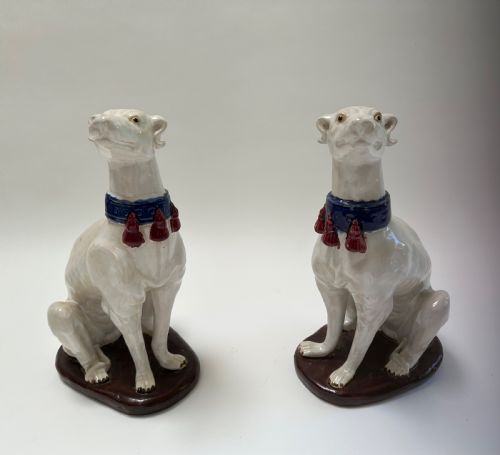


Cream Glazed Ceramic Sculpture
These cream glazed ceramic sculpture pieces bring tactile warmth and modelled presence into a room, making them a natural choice for collectors of figurative ceramics.
Cream Glazed Ceramic Sculpture
When you search for cream glazed ceramic sculpture, you encounter a diverse gathering of figurative ceramics, animals, and lamps spanning several centuries. The selection ranges from Georgian soft-paste figures to Art Deco porcelain nudes and French folk art pottery.
You are most likely to meet twentieth-century figures and decorative groups produced by European potteries, alongside nineteenth-century classical subjects and continental earthenware. The forms encompass standing figures, seated maidens, animal models, and functional table lighting.
The aesthetic vocabulary stretches across multiple stylistic movements, including Art Deco, Victorian Neoclassical, and French Folk Art. These diverse origins share a sculptural focus rendered in pale glazes and ceramic bodies.
How they were made
The pieces utilise ceramic bodies such as earthenware, porcelain, and soft-paste porcelain, shaped into sculptural forms and figure groups. Potters and modellers combined moulded components with hand-finished details before firing.
Surfaces receive specialised treatment through tin-glazes, enamel pigments, and occasionally gold leaf accents. The cream glaze provides a uniform tonal skin that defines the contours of the modelled subject.
A French terracotta cat designed to sit on a roof tile watches over the collection.
What varies in quality
Glaze application and enamel control dictate the visual success of the surface, with successful pieces maintaining an even coat that enhances the underlying form without pooling in the recesses.
Royal Dux·Royal Worcester
The Cream Glazed Ceramic Sculpture Glossary
- Soft-Paste Porcelain
- A ceramic composition made from white clay mixed with ground glass and other materials, fired at lower temperatures than true porcelain. It produces a warm, slightly granular body often found in eighteenth-century figures.
- Tin-Glazed Earthenware
- Pottery coated with a lead glaze made opaque by the addition of tin oxide, providing a smooth white or cream surface for painting. This technique underpins majolica and traditional European faience.
- Okimono
- A Japanese ornamental carved figurine designed for display on a household altar or within a decorative alcove. These objects demonstrate meticulous attention to traditional subject matter.
- Centrepiece
- A large decorative object placed in the middle of a dining table or sideboard as a focal point. They frequently take figurative or architectural forms in porcelain and earthenware.
- Enamel
- Vitrified glass powder fused to the ceramic surface during a secondary low-temperature firing to add coloured details. Enamels provide vibrant contrast against monochrome cream glazes.
Cream Glazed Ceramic Sculpture: Frequently Asked Questions
What is a cream glazed ceramic sculpture?
These objects are three-dimensional figures, animals, and decorative groups shaped from clay and finished with a pale or cream-coloured glaze. They encompass works from various European and Japanese traditions.
Collectors prize them for their sculptural presence and the subtle ways light interacts with their monochrome glazed surfaces.
How do I date these sculptures?
Dating relies on stylistic markers such as Art Deco geometries or Victorian classical drapery, alongside the specific characteristics of the ceramic body and glaze. Maker marks and factory stamps provide definitive chronological markers when present.
Comparing the modelling style to known historical periods helps narrow down the decade of production.
Where were these pieces displayed?
Historically, these sculptures served as mantelpiece ornaments, cabinet figures, or central table decorations in domestic interiors. Some forms, such as veilleuses, functioned as bedside lighting.
They were intended to be viewed from multiple angles within reception rooms and parlours.
How do I care for ceramic sculptures?
Maintenance involves gentle dusting with a soft, dry brush to prevent particulate buildup on textured surfaces and crevices. Avoid harsh chemical cleaners that might affect delicate enamel highlights or gold leaf.
Keeping them away from direct sunlight preserves the stability of the glaze and any painted pigments.