

18th Century French Furniture
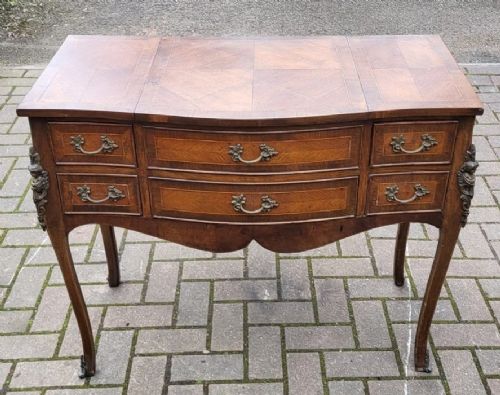
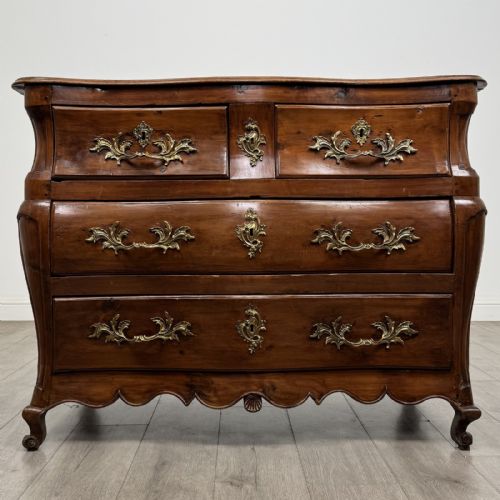
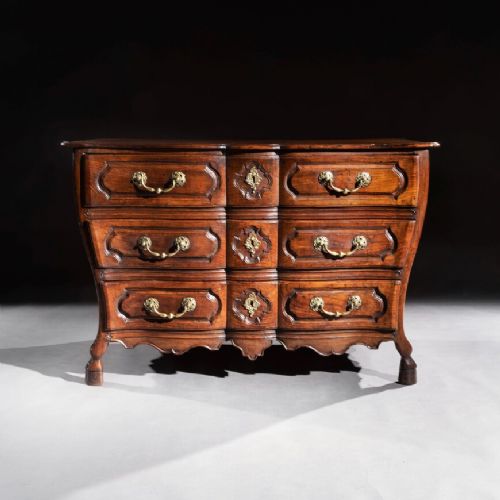
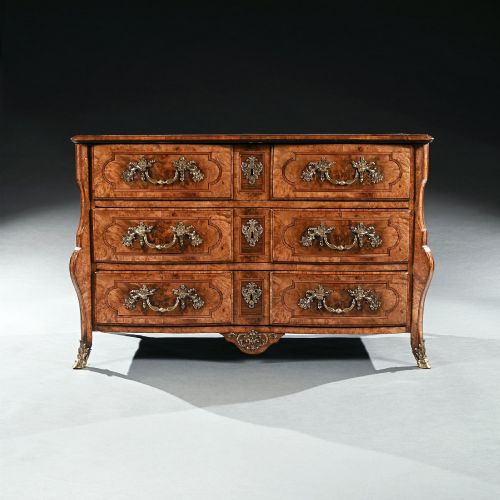
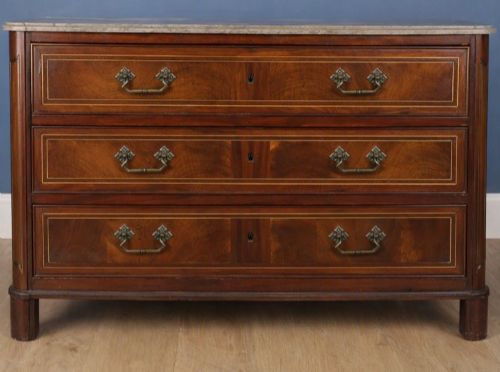
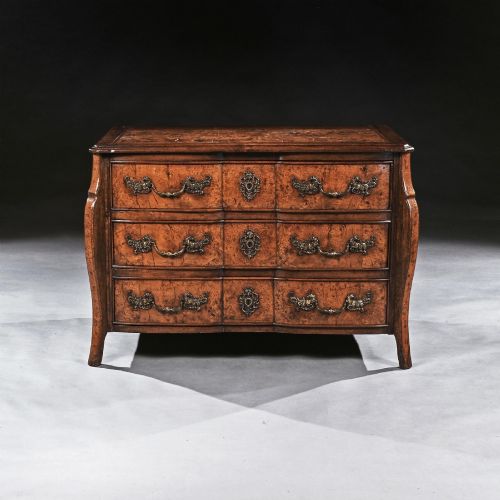
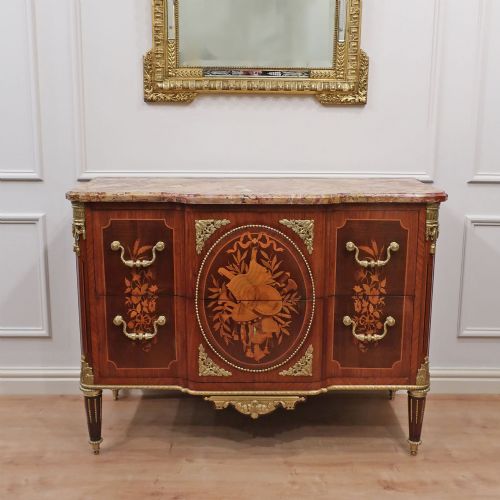
These pieces of 18th century french furniture bring substantial timber construction, serpentine lines and marble tops into a room.
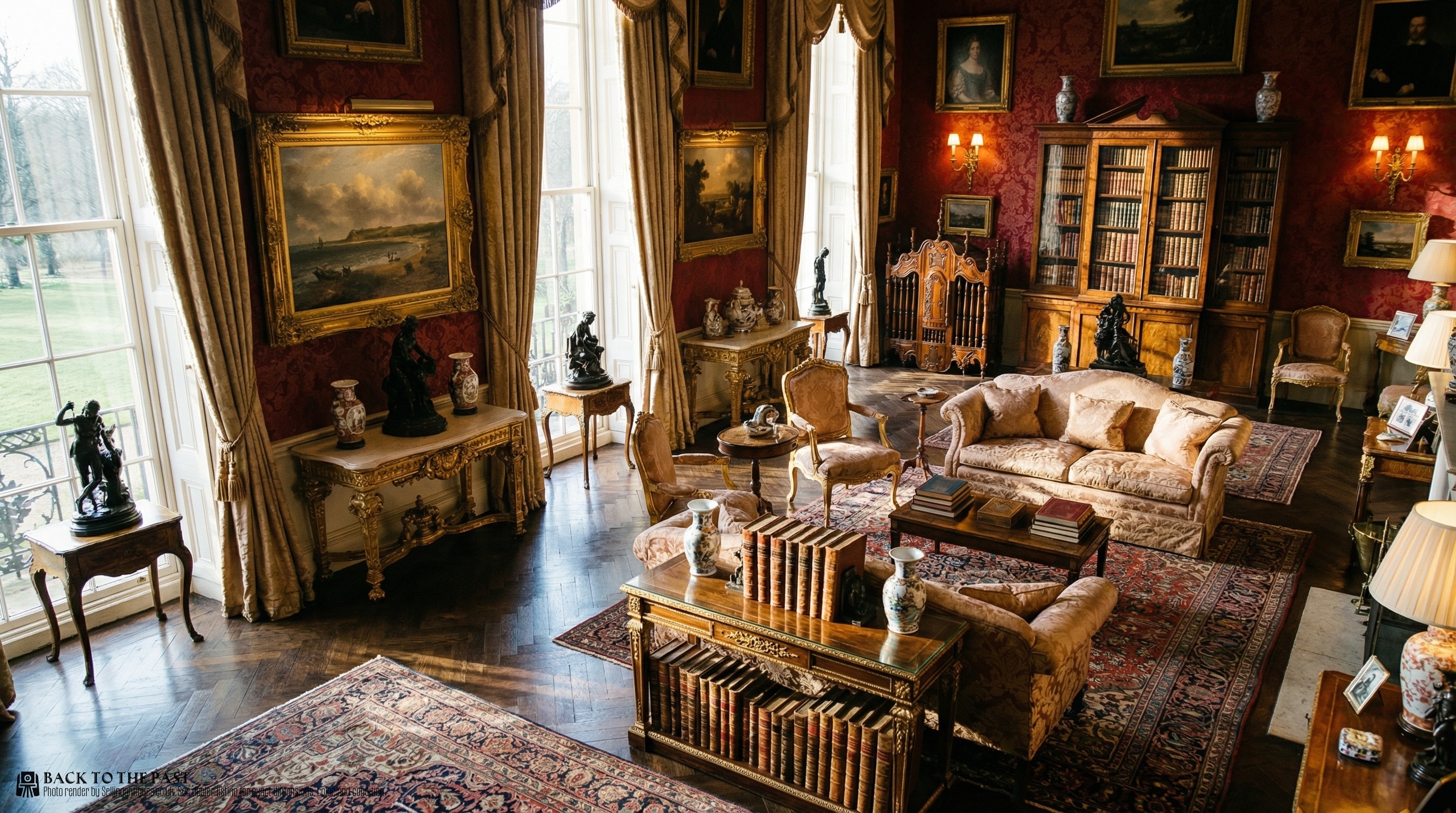
18th Century French Furniture
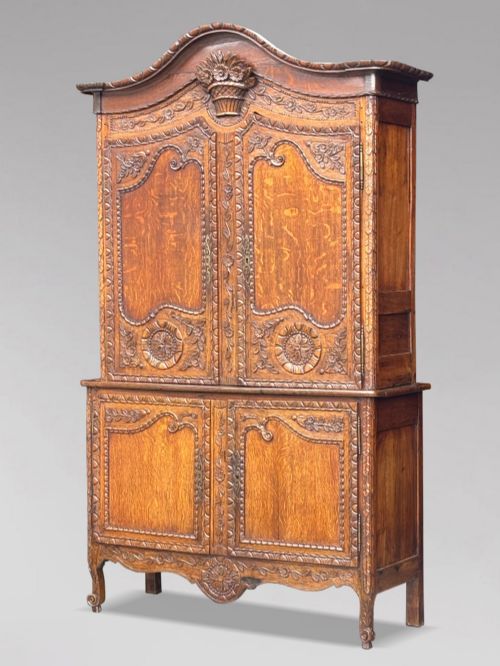
When you search for 18th century french furniture, you encounter a range of heavy storage and display pieces including commodes, sideboards, buffets, and cupboards. The selection spans formal court aesthetics and sturdier provincial regional variations.
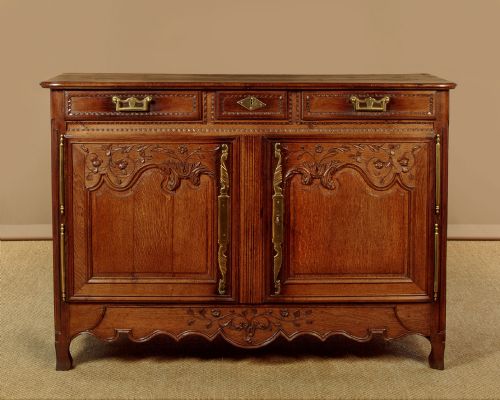
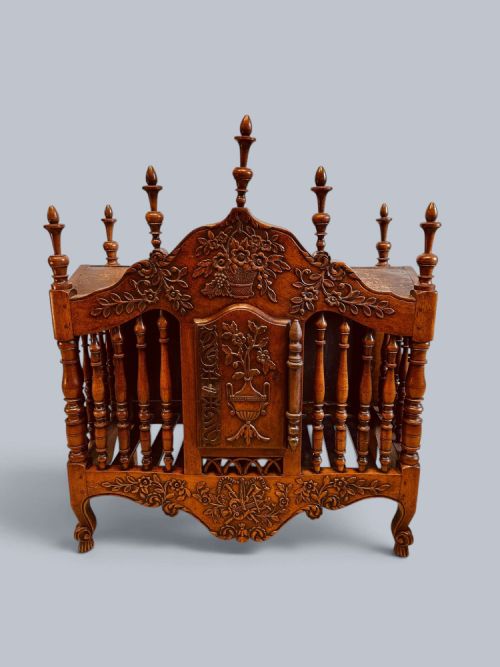
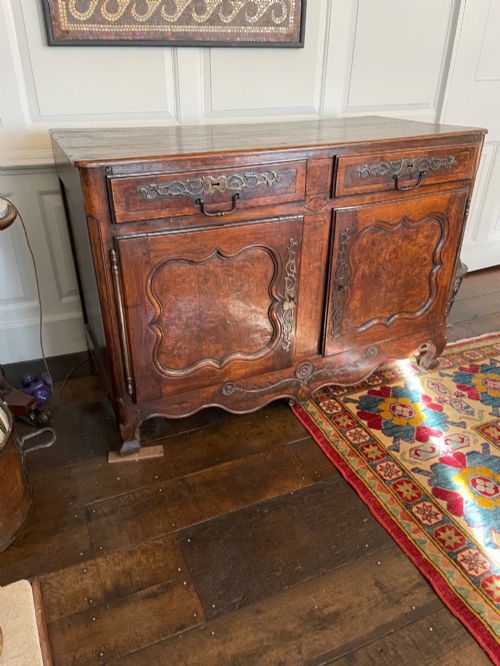
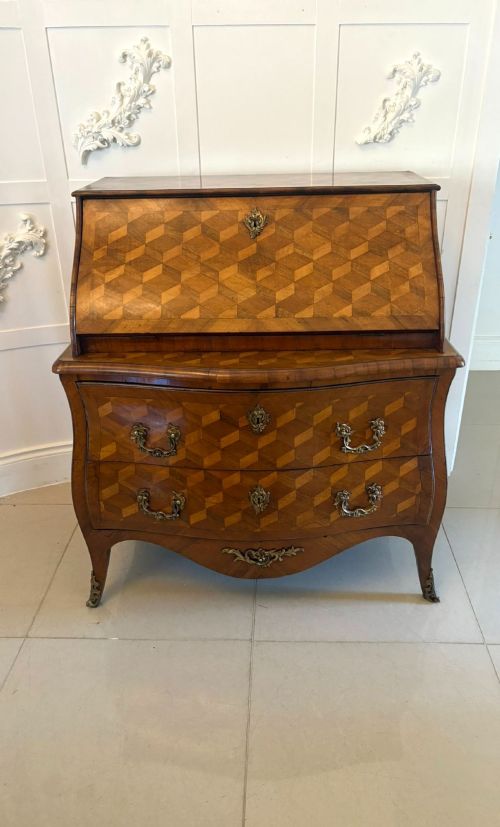
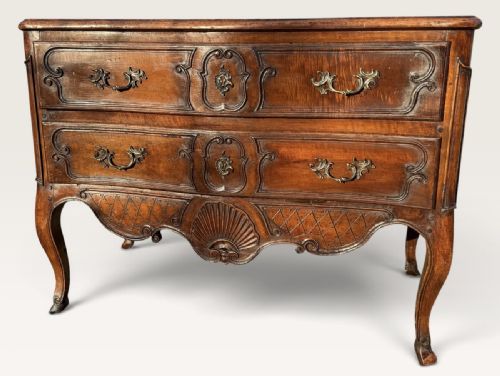
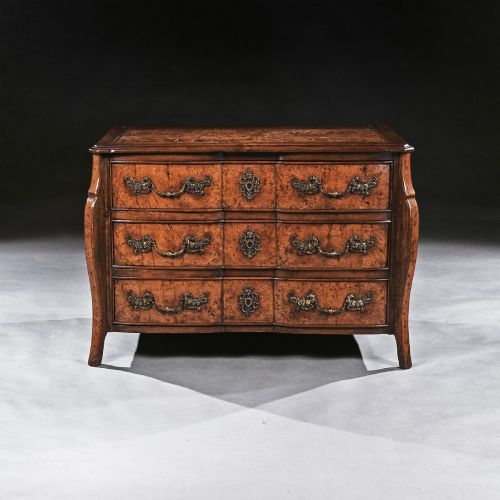
Commodes and chests of drawers dominate the offerings, often featuring serpentine or bombe profiles in timbers such as walnut, cherrywood, and oak. You also meet cabinets, console tables, and specialised items like bread cages.
The majority of pieces date from the 18th century, with occasional later interpretations from the 19th and early 20th centuries that mimic earlier regional or court styles.

Materials and Construction
Cabinetmakers built these carcases primarily from solid native hardwoods like oak, walnut, and cherry, frequently applying decorative veneers of kingwood, burr elm, or burr maple in geometric parquetry patterns. Surfaces often incorporate shaped marble tops, including figured varieties like breche d'alep.
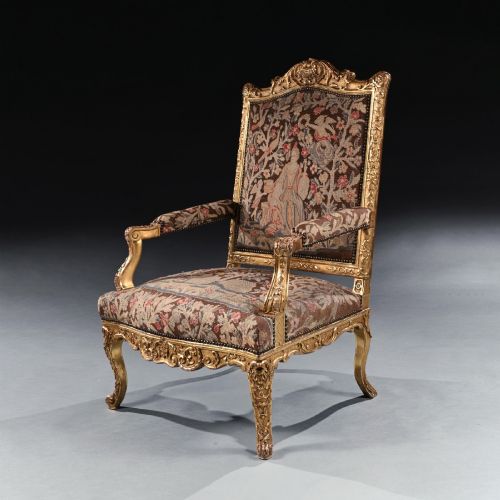
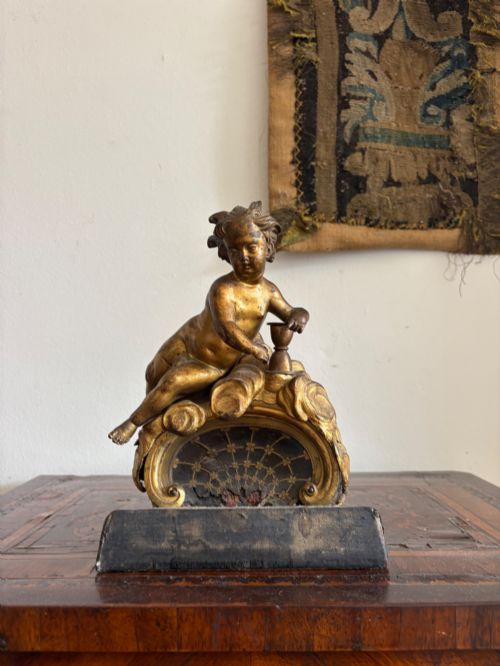
Metalwork played a structural and decorative role, utilising brass and ormolu mounts, handles, and putto finials alongside iron hardware. Painted and gilt wood finishes also appear, particularly on provincial and later decorative pieces.
18th Century French Furniture Retail Price Guide 2026
Typical asking prices for 18th century french furniture among the pieces listed under this phrase on Sellingantiques today, from the lower quarter to the upper quarter. They describe what is for sale here now, not the wider market.
Listings feature timbers including walnut, oak, cherrywood, kingwood, and burr elm, paired with marble and ormolu.
Evaluating Execution
The refinement of the carving and the precision of the parquetry inlay distinguish standard utilitarian items from ambitious cabinet work. Crisp mouldings and well-proportioned serpentine or bombe contours indicate disciplined workshop practice.
The integration of original mounts and matching marble tops elevates a piece, as does the retention of uncompromised timber patination across the carcase.

Thomas Hache of Grenoble
The 18th Century French Furniture Glossary
- Commode
- A low chest of drawers or cabinet developed in France. These form the bulk of case furniture from the period.
- Bombe
- A swelling, outwardly curving surface profile on the front and sides of a chest of drawers. This contour requires advanced timber shaping.
- Ormolu
- Gilt bronze used for decorative mounts and furniture hardware. It provides metallic contrast against dark timber veneers.
- Parquetry
- Geometric patterns formed by fitted wood veneer pieces. Craftsmen used contrasting timbers to create these decorative surface designs.
- Buffet deux corps
- A tall two-part cupboard or sideboard consisting of an upper section set upon a deeper lower cabinet.
18th Century French Furniture: Frequently Asked Questions
What is a commode?
A commode is a low chest of drawers designed for domestic storage during the period. These items typically feature multiple drawer tiers and often stand on short cabriole legs.
In daily use, they served as principal storage furniture in bedchambers and reception rooms, frequently topped with fitted marble slabs.
How do I spot provincial furniture?
Provincial pieces display simpler execution and local timber choices such as cherrywood, chestnut, or oak rather than exotic court veneers. Carving is typically more robust and less ornate than Parisian output.
These items reflect regional cabinetmaking traditions outside the main urban centres while maintaining functional forms.
What are ormolu mounts?
Ormolu mounts are gilded bronze decorative elements fixed to the corners, feet, and drawer fronts of case furniture. They protect vulnerable edges and enhance the visual richness.
Cabinetmakers secured these metal fittings with pins or screws directly into the timber carcase.
Are marble tops original?
Many commodes and console tables feature fitted stone surfaces designed to protect the timber and provide a durable display area. Figured marble varieties are common on high-status examples.
Inspect the edges and underside of the stone to understand how it seats within the wooden frame mouldings.