
French Country Furniture
French country furniture brings honest provincial character and tactile timber warmth to an interior through practical regional forms.
French Country Furniture
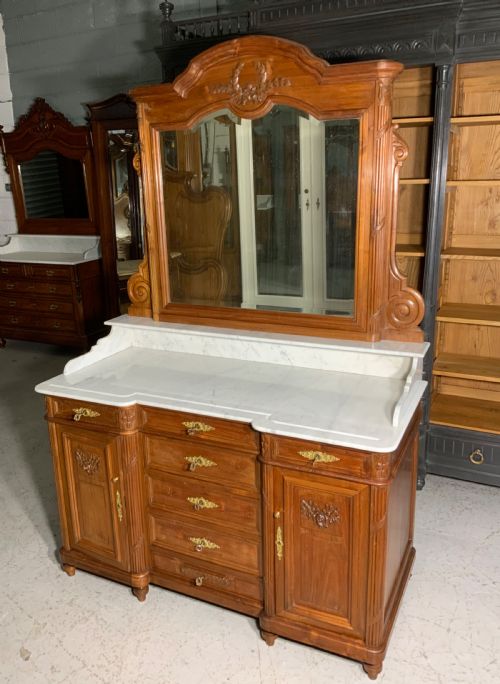
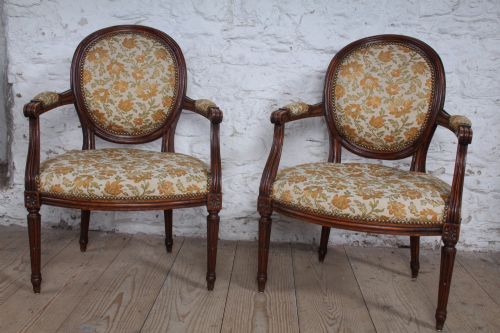
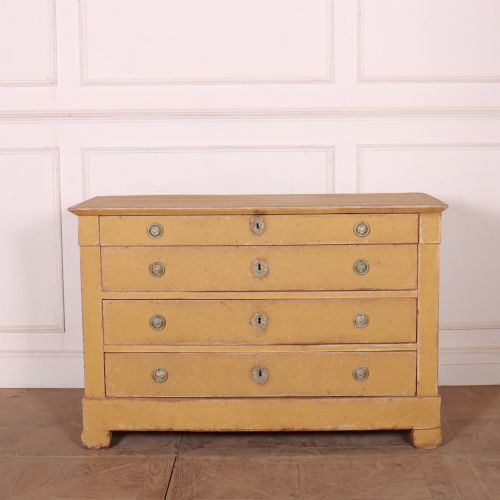
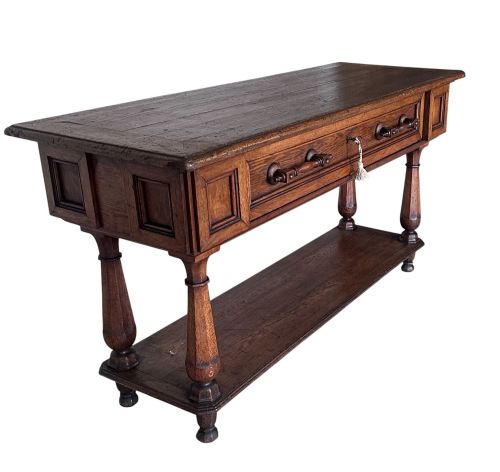
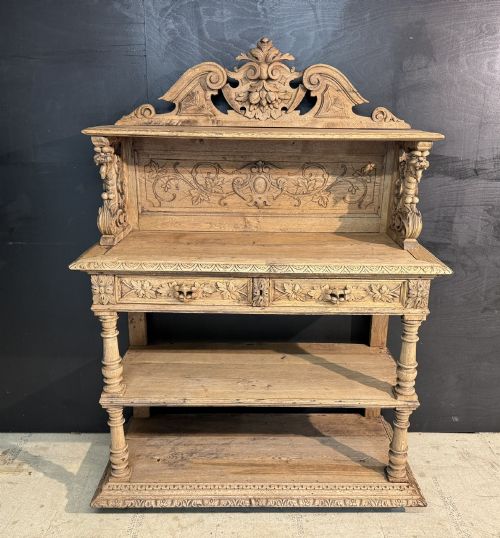
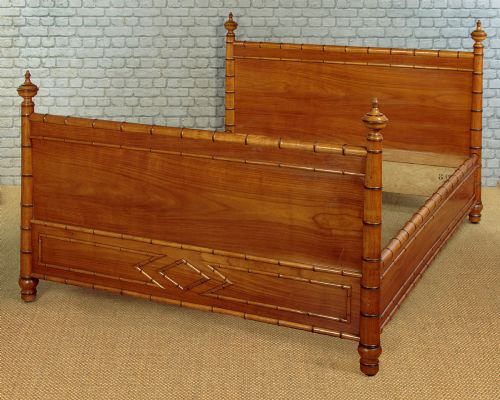
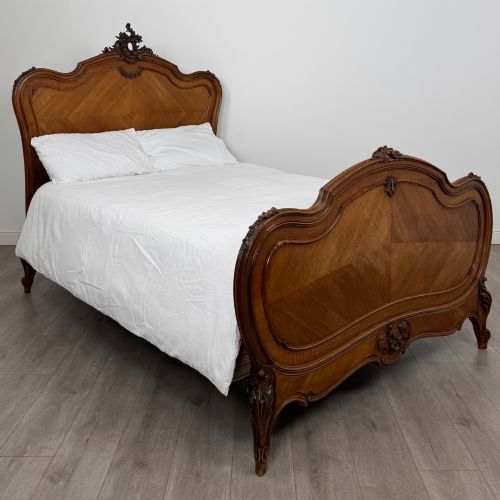
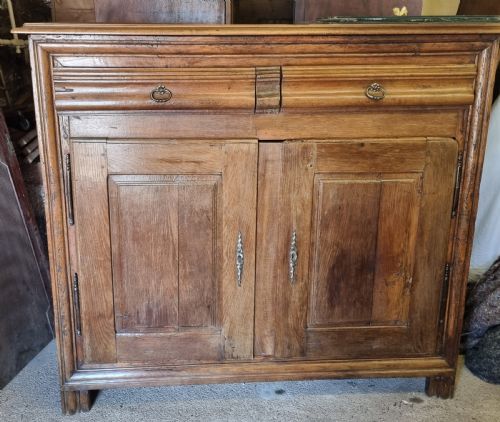
French country furniture encompasses utilitarian and domestic forms originating from provincial regions, designed for daily rural life rather than formal salons. When exploring French country furniture, buyers frequently encounter robust seating, storage cabinets, and sturdy work tables.
The selections span distinct centuries, with nineteenth-century oak, fruitwood, and pine pieces appearing alongside eighteenth-century commodes and cupboards. These regional items reflect the specific domestic needs of farmhouses, village houses, and provincial estates across France.
What varies in quality
Quality rests in the integrity of the timber, the honesty of the construction, and the preservation of original surfaces. Pieces retaining their early patinated finish, unreplaced hardware, and original gnarled or turned legs stand apart from heavily restored examples.
The refinement of regional carving and the balance of proportions distinguish standard utility items from finer provincial workshop commissions. Subtle details in moulding profiles and the harmonious joining of secondary timbers reveal the maker's hand and regional origin.
The listings span the eighteenth, nineteenth, and mid-twentieth centuries, featuring oak, fruitwood, pine, and walnut.
The French Country Furniture Glossary
- Commode
- A low chest of drawers or cabinet designed for domestic storage. These items typically feature shaped aprons and prominent panel construction.
- Panetiere
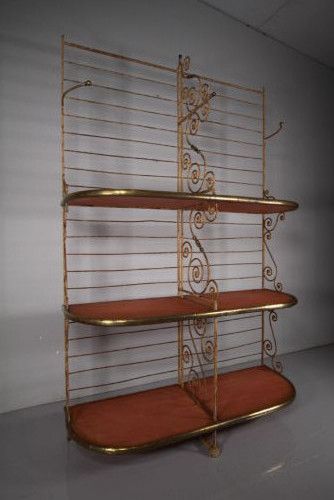
- A traditional ventilated bread cage or cabinet used in provincial kitchens to keep loaves safe from pests. They often feature turned spindle galleries and delicate pierced woodwork.
- Vendange table
- A large harvest table designed to seat workers during the grape gathering season. These tables frequently incorporate long proportions and robust framing.
- Fruitwood
- Timber harvested from fruit-bearing trees such as cherry, pear, and apple. Cabinetmakers valued these dense woods for their fine grain and warm honeyed tone.
- Marquetry
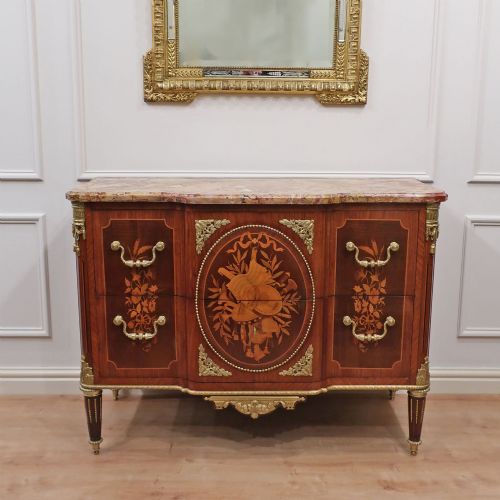
- The art of applying decorative veneer pieces to a structure to form geometric or floral designs. This technique elevates standard case furniture into sophisticated decorative pieces.
French Country Furniture: Frequently Asked Questions
How do I clean wooden surfaces?
Dust surfaces regularly with a soft, dry cloth to prevent grit accumulation in the wood grain. Apply a traditional beeswax sparingly to nourish the timber and maintain a soft, protective sheen.
Avoid modern silicone polishes and harsh chemical sprays that degrade antique finishes over time. Gentle care preserves the natural patina built up over decades of use.
How do I date an antique piece?
Examine the construction methods, tool marks on the timber, and the nature of the secondary woods used inside drawers and backboards. Hand-cut joinery and irregular hand-forged nails generally point to older provincial manufacturing.
Compare the overall form, hardware style, and regional characteristics against documented examples from the same period. Subtle wear patterns on footings and touch points also offer clues to age.
Where should I place these pieces?
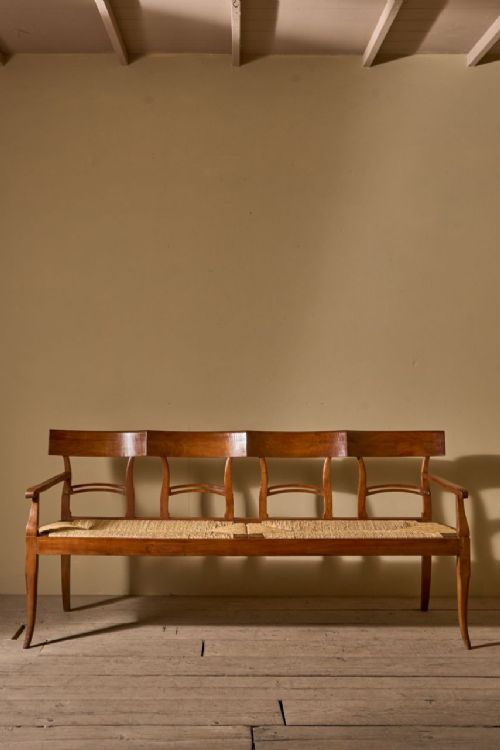
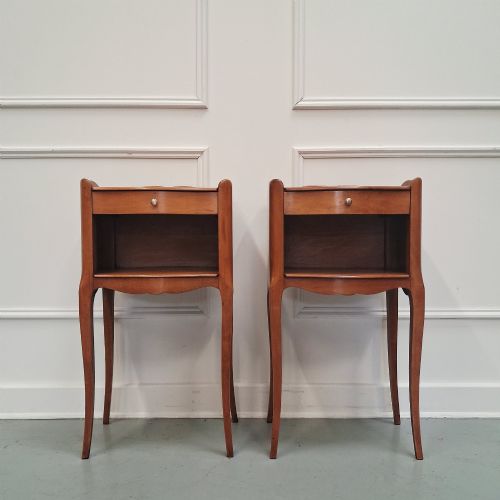
Position robust tables and cupboards in kitchens, dining rooms, or hallways where their utilitarian proportions anchor the space. Benches and small side tables fit comfortably into bedrooms or living areas as versatile accent pieces.
Keep wooden furniture away from direct heat sources and drastic humidity changes to prevent timber splitting. Stable environmental conditions protect historic joints and delicate surface finishes.
What is provincial furniture?
Provincial furniture refers to domestic items made in the regions outside major urban design centres like Paris. Local cabinetmakers adapted fashionable metropolitan styles to suit regional tastes and available local materials.
This resulted in robust, unpretentious pieces that emphasise practical utility and charming regional character. The vernacular designs reflect the distinct lifestyle and trades of specific French provinces.