
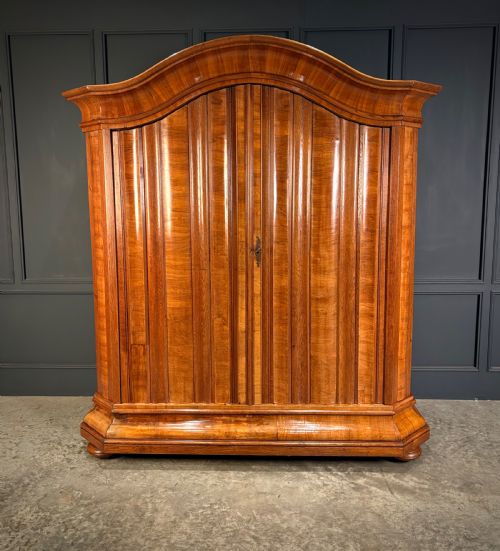


Arched Top Armoire
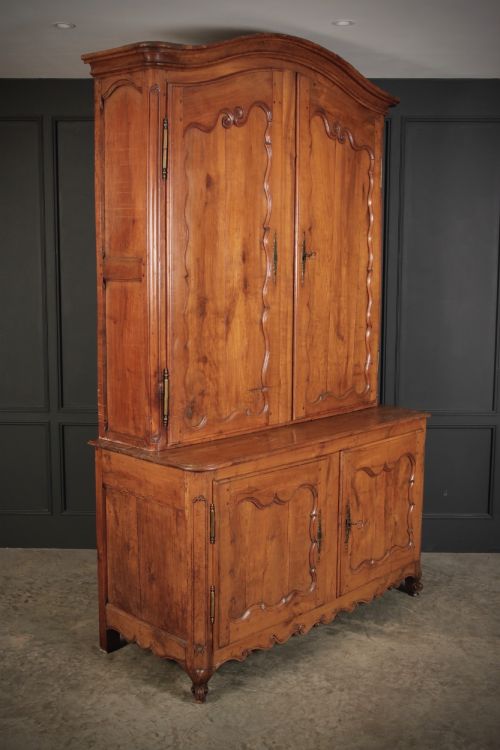
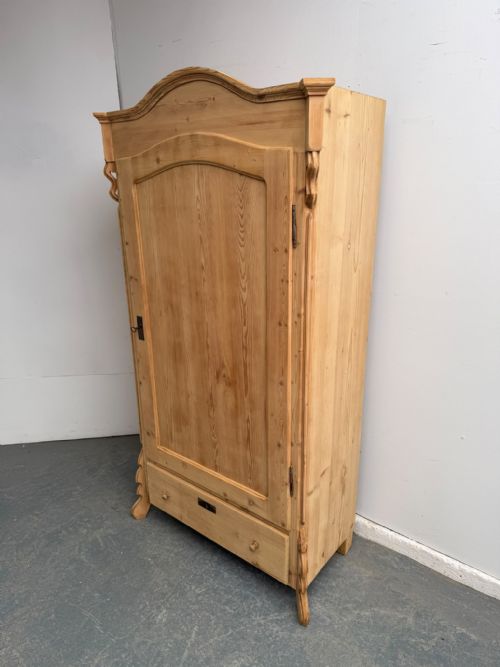
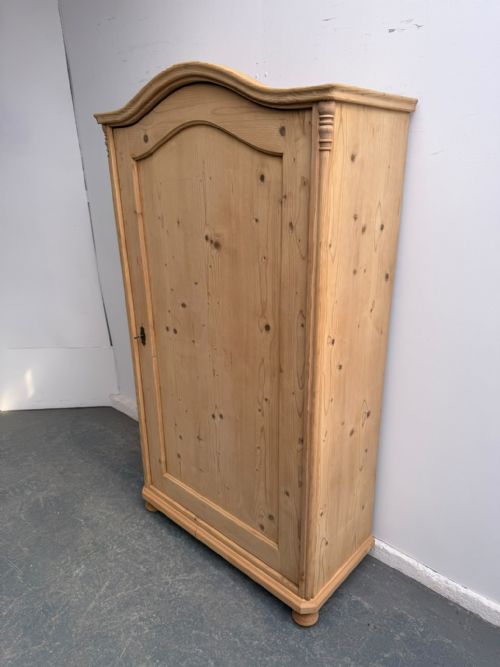
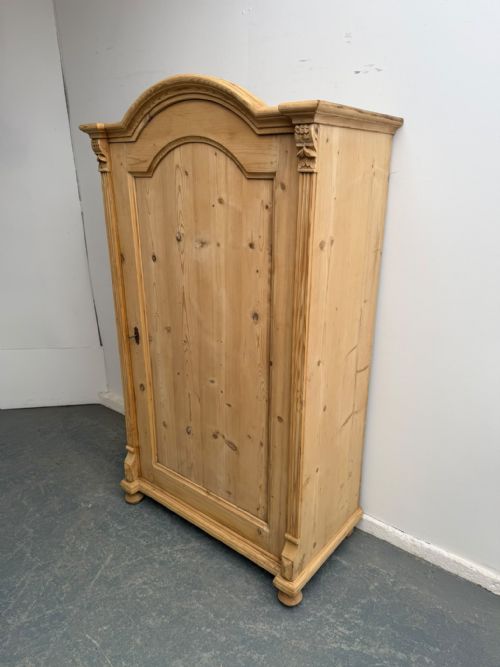
These arched top armoire pieces offer grand storage and period presence, bringing substantial timber cabinetry into your home.
Arched Top Armoire
An arched top armoire provides tall storage through double doors or single cabinet fronts topped by a curved crown. When you search for an arched top armoire, you encounter substantial timber furniture designed to hold garments, linens or household goods.
The pieces seen here span the eighteenth century and the Victorian era, alongside dates such as 1850, 1870, 1880 and 1890. Styles range from French Provincial and French Country to Continental Baroque, Dutch Rococo and German Provincial.
Pine forms many of the Victorian examples, often supplied ready to wax or paint. Hardwoods such as cherry, oak, walnut and burr walnut appear alongside iron and brass hardware.
How they were made
Surface finishes include original paintwork on nineteenth-century pieces, alongside polished burr walnut and waxed pine. Iron and brass provide structural hinges, locks and decorative key escutcheons.
Periods represented range from the eighteenth century through various Victorian decades up to 1890.
What varies in quality
The choice of timber dictates the character of the piece, moving from utilitarian pine intended for waxing or painting up to highly figured burr walnut and rich cherry. Selection of wood grain on the doors and panels determines the visual impact.
Proportion and decorative carved detail distinguish provincial items from elaborate Continental Baroque or Dutch Rococo cabinets. The integrity of the curved arched crown and the substantial nature of the timber frame establish the grade of the piece.
The Arched Top Armoire Glossary
- Armoire
- A large wardrobe or cupboard used primarily for hanging clothes or storing linen. These tall storage pieces typically feature one or two doors enclosing shelves or hanging space.
- Arched Top
- A curved architectural crowning element above the doors of a cabinet or wardrobe. This rounded upper profile softens the rectangular geometry of large timber storage pieces.
- Burr Walnut
- Timber taken from the warted excrescences of a walnut tree, yielding highly decorative swirling grain patterns. Cabinetmakers utilised this prized veneer on front panels of select nineteenth-century pieces.
- Knockdown
- Furniture designed to be dismantled into flat panels and uprights for ease of movement. This construction method proved particularly useful for large Victorian wardrobes destined for upper floors.
- Continental Baroque
- A flamboyant architectural and decorative style originating in Europe during the seventeenth and eighteenth centuries. Pieces from this tradition display exuberant curves and robust proportions.
Arched Top Armoire: Frequently Asked Questions
What is an arched top armoire used for?
These large timber pieces provide principal storage for garments, folded linens and household items within a bedroom or hallway. Their tall internal capacity accommodates hanging rails or adjustable shelving depending on the specific cabinet layout.
Historically, such wardrobes served as the primary clothes storage furniture before fitted bedroom closets became common. Today, they continue to function as heavy-duty storage while adding architectural weight to a room.
How do I care for a pine armoire?
Many Victorian pine examples arrive ready to wax or paint, allowing the owner to apply a protective finish suited to their interior. Regular application of beeswax maintains the timber and prevents the wood from drying out.
Keep wooden cabinets away from direct heat sources and dramatic humidity fluctuations to prevent timber movement. Gentle dusting with a dry cloth preserves the surface without stripping the wax.
How do I distinguish eighteenth century from Victorian pieces?
Eighteenth-century examples frequently employ dense hardwoods such as cherry, oak and walnut, displaying regional European styles like Dutch Rococo or German Provincial. These cabinets often exhibit hand-cut joinery and deep patination accumulated over centuries.
Victorian pieces on this page are predominantly constructed from pine, often associated with country workshops or knockdown wardrobe designs. The nineteenth-century examples also introduce burr walnut veneers and formal display formats.
Are these wardrobes easy to move?
Because these armoires are substantial items of furniture, moving them requires careful planning regarding doorway heights and ceiling clearances. Some Victorian pine versions utilise knockdown construction, allowing the carcase to separate into manageable panels.
Solid hardwood cabinets from the eighteenth and nineteenth centuries generally remain fully assembled and heavy. Professional furniture movers with experience in antique timber are recommended for transport.