

18th Century English Chairs
These 18th century English chairs offer tangible domestic history through period timber and regional seating design.
18th Century English Chairs
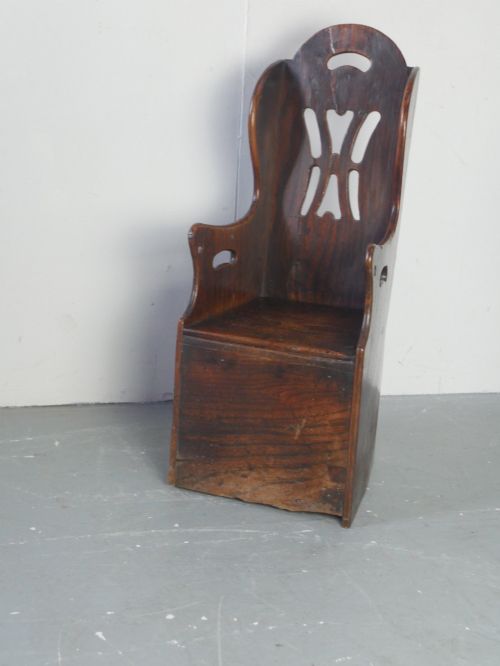
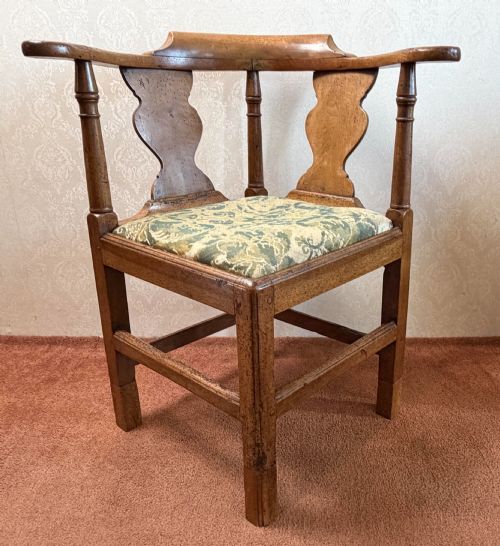
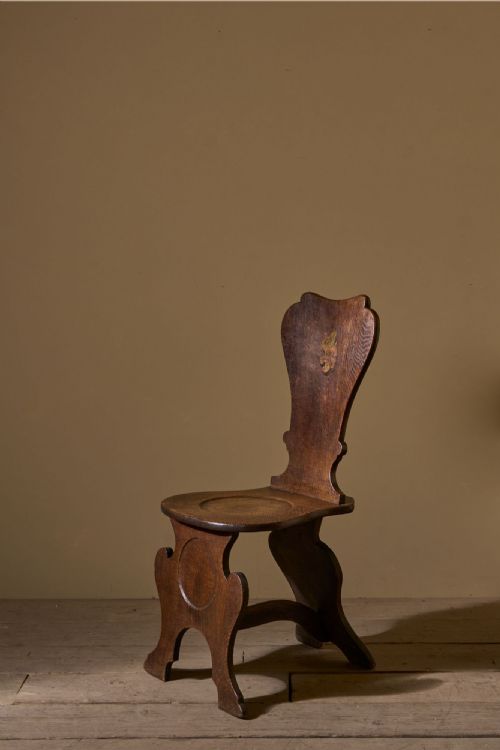
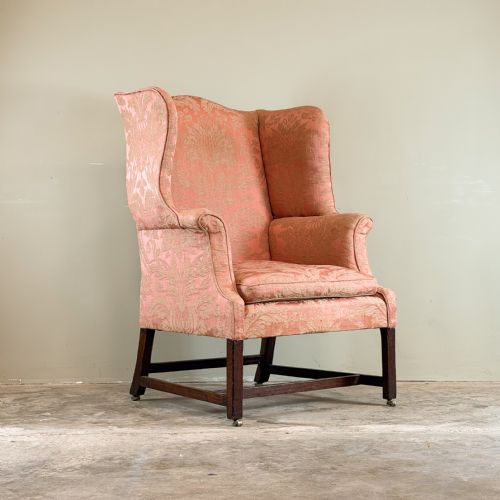
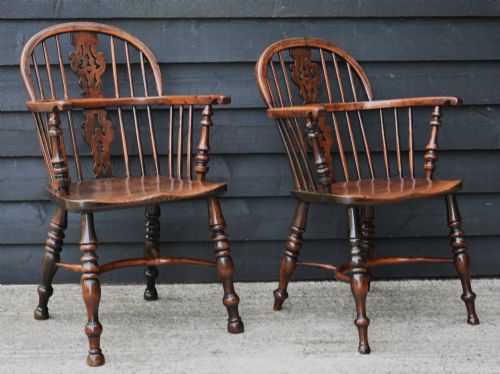
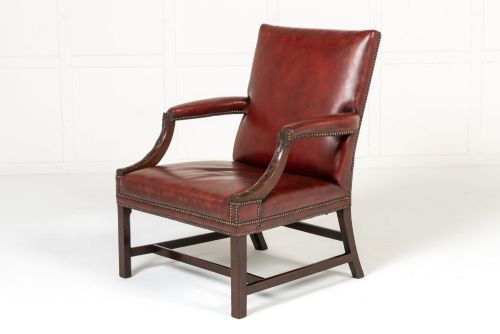
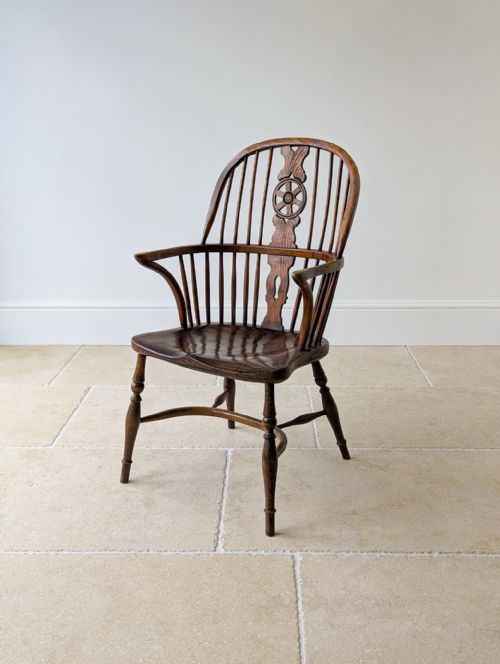
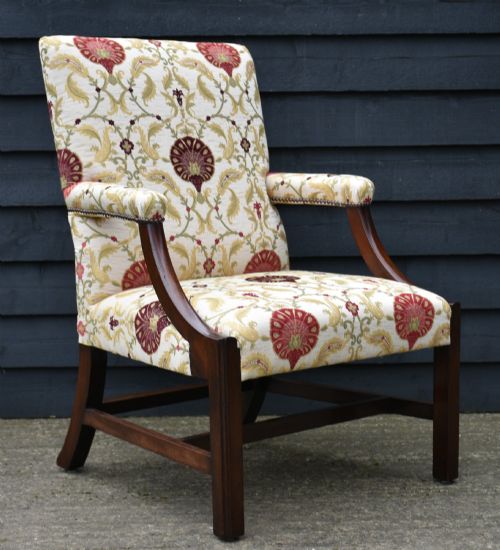
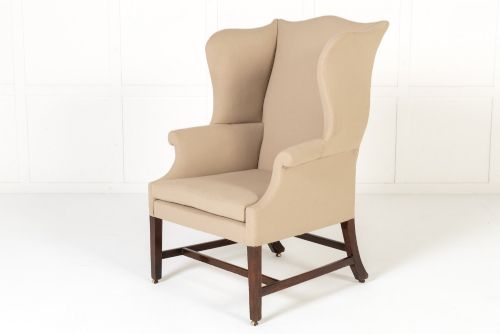
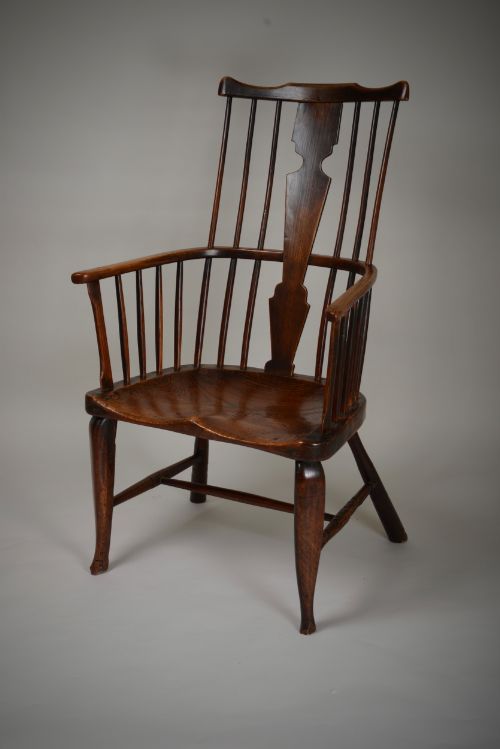
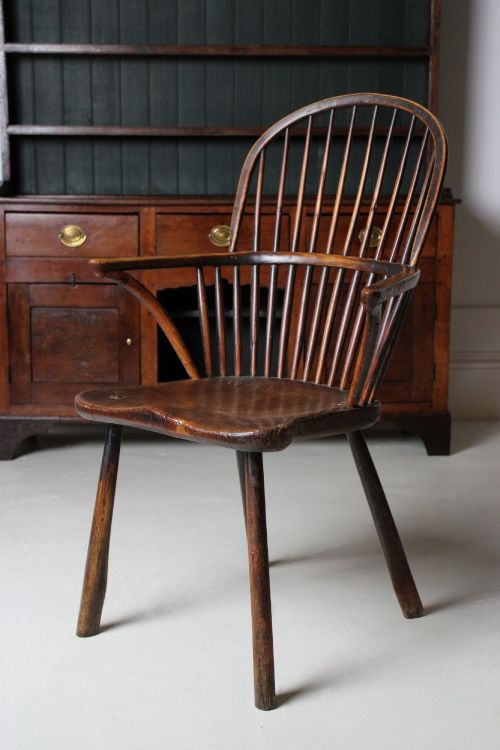
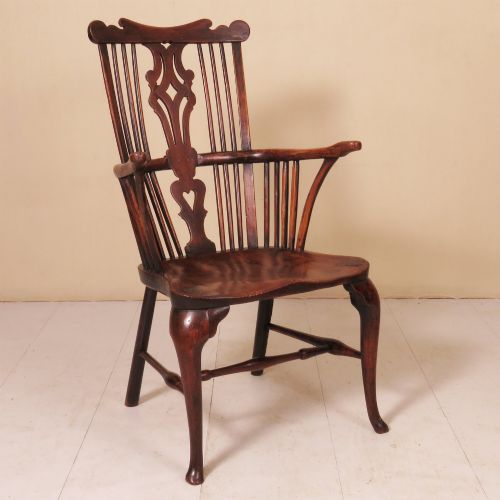
Buyers seeking 18th century English chairs encounter a diverse group of seating furniture, ranging from formal walnut and mahogany dining chairs to rustic country armchairs. The pieces on this page span vernacular forms like Windsor and lambing chairs alongside sophisticated Georgian designs including Gainsborough and wing chairs.
Regional workshops and urban cabinet makers produced these seats for specific domestic functions, from corner chairs and hall chairs to commode chairs and elbow chairs. Oak, elm, ash, and yew dominate the country vernacular output, whilst walnut and mahogany define the formal urban seating.
The survival of these chairs demonstrates centuries of domestic use, with many retaining original timber surfaces, drop-in seats, and regional turning. Buyers find single pieces, matched pairs, and sets that reflect the shifting fashions of the Georgian period.
How They Were Made
Cabinet makers and vernacular bodgers utilised solid native and imported timbers, combining mahogany, walnut, oak, elm, ash, and yew depending on whether a piece was urban or rural. Turners shaped spindles and legs on pole lathes, whilst joiners utilised mortise and tenon joints to construct rigid frames.
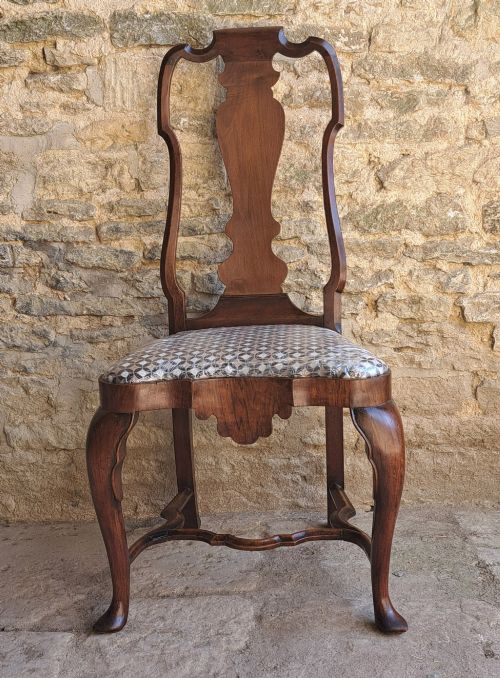
Carvers decorated mahogany and walnut chair backs with pierced splats, cabriole legs, and claw and ball feet, whilst country makers bent ash and yew for hoop backs and comb backs. Upholstered forms incorporated fabric over webbing and stuffing, and specific pieces featured brass hardware or painted finishes.
Listings feature 18th-century chairs in mahogany, oak, walnut, elm, ash, and yew across Georgian, Queen Anne, and vernacular styles.
What Varies in Quality
Quality rests upon the proportion of the frame, the crispness of carved details like pierced splats or cabriole legs, and the integrity of the timber. Originality of components, such as unreplaced legs and undisturbed turnings, separates superior examples from heavily altered pieces.
The choice and figuring of timber dictate the visual success of a chair, whether it is richly grained mahogany or a well-matched yew and elm Windsor combination. Construction methods, including precise joinery and honest wear, distinguish workshop standards across urban and country origins.
John Brand of Sleaford
The 18th Century English Chairs Glossary
- Windsor chair
- A wooden chair featuring a solid saddle-shaped seat into which separate legs and a back are wedged directly. These country chairs frequently combine ash, elm, and yew.
- Gainsborough chair
- A wide, upholstered armchair with open padded arms, short cabriole or straight legs, and a square back popular during the Georgian era. These comfortable seats suited writing desks and drawing rooms.
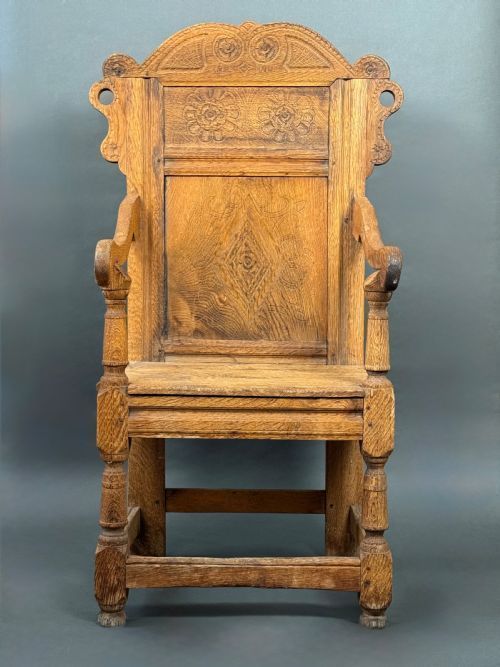
- Wainscot chair
- An early heavy wooden armchair constructed predominantly from oak with panelled backs and solid wooden seats. They represent substantial vernacular seating from domestic interiors.
- Commode chair
- An enclosed chair designed with a perforated seat to conceal a chamber pot beneath. Early Georgian examples often combined walnut or oak frames with hinged lids.
- Splats
- The vertical wooden strip down the centre of a chair back, often pierced and shaped in mahogany or walnut dining chairs. The design of the splat helps date the period of manufacture.
18th Century English Chairs: Frequently Asked Questions
What woods were used for 18th century English chairs?
Makers utilised a wide selection of timbers depending on the origin and function of the chair. Urban cabinet makers relied on imported mahogany and native walnut for formal parlour and dining seating.
Country makers turned to readily available regional woods, constructing Windsor and vernacular chairs from combinations of elm, ash, yew, and oak.
How do I identify a Georgian chair?
Georgian chairs display characteristic stylistic markers such as pierced mahogany splats, cabriole legs, and claw and back feet. The forms evolved from early heavy oak styles into lighter, carved mahogany and upholstered variants.
Proportions and decorative motifs shift across the century, moving from Queen Anne walnut curves towards later Hepplewhite and regional vernacular designs.
How do I live with antique chairs?
Placing antique chairs in daily interiors requires balanced indoor humidity to protect dry 18th-century timbers from splitting or warping. Using them gently preserves historic joinery and original polished surfaces.
Matched pairs and single elbow chairs integrate effectively as accent seating in modern or traditional rooms alike.