



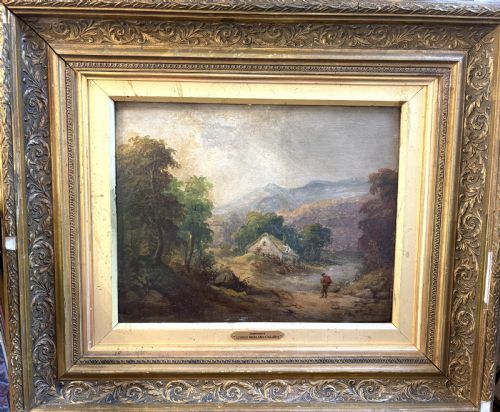
18th Century English Artwork
When you search for 18th century english artwork, you encounter painted portraits, topographical landscapes, and framed prints capturing the visual character of the period.
18th Century English Artwork
Buyers exploring 18th century english artwork typically encounter oil paintings on canvas, framed prints, watercolours, and drawings spanning the Georgian era and surrounding decades.
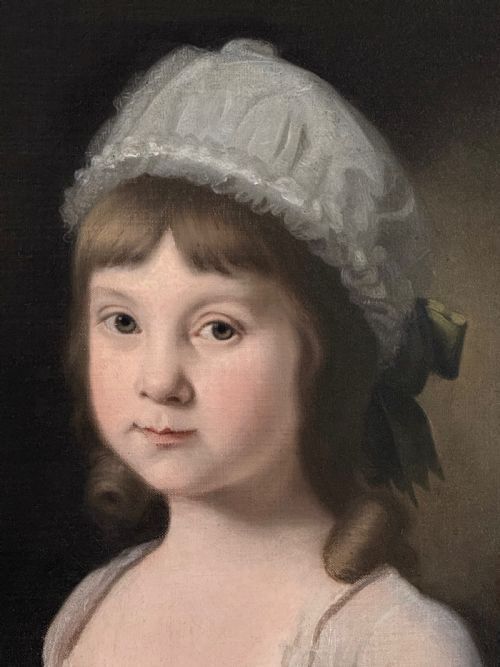
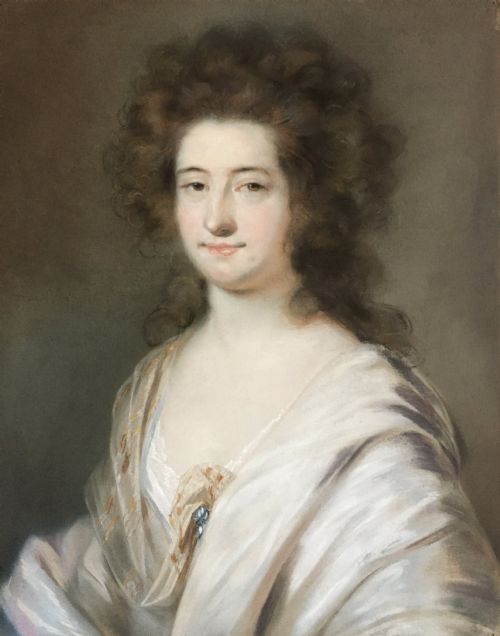
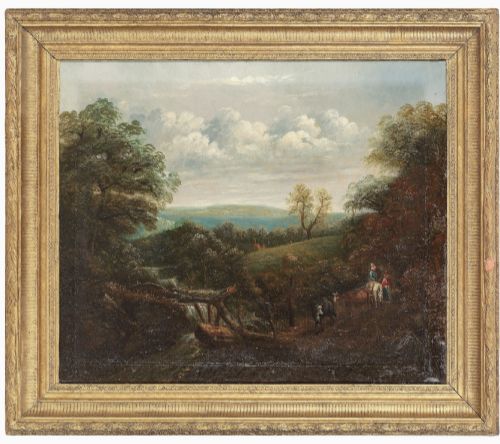
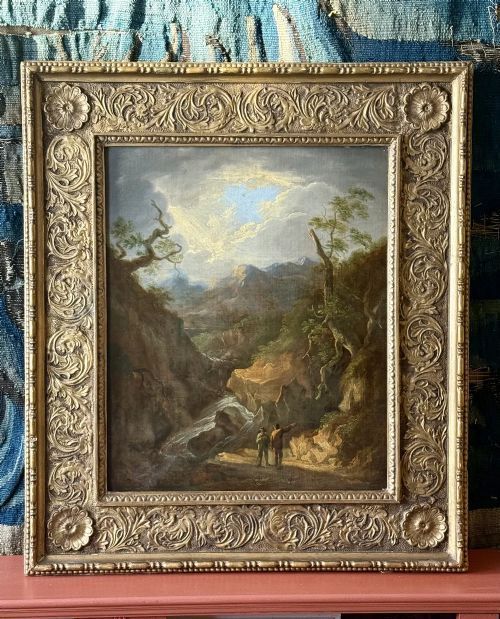
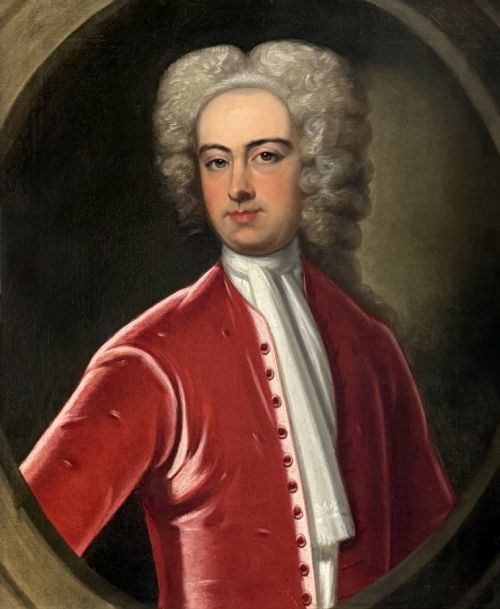
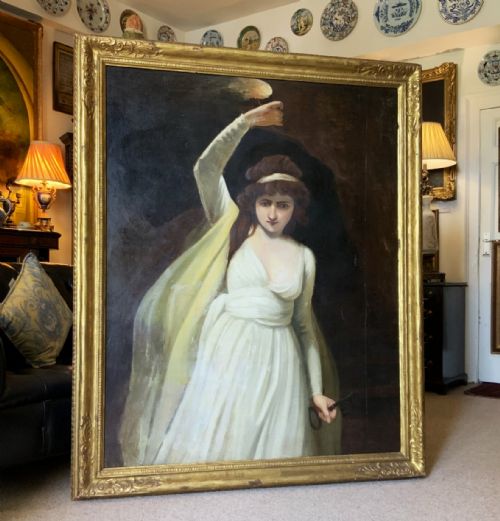
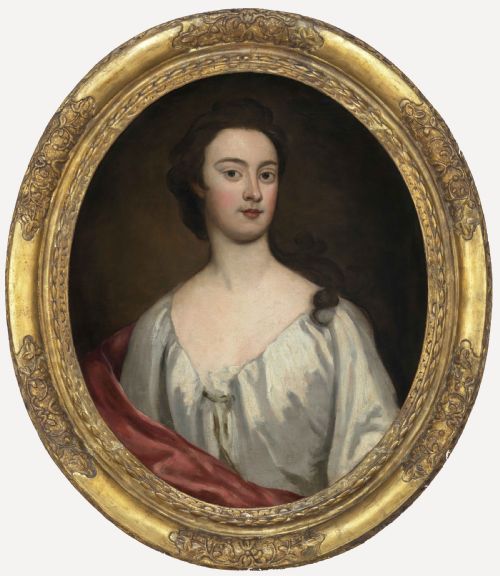
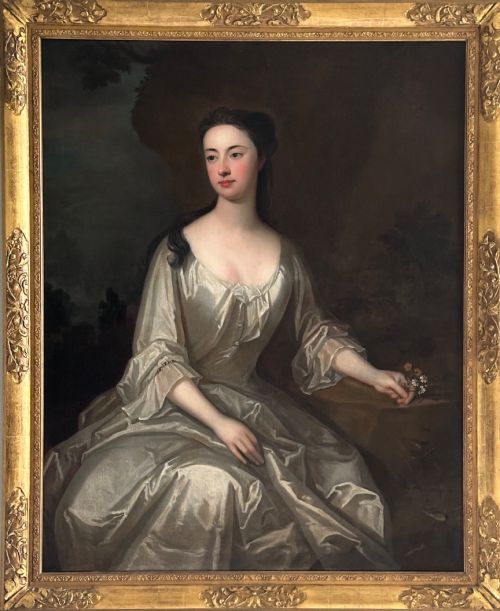
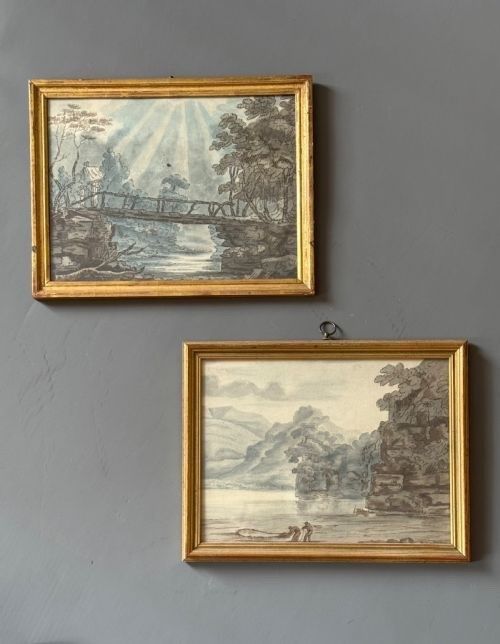
The most common forms on this page are portraits of ladies, gentlemen, and children, alongside country landscapes, coastal scenes, and pastoral views.
Many works connect directly to known regional traditions such as the Norwich School or English country folk art, reflecting domestic taste and landscape appreciation.
Materials and methods
Painters utilised oil paint on canvas or board, applying pigments to build up layered compositions of figures and settings.
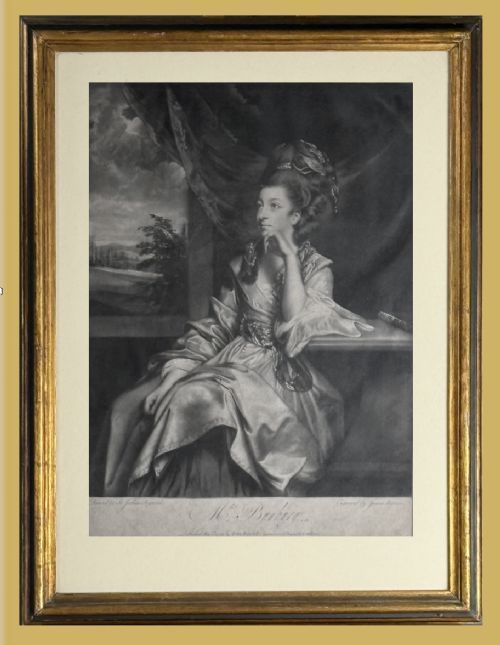
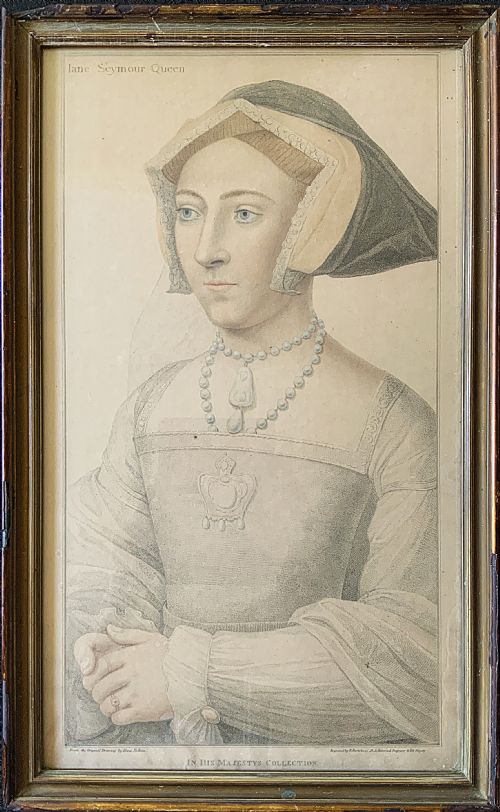
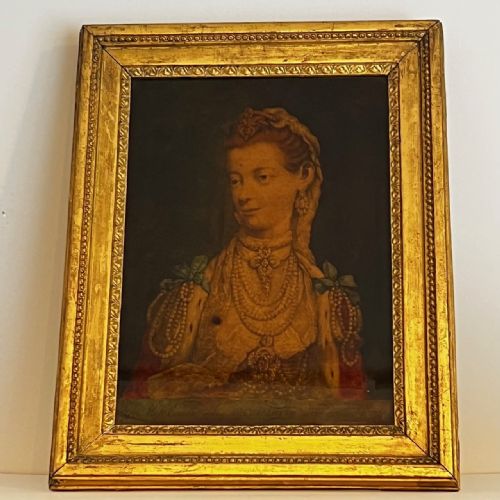
Works on paper incorporate watercolour, pen and ink, pastel, and gouache, often paired with hand-coloured aquatints and mezzotint engraving techniques.
Framing forms an integral part of the physical object, utilising carved and gilded wood known as giltwood to enclose the canvas or paper.
Among the historical sitters, a racehorse named Creeping Molly shares space with Georgian gentlefolk and sailors.
Distinctions in quality
The distinction between standard decorative pieces and top-tier works rests on the confidence of the brushwork and the anatomical precision of portrait subjects.
Compositional balance and atmospheric depth separate routine topographical sketches from masterworks created by established painters of the period.
The integrity of the original support, whether canvas, panel, or paper, combined with the preservation of surface pigment, dictates the standing of each piece.
Sir Joshua Reynolds·George Morland·John Opie·Joseph Farington·Charles Jervas
The 18th Century English Artwork Glossary
- Mezzotint
- A printmaking process of the scraperboard family allowing half-tints to be produced without line work. It creates subtle gradations of light and dark suited to portrait reproduction.
- Giltwood
- Wood carved and coated with a thin layer of gold leaf or gold paint. It provides ornate, reflective borders for oil paintings.
- Aquatint
- A variant of etched printmaking that produces areas resembling watercolour washes. It was frequently employed for topographical and landscape prints.
- Pastel
- A medium consisting of powdered pigment bound with a gum binder, applied as dry sticks onto paper. It yields a soft, matt surface texture.
- Genre painting
- The pictorial representation of scenes from everyday life, involving domestic interiors or figures engaged in common pursuits.
18th Century English Artwork: Frequently Asked Questions
What subjects appear most frequently in these artworks?
Portraits dominate the selection, featuring individual sitters, family groups, and children depicted in formal attire or pastoral settings.
Landscapes and rural views also feature prominently, recording country paths, lakes, and rustic cottages.
How do I identify a period frame?
Period frames often utilise carved giltwood construction with distinct moulding profiles appropriate to the Georgian era.
Original frames match the scale and proportions of the artwork they enclose, showing consistent age across the gilt surface.
Are these works painted on canvas or panel?
Oil paintings from this era appear on stretched canvas or wooden boards depending on the artist's preference and the scale of the composition.
Smaller topographical views and preparatory sketches utilise paper or panel supports.
How should I care for an antique oil painting?
Keep the artwork away from direct sunlight and maintain stable room humidity to protect the canvas and underlying wooden stretcher.
Dust the surface gently with a soft, dry brush and avoid chemical cleaning agents on the paint or giltwood frame.