


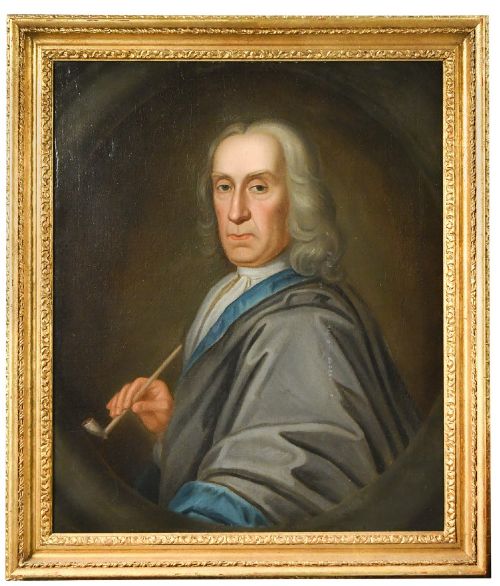
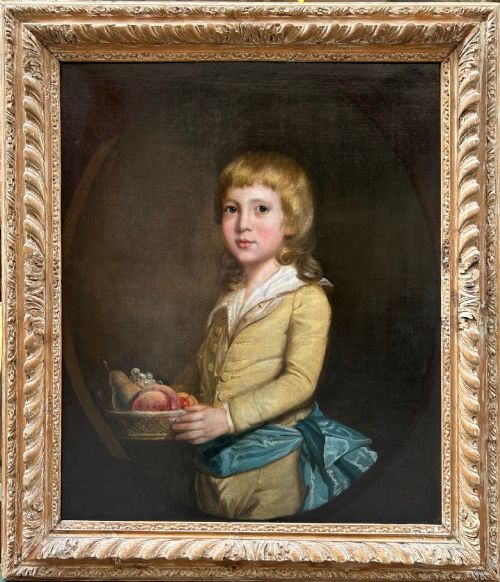
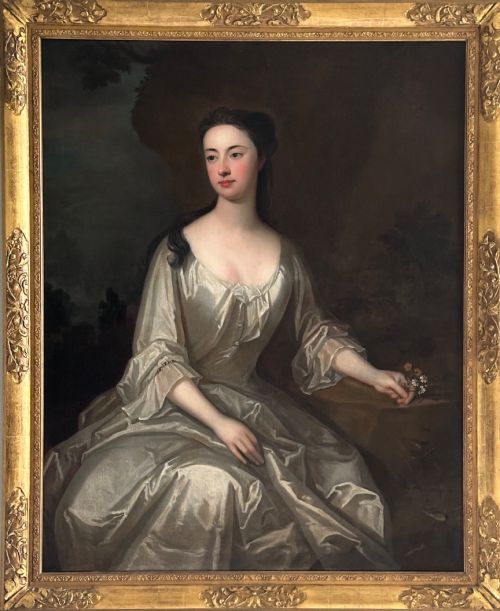
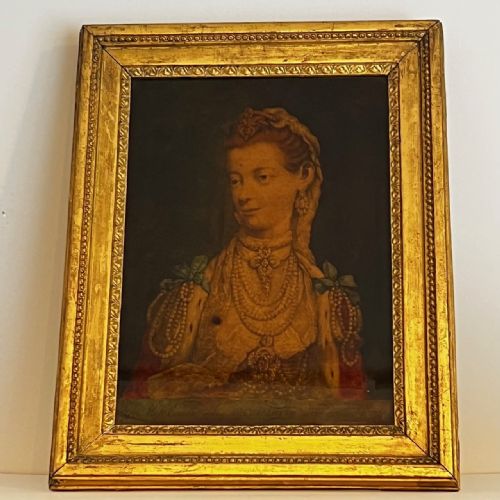
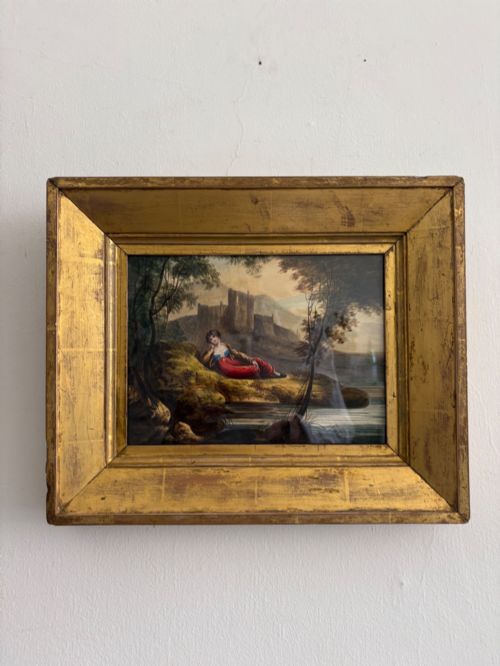
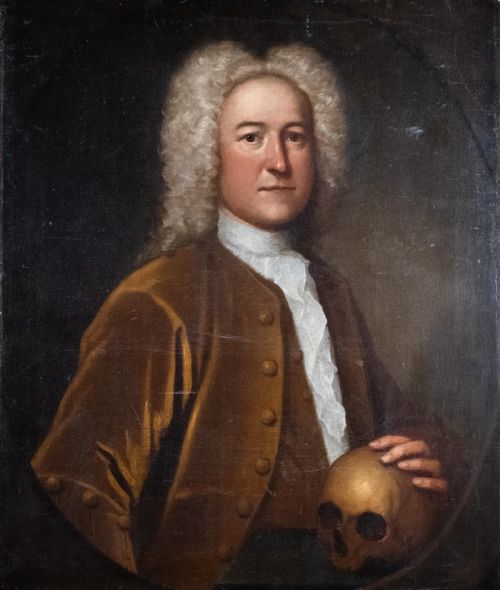
Georgian English School Portrait
A georgian english school portrait captures the dignified likenesses of past centuries in oils, pastels, and pencil.
Georgian English School Portrait
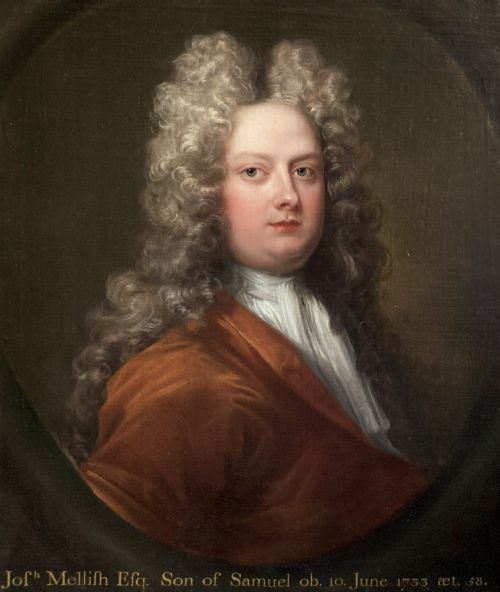
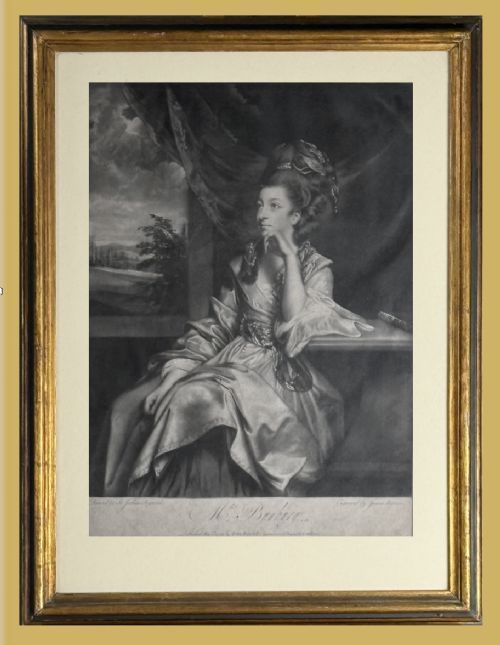
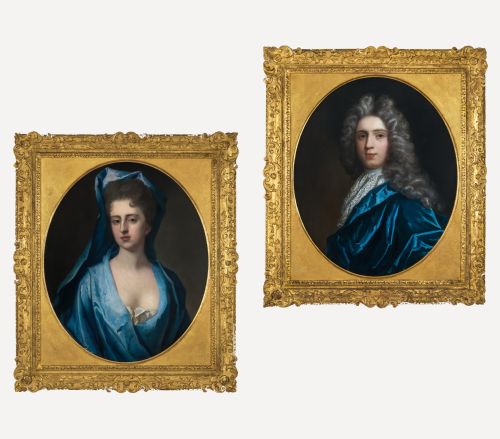
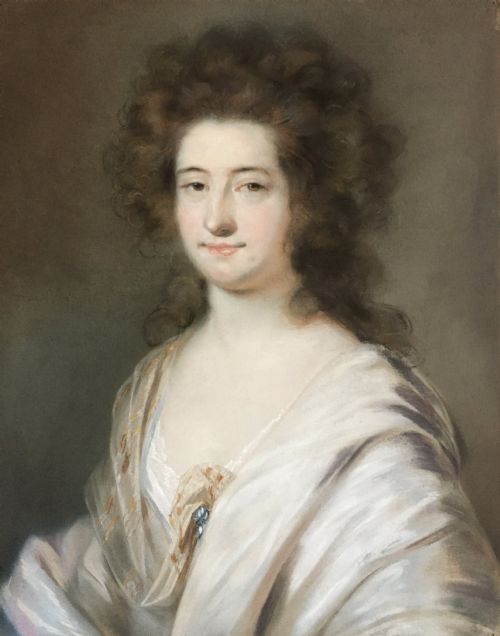
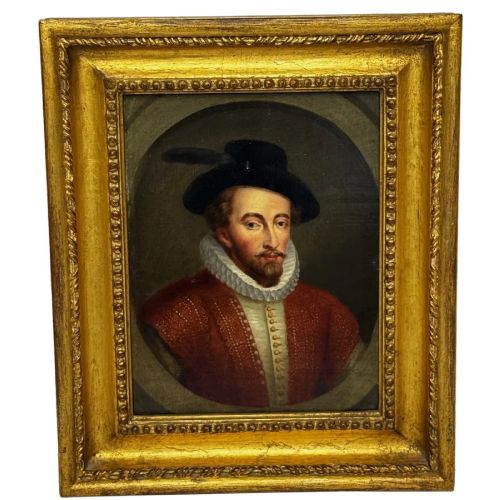
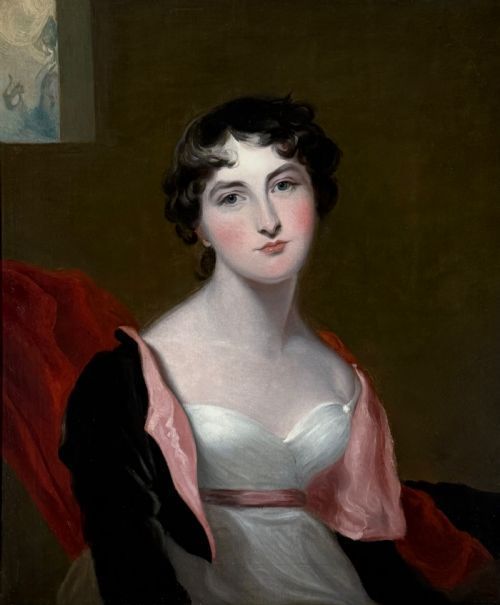
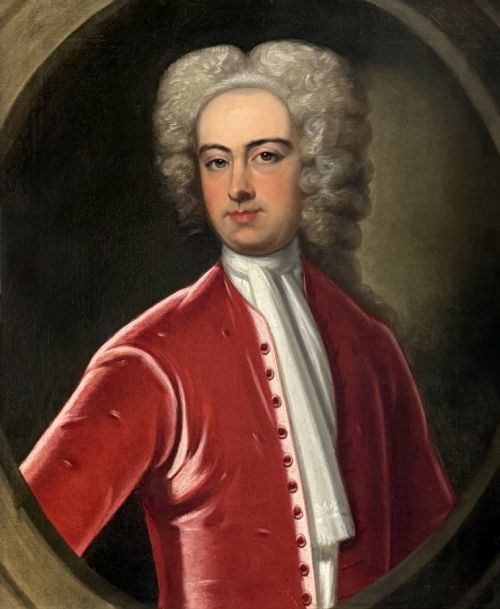
A georgian english school portrait represents the enduring tradition of British portraiture spanning the seventeenth, eighteenth, and nineteenth centuries. Buyers encountering this selection will discover oil paintings on canvas alongside pastels, watercolours, and pencil drawings reflecting Georgian and Regency aesthetics.
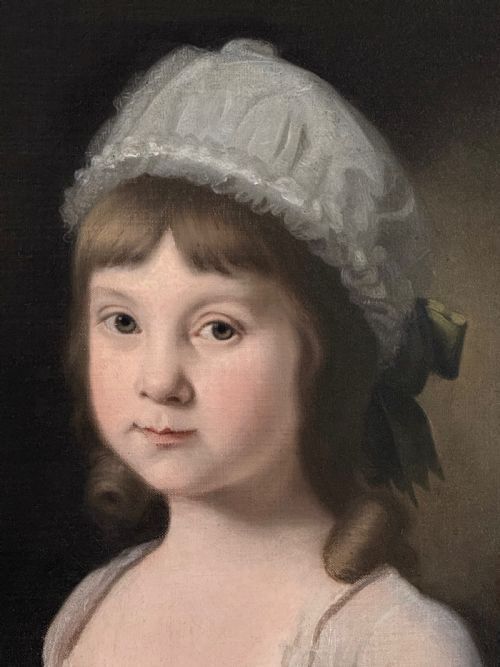
The assortment ranges from formal depictions of gentlemen in crimson coats and ladies in silk gowns to intimate studies of children and family groups. Many works originate from named practitioners, while others belong to regional circles or anonymous studios operating within the broader British school.
Materials and construction
The majority of pieces utilise oil paint applied to woven canvas stretched over wooden frames, occasionally laid onto wooden panels for structural support. Artists also worked in pastel on paper, watercolour, and enamel to achieve fine facial detailing and luminous textures.
Listings feature oil on canvas, pastel, and watercolour works spanning the seventeenth to the nineteenth century.
Assessing artistic merit
The preservation of the pigment layer, the absence of excessive retouching, and the presence of a period-appropriate giltwood frame significantly influence the desirability of the piece. The handling of background landscapes and secondary details further distinguishes high-calibre works from standard decorative examples.
Sir William Beechey·Charles Jervas·Henry Bone·Joshua Reynolds·James Watson·Michael Dahl·Thomas Murray·John Russell·Thomas Lawrence·Thomas Beach·Adriana Verelst·Joseph Highmore·Arthur Pond·George Knapton·George Hayter·John Hoppner·Henry Singleton·Clifton Tomson·William Egley
The Georgian English School Portrait Glossary
- English School
- A term denoting artists trained or working in Britain, encompassing named masters and anonymous regional painters alike. It provides a broad classification for indigenous artistic production.
- Circle of
- An attribution used when a painting shows the direct influence and style of a major master, likely produced by an artist working in close association with them.
- Giltwood
- Timber carved and coated with a thin layer of gold leaf, commonly used for traditional picture frames throughout the Georgian and Regency eras.
- Pastel
- A medium consisting of powdered pigment and a binder, utilised extensively for delicate portraiture on paper during the eighteenth century.
Georgian English School Portrait: Frequently Asked Questions
What is an English School portrait?
An English School portrait refers to a painting or drawing created by an artist working within the British artistic tradition during specific historical periods.
These works range from formal oil paintings by prominent academy members to anonymous studies produced by regional workshops.
How do I date a Georgian portrait?
Dating relies upon examining costume details, hairstyle, painting technique, and framing methods typical of the eighteenth or early nineteenth century.
Inscribed canvases and biographical records of the sitter also help establish a reliable timeframe for the artwork.
What materials were used by Georgian artists?
Artists of the period predominantly used oil paint on stretched canvas supported by wooden stretcher frames.
Alternative mediums included pastel on paper, watercolour, enamel, and reverse glass printing techniques.
How should I care for antique oil portraits?
Antique portraits require stable indoor environments away from direct sunlight and extreme fluctuations in temperature or humidity.
Canvas surfaces should be kept free of dust using a soft, dry brush without applying liquid cleaning solutions.