

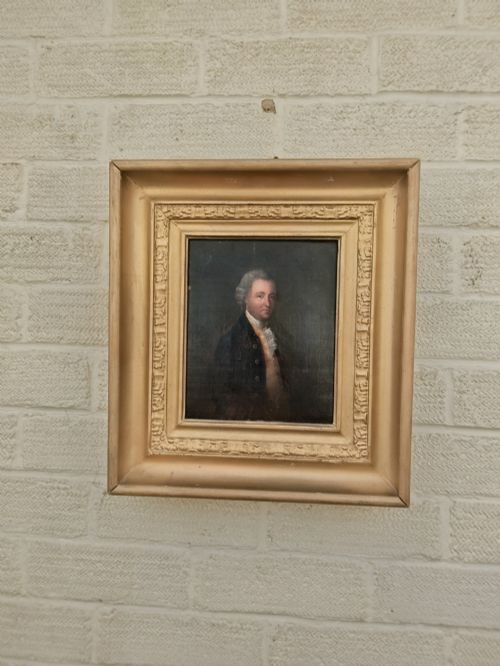
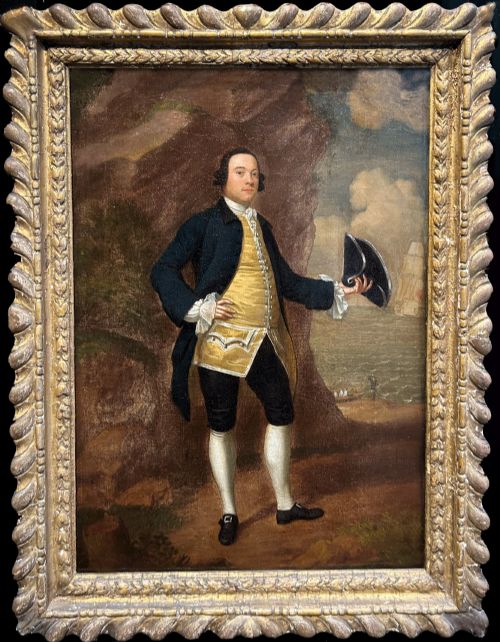
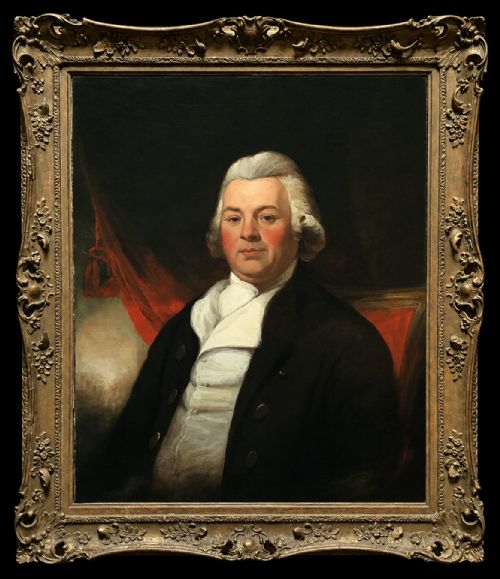
Georgian Male Portrait Oil
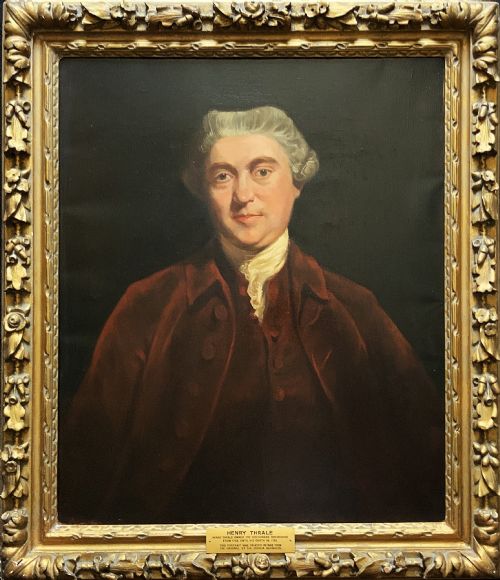
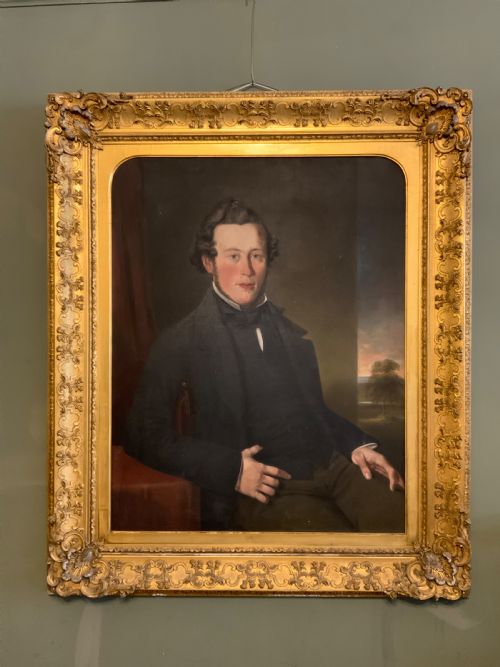
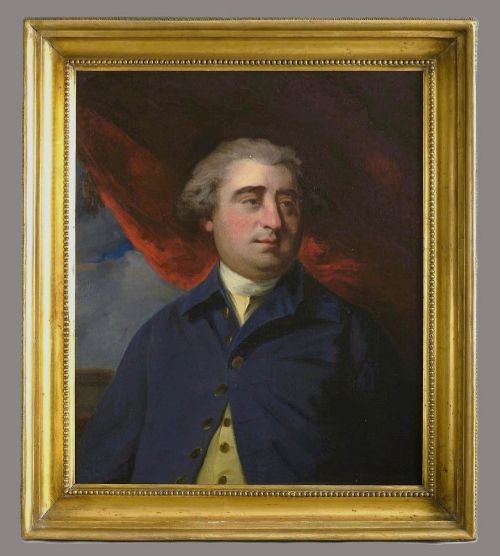
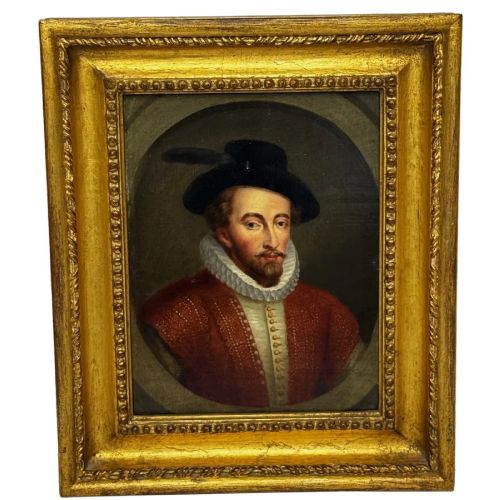
A georgian male portrait oil captures the formidable presence of gentlemen, scholars, and medical doctors rendered on canvas.
Georgian Male Portrait Oil
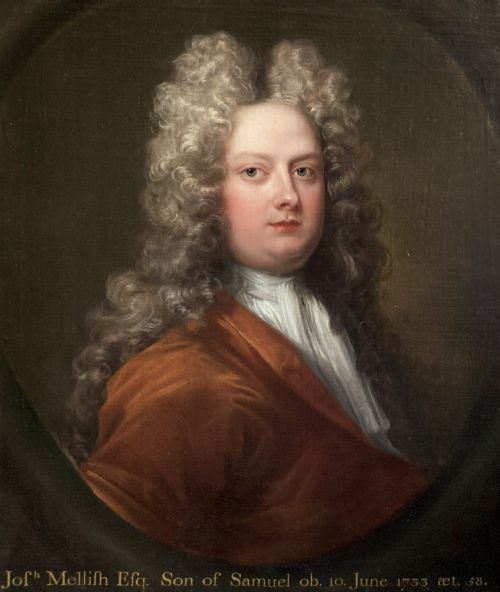
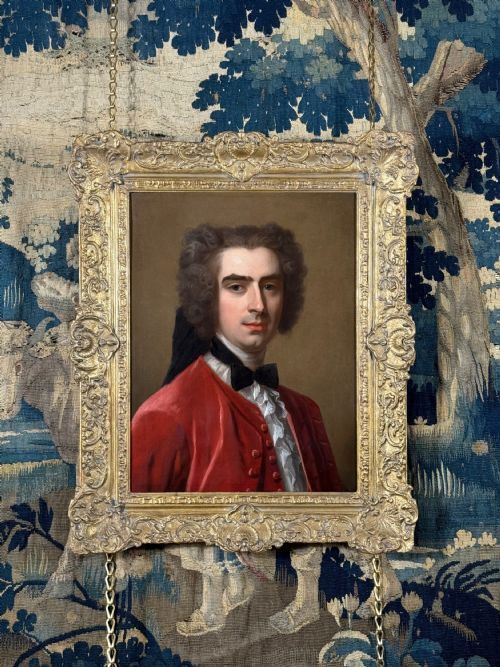
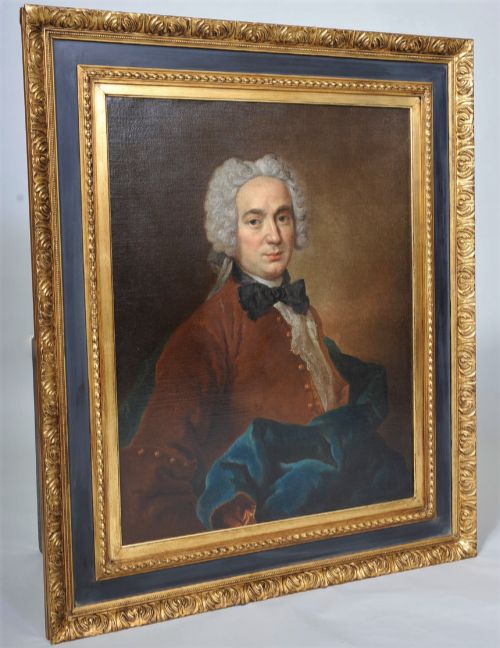
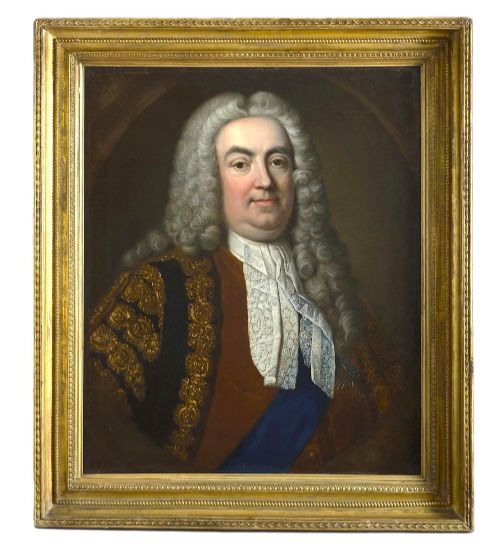
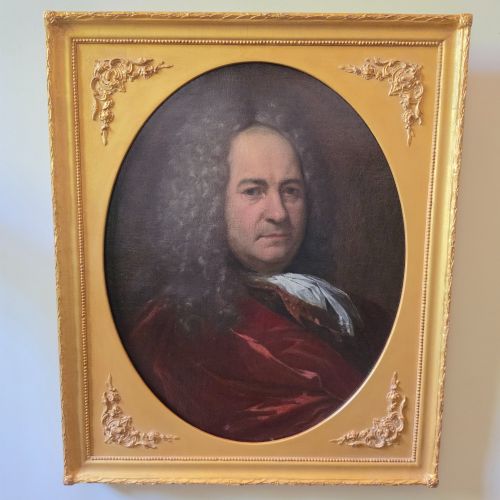
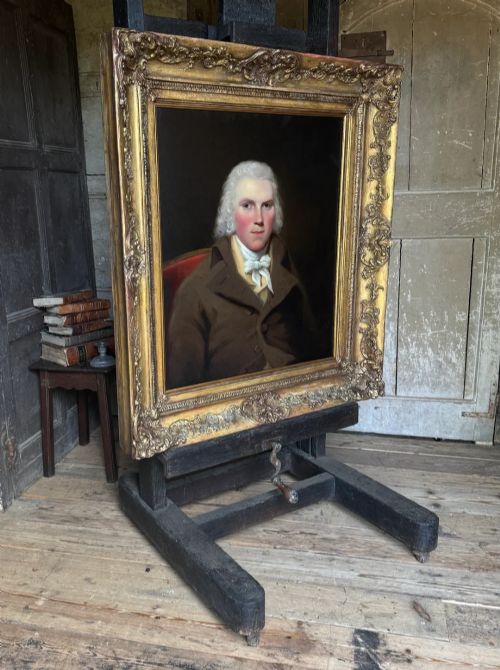
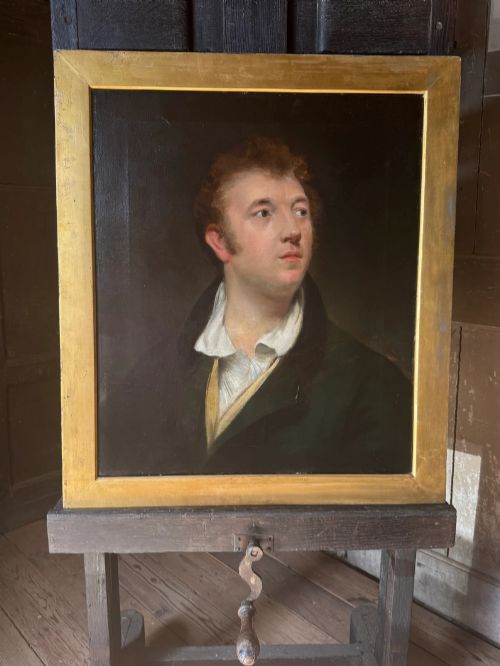
A georgian male portrait oil depicts individual gentlemen, physicians, and historical figures primarily across the eighteenth and nineteenth centuries. These works emerge from distinct schools including British, Scottish, and French traditions, capturing subjects in formal attire such as scarlet jackets or lace jabots.
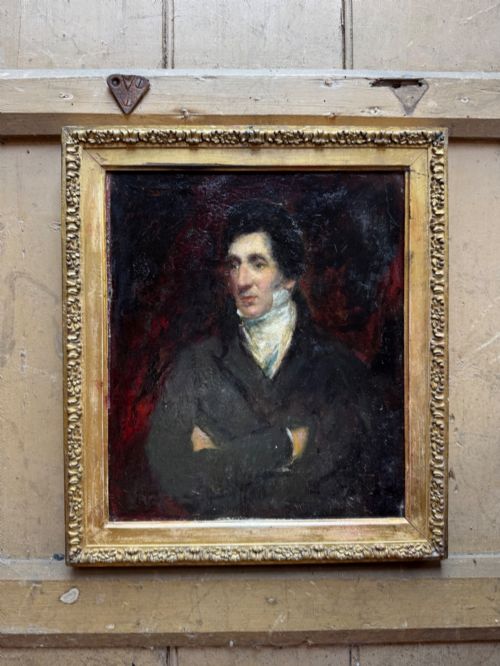
The versions met most frequently on this page span the 18th century, Regency period, and early 19th century. They range from formal studio commissions to provincial portrayals and naive depictions on canvas.
Subjects often include identified historical figures, physicians, and privateers, alongside anonymous gentlemen whose identities remain recorded through back inscriptions or later archival notes.
Materials and construction
These works are painted primarily in oil on canvas, utilising oil paint applied to stretched fabric grounds. Many pieces retain their original or period wooden frames, often finished in gold leaf or giltwood.
Techniques range from polished studio practices associated with established portraitists to primitive and circle-of-the-master methods executed by regional workshops.
Several gentlemen on this page stare down viewers while clutching medical skulls or sporting remarkably vibrant crimson coats.
Distinguishing execution
Attribution also alters significance, distinguishing signed or closely attributed works by known practitioners from broader regional school pieces.
SIR WILLIAM BEECHEY R.A·CHARLES JERVAS·JEAN-BAPTISTE VAN LOO·SIR JOSHUA REYNOLDS·ALLAN RAMSEY·JAMES HOWE·FRANCIS HAYMAN·GEORGE WATSON·MICHAEL DAHL·THOMAS HUDSON·JOSEPH HIGHMORE·JOHN HAMILTON MORTIMER·NICOLAS DE LARGILLIÈRE
The Georgian Male Portrait Oil Glossary
- Oil on Canvas
- Pigment mixed with drying oil applied to a woven fabric support. This surface became the standard ground for formal portraiture throughout the Georgian era.
- Giltwood
- Wood carved and covered with a thin layer of gold leaf or gold paint. Frames executed in this technique surround many period canvases.
- Regency
- The period in British history from 1811 to 1820, characterised by distinct artistic and portraiture styles that bridge Georgian formality and Victorian sentiment.
- Circle of
- A designation used when a painting is executed by an unidentified artist working closely alongside a master in the same studio environment.
- Jabot
- A decorative ruffle attached to the front of a shirt, frequently visible in mid-18th-century male portraits.
Georgian Male Portrait Oil: Frequently Asked Questions
How can I date a georgian male portrait oil?
Dating relies on stylistic clues such as the cut of a gentleman's coat, the style of his wig or hair, and any accompanying canvas inscriptions.
Period framing and stretcher construction also provide physical evidence that helps narrow the decade of creation.
What is the difference between studio work and circle pieces?
Studio works were produced under the direct supervision or within the active workshop of a named master portraitist.
Circle pieces denote independent artists working in a similar style during the same active period without direct master supervision.
Where were these portraits originally displayed?
These works hung primarily in the reception rooms, libraries, and galleries of country houses, town residences, and institutional headquarters.
They served to record lineage, professional status, and civic achievement for family members and visitors.
Why do some portraits depict subjects holding objects?
Objects such as skulls, books, or medical instruments indicated the profession, scholarly pursuits, or philosophical interests of the sitter.
A physician might hold a volume or anatomical item to signal his specific education and standing.