







18th Century Dutch Table
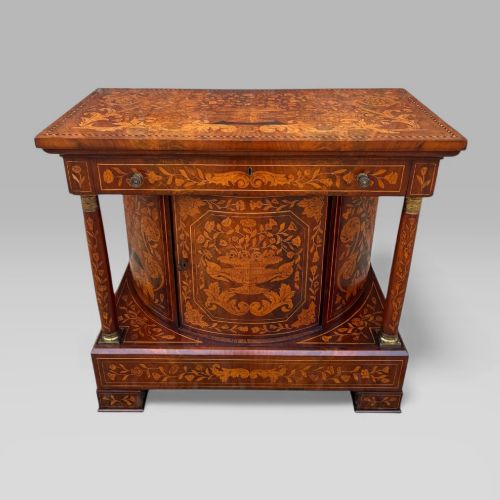
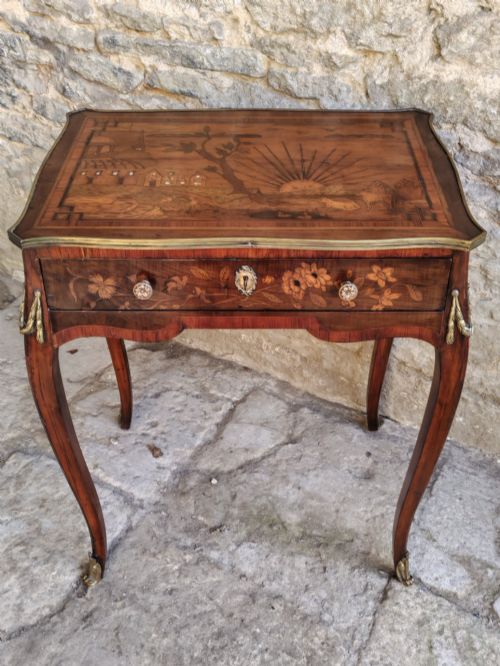
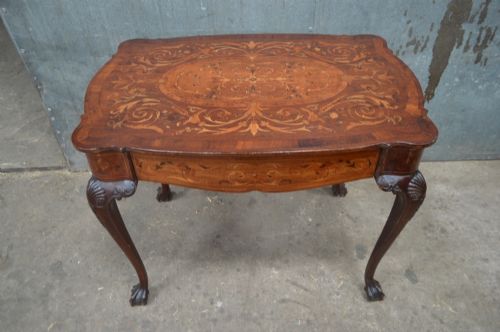
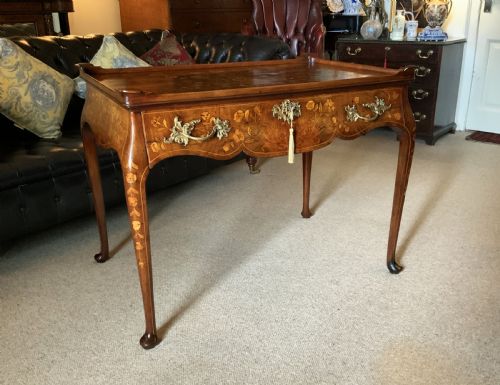
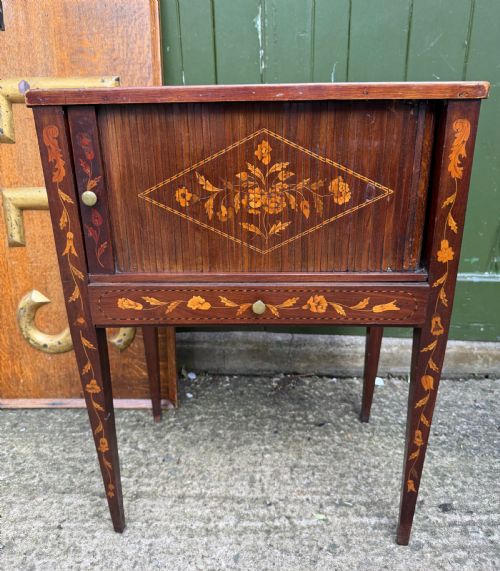
An 18th century dutch table brings rich floral marquetry and warm walnut surfaces into a room, offering both generous proportion and intricate detail.
18th Century Dutch Table
The 18th century dutch table encompasses a diverse array of forms, from serpentine side tables and card tables to robust oak dresser bases and architects tables. These pieces originate primarily from the 18th century and Georgian periods, showcasing distinct regional iterations that reflect domestic life and entertaining habits of the era.
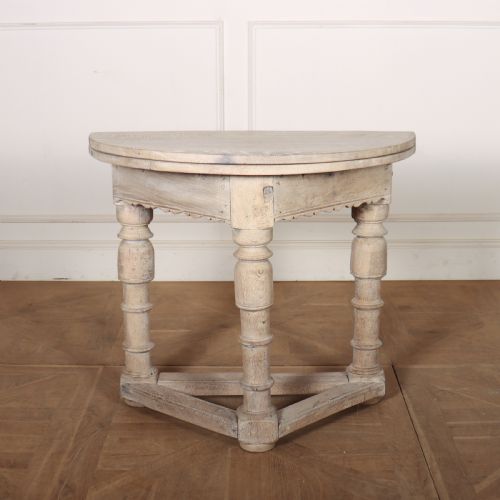
Side tables and console tables dominate the selection, frequently decorated with elaborate floral or bird marquetry executed in contrasting woods. Buyers frequently encounter variants featuring demi-lune shapes, gate-leg structures, and specialised games or tea surfaces designed for historic salons.
Materials and Construction
Cabinet makers utilised a foundation of solid oak, walnut, mahogany, or fruitwood, layering fine veneers upon the primary carcass to prepare surfaces for extensive inlay. Fruitwood marquetry, ebony, and parquetry create pictorial panels of flowers and birds that define the visual weight of these furnishings.
Secondary detailing incorporates cast brass handles, feet, and heavy gauge tobacco boxes, whilst structural joinery employs period techniques suited to folding card tables, tilt-top mechanisms, and cabinet doors.
18th Century Dutch Table Retail Price Guide 2026
Typical asking prices for 18th century dutch table among the pieces listed under this phrase on Sellingantiques today, from the lower quarter to the upper quarter. They describe what is for sale here now, not the wider market.
Several items double as domestic storage, hiding tambour fronts and pot cupboard interiors behind decorative floral facades.
The Measure of Craft
Distinction between pieces rests upon the precision of the marquetry cutter and the depth of the timber figuring, where burr-walnut and finely shaded floral inlays command attention. The harmony of proportion between the leg form - whether cabriole, tapered, or baluster - and the moulded top determines the visual balance of the table.
The integrity of the structural carcase, the retention of original brass hardware, and the crispness of edge mouldings separate everyday utilitarian examples from masterworks designed for formal reception rooms.
The 18th Century Dutch Table Glossary
- Marquetry
- Decorative veneer applied to a furniture structure in patterns forming pictures or floral designs. Artisans cut contrasting woods together to achieve tight joints.
- Demi-lune
- A half-moon shape characteristic of console tables and cabinets designed to sit flush against a wall. These forms often feature hinged tops or tambour fronts.
- Lowboy
- A small table with one or more drawers, standing on relatively tall legs. They serve as dressing tables or side tables in domestic interiors.
- Parquetry
- Geometric wood mosaic work used for flooring or furniture surfaces. It utilises contrasting tones to create repeating angular patterns.
- Silver Table
- A small ceremonial table used for serving tea or displaying silver vessels. They frequently exhibit raised edges or delicate tray tops.
18th Century Dutch Table: Frequently Asked Questions
How do I care for an antique marquetry table?
Keep the timber away from direct heat sources and strong sunlight to prevent the veneers from drying and lifting. Apply traditional beeswax periodically to nourish the wood and maintain a soft sheen.
Avoid placing wet glasses or heavy ceramic objects directly on the polished surface without protective coasters. Gentle dusting with a dry lint-free cloth preserves the delicate inlay work.
Were these tables used for dining?
Most surviving examples serve as side tables, console tables, or specialised games and tea tables rather than primary dining surfaces. Their dimensions suit hallways, drawing rooms, and perimeters rather than central dining spaces.
Card tables and tea tables feature folding leaves or pull-out supports intended for evening entertainment and social gatherings.
What defines Dutch Rococo style on furniture?
Dutch Rococo pieces display asymmetrical scrolls, cabriole legs, and naturalistic motifs inspired by French designs but interpreted with local restraint. The carving remains robust, often paired with dense floral marquetry.
Surfaces curve gently without sharp angles, integrating the structural supports seamlessly into the overall silhouette of the table.
How do I distinguish walnut from fruitwood?
Walnut displays a darker, rich brown tone with prominent grain patterns and sometimes swirling burr formations. It provides a heavier visual and physical weight to the furniture.
Fruitwood exhibits a warmer, lighter hue with a tighter, more uniform grain structure, making it ideal for the intricate shading required in floral inlay work.