
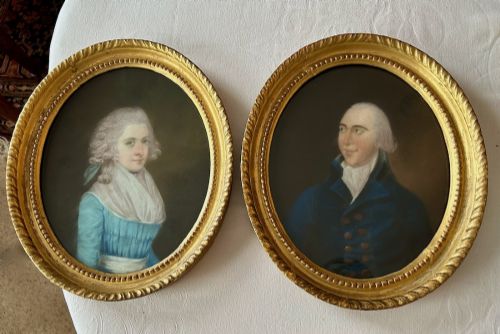
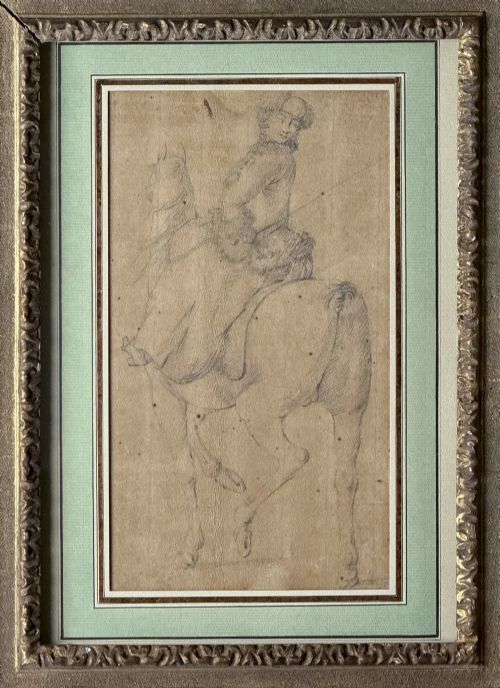
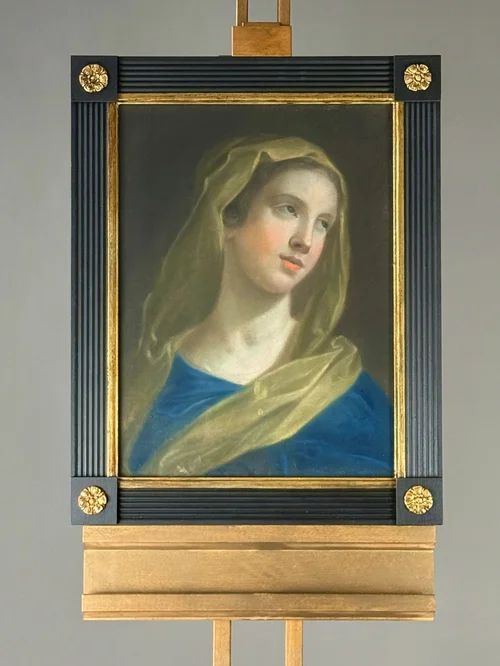
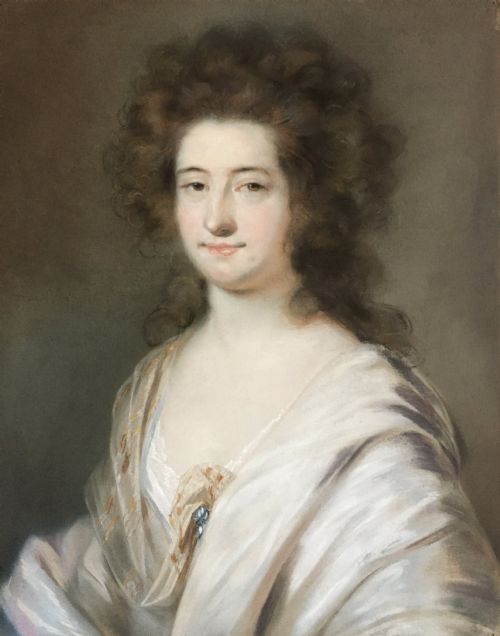


18th Century Drawing
When you search for an 18th century drawing, you are looking at works on paper rendered in ink, pastel, chalk, and graphite during the Georgian era.
18th Century Drawing
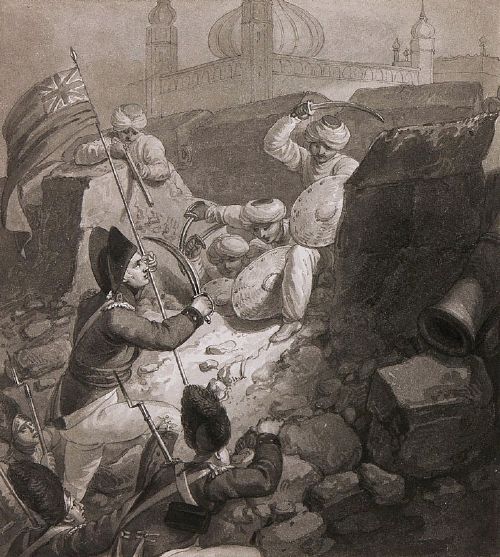
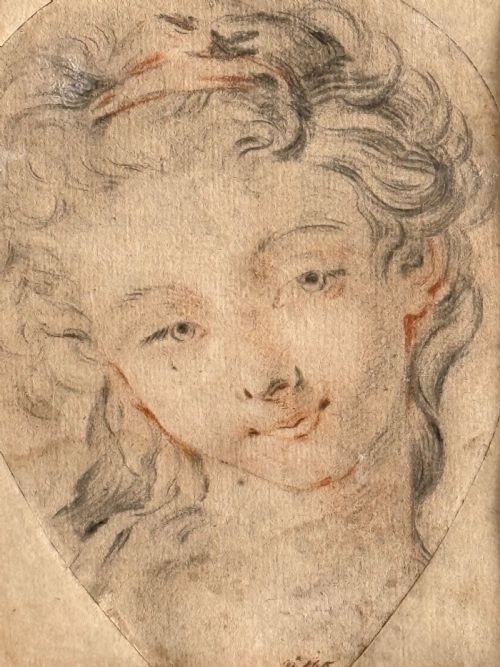
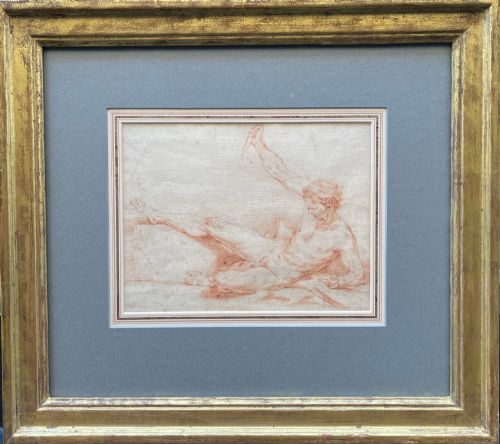
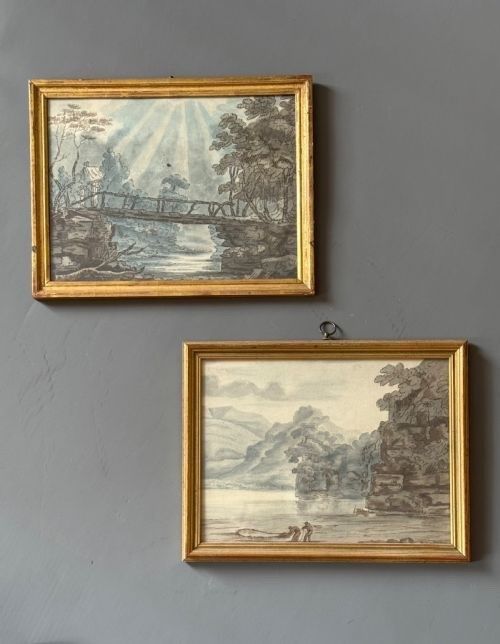
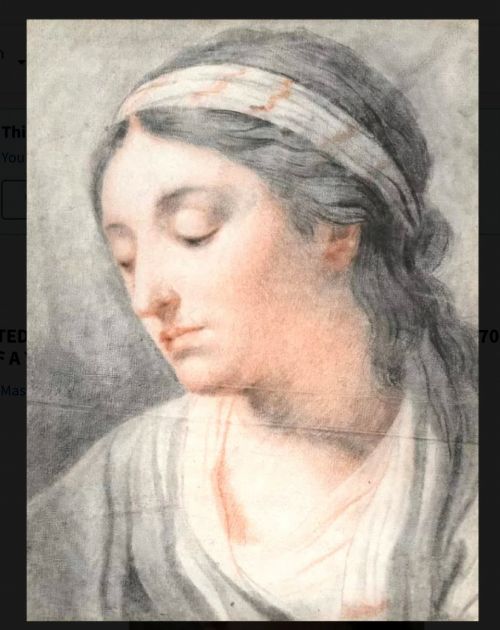
An 18th century drawing encompasses original works on paper, including portrait miniatures, landscape sketches, and figural studies executed during the Georgian period. These pieces frequently manifest the stylistic idioms of French Rococo, Italian Baroque, and Neoclassical movements.
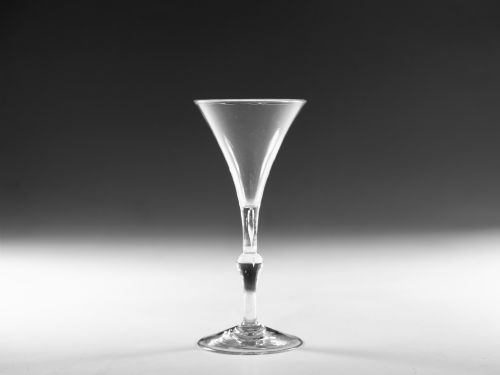
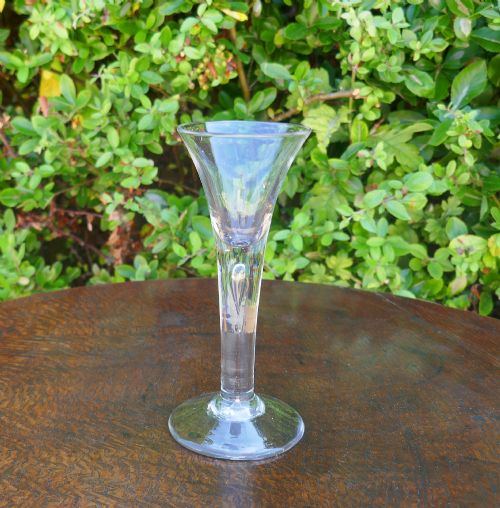
The selection ranges from rapid pen and ink notations to highly finished pastel portraits and plumbago drawings framed in period wood. Alongside framed graphic art, the category occasionally includes related objects like drawing instruments and glassware associated with the period.
Makers and schools represented include English, French, Italian, and Northern European hands, spanning from quick preparatory sketches to signed portraiture.
Materials and Techniques
Artists of this period relied primarily on paper supports, applying media such as graphite, charcoal, red chalk, pen and ink, wash, and pastel. Plumbago drawings utilised fine lead or graphite to achieve miniature portraiture of remarkable precision.
Pigments and washes were frequently applied with brushes to tinted or laid papers, sometimes enhanced with gold leaf or mounted within giltwood frames.
18th Century Drawing Retail Price Guide 2026
Typical asking prices for 18th century drawing among the pieces listed under this phrase on Sellingantiques today, from the lower quarter to the upper quarter. They describe what is for sale here now, not the wider market.
Listings feature paper, glass, ink, wood, graphite, pastel, giltwood, and gold leaf across the Georgian period.
Assessing Quality
Quality in an 18th century drawing is determined by the sureness of the draughtsmanship, the preservation of the delicate media on paper, and the integration of the work with its original frame. Expressive handling of line in portraits and landscape studies separates superior examples from routine exercises.
Condition plays a primary role, distinguishing works with vibrant pastels or stable ink from those compromised by heavy fading or paper degradation.
Benedetto Luti·John Russell·William Marshall Craig·Francois Boucher·John Taylor·Edward Dayes·Thomas Rowlandson·John Hoppner
The 18th Century Drawing Glossary
- Plumbago
- A delicate portrait drawing executed in graphite or lead, highly popular during the Georgian period for its fine, precise detail.
- Pastel
- A dry medium of powdered pigment and a binder pressed into sticks, used extensively in the eighteenth century for soft-toned portraiture.
- Sanguine
- A drawing executed in red chalk, frequently utilised for figural studies and preliminary sketches by European masters.
- Wash
- A technique where ink or watercolour is diluted to create semi-transparent layers of tone behind pen lines.
- Recto and verso
- The front and back of a sheet of paper, occasionally both bearing historical drawings.
18th Century Drawing: Frequently Asked Questions
How should I display an 18th century drawing?
Keep works on paper away from direct sunlight to prevent the fading of delicate inks, pastels, and watercolours.
Ensure framing uses conservation-grade materials to protect the historic paper from environmental degradation.
What is plumbago?
Plumbago refers to early graphite drawings, most commonly found in small-scale portraiture from the Georgian era.
Artists used this medium to achieve meticulous facial detail before the widespread adoption of modern pencils.
How do I identify a reproduction from an original drawing?
Original works show genuine hand-applied media, paper texture, and ink pooling under magnification rather than modern dot matrix printing.
Examine the reverse of the sheet when possible for historical inscriptions, stamps, or countermarks.
Were these drawings meant to be framed?
Many eighteenth-century works were kept in portfolios or bound albums rather than hung on walls during their creation.
Framing often occurred much later, though period giltwood or wood frames do accompany several surviving examples.