
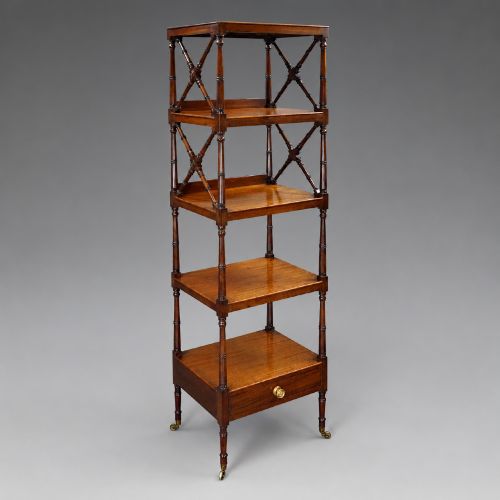


18th Century Drawers
When searching for 18th century drawers, collectors encounter walnut and mahogany case furniture built to hold linen, clothing and papers.
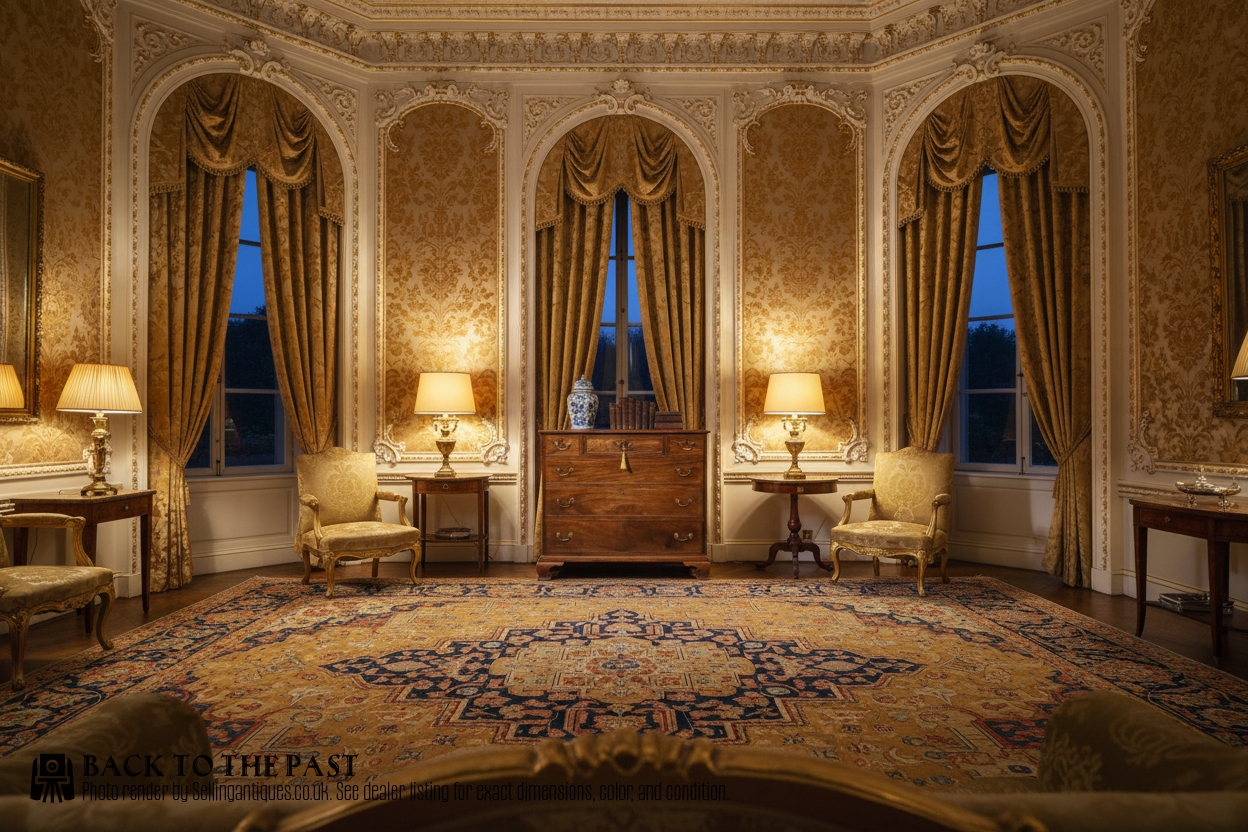
18th Century Drawers
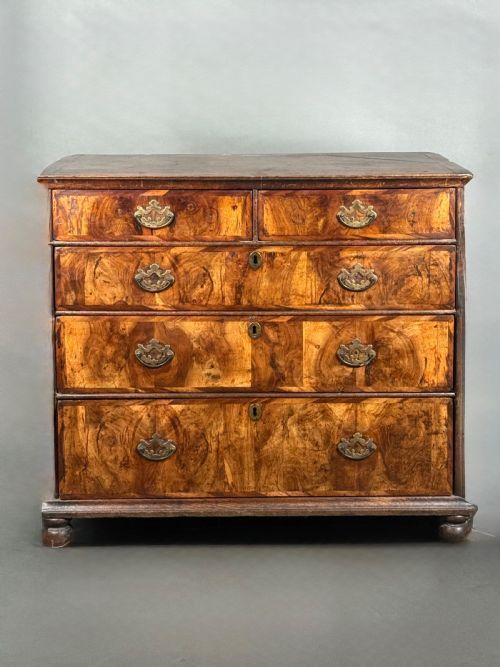
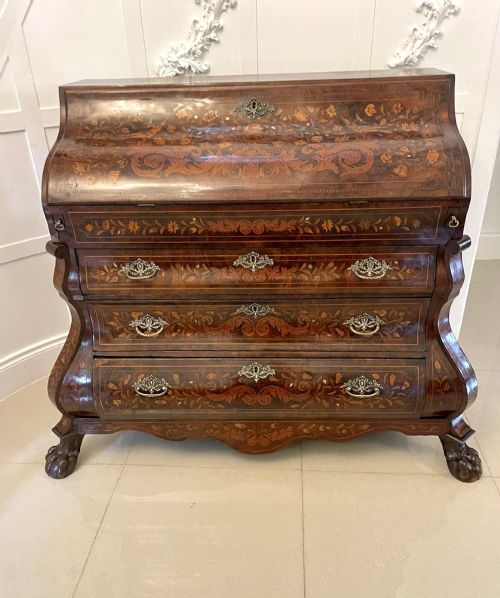
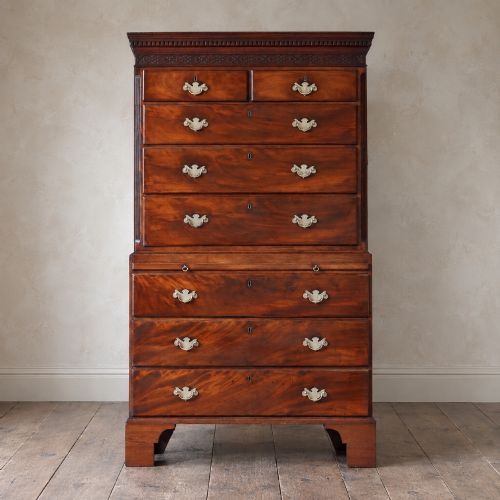
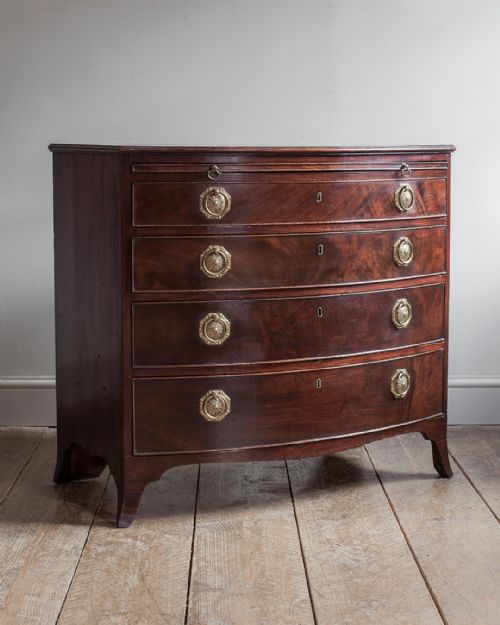
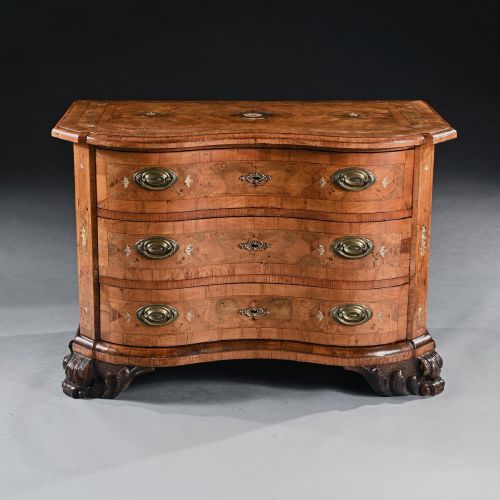
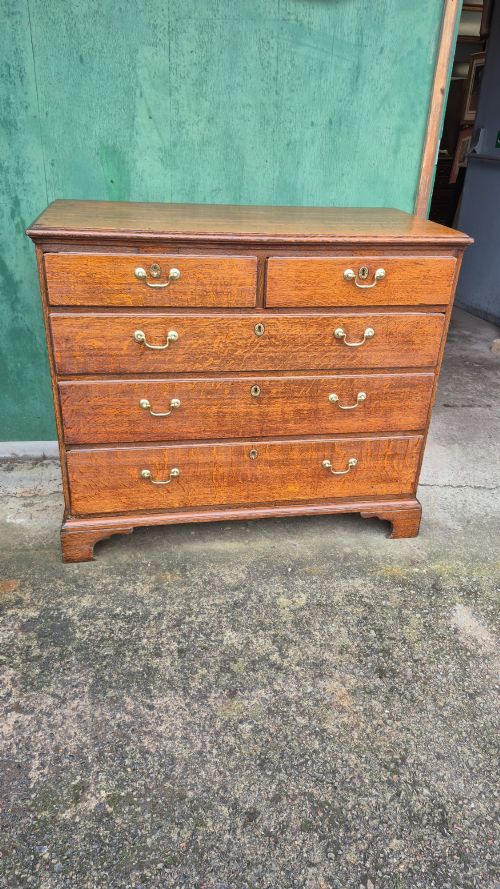
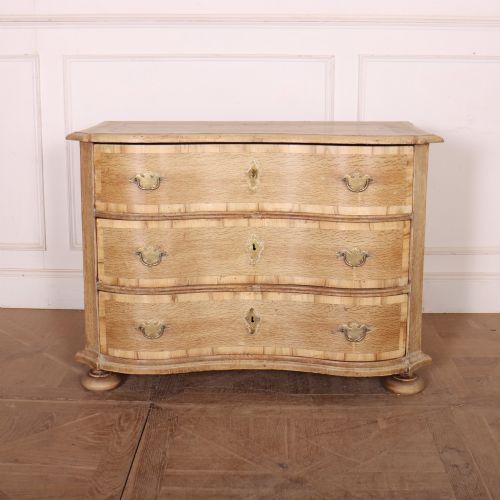
The search phrase 18th century drawers brings up a wide selection of case furniture, most commonly chests of drawers, tallboys, chests on chest, and commodes from the Georgian, Queen Anne, and continental periods. Buyers regularly meet mahogany and oak upright chests, along with walnut examples featuring figured veneers or marquetry inlay.
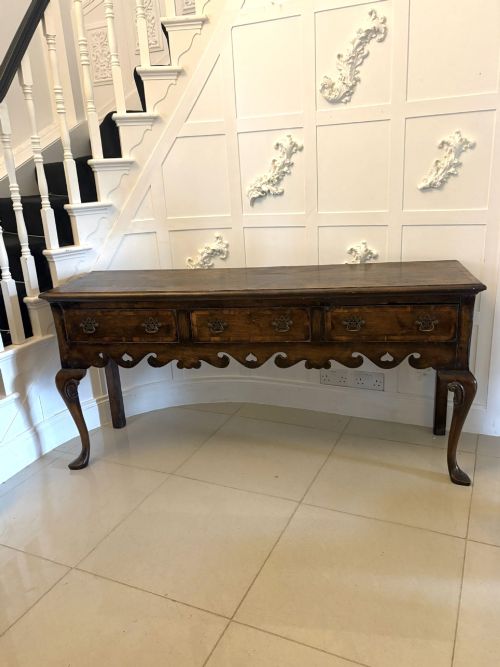
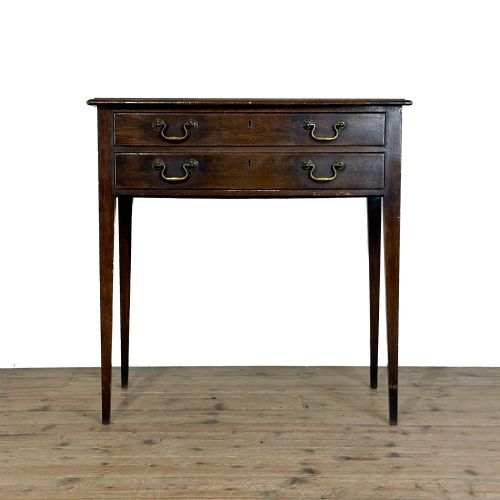
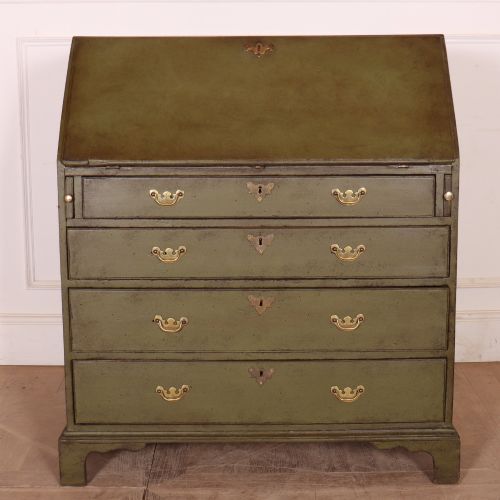
Beyond standard chests, the selection includes related forms such as bureaux with fitted writing interiors, dressing tables, lowboys, and dresser bases with potboards. These pieces originate from English workshops as well as French, Dutch, German, and Austrian makers spanning the 1700s to the early 19th century.
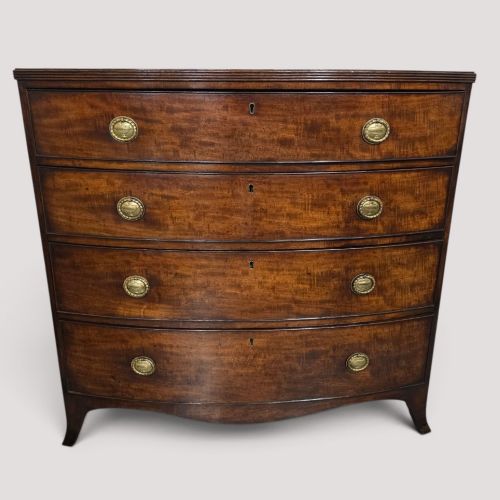
The version a buyer is most likely to encounter on this page is the classic Georgian mahogany or oak chest of drawers, often constructed with multiple graduating drawers and supported by bracket feet or cabriole legs.
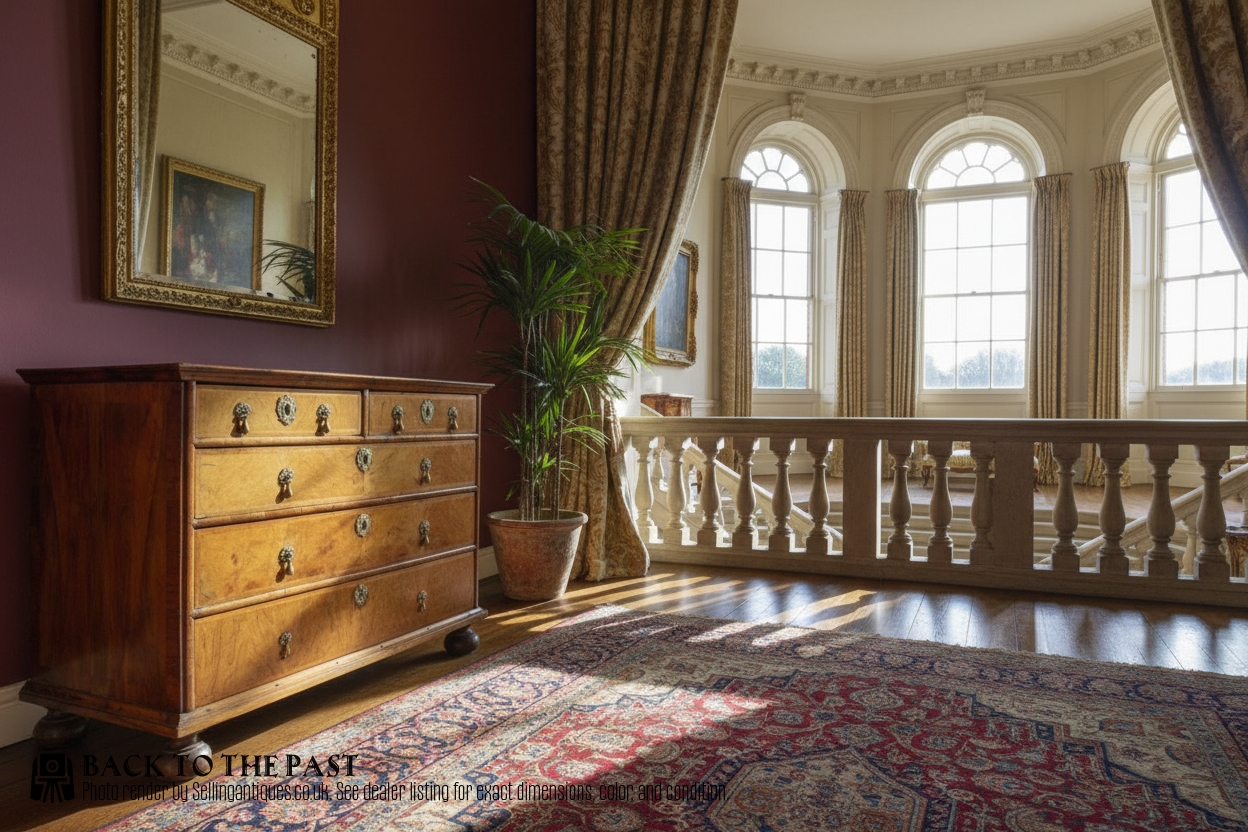
How they were made
Cabinet makers utilised solid timbers and selected veneers, applying mahogany, oak, walnut, burr walnut, and satinwood over secondary woods. Surfaces frequently display floral marquetry, parquetry, or simple polished grains supported by brass drop handles and escutcheons.
Construction techniques relied on hand-cut dovetails for drawer boxes, pegged tenons for frames, and oak or pine linings. Continental commodes often incorporated shaped serpentine bodies and heavy moulded marble tops, while bureau interiors combined small pigeonholes with hidden compartments.
18th Century Drawers Retail Price Guide 2026
Typical asking prices for 18th century drawers among the pieces listed under this phrase on Sellingantiques today, from the lower quarter to the upper quarter. They describe what is for sale here now, not the wider market.
Several pieces conceal tiny secret compartments inside their writing drawers for hiding precious love letters.
What varies in quality
The distinction between standard utility items and high-end examples rests upon the choice of timber and the intricacy of the cabinet work. Highly figured veneers, dense burr walnut, and complex serpentine or bombe fronts separate bespoke metropolitan commissions from plain provincial work.
Execution of detail further divides the range, evident in the crispness of marquetry inlay, the integration of original brass hardware, and the neatness of hand-cut internal dovetailing. Pieces retaining their original stands, sliding shelves, and unblemished marble tops command stronger interest.
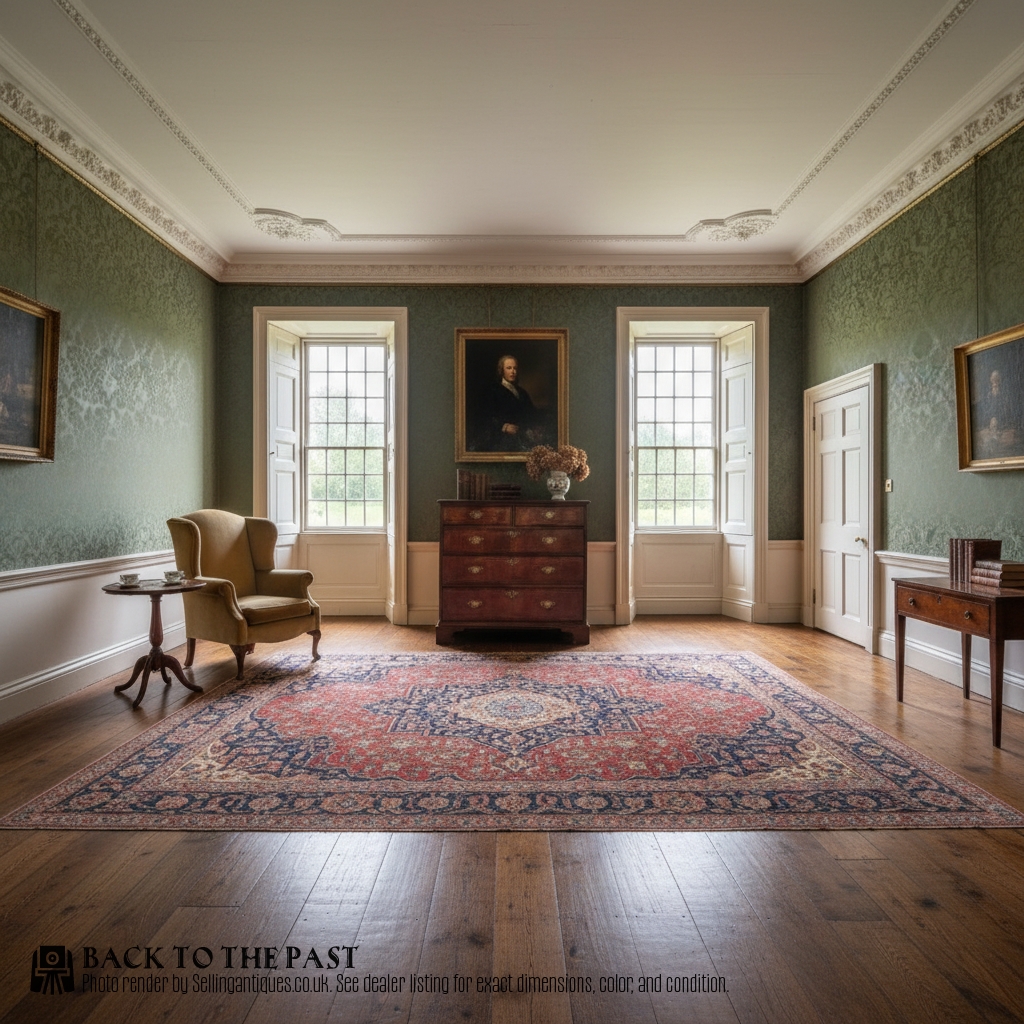
Jacques Bircklé·J Moorcroft
The 18th Century Drawers Glossary
- Chest on chest
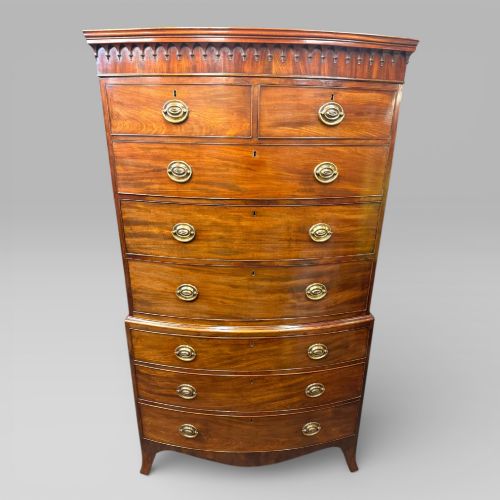
- A tall storage unit formed by stacking a smaller chest directly on top of a wider base chest, frequently called a tallboy.
- Bureaux
- A slant-front desk enclosing a fitted interior of small drawers and pigeonholes, often raised on bracket feet.
- Bombe
- A convex, bulging shape characteristic of continental commodes and bureaux, requiring complex curved woodwork.
- Brushing slide
- A pull-out shelf integrated into the chest frame just below the top surface, used originally for writing or brushing clothes.
- Marquetry
- Decorative inlay work using various woods, ivory, or pewter to create pictorial or floral patterns across the surface.
18th Century Drawers: Frequently Asked Questions
What is a brushing slide?
A brushing slide is a pull-out wooden board integrated into the upper section of a chest or bureau. It provided a clean surface for sorting garments or writing letters without opening the main drawers.
Cabinet makers in the Georgian period frequently included this feature in higher-quality mahogany and walnut case furniture.
How do I spot a tallboy?
A tallboy, or chest on chest, consists of two distinct cabinet sections built one on top of the other. The upper chest is narrower than the lower base, creating an elongated silhouette.
This form maximised vertical storage space in eighteenth-century bedchambers while maintaining architectural proportion.
Where were commodes made?
Commodes originated primarily in continental European workshops, particularly in France, Germany, and the Netherlands. Makers in these regions favoured curved serpentine fronts, elaborate marquetry, and marble tops.
English cabinet makers later adopted the term to describe low drawer units with decorative finishes.
How should I clean walnut veneer?
Walnut veneer requires gentle maintenance using soft cloths and traditional beeswax rather than modern chemical polishes. Keeping the wood away from direct heat sources prevents the thin decorative layers from drying and lifting.
Regular polishing nourishes the grain and preserves the rich colour developed over centuries.