

18th Century Dish
An 18th century dish brings hand-painted pottery and lustrous porcelain from domestic tables of the past directly into modern rooms.
18th Century Dish
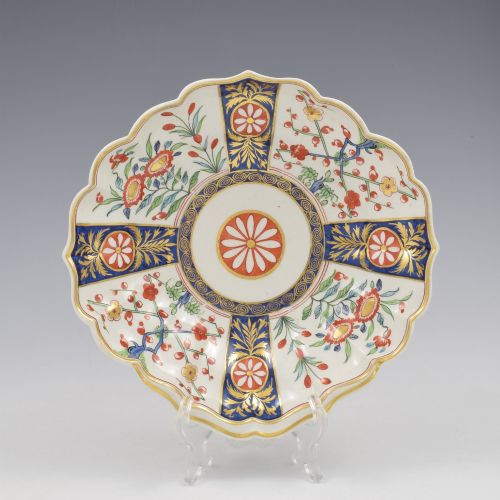
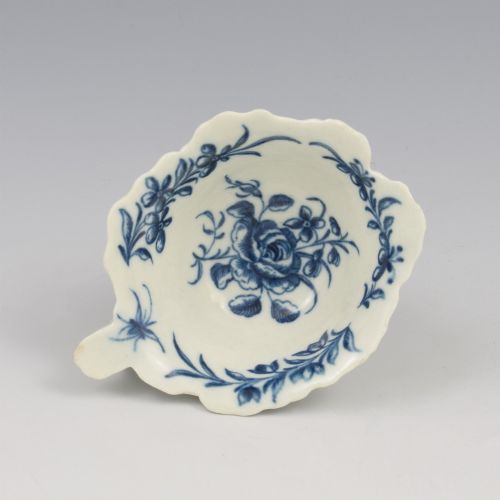
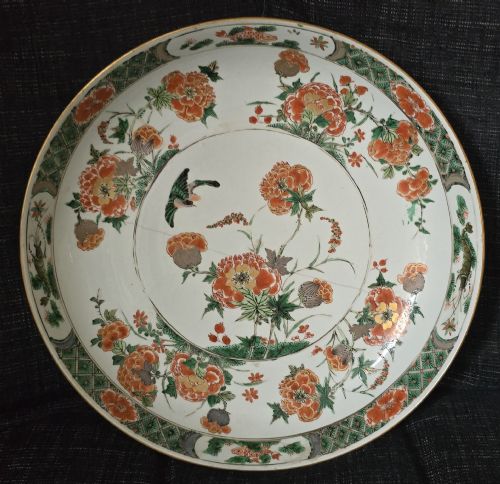
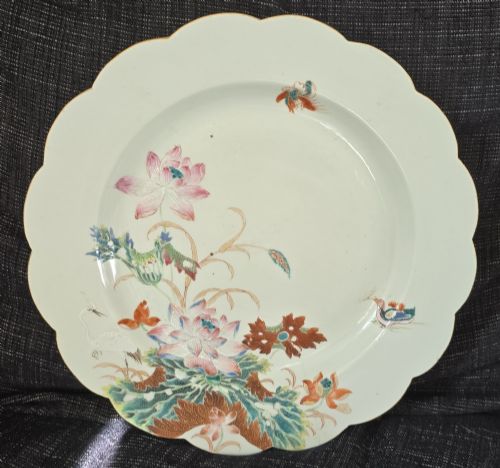
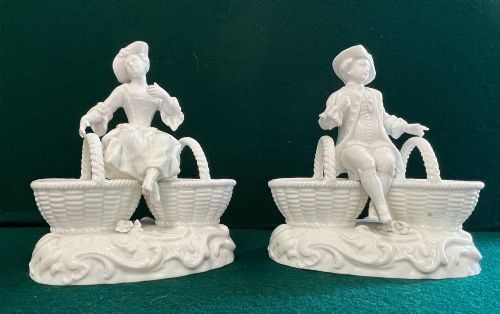
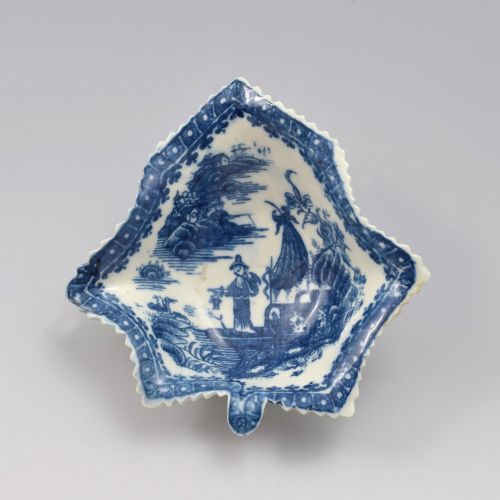
When searching for an 18th century dish, collectors encounter diverse forms including chargers, leaf-shaped pickle dishes, sweetmeat dishes, and serving plates. These pieces served functional dining purposes in porcelain, earthenware, and tin glaze.
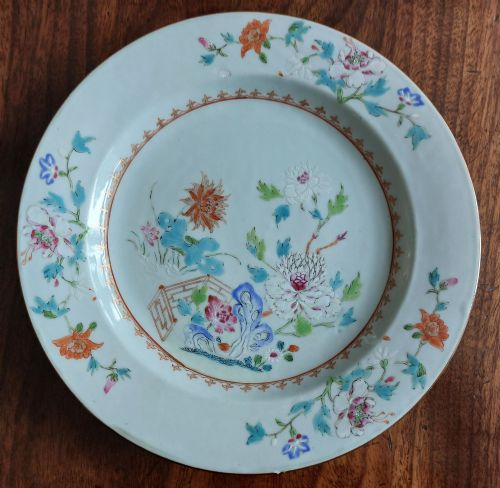
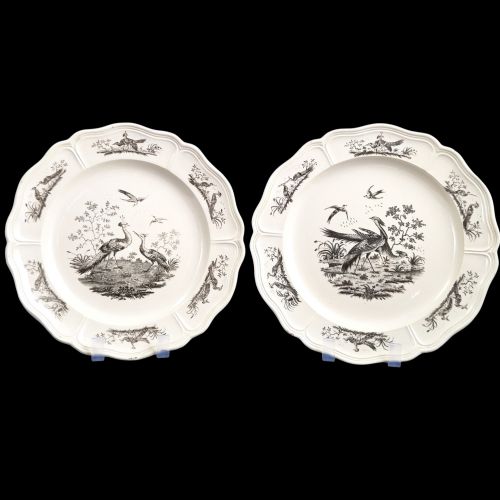
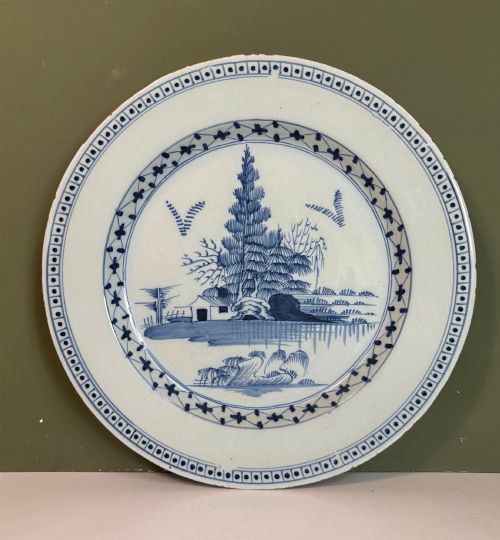
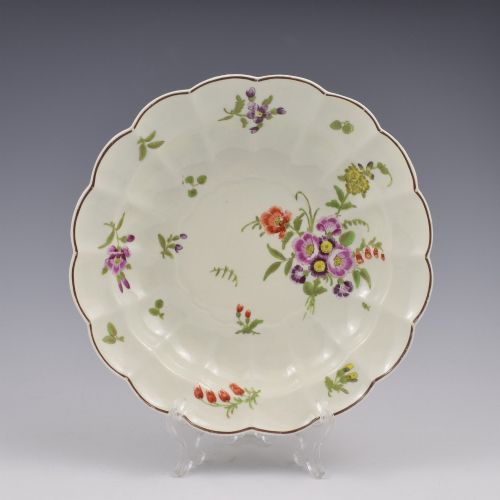
The most common examples on this page originate from English factories such as Worcester, Derby, and Bow, alongside tin-glazed delftware chargers and Chinese export porcelain. Domestic domestic ware spans transfer printing and intricate hand-painted polychrome floral decorations.
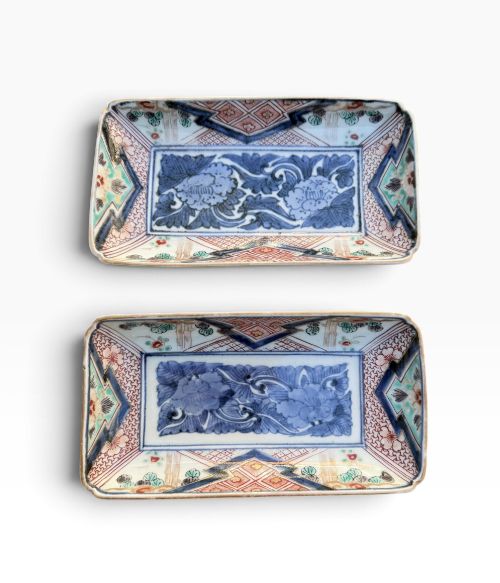
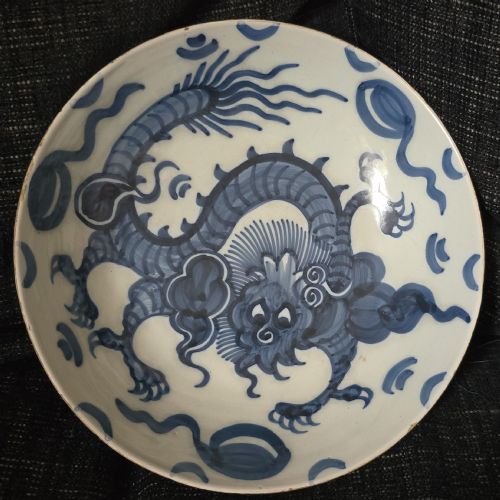
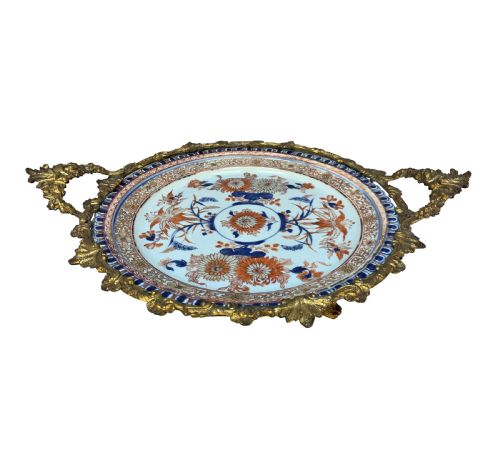
Beyond English earthenware and porcelain, international workshops contributed blue and white pieces and Imari designs. Form follows function across these items, ranging from deep bowls to flat plates meant for display or service.
Materials and production methods
Makers utilised soft-paste porcelain, earthenware, and tin glaze to form the body of each vessel, often applying hand-painted polychrome or blue and white pigments beneath or over the glaze. Firing techniques in 18th-century kilns determined the durability and finish of the ceramic body.
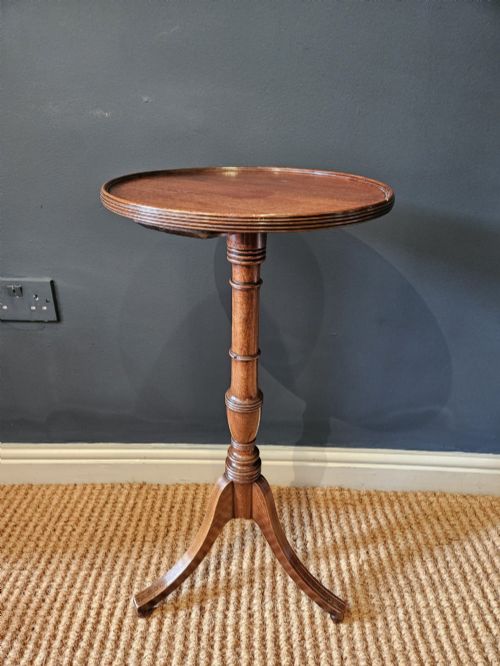
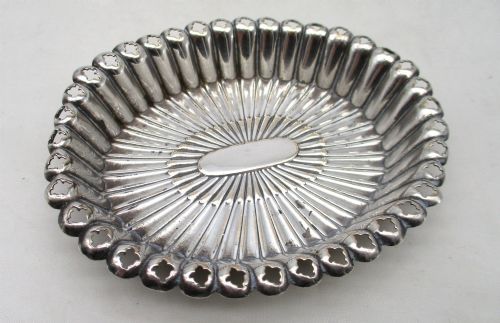
Metal items from the period relied on silver or Old Sheffield Plate, combining copper bases with fused silver wirework and mounts. Wood variations include walnut, mahogany, and sycamore shaped into turned bowls or dish-topped tables.
Listings feature tin glaze, soft-paste porcelain, and earthenware alongside decorative forms like chargers, leaf dishes, and soup plates from the 18th century.
Distinctions in craftsmanship
Quality rests upon the precision of the hand-painted decoration, where crisp brushwork and well-preserved polychrome or blue enamels elevate a piece above standard domestic output. The fineness of the porcelain body and clarity of the glaze also define superior examples.
Caughley Porcelain·Derby Porcelain·Bow Porcelain·Chelsea Porcelain·Wedgwood·Sèvres
The 18th Century Dish Glossary
- Charger
- A large ornamental or serving plate, typically tin-glazed earthenware, meant to be displayed on a dresser or wall.
- Soft-paste porcelain
- A ceramic composition made from clay, glass, and ground minerals, fired at lower temperatures than hard-paste porcelain.
- Tin glaze
- An opaque white lead glaze containing tin oxide, used as a smooth surface for hand-painted decoration on delftware.
- Sweetmeat dish
- A small compartmented or shaped vessel designed for serving sweet confections, nuts, or preserves during formal meals.
- Imari
- A style of ceramic decoration featuring dark blue, iron red, and gold, originally inspired by Japanese export goods.
- Kakiemon
- An asymmetric enamel decoration style featuring quail or floral motifs on a white porcelain background.
18th Century Dish: Frequently Asked Questions
How were 18th century dishes used?
These vessels functioned primarily during formal meals for serving meats, sweetmeats, or sauces, while larger chargers decorated dresser racks and dining walls. Households used them for everyday dining or special occasions depending on the material.
Over time, many of these utilitarian plates transitioned into decorative display objects rather than active tableware. Their survival reflects careful stewardship by generations of owners.
How do I identify a First Period Worcester dish?
First Period Worcester pieces often feature delicate blue and white floral patterns, chantilly sprigs, or fancy birds on soft-paste porcelain bodies. Look closely at the glaze consistency and foot rim characteristics typical of the workshop.
Many examples carry subtle blue crescent or square marks underneath, though unmarked pieces rely on paste composition and decorative style for identification.
What is the difference between delftware and porcelain?
Delftware consists of an earthenware body covered in an opaque tin glaze that provides a white canvas for painted pigments. Porcelain is a vitrified ceramic fired at higher temperatures, resulting in a harder and more resonant body.
Porcelain items usually show greater translucency when held to the light, whereas delftware remains completely opaque with a softer earthenware base.
How should I display an antique dish at home?
Plates and chargers look best secured safely in wall-mounted plate racks or displayed upright on sturdy plate stands within cabinets. Ensure they avoid direct sunlight and areas prone to sudden temperature changes.
Wooden plate racks or oak dressers offer a traditional context that matches the domestic origins of these historic ceramic items.