



18th Century Coffee Pot
An 18th century coffee pot brings tangible Georgian weight and domestic ritual to the modern table.
18th Century Coffee Pot
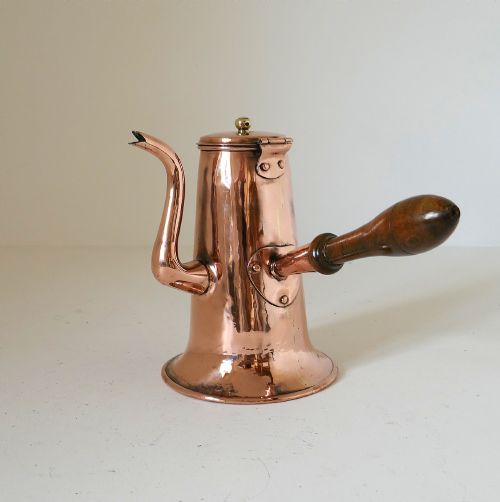
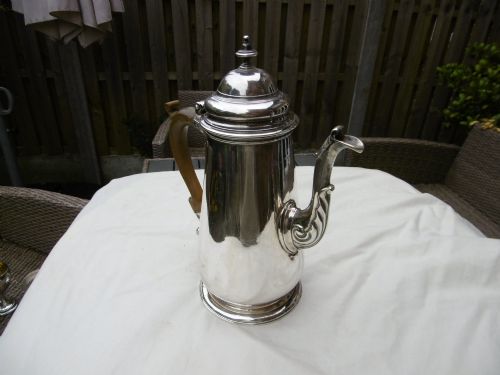
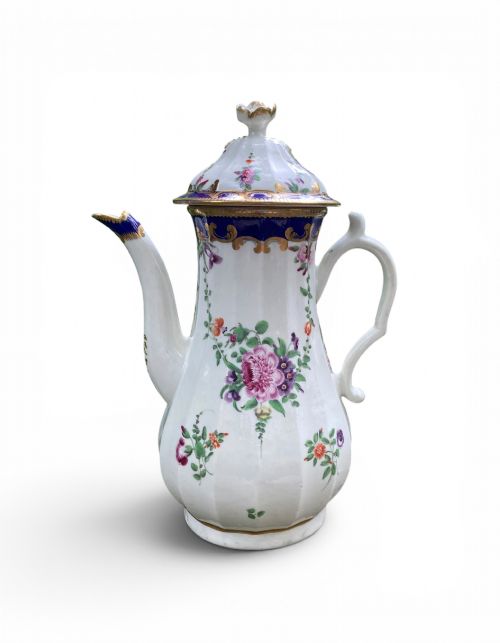
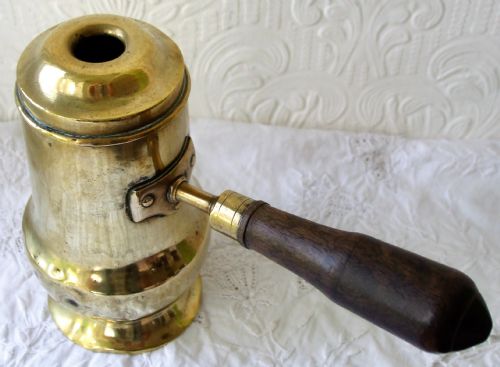
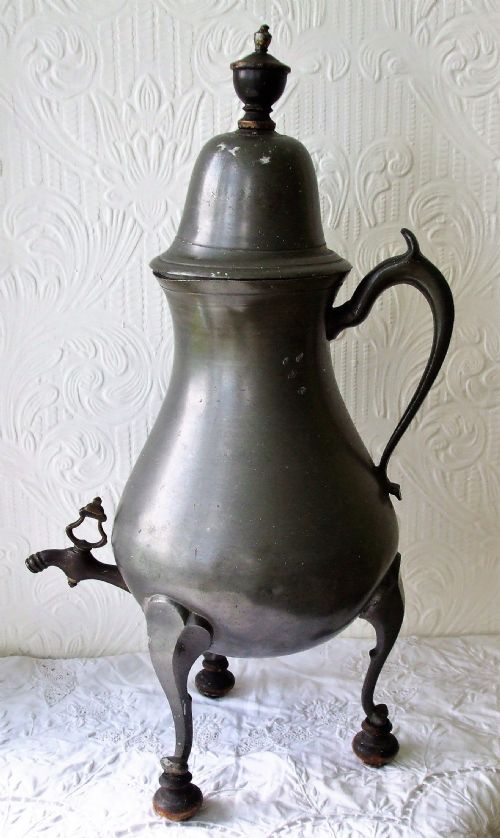
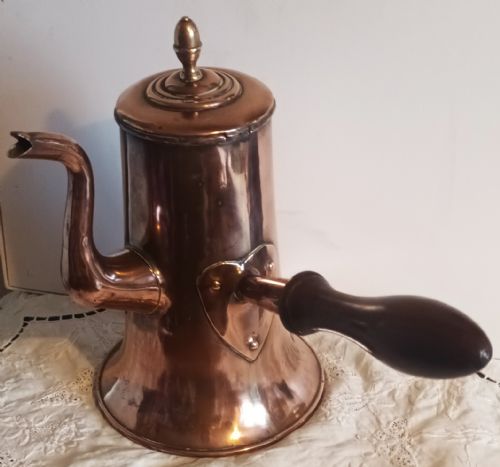
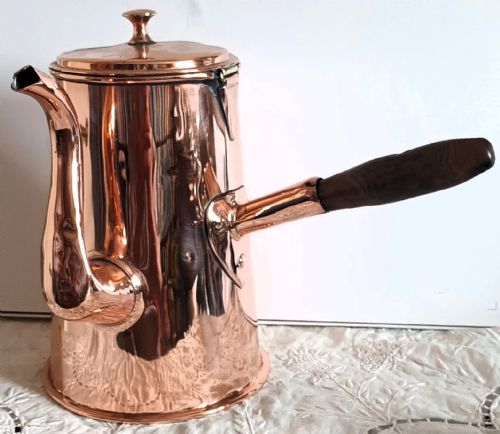
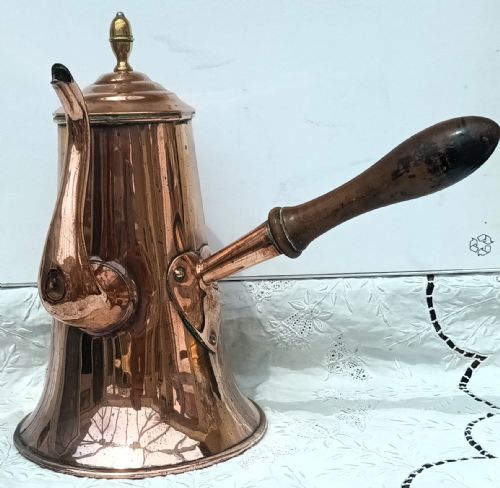
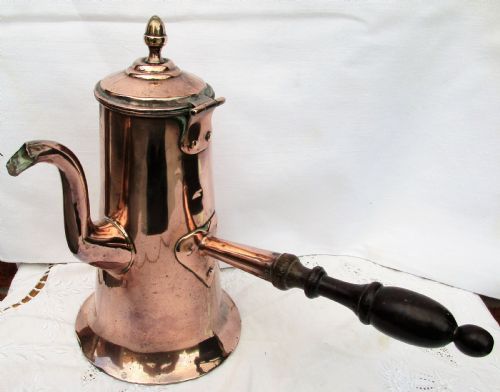
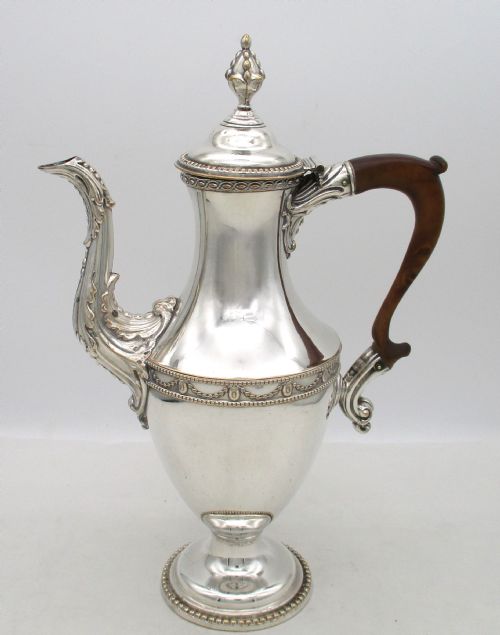
An 18th century coffee pot is a hollowware vessel designed for serving brewed coffee, appearing in forms from tall silver baluster bodies to side-handled copper pots and porcelain wares. Buyers searching this phrase encounter substantial tableware produced across the Georgian era and executed in diverse materials.
Originating in England, the Netherlands, France and Germany, these vessels often bridge the gap between coffee and chocolate service. Their varied stylistic influences span Dutch domestic design, French Regency lines and classic Georgian proportions.
How they were made
Makers fashioned metal vessels by raising sheets of copper or silver over stakes, soldering seams and attaching cast handles of wood or metal. Old Sheffield Plate examples fused a thin layer of sterling silver to a copper core, creating durable tableware with precious metal surfaces.
Ceramic pieces such as Worcester porcelain or Dutch Delft Faience required specialised throwing and glazing techniques, often hand-painted with manganese or polychrome designs. Metal pots frequently incorporated insulating wooden handles to protect the hand from heat during service.
18th Century Coffee Pot Retail Price Guide 2026
Typical asking prices for 18th century coffee pot among the pieces listed under this phrase on Sellingantiques today, from the lower quarter to the upper quarter. They describe what is for sale here now, not the wider market.
Listings combine sterling silver, Old Sheffield Plate, copper, brass, pewter, hardwood, porcelain and enamel.
What varies in quality
The distinction between superior and standard examples rests on the crispness of the chasing, the balance of the spout and handle, and the integrity of the original metal gauge. Master silversmiths and skilled coppersmiths produced thicker walls and more harmonious proportions.
The survival of maker marks, crests and original lids heavily influences the standing of a piece. Finer vessels retain their structural soundness and crisp surface detail despite centuries of daily use.
Richard Gurney·William Soutter and Sons·John Hoyland·Richard Morton·Robert Arbin Cox
The 18th Century Coffee Pot Glossary
- Hollowware
- Tableware items such as coffee pots, jugs and urns that are hollow in construction rather than flat. This category forms the core of metal vessels found in domestic dining.
- Old Sheffield Plate
- A composite material made by fusing silver to a copper base, developed in the eighteenth century. It allows for silver surfaces without solid silver costs.
- Baluster
- A vase-like architectural form with a rounded lower body tapering to a narrower neck, commonly seen on silver coffee pots. This silhouette defines many Georgian vessels.
18th Century Coffee Pot: Frequently Asked Questions
How do I clean an old copper coffee pot?
Wash copper vessels gently with warm soapy water and dry them thoroughly with a soft cloth to preserve the metal surface.
Avoid abrasive scouring pads or harsh chemical dips that strip away the natural patina accumulated over centuries.
Can I still use these coffee pots daily?
While these vessels were originally made for functional use, many owners prefer to display them as decorative historical objects.
Using antique metal or porcelain pots requires careful handling to prevent damage to fragile spouts, seams and historic linings.
What is the difference between a coffee pot and a chocolate pot?
Chocolate pots often feature a small removable lid at the top of the finial or a side-handled configuration designed to accommodate a stirring stick.
Coffee pots generally have straight spouts set high on the body to filter grounds, though historical overlap in usage is common.
How do I date a silver coffee pot?
English silver pieces frequently bear hallmarks indicating the assay office, date letter and maker's mark stamped directly into the metal.
Comparing these stamps against official records provides a precise year of manufacture for sterling silver items.