
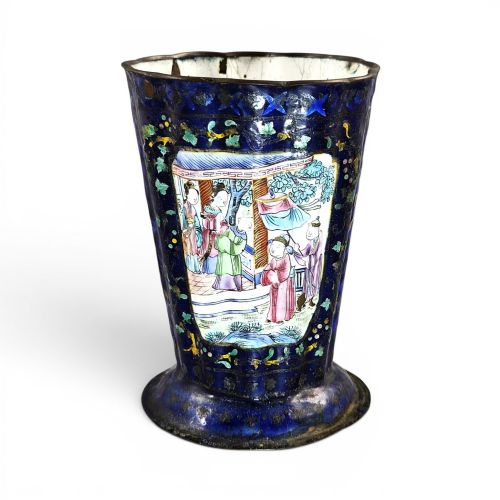


18th Century Chinese Enamel
These 18th century chinese enamel pieces bring vibrant palette work and copper or porcelain vessels into your home.
18th Century Chinese Enamel
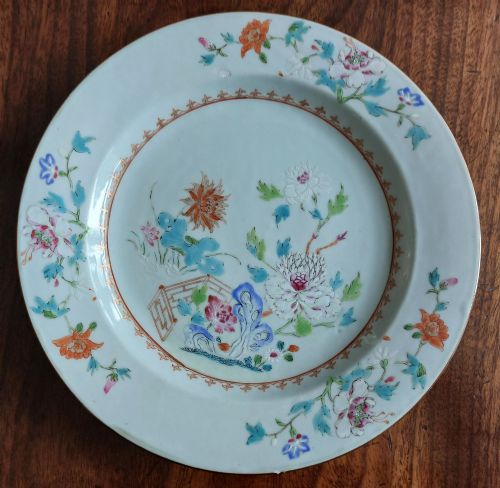
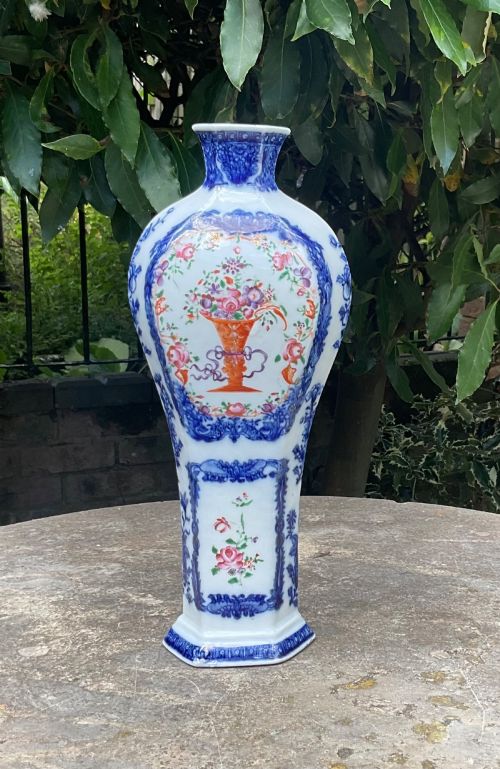
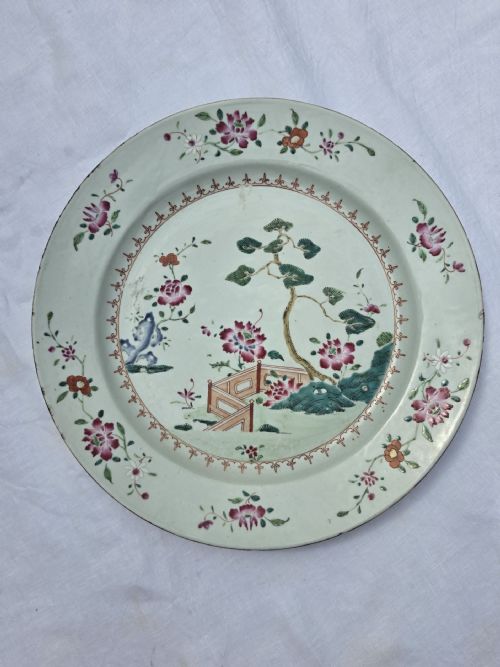
Buyers seeking 18th century chinese enamel encounter decorative items spanning plates, bowls, mugs, vases, and snuff boxes. These objects originate from the Qing dynasty and the Qianlong period, alongside contemporary European factories producing export styles.
Objects connect closely to trade and stylistic exchange during the Georgian era. Pieces often display Chinese figures, floral motifs, or armorial designs made for export markets.
How they were made
Makers applied enamel glaze onto hard-paste porcelain or copper bases to achieve bright surface decoration. Artisans utilised overglaze enamels, often incorporating gold leaf highlights on vessels and plates.
Production combined traditional Chinese potting techniques with enamel work suited to export demands. Workshops shaped porcelain into chargers, mugs, and vases before firing the polychrome designs.
Object forms include punch bowls, tea bowls, sauce boats, chargers, and snuff boxes spanning Qing dynasty and Georgian styles.
What varies in quality
Quality rests upon the precision of the enamel painting and the complexity of the narrative or figural scene. Pieces depicting intricate Mandarin palettes or specific armorial details demonstrate superior artistic execution.
The fineness of the porcelain body and the preservation of the overglaze colours distinguish the upper tier of objects. Skill in handling the copper base or the clarity of the yellow ground influences overall visual merit.
The 18th Century Chinese Enamel Glossary
- Famille Rose
- A palette of opaque rose-pink and other soft enamel colours introduced in the Qing dynasty. This palette dominates many export porcelain plates and bowls from the period.
- Qianlong
- The imperial reign period from 1736 to 1795 associated with prolific porcelain and enamel production. Objects from this era often feature elaborate figural and floral compositions.
- Chinese Export
- Porcelain and enamel items manufactured in China specifically for European and Western markets. These objects frequently blend Eastern forms with Western heraldic or decorative requirements.
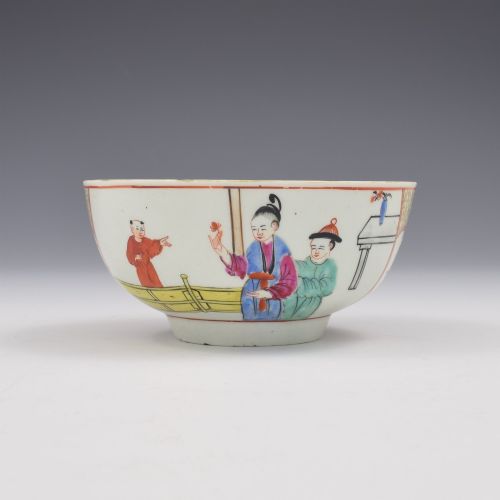
- Mandarin Pallet
- A style of decoration depicting detailed Chinese figures within interior or garden settings. It appears frequently on tea bowls, saucers, and slop bowls.
- Cloisonne
- A technique where enamel is applied within compartments created by soldered wire fillets on a metal base. This method yields distinct patterned vessels and plaques.
18th Century Chinese Enamel: Frequently Asked Questions
What is 18th century chinese enamel?
These items comprise decorative vessels, tableware, and snuff boxes made in China or decorated for export during the 1700s. They utilise copper or porcelain grounds finished with colourful overglaze enamel decoration.
Many pieces reflect the aesthetic standards of the Qing dynasty and the Qianlong period. They frequently feature intricate painting depicting figures, flowers, and armorial bearings.
How were these enamel pieces used?
Export porcelain and enamel items served functional roles in European dining and tea service. Punch bowls, mugs, and tea sets hosted social gatherings among the elite.
Smaller objects like snuff boxes and display plates functioned as personal accessories or interior ornaments. Their detailed scenes provided conversation topics in Georgian drawing rooms.
How do I care for antique enamel?
Protect these fragile surfaces by keeping them away from direct sunlight and extreme temperature shifts. Gentle dusting with a soft dry cloth prevents dirt accumulation without risking the glaze.
Avoid using liquid cleaners or abrasive materials on overglaze enamels and gold leaf. Display items securely on stable surfaces to prevent accidental knocks.
How do I identify a Qianlong piece?
Look for the characteristic Famille Rose palette and fine porcelain bodies typical of the imperial reign. Designs often incorporate detailed figures, auspicious symbols, or floral borders.
Many export pieces from this era align with the dates between 1736 and 1795. Stylistic cues include precise overglaze painting and balanced composition.